
In 2026, We the Italians celebrates “Two Anniversaries, One Heart” – the 250th anniversary of the United States and the 80th anniversary of the Italian Republic. This article is part of the “Happy Birthday USA: Unsung Italian Heroes” project, in which we share how, in every corner of the United States, an Italian has made a positive impact on their local community.
---
The fearless Italian sister of New Mexico
Dopo l’arrivo della ferrovia transcontinentale nel 1880, Albuquerque divenne un punto di riferimento per una piccola ma vivace comunità di immigrati italiani, che contribuì allo sviluppo della città. Spinti dalla ricerca di opportunità economiche, provenivano da diverse regioni d’Italia, anche se la maggior parte arrivava dalle province della Toscana.
Oreste Bachechi, nato il 29 luglio 1860 nei pressi di Bagni di Lucca, arrivò negli Stati Uniti nel 1885, favorendo l’insediamento degli italiani ad Albuquerque. Imprenditore intraprendente, trasformò un saloon sotto una tenda nei pressi della ferrovia in una prospera attività di vendita all’ingrosso di liquori e generi alimentari. Ancora più importante fu il ruolo svolto da Bachechi nella crescita della comunità italiana del New Mexico: si impegnò attivamente nel sostenere l’arrivo di nuovi immigrati e il loro insediamento ad Albuquerque. La sua attività offrì loro un’alternativa al durissimo lavoro nelle miniere, aiutando familiari e amici a ricongiungersi in sicurezza attraverso consolidate reti migratorie a catena. Bachechi fu inoltre uno dei più importanti membri fondatori della Colombo Society, una storica associazione di mutuo soccorso istituita nel 1892 per sostenere la crescente comunità italiana di Albuquerque.
Nel momento di massima espansione, le attività commerciali di proprietà italiana occupavano otto isolati lungo Central Avenue, la principale arteria cittadina, che in seguito sarebbe diventata parte della celebre Route 66, dando vita a una fiorente “Little Italy”. Queste famiglie italiane e le loro attività svolsero anche un fondamentale ruolo di “ponte” sociale, contribuendo all’incontro e all’integrazione tra le predominanti culture angloamericana e ispanica, che hanno profondamente plasmato l’identità originaria della città.
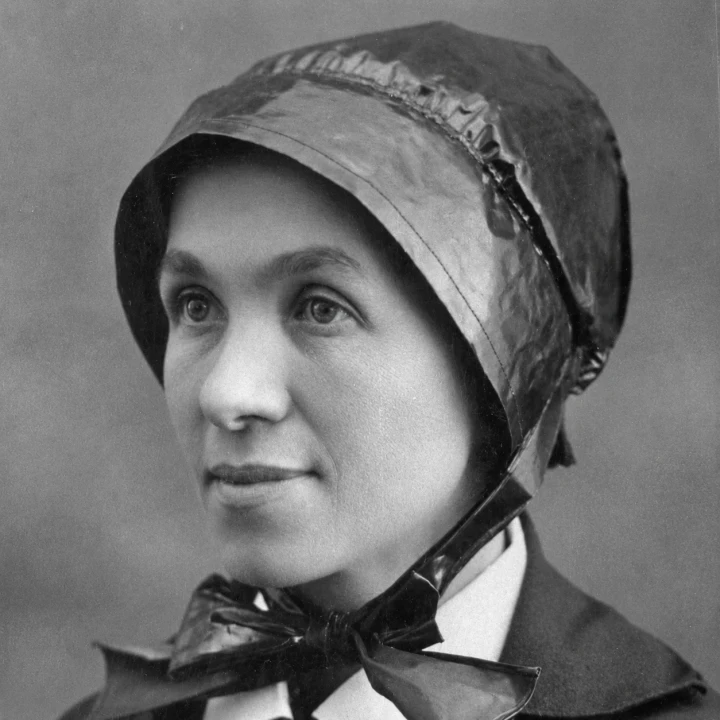
Long before Albuquerque became New Mexico’s largest city, an Italian immigrant was helping build the institutions that would allow its communities to grow. Sister Blandina Segale left behind something far more substantial than the colorful stories that later earned her the nickname “the fastest nun in the West.” She helped create schools, hospitals and social services, while defending people who had little power in the rough society of territorial New Mexico.
She was born Maria Rosa Segale in Cicagna, Liguria, on January 23, 1850. When she was four, her family emigrated to Cincinnati, where she grew up in an Italian immigrant household. At 16 she entered the Sisters of Charity of Cincinnati and took the name Blandina. In 1872 she was sent west, first to Trinidad, Colorado. Five years later she reached Santa Fe, beginning the New Mexico chapter that would define her legacy.
Blandina arrived in a territory marked by poverty, violence and enormous distances, where Hispanic and Native American communities were often vulnerable to discrimination and exploitation. She taught children, cared for the sick, visited prisoners and challenged injustices regardless of whom they affected. Her surviving writings describe a woman unwilling to accept that poverty, ethnicity or a criminal past stripped someone of human dignity. She advocated for Hispanic families and Native Americans, assisted mistreated railroad workers and confronted authorities when she believed they were acting unjustly.
Her impact was also physical and measurable. Blandina helped establish educational and charitable institutions and participated in the development of hospitals in both Santa Fe and Albuquerque. After years of other work, she returned to Albuquerque in 1900 specifically to help establish St. Joseph Hospital. The mission associated with that institution survives today through CommonSpirit St. Joseph’s Children, serving New Mexico families more than a century later.
Her encounters with Billy the Kid have made her famous, but they can obscure what truly made Blandina important to New Mexico. She was not merely a fearless nun who crossed paths with an outlaw. She was an institution builder. Where communities lacked schools, medical care or protection for their most vulnerable members, she worked to create them.
And she did this as an Italian-born woman on the American frontier.
Her Italian origins were not a footnote. Blandina understood migration personally. She had crossed the Atlantic as a child and grown up in an immigrant family before traveling into a region where cultures, languages and peoples met. Her instinct was not to demand that everyone become alike, but to serve Native Americans, Hispanics, Anglos and immigrants alike. That made the girl from a small Ligurian town an unusually powerful figure in the multicultural history of New Mexico.
Albuquerque still remembers her. A convent bearing her name survives in Old Albuquerque, and in 2019 St. Pius X High School dedicated a memorial garden to her. Most significantly, the Archdiocese of Santa Fe opened her cause for beatification and canonization in 2014 – the first such cause opened in the 400-year history of the Catholic Church in New Mexico.
Blandina Segale died in 1941, but what she helped build did not disappear. Her legacy remains embedded in Albuquerque’s history of health care, education and service to children and families.
An Italian immigrant arrived in New Mexico when much of it was still frontier. Instead of simply adapting to that world, she helped make it better.