In 2026, We the Italians celebrates “Two Anniversaries, One Heart” – the 250th anniversary of the United States and the 80th anniversary of the Italian Republic. This article is part of the “Happy Birthday USA: Unsung Italian Heroes” project, in which we share how, in every corner of the United States, an Italian has made a positive impact on their local community.
---
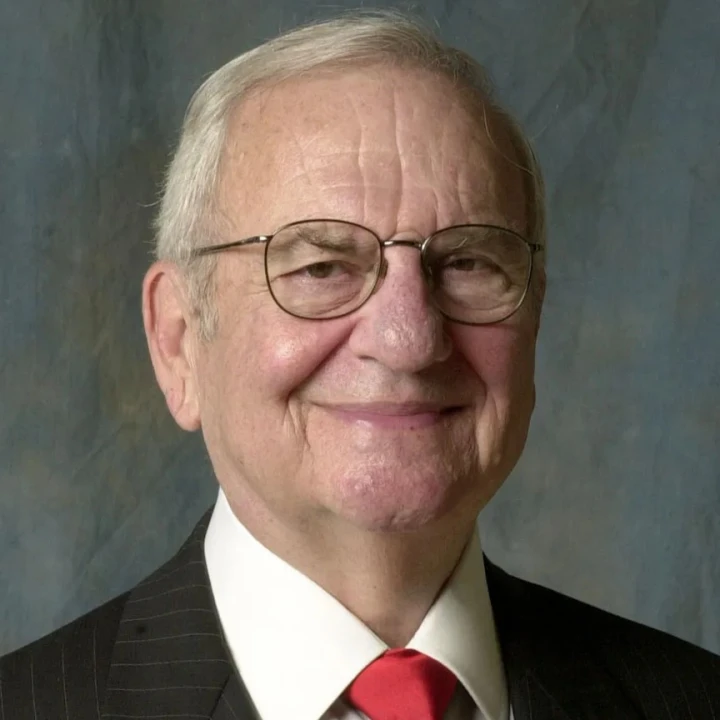
Lee Iacocca, the Italian American who helped keep Michigan rolling
“If You Can Find a Better Car, Buy It!” This slogan was popularized by Lido Anthony Iacocca, better known to millions of Americans as Lee Iacocca. Born in Allentown, Pennsylvania, on October 15, 1924, he was the son of Nicola Iacocca and Antonietta Perrotta, immigrants from San Marco dei Cavoti in the province of Benevento, Campania. Yet it was in Michigan that Iacocca built his career and left his most enduring legacy.
In August 1946, Iacocca arrived in Dearborn as an engineering trainee at Ford Motor Company. He soon realized that his greatest talents lay in sales, marketing, and management. After attracting national attention with a successful sales campaign in Philadelphia, he returned to Ford’s Dearborn headquarters and rapidly rose through the company’s executive ranks.
His most celebrated Ford achievement was the Mustang, developed by a team working in the heart of Michigan’s automobile industry. Introduced in April 1964, the Mustang combined sporty styling, affordability, and extensive customization options. Ford sold 418,812 Mustangs during its first year, creating a new automotive category and reinforcing Metro Detroit’s position as the center of American car design and innovation. Iacocca became Ford’s president in 1970 but was dismissed by Henry Ford II in 1978 after years of tension between the two executives.
His departure from Ford led to an even greater contribution to Michigan. Iacocca joined Chrysler in 1978 when the Highland Park-based company was approaching financial collapse. Its failure would have devastated not only Chrysler employees but also Michigan dealerships, parts manufacturers, engineering firms, and communities already suffering from recession and growing foreign competition.
Iacocca persuaded Congress to authorize up to $1.5 billion in federal loan guarantees. The rescue required painful sacrifices, including plant closures, layoffs, concessions from workers, and aggressive cost reductions. Nevertheless, it prevented the immediate disappearance of one of Michigan’s three major automakers. Chrysler repaid its guaranteed loans in 1983 – seven years ahead of schedule.
The company’s recovery was driven by vehicles closely associated with Michigan ingenuity. The compact, front-wheel-drive Dodge Aries and Plymouth Reliant, built on the versatile K-car platform, gave Chrysler competitive and fuel-efficient products. The Dodge Caravan and Plymouth Voyager, introduced for the 1984 model year, transformed family transportation and established the modern minivan market. Their success generated work across Chrysler’s Michigan-based network of designers, engineers, managers, suppliers, and dealers.
Iacocca also helped secure Chrysler’s long-term presence in Michigan by supporting the creation of the Chrysler Technology Center in Auburn Hills. Construction began in 1986, and the facility was dedicated on Iacocca’s birthday, October 15, 1991. It brought engineering, design, research, testing, and product development together on one enormous campus. The complex later became Chrysler’s world headquarters and remains the North American headquarters of Stellantis.
Nationally, Iacocca became a corporate celebrity, acquired American Motors and Jeep, and led the campaign to restore the Statue of Liberty and Ellis Island. In Michigan, however, his greatest legacy was more tangible: he helped preserve a major automaker, sustained Metro Detroit’s industrial ecosystem, encouraged a new generation of vehicles, and ensured that Michigan remained central to the global automobile industry. His extraordinary success also embodied the finest qualities of his Italian heritage – determination, creativity, resilience, family pride, and an instinctive passion for transforming bold ideas into enduring achievements.
Nel 2026 We the Italians celebra Two Anniversaries One Heart, i 250 anni degli Stati Uniti e gli 80 anni della Reubblica Italiana. Questo articolo fa parte del progetto Happy Birthday USA: The Unsung Italian Heroes, in cui raccontiamo perchè in ogni angolo degli Stati Uniti qualcuno italiano ha lasciato un impatto positivo per il singolo territorio.
---
Lee Iacocca, l’italoamericano che aiutò a tenere in moto il Michigan
“Se riuscite a trovare un’auto migliore, compratela!” Questo slogan fu reso celebre da Lido Anthony Iacocca, conosciuto da milioni di americani come Lee Iacocca. Nato ad Allentown, in Pennsylvania, il 15 ottobre 1924, era figlio di Nicola Iacocca e Antonietta Perrotta, immigrati da San Marco dei Cavoti, in provincia di Benevento, in Campania. Eppure fu in Michigan che Iacocca costruì la sua carriera e lasciò la sua eredità più duratura.
Nell’agosto del 1946, Iacocca arrivò a Dearborn come tirocinante in ingegneria alla Ford Motor Company. Si rese presto conto che i suoi talenti maggiori risiedevano nelle vendite, nel marketing e nella gestione aziendale. Dopo aver attirato l’attenzione nazionale con una campagna di vendita di successo a Philadelphia, tornò alla sede centrale Ford di Dearborn e salì rapidamente nei ranghi dirigenziali dell’azienda.
Il suo risultato più celebre in Ford fu la Mustang, sviluppata da un team che lavorava nel cuore dell’industria automobilistica del Michigan. Presentata nell’aprile del 1964, la Mustang univa stile sportivo, prezzo accessibile e ampie possibilità di personalizzazione. Ford ne vendette 418.812 esemplari nel primo anno, creando una nuova categoria automobilistica e rafforzando la posizione della grande area di Detroit come centro del design e dell’innovazione automobilistica americana. Iacocca divenne presidente della Ford nel 1970, ma fu licenziato da Henry Ford II nel 1978 dopo anni di tensioni tra i due dirigenti.
La sua uscita dalla Ford portò a un contributo ancora più grande per il Michigan. Iacocca entrò in Chrysler nel 1978, quando l’azienda di Highland Park si stava avvicinando al collasso finanziario. Il suo fallimento avrebbe devastato non solo i dipendenti Chrysler, ma anche le concessionarie del Michigan, i produttori di componenti, gli studi di ingegneria e le comunità già colpite dalla recessione e dalla crescente concorrenza straniera.
Iacocca convinse il Congresso ad autorizzare fino a 1,5 miliardi di dollari in garanzie federali sui prestiti. Il salvataggio richiese sacrifici dolorosi, tra cui chiusure di stabilimenti, licenziamenti, concessioni da parte dei lavoratori e drastici tagli dei costi. Tuttavia, impedì la scomparsa immediata di una delle tre grandi case automobilistiche del Michigan. Chrysler restituì i prestiti garantiti nel 1983, con sette anni di anticipo rispetto ai tempi previsti.
La ripresa dell’azienda fu trainata da veicoli strettamente associati all’ingegnosità del Michigan. La Dodge Aries e la Plymouth Reliant, compatte a trazione anteriore costruite sulla versatile piattaforma K-car, offrirono a Chrysler prodotti competitivi ed efficienti nei consumi. La Dodge Caravan e la Plymouth Voyager, introdotte per l’anno modello 1984, trasformarono il trasporto familiare e diedero vita al moderno mercato dei minivan. Il loro successo generò lavoro in tutta la rete Chrysler basata in Michigan, fatta di designer, ingegneri, dirigenti, fornitori e concessionari.
Iacocca contribuì anche a garantire la presenza di lungo periodo di Chrysler in Michigan sostenendo la creazione del Chrysler Technology Center ad Auburn Hills. La costruzione iniziò nel 1986 e la struttura fu inaugurata il 15 ottobre 1991, nel giorno del compleanno di Iacocca. Riunì ingegneria, design, ricerca, collaudi e sviluppo prodotto in un unico enorme campus. Il complesso divenne poi la sede mondiale di Chrysler e oggi resta il quartier generale nordamericano di Stellantis.
A livello nazionale, Iacocca divenne una celebrità del mondo aziendale, acquisì American Motors e Jeep e guidò la campagna per il restauro della Statua della Libertà e di Ellis Island. In Michigan, però, la sua eredità più grande fu ancora più concreta: aiutò a preservare una grande casa automobilistica, sostenne l’ecosistema industriale della grande area di Detroit, incoraggiò una nuova generazione di veicoli e fece sì che il Michigan rimanesse centrale nell’industria automobilistica globale. Il suo straordinario successo incarnò anche le qualità migliori della sua eredità italiana: determinazione, creatività, resilienza, orgoglio familiare e una passione istintiva per trasformare idee audaci in risultati duraturi.