In 2026, We the Italians celebrates “Two Anniversaries, One Heart” – the 250th anniversary of the United States and the 80th anniversary of the Italian Republic. This article is part of the “Happy Birthday USA: Unsung Italian Heroes” project, in which we share how, in every corner of the United States, an Italian has made a positive impact on their local community.
---
How an Italian American mayor changed New Orleans forever
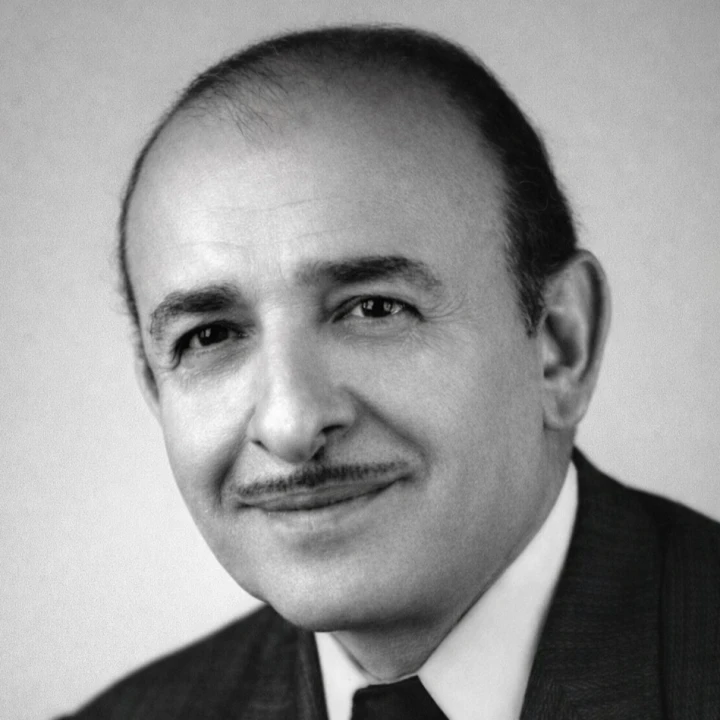
Victor Hugo Schiro served as Mayor of New Orleans from 1961 to 1970, leaving a mark on the city that is still visible today. His famous words – “If it’s good for New Orleans, I’m for it” – captured both his political philosophy and his deep personal connection to the community. That connection was rooted in his Italian heritage, which shaped his identity, his work ethic, and his commitment to public service in Louisiana.
Schiro was born into a Sicilian family in New Orleans, part of the vibrant Italian American community that had grown in the city since the late nineteenth century. Sicilian immigrants had transformed neighborhoods, built businesses, and contributed to the cultural fabric of Louisiana. Like many Italian American families, the Schiros valued hard work, faith, and civic responsibility. These values guided Victor Schiro throughout his career in law, business, and ultimately politics. His success symbolized the full integration and leadership of Italian Americans in Southern public life at a time when ethnic minorities were still fighting for recognition.
During his nine years as mayor, Schiro pursued an ambitious vision for modernizing New Orleans. One of his most significant urban initiatives was the widening of Poydras Street. This project reshaped the downtown corridor, opening the door to major commercial development. The revitalized Poydras Street later became home to landmark projects of the 1960s, most notably the Caesars Superdome, originally known as the Louisiana Superdome. The stadium would go on to become an international symbol of the city – hosting Super Bowls, concerts, and historic events – and stands as a testament to Schiro’s forward-thinking leadership.
Schiro’s administration also secured a transformative achievement in professional sports. During his term, the National Football League granted New Orleans a franchise, leading to the creation of the New Orleans Saints in 1967. Bringing an NFL team to Louisiana elevated the state’s national profile and strengthened civic pride. Football quickly became a unifying force across communities, reinforcing Schiro’s belief that what benefited New Orleans would ultimately benefit the entire state.
Beyond infrastructure and sports, Schiro’s tenure was marked by important social and economic milestones. In 1961, New Orleans public schools were peacefully integrated – a critical moment in the Civil Rights era. While tensions existed across the South, the city avoided the large-scale violence seen elsewhere, reflecting careful local leadership during a delicate transition.
In 1962, the Michoud Assembly Facility in eastern New Orleans was contracted to assemble components of the Apollo Moon Rocket, tying Louisiana to the nation’s space program. This development strengthened the state’s industrial base and connected New Orleans to America’s technological future.
When Hurricane Betsy struck in 1965, Schiro demonstrated political skill and determination. He persuaded President Lyndon B. Johnson to visit New Orleans the day after the storm and successfully lobbied for federal financial assistance for victims. His advocacy brought critical relief funds to Louisiana and underscored his effectiveness on the national stage.
Schiro also helped redefine tourism and Mardi Gras in the 1960s. The formation of the “super Krewes” – Bacchus, Tucks, and Endymion – expanded Carnival celebrations, attracting larger crowds and greater national attention. In 1966, Walt Disney honored Schiro by naming him honorary mayor of Disneyland’s New Orleans Square, a symbolic recognition of his role in promoting the city’s unique culture.
Victor Hugo Schiro’s legacy is therefore twofold: he was both a proud son of Italian immigrants and a transformative leader for Louisiana. His administration blended ethnic pride, civic vision, and practical achievement – qualities that continue to shape New Orleans today.
Nel 2026 We the Italians celebra Two Anniversaries One Heart, i 250 anni degli Stati Uniti e gli 80 anni della Reubblica Italiana. Questo articolo fa parte del progetto Happy Birthday USA: The Unsung Italian Heroes, in cui raccontiamo perchè in ogni angolo degli Stati Uniti qualcuno italiano ha lasciato un impatto positivo per il singolo territorio.
---
Come un sindaco italoamericano cambiò New Orleans per sempre
Victor Hugo Schiro fu sindaco di New Orleans dal 1961 al 1970, lasciando un segno sulla città ancora visibile oggi. La sua celebre frase – “If it’s good for New Orleans, I’m for it” (“Se è un bene per New Orleans, io sono a favore”) – riassumeva sia la sua filosofia politica sia il profondo legame personale con la comunità. Un legame radicato nelle sue origini italiane, che ne plasmarono l’identità, l’etica del lavoro e il senso del servizio pubblico in Louisiana.
Schiro nacque in una famiglia siciliana di New Orleans, parte della vivace comunità italoamericana cresciuta in città dalla fine dell’Ottocento. Gli immigrati siciliani avevano trasformato quartieri, creato attività commerciali e contribuito in modo determinante al tessuto culturale della Louisiana. Come molte famiglie italoamericane, anche i Schiro attribuivano grande valore al lavoro, alla fede e all’impegno civico. Questi principi guidarono Victor Schiro nella sua carriera di avvocato, imprenditore e infine uomo politico. Il suo successo rappresentò il pieno inserimento e la leadership degli italoamericani nella vita pubblica del Sud degli Stati Uniti, in un’epoca in cui molte minoranze etniche lottavano ancora per il riconoscimento.
Durante i suoi nove anni di mandato, Schiro portò avanti una visione ambiziosa di modernizzazione per New Orleans. Uno dei suoi interventi urbanistici più significativi fu l’ampliamento di Poydras Street, che trasformò il centro cittadino e aprì la strada a importanti sviluppi economici. La rinnovata arteria divenne sede di grandi progetti degli anni Sessanta, tra cui il celebre Caesars Superdome, originariamente noto come Louisiana Superdome. Lo stadio sarebbe poi diventato un simbolo internazionale della città, ospitando Super Bowl, concerti ed eventi storici – una testimonianza concreta della lungimiranza di Schiro.
La sua amministrazione ottenne anche un risultato decisivo nel campo dello sport professionistico. Durante il suo mandato, la National Football League assegnò a New Orleans una franchigia, portando alla nascita dei New Orleans Saints nel 1967. L’arrivo di una squadra NFL accrebbe il prestigio della Louisiana a livello nazionale e rafforzò l’orgoglio civico. Il football divenne presto un elemento di unione per la comunità, incarnando la convinzione di Schiro che ciò che è positivo per New Orleans lo sia per l’intero Stato.
Oltre alle infrastrutture e allo sport, il suo mandato fu segnato da importanti traguardi sociali ed economici. Nel 1961 le scuole pubbliche di New Orleans furono integrate pacificamente, in un momento cruciale dell’epoca dei diritti civili. Pur in un clima di tensione diffuso nel Sud, la città evitò le gravi violenze viste altrove, grazie anche a una gestione attenta della transizione.
Nel 1962 il Michoud Assembly Facility ottenne il contratto per assemblare componenti del razzo lunare Apollo, collegando la Louisiana al programma spaziale americano e rafforzandone la base industriale.
Quando l’uragano Betsy colpì la città nel 1965, Schiro dimostrò determinazione e abilità politica. Convincendo il presidente Lyndon B. Johnson a visitare New Orleans il giorno successivo alla tempesta, riuscì a ottenere aiuti federali per le vittime, garantendo sostegno concreto alla popolazione colpita.
Schiro contribuì anche a ridefinire il turismo e il Mardi Gras negli anni Sessanta. La nascita delle “super Krewes” – Bacchus, Tucks ed Endymion – ampliò le celebrazioni del Carnevale, attirando un pubblico sempre più vasto. Nel 1966 Walt Disney lo nominò sindaco onorario della New Orleans Square di Disneyland, riconoscendo simbolicamente il suo ruolo nella promozione della cultura unica della città.
L’eredità di Victor Hugo Schiro è dunque duplice: figlio orgoglioso di immigrati italiani e leader capace di trasformare la Louisiana. La sua amministrazione seppe coniugare orgoglio etnico, visione civica e risultati concreti – qualità che ancora oggi definiscono il volto di New Orleans.