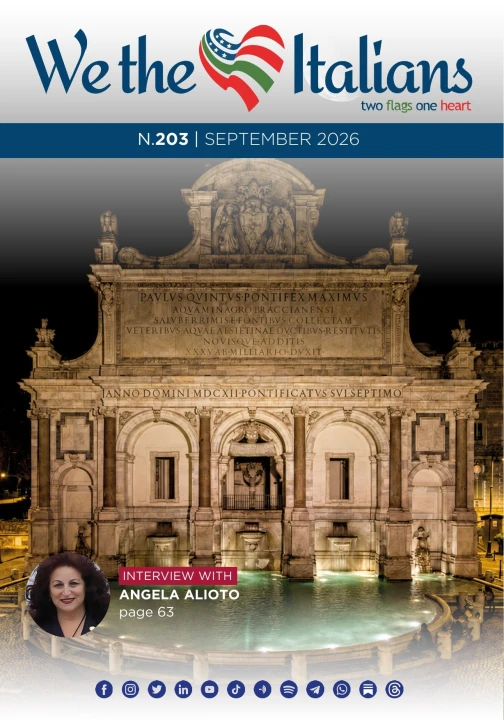

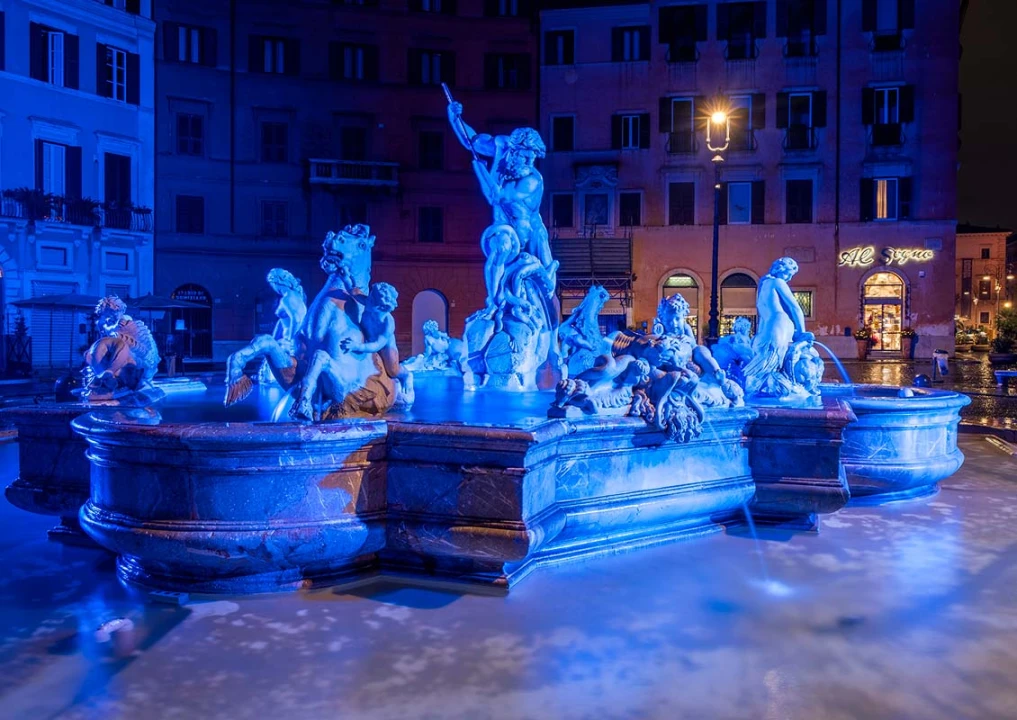

Rome has more than 3,000 fountains and drinking fountains.no other place in the world has more than the Eternal city. This is a pretty interesting distinction. The fountain system works at several levels at once: monumental displays use recirculated non-drinking water, while the city’s familiar public drinking fountains – the nasoni – provide potable water around the clock. In the historic center alone, Rome counts more than 200 nasoni, alongside 90 artistic fountains and drinking fountains.
The name nasone means “big nose,” a reference to the curved metal spout. The standard model runs continuously, releasing fresh water into a street-level drain. It also has a small hole on top of the spout. Covering the main outlet with a finger redirects the stream upward, making it easier to drink without placing your mouth on the metal.
In a 2024 announcement, Rome claimed more 2,800 nasoni and more than 3,000 drinking fountains across the city. The figures are not necessarily contradictory: one describes the iconic nasoni, while the other includes the wider network of public fountains. In 2024, the 150th anniversary of the first cast-iron nasoni, three more were installed near the Colosseum.
Water quality is the point of the system. The water flowing from nasoni is the same potable water supplied to Roman households. This makes the network a public alternative to single-use plastic bottles. Its Waidy Wow app maps water points. Newer designs can use timed taps to reduce unnecessary flow.
The monumental fountains operate differently. Their pools are supplied with non-potable water and use recirculation systems designed to protect the monuments and limit consumption. Trevi is the best example of how old infrastructure and modern control work together. It receives water from the Aqua Virgo, an aqueduct whose route extends about 20 kilometers to the fountain. The water is non-potable because of the age of the structure and infiltration along the way, but it remains in active use for Trevi and other urban purposes.
Behind Trevi’s spectacle, two electric pumps recycle 126 liters of water per second. The rate is precise because the fountain’s movement depends on it: too much or too little changes the intended flow around the sculpture. This is also where Rome has a formal global record. Guinness World Records lists Trevi as the world’s largest Baroque sculpture, measuring 26.3 meters high and 49.15 meters wide. The distinction matters. Trevi’s record is certified; Rome’s wider fountain supremacy is a persuasive, widely repeated civic claim supported by exceptional local numbers.
Other fountains demonstrate the same water-first logic. The Acqua Paola fountain on the Janiculum (or “Er Fontanone” as the Romans call it) holds 150 cubic meters of water, runs entirely on recirculation, and has a flow of about 117 liters per second. Acea manages the reservoirs and treatment systems for nine of Rome’s artistic and monumental fountains, while LED upgrades at Acqua Paola, the Fountain of Moses, and the Fountain of the Naiads have reduced the visual infrastructure’s energy demands.
Rome’s real water record is therefore not a single trophy. It is an urban system in which a 150-year-old drinking fountain, a 20-kilometer aqueduct route, a 126-liter-per-second recycling circuit, and more than 3,000 public water points all coexist. The city has made water visible, usable, and measurable. That may be the most remarkable record of all.