The recent reform of Italy’s dual citizenship law has upended the rules determining whether people of Italian descent around the world have the right to call themselves Italian. As those familiar with We the Italians know, while fully respecting the law, we believe that anyone with Italian blood and DNA has every right to feel Italian and define themselves as Italian.
Anyone who thinks this is merely a legal matter is profoundly mistaken. Today’s interview explores one of its most important and moving dimensions. Genealogical research requires hard work, perseverance, faith, and curiosity. It often leads through churches, parishes, and archives in small towns that safeguard treasures of immense spiritual, familial, historical, anthropological, and cultural value.
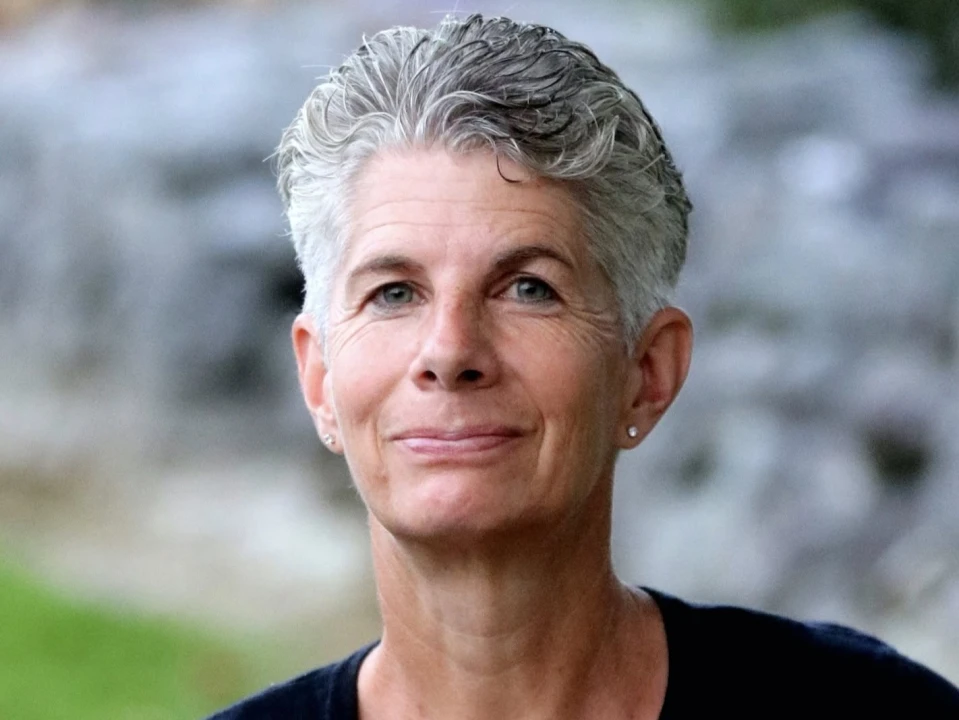
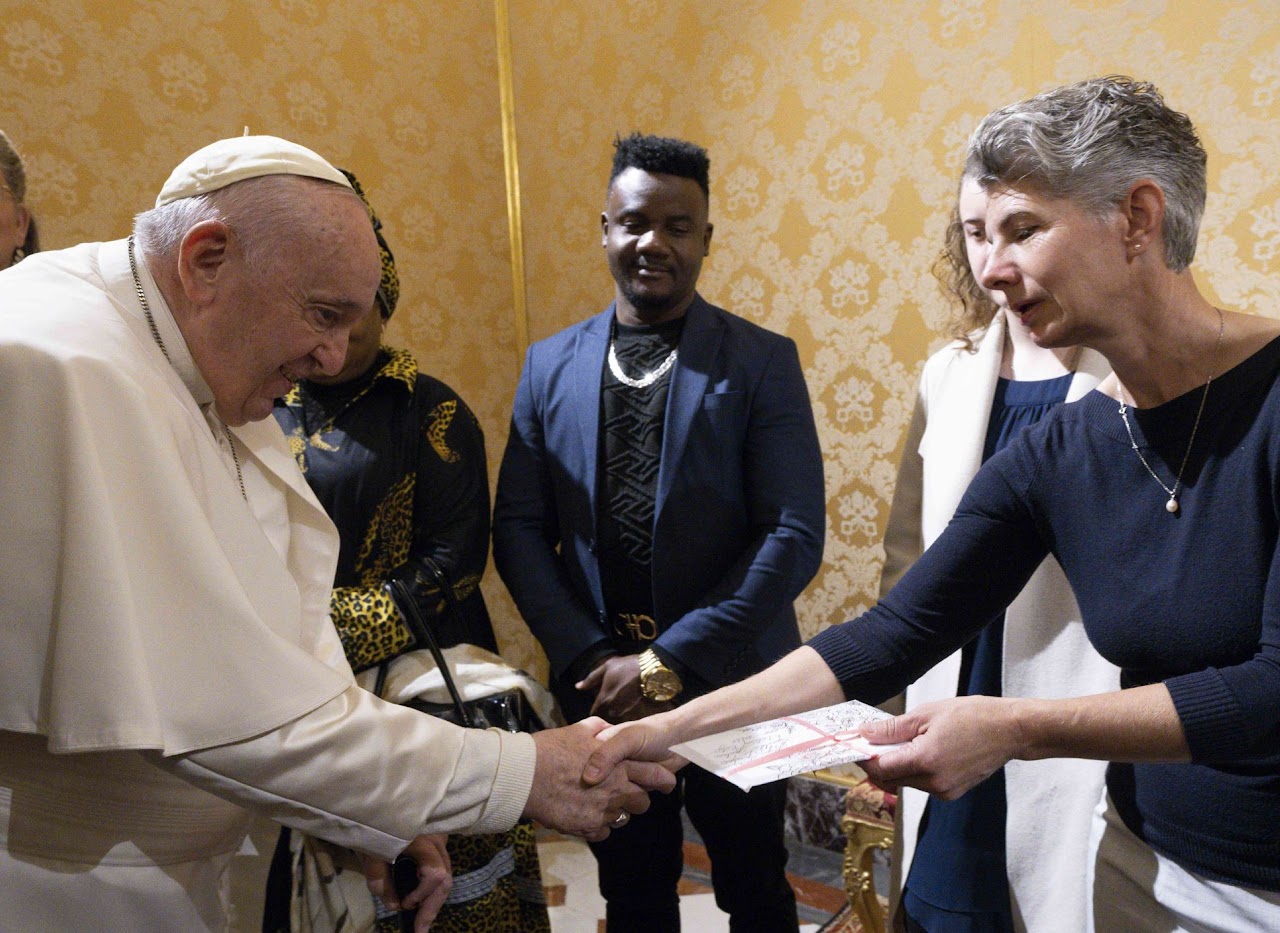
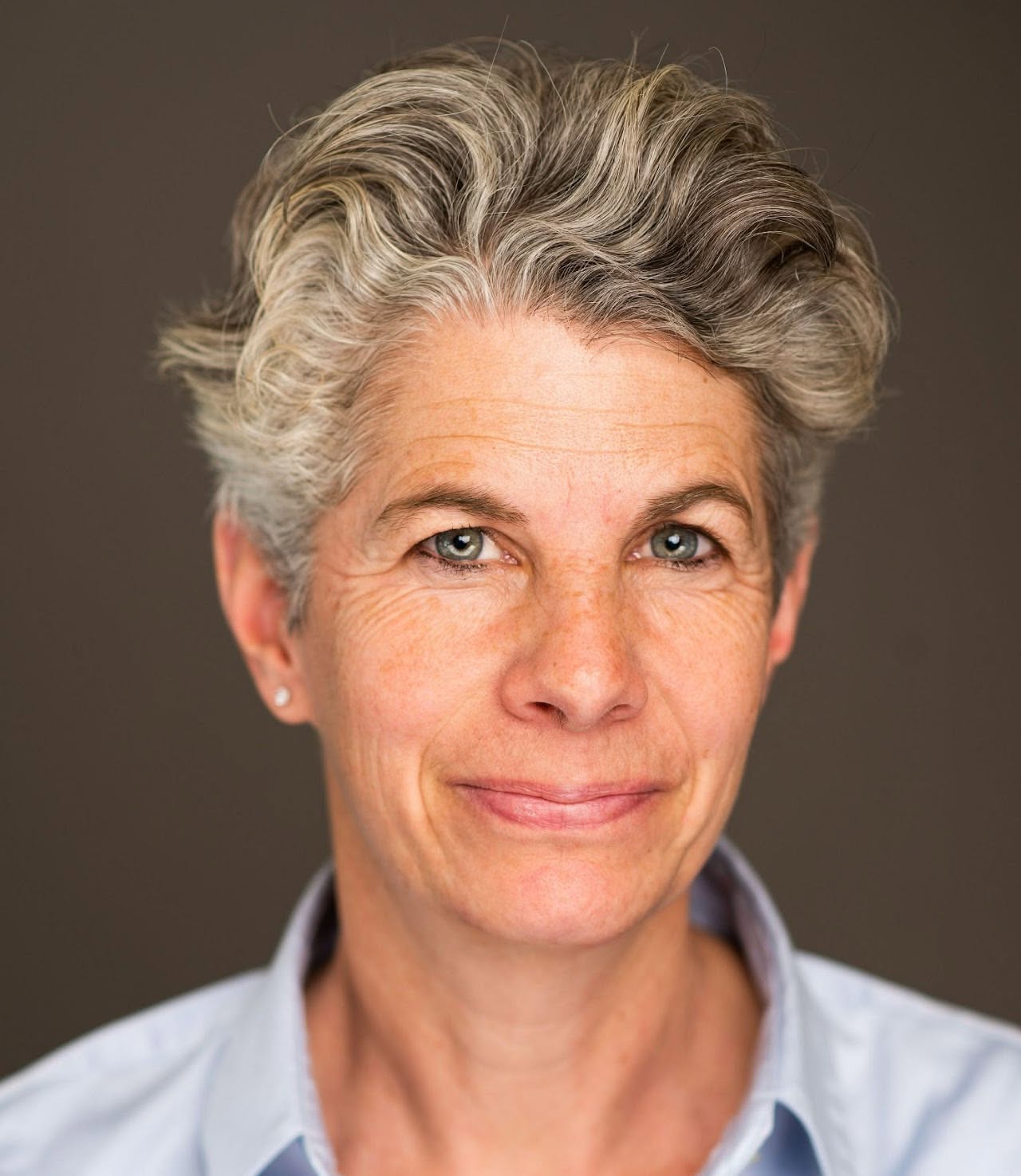
We agree with Suzanne Greco, founder of the Italian Parish Records project: this is “a matter of fundamental human rights, beginning with every person’s right to know their origins.” We thank Suzanne for everything she does and warmly welcome her to We the Italians.
Suzanne, what town or region of Italy does your family come from, and how much did researching your own family history contribute to the creation of Italian Parish Records?
Great question, Umberto! My roots are actually spread across a few different regions - Naples and the Campania area, and lines stretching further North that I am actually still working to uncover today. And researching those very lines is exactly what birthed Italian Parish Records.
I had reached a point where I had indexed all the civil records for two towns, and was beginning a third, and naturally, the next step was to dive into the parish records. But when I tried to access them, they simply weren't available. I was completely baffled. I had already researched some of my French ancestors, and all of their Catholic parish records were easily accessible online. I couldn't understand why the same types of records were essentially locked away in Italy. It just didn't make sense.
I started doing research, making phone calls, sending out emails, and trying to find a way in. And time and time again, I was met with closed doors and people telling me, 'You can't do that.'
Well, if there is one thing you shouldn't tell someone who is looking for their family, it’s that it can’t be done. That resistance was the spark. I realized that if I was facing this wall, thousands of other people were facing it, too. So, I founded the non-profit Italian Parish Records to break down those barriers and push for the preservation and accessibility of these records for everyone.
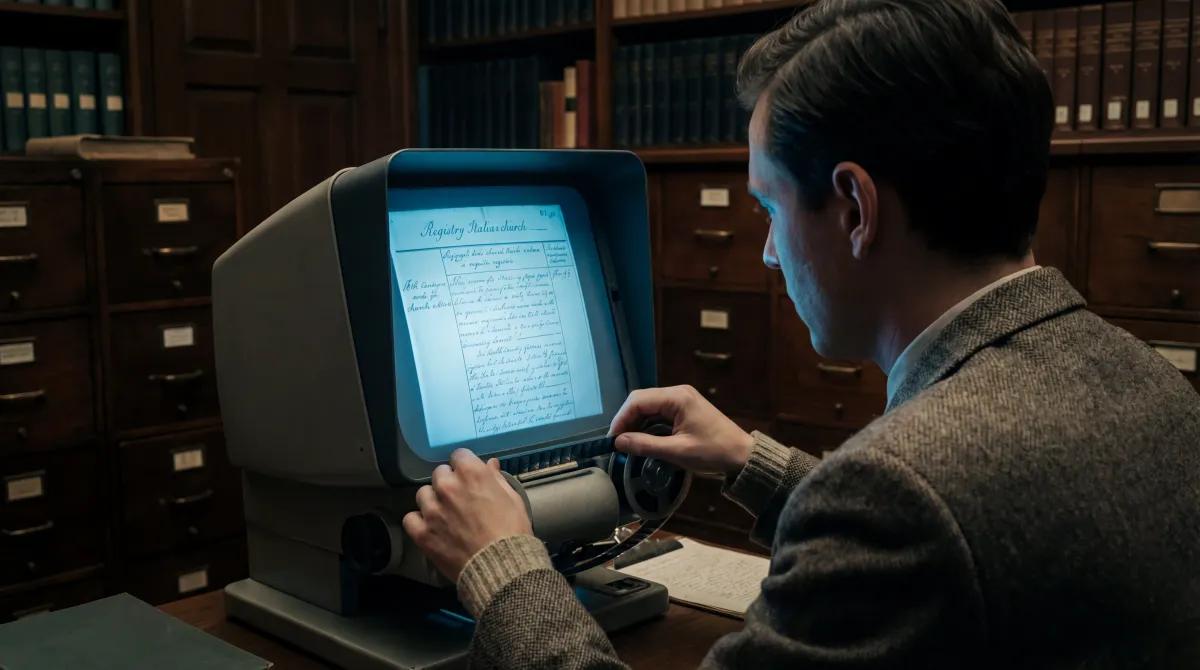
What inspired me most was a single, profound moment. After years of waiting, I was finally sitting there, viewing and indexing the parish records.
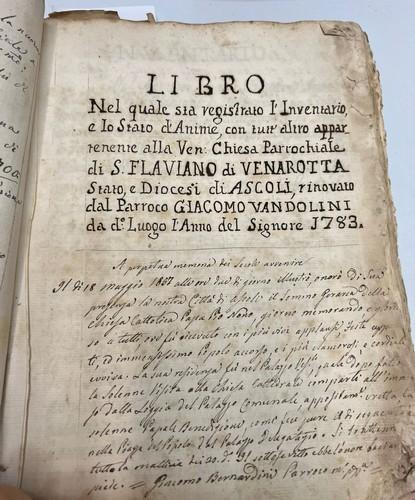
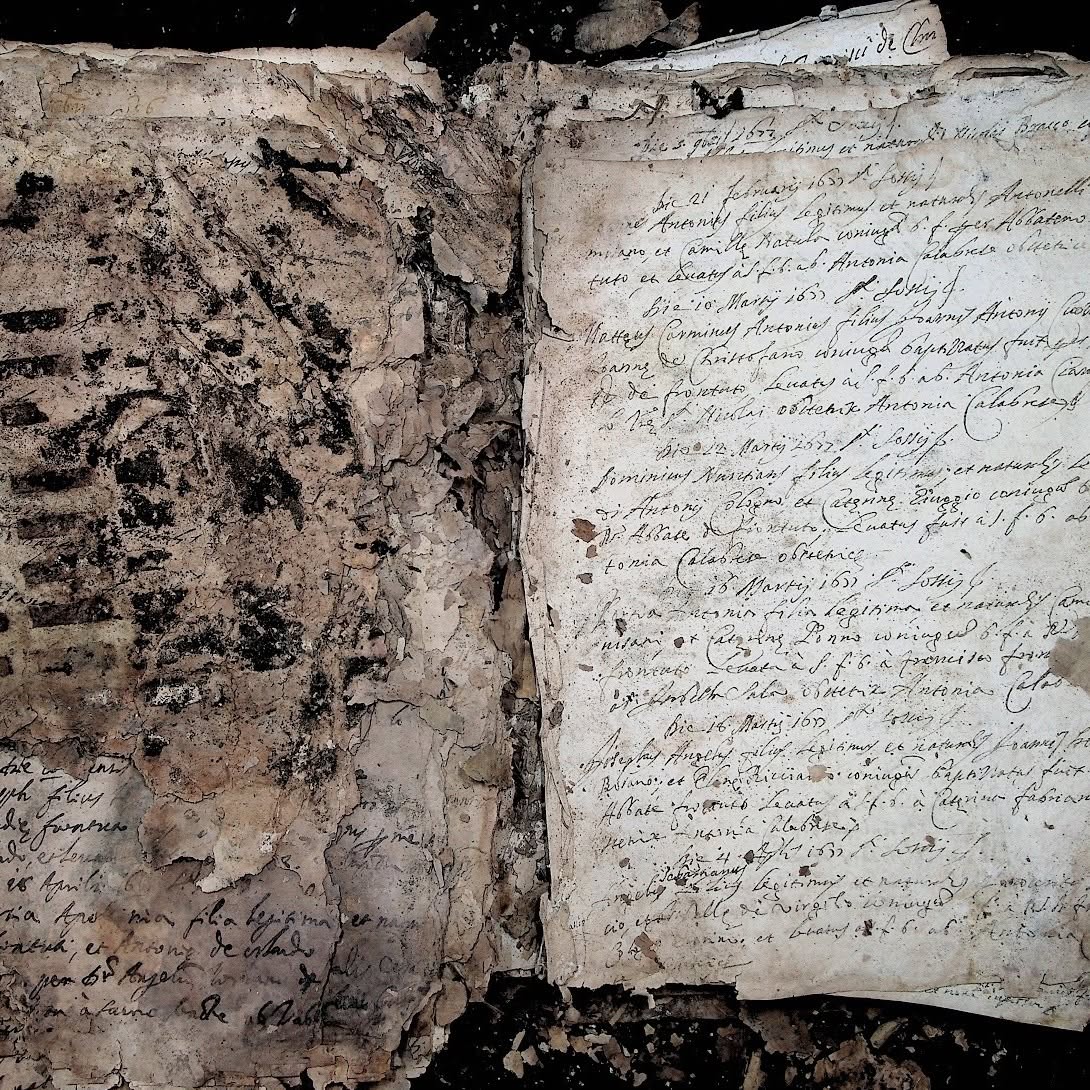
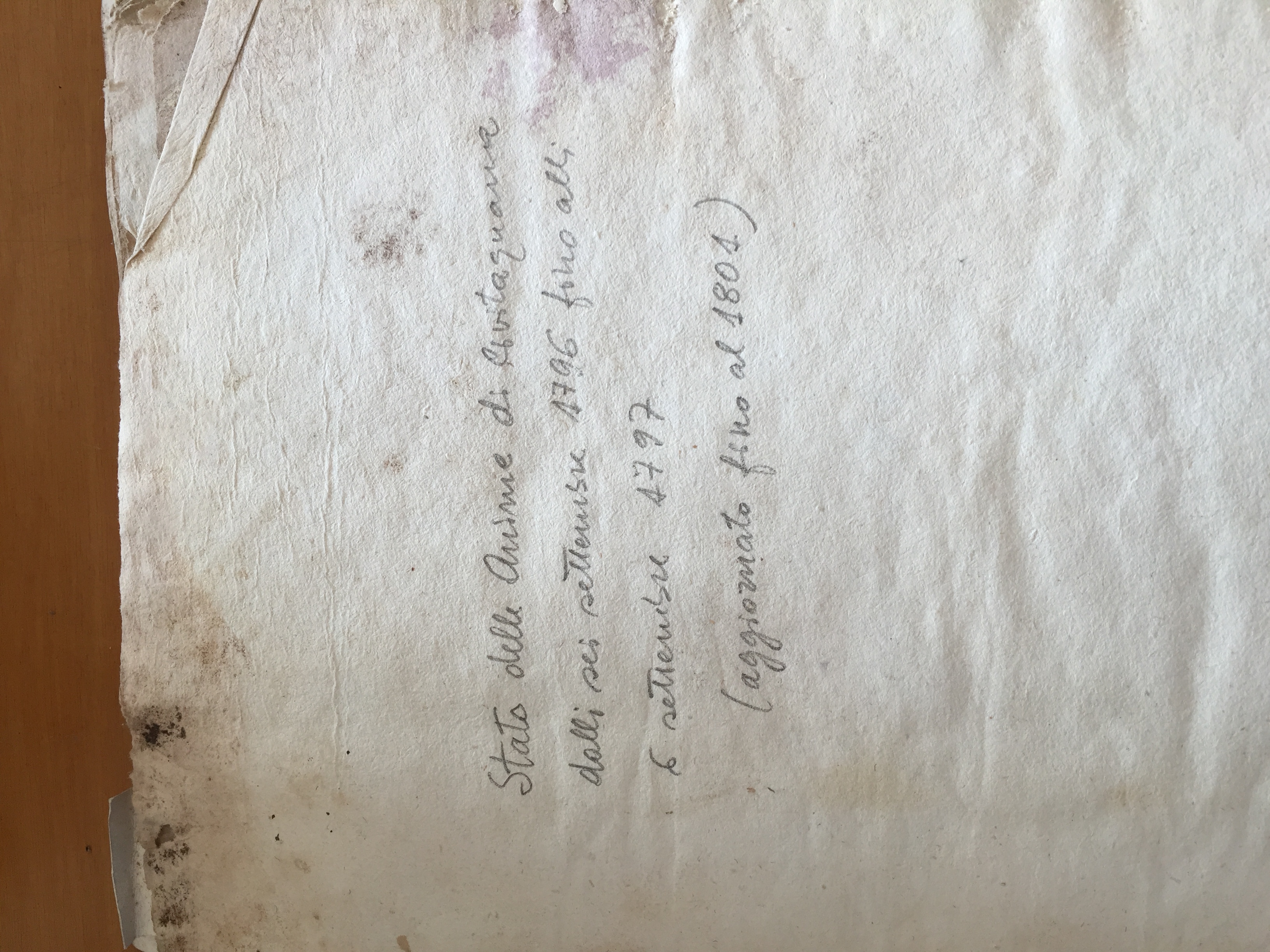
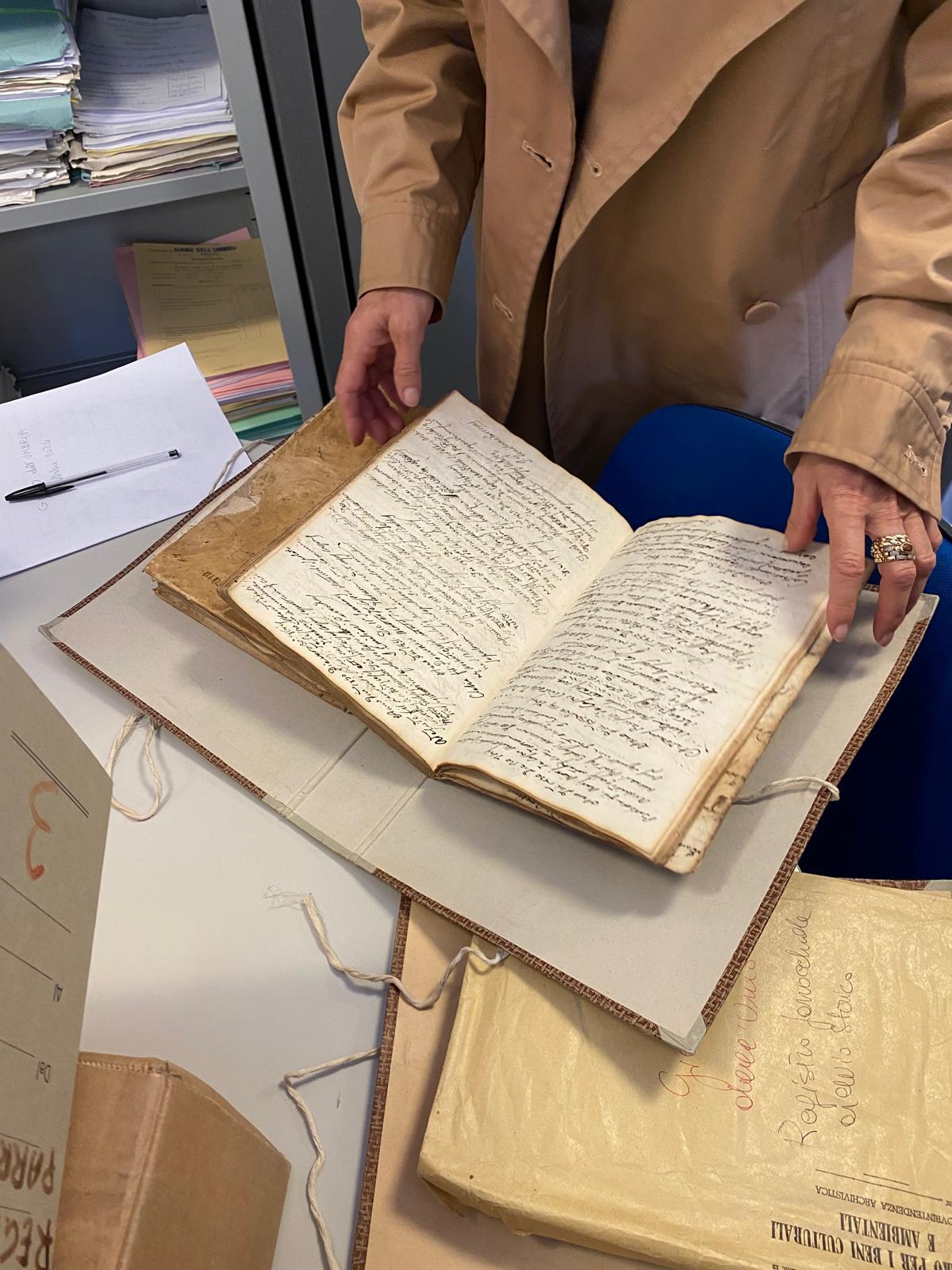
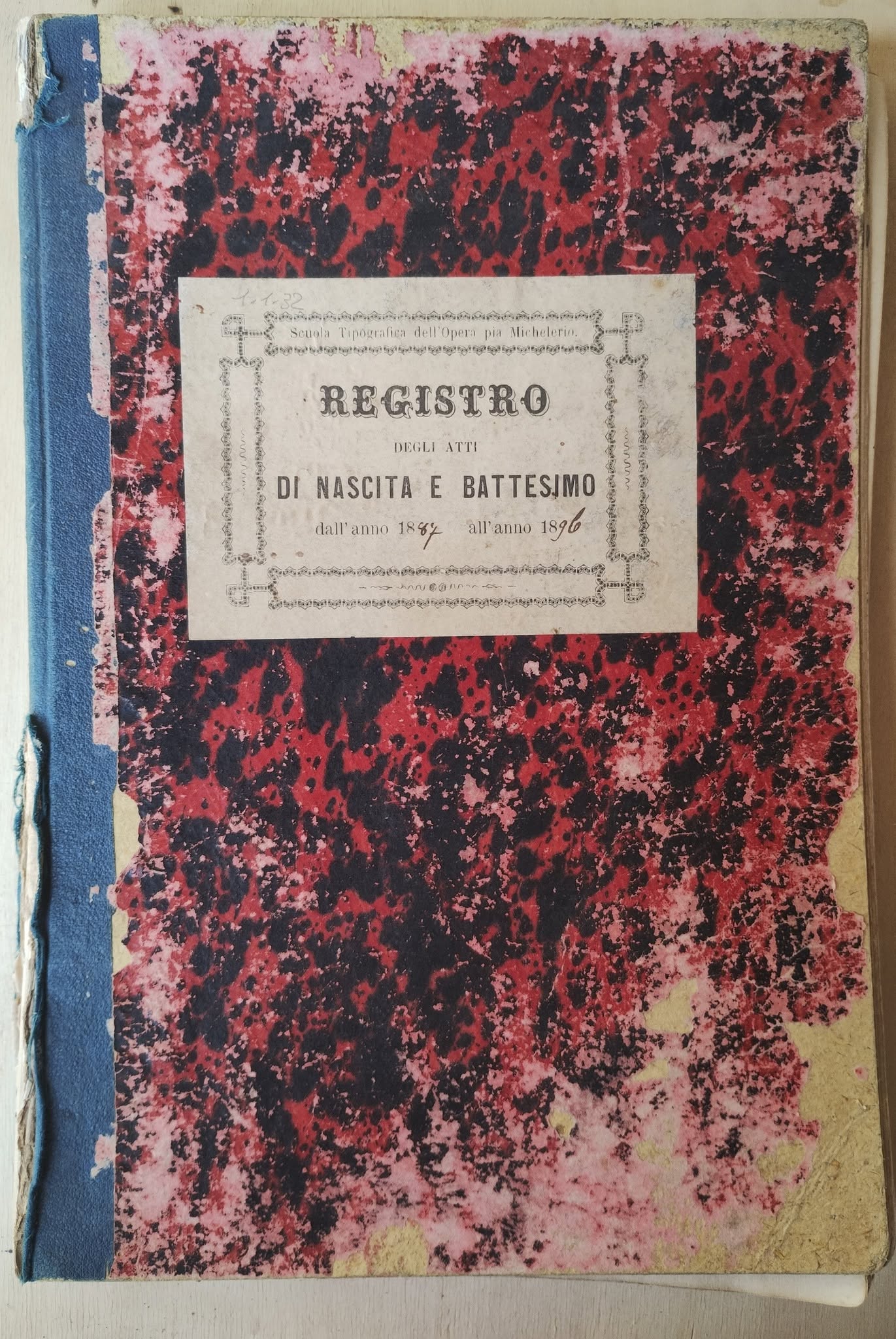
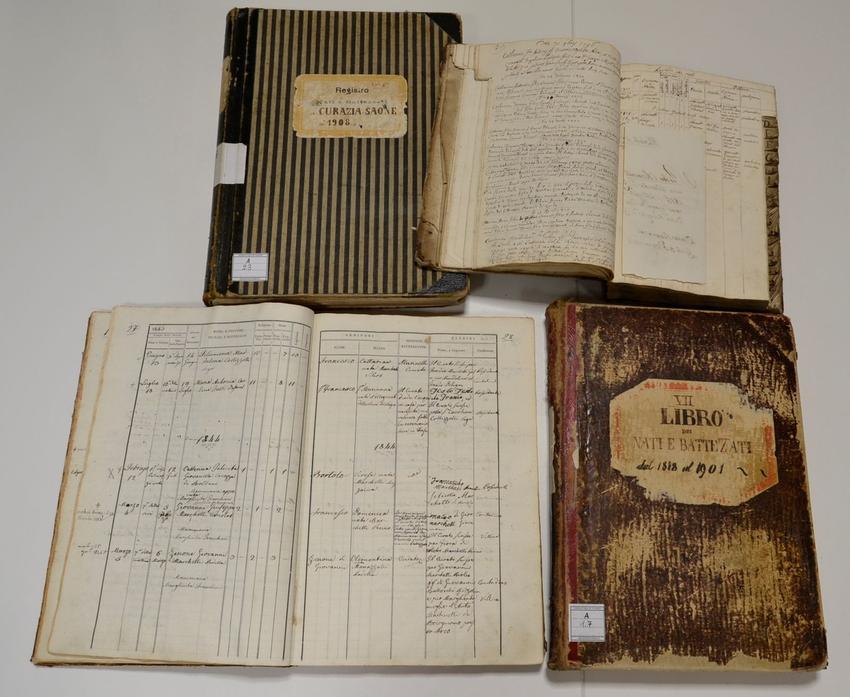
As I looked at the individual records and pages, I saw how severely damaged the books were. The paper was literally disintegrating in front of my eyes. I felt this intense, personal connection to the people on those pages, and a heavy realization that their names and histories were vanishing daily. Knowing that their identities were on the verge of being lost forever didn't just touch me deeply - it made me quite angry.
There is a quote attributed to Saint Augustine that says: “Hope has two beautiful daughters. Their names are anger and courage: anger at the way things are, and courage to see that they do not remain the way they are.”
That is exactly how I operate. These were people who lived, loved, and gave so much to a Church they cherished. To see their records crumbling to dust, and their names kept inaccessible to their descendants, felt like a profound injustice. That anger gave me the courage to step in and do something about it.
What has been the most surprising discovery you have made in more than 25 years of genealogical research?
It isn't a specific historical fact or a famous ancestor. It is the profound, almost unexplainable emotional bond I feel when I work with these people through the records.
When I look at the actual ink on the page - when I am witnessing their births, their marriages, and their deaths - they cease to be just names and dates. I feel like I am right there with them. I feel like I am standing beside them in the most pivotal, vulnerable moments of their lives. That connection has a powerful hold on me that is hard to put into words. It transcends time, it transcends geography, and it reminds me that we aren't just preserving paper; we are sitting with our ancestors and ensuring their lives are never forgotten.
Why are parish records so essential for reconstructing a family’s origins, and what information can they reveal that is often missing from civil records?
Italian Catholic parish records are widely considered the holy grail of Italian genealogy, and for very good reason.
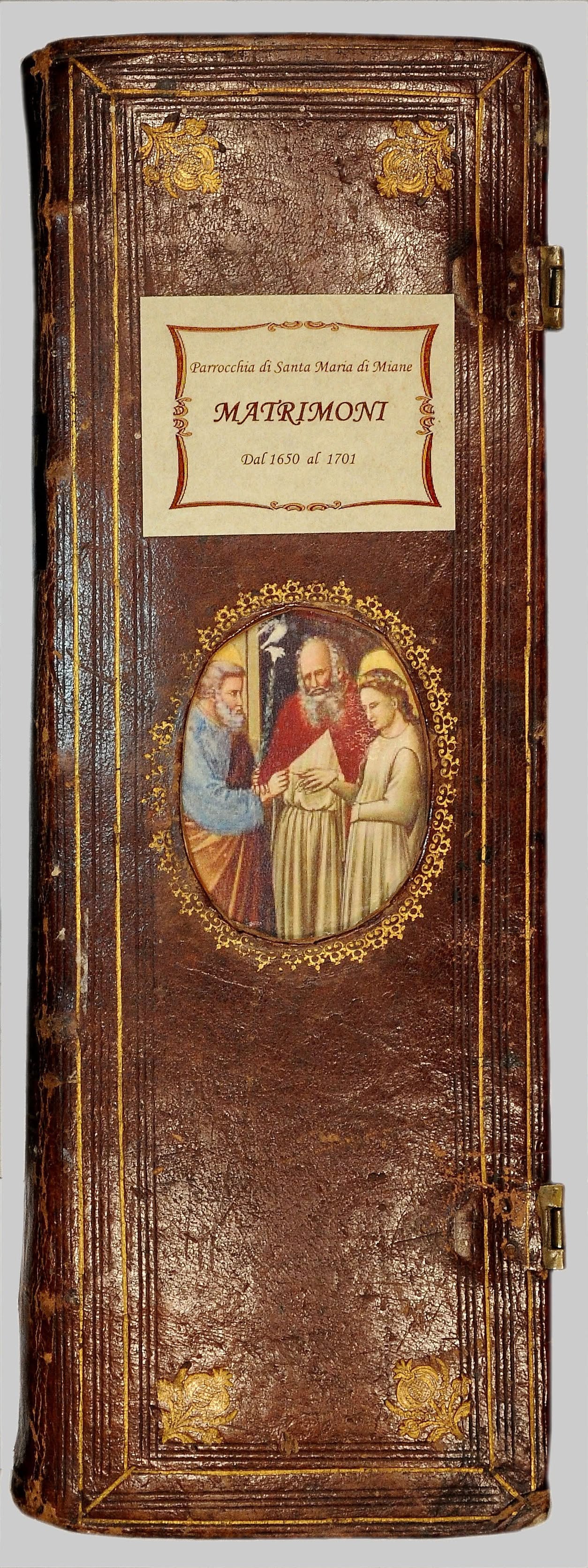
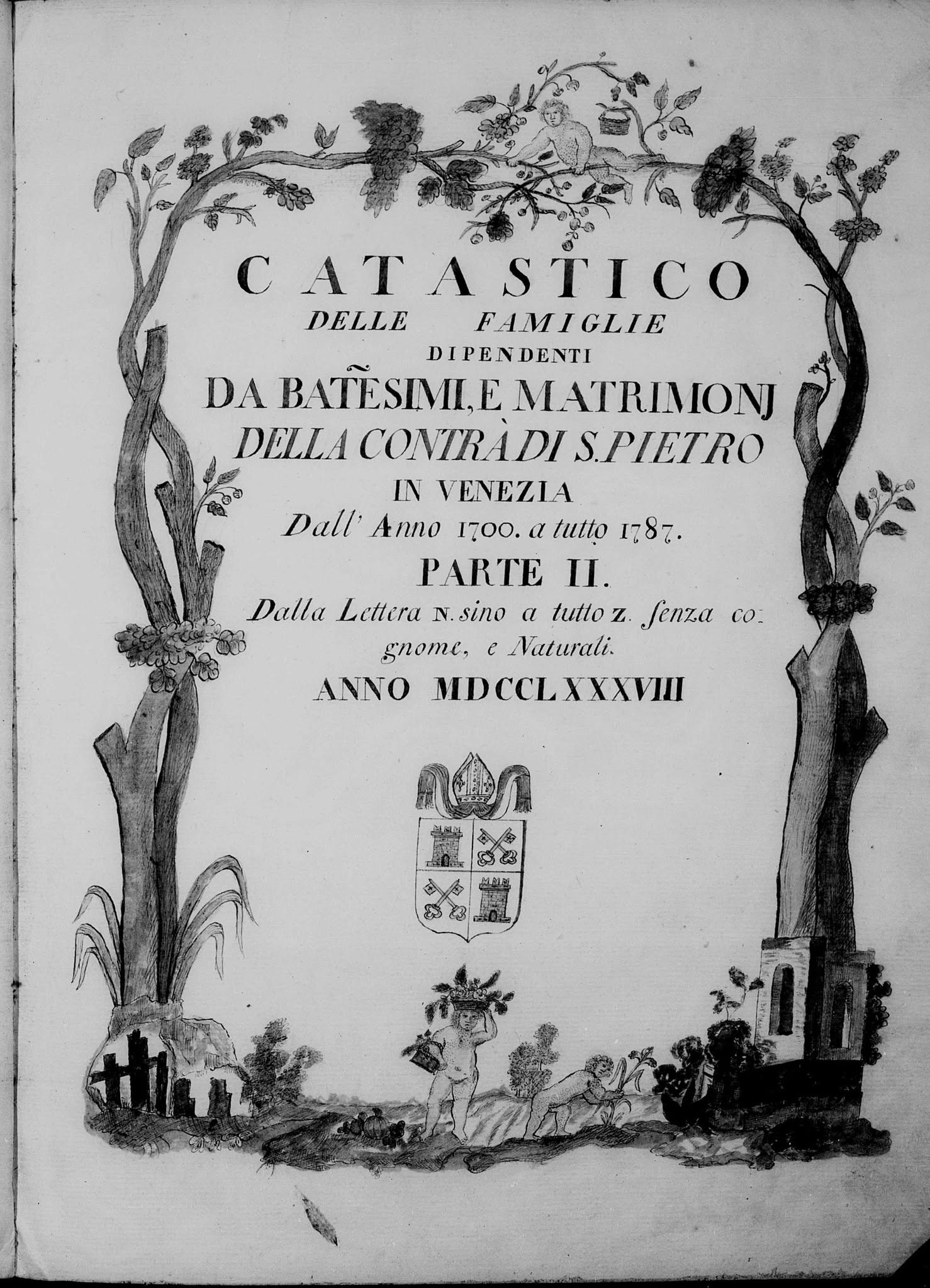
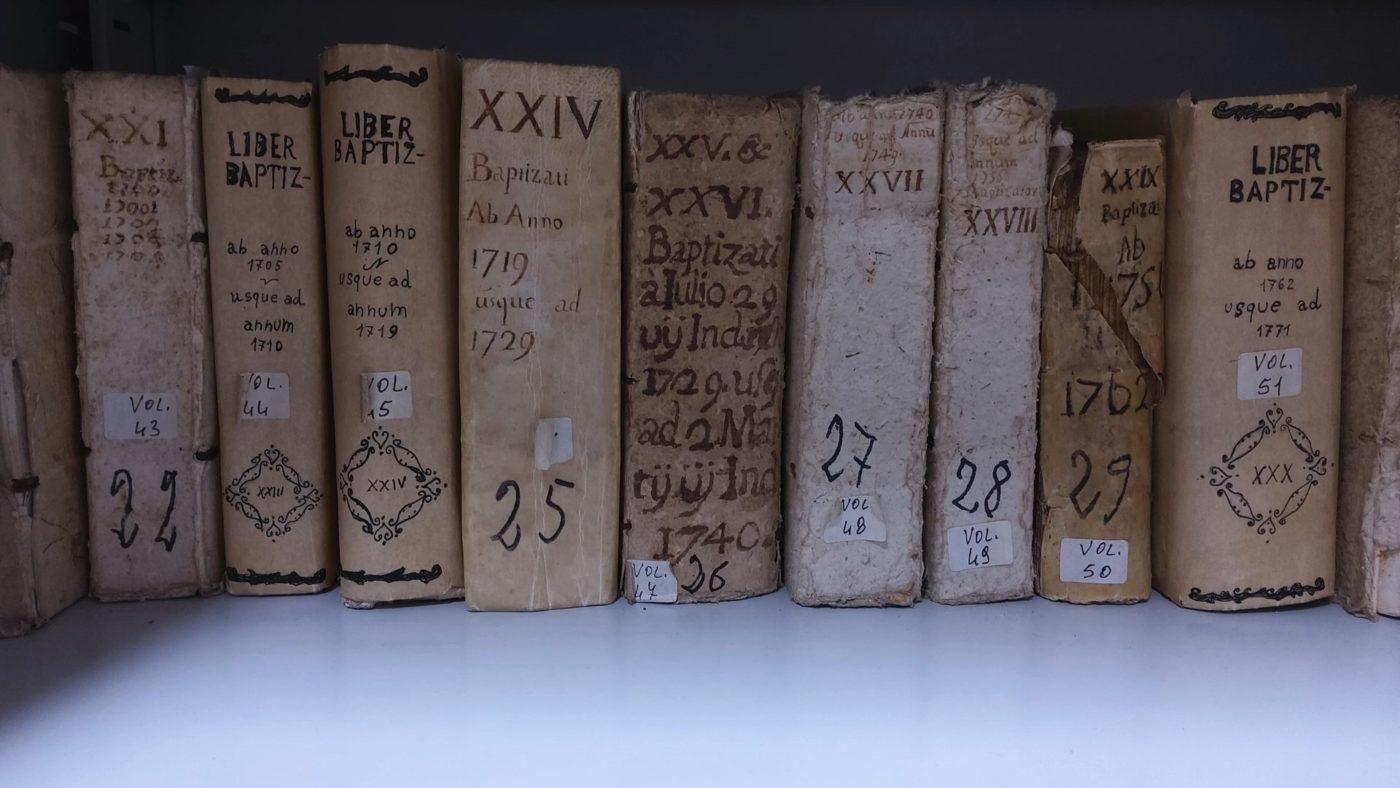
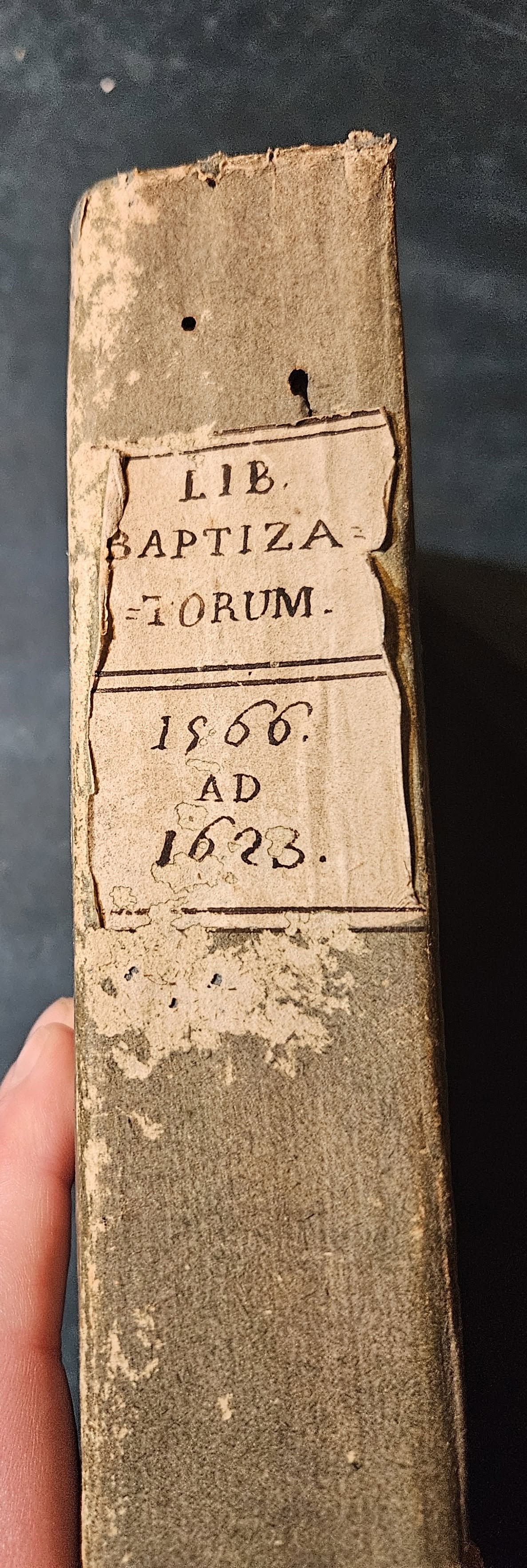
Italian civil records are incredibly detailed, but they have a hard stop. They generally began in the early 1800s during the Napoleonic era, or in 1866 after Unification. If you want to trace your family before the 19th century, civil records simply do not exist. But because of the Council of Trent in the 1500s, the Church mandated that priests keep logs of baptisms, marriages, and deaths. So, parish records are literally a time machine that allows us to trace our families back hundreds of years before the government ever started tracking citizens.
But it isn't just about age; it is about the human element. Civil records give you a clean, legal framework, but parish records capture the actual spiritual and social fabric of a community.
For example, a parish baptismal record lists the godparents - who in traditional Italian society were almost always close family. Tracking those godparents is often the only way to break down a research brick wall.
Priests also knew their parishioners intimately. When half the town shared the same surname, the priest would record their local nicknames and aliases, which is crucial for telling families apart. They also created something called the 'State of Souls.' Around Easter, priests would go through the parish and record everyone living in a single household. It gives you a beautiful snapshot of the entire family unit living under one roof, including in-laws and maybe orphaned nieces and nephews.
My absolute favorite hidden gems are marriage dispensations. In these small, isolated villages, people sometimes married distant cousins. To do that, they had to apply to the bishop for permission. Those dispensation records often contain actual, hand-drawn family trees proving exactly how the bride and groom were related, sometimes mapping out three or four generations in a single document!
Ultimately, civil records give you the legal outline of your family tree. But the parish records give you the deep roots and provide more insights into the actual soul of your ancestors.
Based on your experience, are there significant differences among Italy’s regions in terms of record preservation and the challenges faced by genealogists and researchers?
Yes, absolutely. In fact, the disparities between regions can be massive and, honestly, incredibly frustrating.
The landscape of Italian Catholic records is entirely decentralized. Because each diocese - and often each parish - operates autonomously with its own archives, there is no universal rule. Your experience as a researcher can range from effortless online browsing to hitting an absolute, impenetrable brick wall.
A few pioneers are setting a gold standard. In the North, dioceses like Bolzano and Vicenza have made great efforts to preserve and digitize their records. Down in the South, the diocese of Reggio Calabria-Bova is a shining beacon. They have digitized a massive collection of parish records and made them freely searchable online, allowing people to bypass the usual bureaucratic hurdles. And in Sicily, the dioceses of Agrigento are available online. For the millions of descendants whose ancestors emigrated from Sicily in the late 19th and early 20th centuries, this access is an absolute lifeline.
But here is the harsh reality: those are the exceptions.
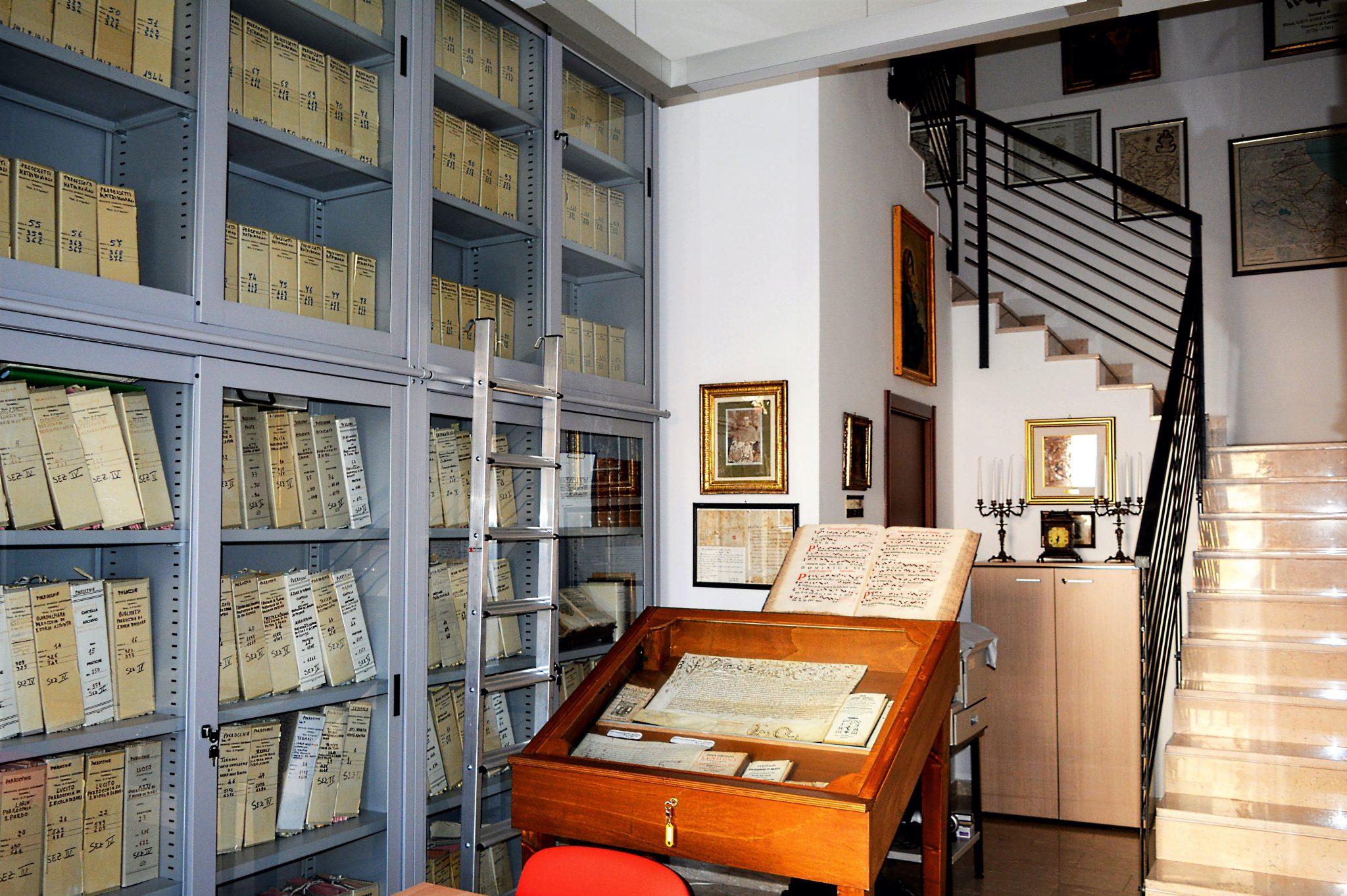
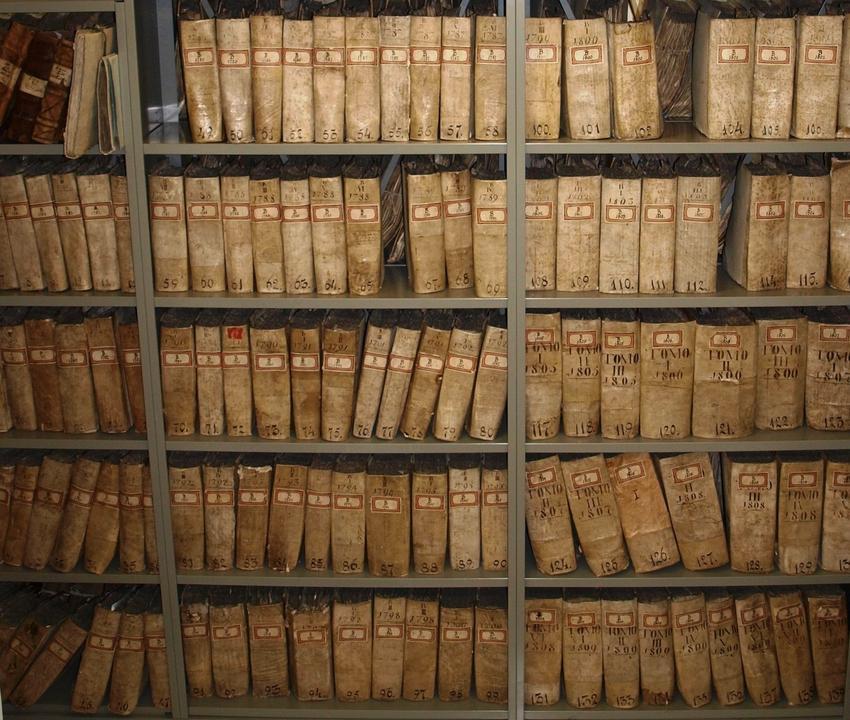
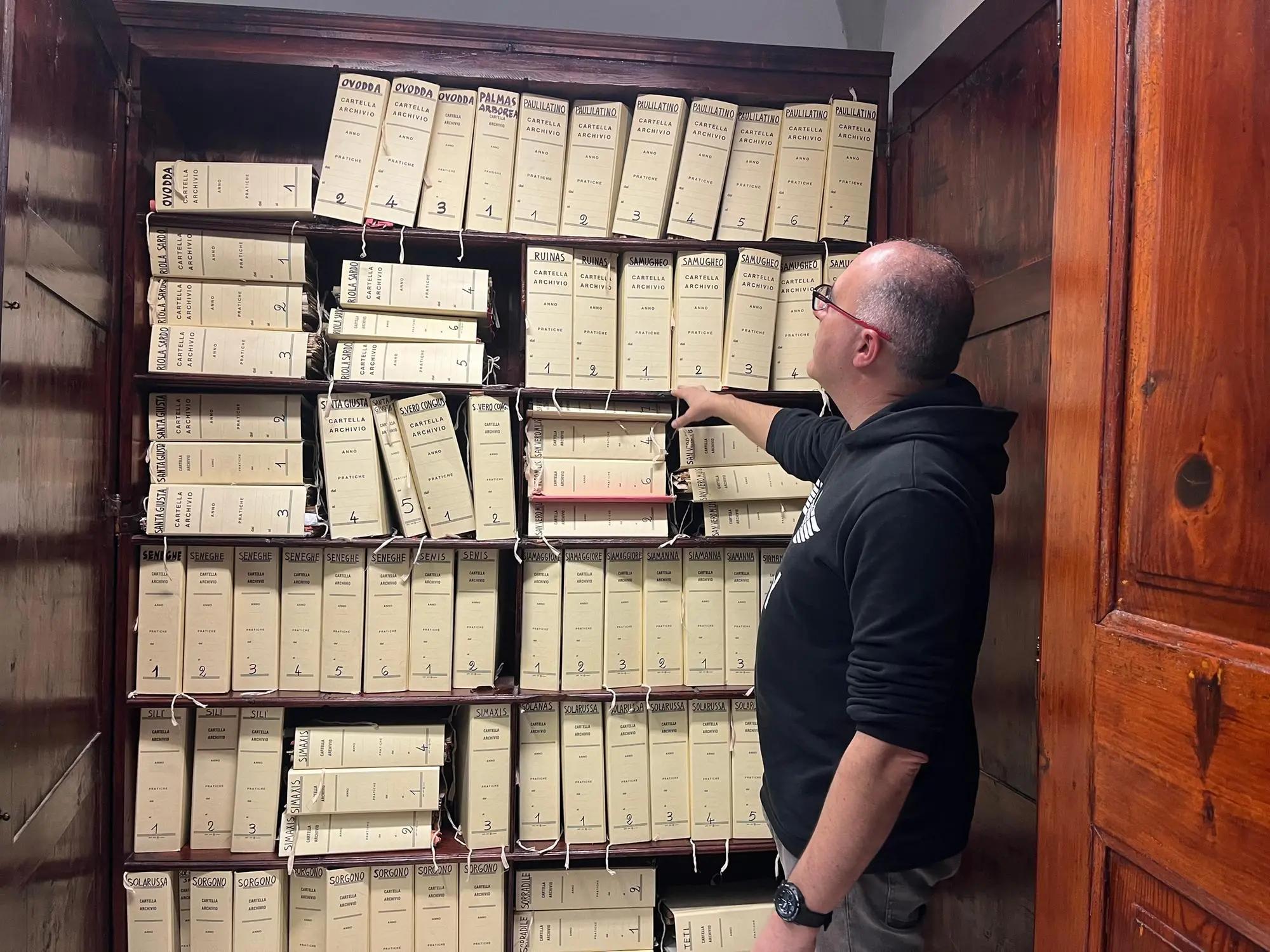
The vast majority of dioceses across all regions of Italy have done very little in terms of digitization or creating online access. In far too many towns, these priceless records are just sitting in damp parish storage units or disorganized archives.
To give you an example of how localized this is, look at Calabria. While Reggio Calabria is doing excellent work, researchers like Francesco Fullone have pointed out that the rest of the region presents a massive challenge. In many rural Calabrian parishes, there is a tragic history of registers being neglected, lost, or dispersed. We are talking about centuries of human history that have simply vanished due to poor church stewardship and archival management.
So, it really is a lottery based on where your ancestors happened to live. And that massive disparity - that geographic lottery - is exactly why we have to push for universal preservation before more of these records are lost to time.
How do church records help reconstruct the migration chains that connected specific Italian towns with particular neighborhoods and communities in the United States?
This is actually one of the most exciting aspects of this research, because church records act as a literal bridge between the Old World and the New World.
When our ancestors arrived in the US, American civil records - like early censuses - often just listed their birthplace as 'Italy.' But if you look at a US Catholic parish register, the priest frequently wrote down the exact Italian village they came from.
But what is even more amazing is that these records reveal a two-way street. There was an incredible system of cross-border communication between parishes. If an Italian immigrant got married in an American church, that US parish would sometimes send a notification all the way back to the priest in their original Italian hometown. That creates a direct, documented paper trail linking a specific street corner in America to a tiny village in Italy - something civil records seldom do! You even see return migration, where children born in the US suddenly appear in Italian parish registers because they traveled back to their parents' hometown to marry.
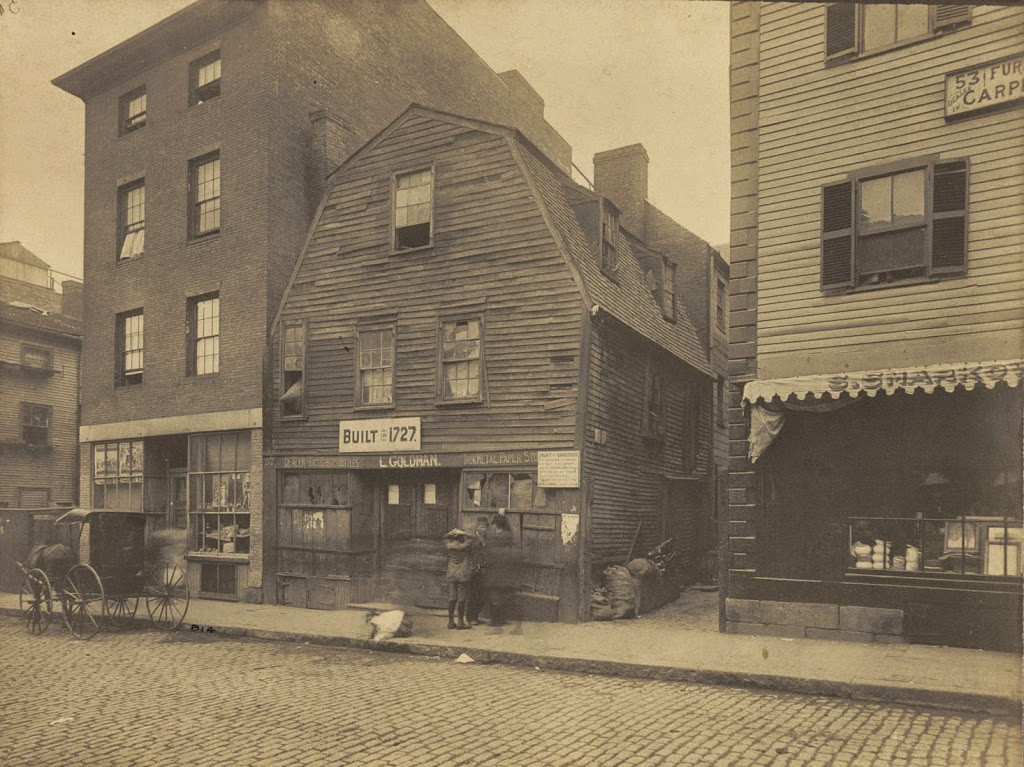
I actually saw this unfold firsthand. Two relatives who were pioneer immigrants crossed the ocean and established a foothold in Boston, right around the North Square and Prince Street area. Over the next two decades, one of them acted as an anchor. He sponsored his nephews and brought them over one by one.
By accessing the parish records in that specific Boston neighborhood and cross-referencing them with the parish records back in their hometown, I found notifications linking the two churches. It allowed me to map out cool pictures of the migration chain. It wasn't just a list of names anymore; it was a map of several families' journey, showing how they transplanted and rebuilt their community across the ocean.
Is there a story about an Italian American who, thanks to the work of Italian Parish Records, was able to rediscover their origins or uncover a particularly meaningful family connection?
There are so many incredible stories, but there is one message I received not too long ago from a devoted, long-time patron that has touched my heart.
As I mentioned earlier, pushing for the preservation and accessibility of these records can feel like an uphill battle. It can be exhausting. But this patron reached out to me and said: “I would bet at times you might think it is a lonely pursuit, but there are many of us behind you, even if we do it quietly. Thank you for helping the people I’ve directed to you over the years. I want you to know that in March, I won my case in Italian court, and I am now in the final process of getting my Italian citizenship.”
When I read that, I was incredibly moved. Because that is the real-world impact of what we are doing. Without access to these specific parish records, many Italian Americans simply cannot prove their lineage to claim dual citizenship.
For this man and his family, and for so many others, finding these records isn't just about filling in a blank space on a family tree. It is about reclaiming their birthright. It enables them to reconnect with their ancestral towns and walk those streets not as tourists, but as recognized Italians. It keeps those ancestral connections alive in a profound, tangible way that absolutely nothing else can.
How does the process of digitizing and indexing ancient records actually work, especially when the documents are written in Latin or in handwriting that is difficult to interpret?
It is a monumental task, and honestly, it is a process that bridges modern technology with just an incredible amount of human dedication. It really happens in two vital phases.
The first step is simply getting the records captured and hosted online. We host links and collections of digital images that have been generously donated or provided by our partners and patrons. These are people and organizations on the ground who are carefully photographing these fragile, centuries-old pages so we can protect them and make them accessible worldwide.
But having a high-resolution photo of a document is only half the battle. If you are staring at a 400-year-old page written in faded, heavily abbreviated Latin, it can look like an entirely different language and be incredibly intimidating.
This is where the true magic happens. And I say 'magic' because this is not a task you can just hand over to a computer to automate. It relies entirely on our network of passionate human volunteers.
Usually, what happens is a volunteer will start by indexing the more modern civil records for a specific town. By doing that meticulous work, they learn the town’s recurring surnames, the local geography, and the naming conventions inside and out. Once they know the families of a town that intimately, they transition to the ancient parish records. Armed with that deep local knowledge and a working understanding of Latin, they can decipher handwriting and identify key data points that an untrained eye - or a computer - would completely miss.
Years ago, a volunteer sitting at their kitchen table might have thought they were the only person crazy enough to index an entire town's history. Today, through Italian Parish Records, they have found each other.
They all share this core understanding: Italian family history is never just about tracing one single bloodline. Because these communities were so deeply interconnected, you cannot fully understand the history of one family without understanding their neighbors. By choosing to index the entire town, these volunteers uncover relationships that would otherwise remain completely invisible.
So, it is so much more than data entry. It is a true labor of love, driven by people who are painstakingly reconstructing the histories of entire communities, one Latin record at a time.
What role can artificial intelligence and new technologies play in reading historical documents, and how essential does the work of archivists, genealogists, and volunteers remain?
AI is an absolutely incredible tool, but if anything, this new technology has actually highlighted just how irreplaceable our human volunteers and archivists really are.
Here is how we look at it: AI is a tool for drafting, not perfecting.
On one hand, the technology is a massive leap forward. With our Customizable Transcriber, we can take images of centuries-old documents and transcribe them into a digital format in minutes.
But as we've seen across the industry, even the biggest commercial genealogy platforms struggle to make AI completely reliable. If you show an AI a faded, 300-year-old document with complex cursive and differing scribe handwriting, it frequently guesses the wrong names. It doesn't know the local history. But our human volunteers and archivists do. They possess that crucial familiarity with regional surnames and specific handwriting styles.
So, we are actually developing this project right now on records from the 1700s, training and testing the Customizable Transcriber with comprehensive databases of local names and historical information to help it get smarter. That is exactly what "customizable" means. The tool can be tuned to the surnames, place names, and scribal conventions of a specific parish or region. But even then, human experts are absolutely required to audit the output and correct the AI's inevitable mistakes.
But perhaps the most exciting part of the Customizable Transcriber is what it may mean for the local parishes and dioceses in Italy. We hope to build it out into a replicable model that operates strictly locally on a user's computer, and it would utilize standard AI accounts that wouldn't be too expensive in terms of cost to process large batches of records.
What this would mean is that a local diocese could process their archives entirely in-house. They would not have to hand their precious archives over to a third-party corporation. They can maintain absolute ownership and sovereignty over their own data, which is a very vital concern the Italian Catholic Church has.
Transcription, however, is only half the story. A separate project we are developing addresses what happens after the records are transcribed. Genealogists around the world have digitized and indexed hundreds of civil and parish records and generously share them in spreadsheet indexes, and these are invaluable resources for tracing family history that are available on our website. But an index strips away the context of the original document. With the advent of AI-powered coding systems, we can now create new ways to look at archival records in their native prose format. That is the idea behind the Catasto Visualizer, which transforms a static transcript of a Catasto Onciario into an interactive visualization of interrelated households and land ownership. A single tax entry tells us far more than who was in a given household. It tells us who lived next door, where the head of household owned land, and whose land bordered his. In one example, we see Achille Cavallo, age 65, with Barbara Cavallo, age 35, living adjacent to him, and another neighbor, Anna Rufolo, age 60, listed as the widow of Domenico Cavallo. They are almost certainly related, but if you were only looking at an index, you would never know. Switch to the land ownership view and two more Cavallo relationships appear. The Visualizer can import any plain-text transcript of a Catasto Onciario in English or Italian. Once loaded, you can search for any name no matter where it is mentioned in the source, filter by household, family member, or reference, click any entry to see the complete tax record and source file name, and correct errors on the spot. Projects can be exported and shared with other researchers, or imported from them. It is a serious research tool, but honestly, it is also a lot of fun. Here’s a short video on it to learn more.
Ultimately, with both tools, we aim to build a partnership between technology, human volunteers, and the Italian Catholic Church. The AI can do the heavy lifting of the initial transcription and reveal connections that would otherwise stay hidden, but it is the human experts who ensure the accuracy, preserve the context, and actually safeguard our shared history.
How has your project been received by Italian parishes, dioceses, and archivists, and how urgent is it to act before part of this documentary heritage is lost?
The urgency honestly cannot be overstated. We are working against a ticking clock. Across Italy, these archives hold the foundational stories of our families, but they are under constant threat. Every single day, physical registers are succumbing to fading ink, environmental damage, and natural degradation. We have to act before they are lost forever.
But the good news is that over the last six years, we have seen a profound and encouraging shift in how our preservation efforts are being received. Institutional change is always slow, but the doors are steadily opening. We believe Italian dioceses and archivists actively want to digitize these records.
But here is the catch: there is a very strong, entirely understandable desire among Church authorities to do this without handing their heritage over to commercial and non-profit, third-party corporations. They may want the records to be accessible, but it has to be on the Church's terms compliant with Italian and European law because these third-party commercial and non-profit religious corporations have not always been transparent about collaborations efforts.
We have received encouragement from Church leadership. They have highlighted directives that explicitly allow for the digitization of parish registers, but with one vital condition: the reproductions of these registers must not be transferred to third parties.
We see this as a massive green light. We firmly believe the Bishops of Italy sincerely want to preserve this heritage, provided they maintain complete ownership over their records.
And this is exactly where our initiative aligns perfectly with the needs of the Church. The technological solutions we are developing - like our AI-assisted transcription tool - are designed specifically with these privacy rules in mind. The software operates strictly locally on the archivist's own computer. It wouldn't require uploading sensitive files to public databases or third-party servers. The data remains 100% in the hands of the diocese.
Ultimately, our approach is built on authentic, open partnership. By working together, we can respect the legal rights of the Church, keep their data safe, and assist them in using modern tools to unlock the history hidden within these registers.
Younger generations in the United States are showing a growing interest in rediscovering their roots. How can finding their ancestors’ records strengthen the identity of young Italian Americans?
This is a trend we are seeing firsthand, and it is incredibly exciting. In fact, right now at Italian Parish Records, we have three board members who are millennials. It really highlights how deeply younger generations are yearning to reconnect with their heritage.
Finding these records does something very powerful for young people. It takes abstract family lore - the vague stories you might have heard from your grandparents - and transforms it into a tangible, deeply rooted connection to history.
To give you an example, one of our young board members, Noah, shared that finding his ancestors’ records was literally life-changing. Because of those documents, he and his mother were able to successfully apply for and become dual citizens of Italy.
He told us that claiming dual citizenship is possibly the single most active and profound way to strengthen your Italian identity. And he is exactly right. It bridges the gap between the past and the present. It allows young Italian Americans to not just quietly learn about their history in a book, but to legally, culturally, and actively participate in it today.
What are your next objectives?
Our core mission remains clear: to safeguard, digitize, and make permanently accessible the parish and historical records that form the documentary backbone of Italian and Italian American family history - although we know it extends well beyond just the USA and Italy into so many other countries as well. These records are not merely archival materials - they are a shared cultural patrimony and, we firmly believe, a matter of fundamental human rights: the right of every person to know their origins.
These are our four immediate and ongoing objectives.
Deepen collaborations. We will continue to rely heavily on our dedicated private volunteers and indexers. At the same time, we are strengthening partnerships with individuals and groups working in specific geographic areas who advocate for the preservation and accessibility of parish records in their own communities. These grassroots efforts make an enormous difference; we simply cannot succeed alone.
Educate and engage ecclesiastical leadership. A priority is constructive dialogue with Church authorities. We will continue to help bishops, parish priests, and diocesan archivists understand what is already possible within existing canonical and Italian ecclesiastical norms, while also advocating thoughtfully for policy evolution where needed. Our message is straightforward: proper preservation is achievable, and responsible access to these records should be the norm, not the exception.
Advance our AI pilot project. We are actively developing an AI-assisted indexing pilot. Our next step would be to work in collaboration with a diocese, with the goal of systematically indexing its entire collection of sacramental and parish registers. Success here will create a scalable model that can be offered to other dioceses in Italy.
Secure long-term sustainability. After six years of uninterrupted personal investment of time and resources with no financial compensation, the current model is not viable. No one can be expected to sustain this level of pro bono commitment indefinitely. We are therefore seeking serious funding, mission-aligned investors, and a strategic business partner who can help transition the organization - and especially our online library - onto a stable, professional footing that guarantees accessibility in perpetuity for all involved.
How can Italians and Italian Americans help?
Volunteer: Join our indexing teams or become a local advocate who builds relationships with parishes and dioceses in Italy.
Educate and advocate: Help us reach ecclesiastical leaders with the message that preservation plus controlled access is both feasible and just.
Support or invest: Whether through donations, grants, sponsorships, or as a business partner, your financial and strategic support is now essential to keep the digital library alive and to scale the work.
Spread the word: Share the project within your families, societies, and networks on both sides of the Atlantic so that more people understand this is a shared heritage worth defending.
This is not only an Italian project or an Italian American project - it is a bridge between the two. With continued collaboration, enlightened ecclesiastical partnership, technological innovation, and sustainable resources, we can ensure that these irreplaceable records remain available to future generations.
We invite you to walk this next stretch of the road with us.
La recente riforma della legge sulla doppia cittadinanza ha sconvolto le regole secondo le quali tutti gli italo discendenti nel mondo avrebbero il diritto o meno di definirsi italiani. Come sa chi conosce We the Italians, nel rispetto delle regole noi pensiamo che chiunque abbia sangue e dna italiano abbia tutto il diritto di sentirsi e definirsi italiano.
Chi pensa che questa sia solamente una questione legale sbaglia davvero tanto. E l’intervista di oggi ne racconta un aspetto, importante ma anche commovente. La genealogia è fatica, costanza, fiducia, curiosità, e passa molto spesso per chiese, parrocchie, archivi in piccoli paesini che custodiscono tesori di immenso valore spirituale, familiare, storico, antropologico, culturale.
Noi siamo d’accordo con Suzanne Greco, fondatrice del progetto “Italian Parish Records”: è “una questione di diritti umani fondamentali, a partire dal diritto di ogni persona a conoscere le proprie origini”. Grazie a Suzanne per quello che fa, e benvenuta su We the Italians.
Suzanne, da quale città o regione d’Italia proviene la tua famiglia e quanto ha contribuito la ricerca sulla storia della tua famiglia alla creazione di Italian Parish Records?
Ottima domanda, Umberto! Le mie radici sono in realtà distribuite in diverse regioni – Napoli e la Campania, oltre ad alcuni rami che si estendono più a nord e che sto ancora cercando di ricostruire. Ed è stata proprio la ricerca di queste linee familiari a dare vita a Italian Parish Records.
Ero arrivata al punto in cui avevo indicizzato tutti i registri civili di due comuni e stavo iniziando a lavorare su un terzo. Naturalmente, il passo successivo era quello di approfondire i registri parrocchiali. Tuttavia, quando cercai di consultarli, scoprii che semplicemente non erano disponibili. Rimasi completamente sconcertata. Avevo già svolto ricerche su alcuni dei miei antenati francesi e tutti i loro registri parrocchiali cattolici erano facilmente accessibili online. Non riuscivo a capire perché documenti dello stesso tipo fossero sostanzialmente inaccessibili in Italia. Non aveva alcun senso.
Cominciai a fare ricerche, telefonare, inviare email e cercare un modo per accedervi. Ma, più e più volte, trovai porte chiuse e persone che mi dicevano: «Non puoi farlo».
Ebbene, se c’è una cosa che non si dovrebbe dire a una persona impegnata nella ricerca della propria famiglia, è che qualcosa non può essere fatto. Quella resistenza fece scattare la scintilla. Capii che, se io stavo incontrando quel muro, migliaia di altre persone si trovavano nella stessa situazione. Fondai quindi l’organizzazione senza scopo di lucro Italian Parish Records per abbattere quelle barriere e promuovere la conservazione e l’accessibilità di questi registri per tutti.
A ispirarmi più di ogni altra cosa fu un unico momento particolarmente intenso. Dopo anni di attesa, finalmente mi trovavo lì, a consultare e indicizzare i registri parrocchiali.
Osservando i singoli documenti e le loro pagine, mi resi conto di quanto i libri fossero gravemente danneggiati. La carta si stava letteralmente disintegrando davanti ai miei occhi. Avvertii un legame intenso e personale con le persone riportate su quelle pagine e compresi dolorosamente che i loro nomi e le loro storie stavano scomparendo giorno dopo giorno. Sapere che le loro identità rischiavano di andare perdute per sempre non soltanto mi colpì profondamente – mi fece anche arrabbiare.
Esiste una citazione attribuita a Sant’Agostino che dice: «La speranza ha due bellissime figlie. I loro nomi sono rabbia e coraggio: rabbia per come stanno le cose e coraggio per fare in modo che non rimangano così».
È esattamente questo il principio che guida il mio operato. Quelle persone avevano vissuto, amato e donato moltissimo a una Chiesa alla quale erano profondamente legate. Vedere i loro registri ridursi in polvere e sapere che i loro nomi erano inaccessibili ai discendenti mi sembrò una profonda ingiustizia. Quella rabbia mi diede il coraggio di intervenire e fare qualcosa.
Qual è stata la scoperta più sorprendente che hai compiuto in oltre 25 anni di ricerca genealogica?
Non si tratta di un particolare fatto storico o di un antenato famoso. È il legame emotivo profondo, quasi inspiegabile, che avverto quando entro in contatto con queste persone attraverso i registri.
Quando osservo l’inchiostro originale sulla pagina – quando assisto alle loro nascite, ai loro matrimoni e alle loro morti – quelle persone smettono di essere soltanto nomi e date. Mi sembra di essere lì con loro. È come se fossi al loro fianco nei momenti più importanti e vulnerabili delle loro vite. Quel legame esercita su di me una forza difficile da esprimere a parole. Trascende il tempo e la geografia e mi ricorda che non stiamo semplicemente conservando della carta: ci stiamo sedendo accanto ai nostri antenati e stiamo facendo in modo che le loro vite non vengano mai dimenticate.
Perché i registri parrocchiali sono così importanti per ricostruire le origini di una famiglia e quali informazioni possono rivelare che spesso non compaiono nei registri civili?
I registri parrocchiali cattolici italiani sono generalmente considerati il Santo Graal della genealogia italiana, e per ottime ragioni.
I registri civili italiani sono incredibilmente dettagliati, ma hanno un limite temporale preciso. In genere cominciano nei primi anni dell’Ottocento, durante l’età napoleonica, oppure nel 1866, dopo l’Unità d’Italia. Se si vuole ricostruire la propria famiglia prima del XIX secolo, i registri civili semplicemente non esistono. In seguito al Concilio di Trento del Cinquecento, invece, la Chiesa impose ai sacerdoti di tenere registri di battesimi, matrimoni e morti. I registri parrocchiali sono quindi letteralmente una macchina del tempo che permette di seguire le tracce delle nostre famiglie per centinaia di anni, molto prima che lo Stato cominciasse a registrare i cittadini.
Ma non si tratta soltanto della loro antichità: è importante anche la dimensione umana. I registri civili offrono una struttura giuridica chiara, mentre quelli parrocchiali documentano il vero tessuto spirituale e sociale di una comunità.
Per esempio, un atto parrocchiale di battesimo indica i padrini e le madrine, che nella società italiana tradizionale erano quasi sempre parenti stretti. Seguire le loro tracce è spesso l’unico modo per superare un punto morto nella ricerca.
I sacerdoti conoscevano inoltre intimamente i propri parrocchiani. Quando metà degli abitanti di un paese condivideva lo stesso cognome, il sacerdote annotava soprannomi e appellativi locali, fondamentali per distinguere le diverse famiglie. I sacerdoti redigevano anche il cosiddetto “Stato delle anime”. Nel periodo pasquale percorrevano la parrocchia e registravano tutte le persone che vivevano nella stessa abitazione. Questi documenti restituiscono una splendida fotografia dell’intero nucleo familiare sotto un unico tetto, comprendendo anche parenti acquisiti ed eventualmente nipoti rimasti orfani.
I miei tesori nascosti preferiti sono le dispense matrimoniali. Nei piccoli paesi isolati, talvolta le persone sposavano cugini lontani. Per poterlo fare dovevano chiedere l’autorizzazione al vescovo. Le relative dispense contengono spesso veri alberi genealogici disegnati a mano, che dimostrano esattamente il grado di parentela tra la sposa e lo sposo e, in alcuni casi, ricostruiscono tre o quattro generazioni in un solo documento!
In definitiva, i registri civili forniscono la struttura giuridica dell’albero genealogico. I registri parrocchiali ne rivelano invece le radici profonde e offrono maggiori informazioni sulla vera anima dei nostri antenati.
In base alla tua esperienza, esistono differenze significative tra le regioni italiane per quanto riguarda la conservazione dei documenti e le difficoltà affrontate da genealogisti e ricercatori?
Sì, assolutamente. Le differenze tra le regioni possono essere enormi e, francamente, estremamente frustranti.
Il panorama dei registri cattolici italiani è completamente decentralizzato. Poiché ogni diocesi – e spesso ogni parrocchia – opera autonomamente e dispone di propri archivi, non esiste una regola universale. L’esperienza del ricercatore può andare dalla consultazione online estremamente semplice allo scontro con un muro assolutamente impenetrabile.
Alcuni pionieri stanno definendo uno standard di eccellenza. Nel Nord, diocesi come Bolzano e Vicenza hanno compiuto importanti sforzi per conservare e digitalizzare i propri registri. Nel Sud, la diocesi di Reggio Calabria-Bova rappresenta un esempio luminoso. Ha digitalizzato un’enorme raccolta di registri parrocchiali e li ha resi gratuitamente consultabili online, permettendo alle persone di superare i consueti ostacoli burocratici. Anche i registri delle diocesi di Agrigento, in Sicilia, sono disponibili online. Per i milioni di discendenti di persone emigrate dalla Sicilia tra la fine dell’Ottocento e l’inizio del Novecento, questa possibilità di accesso rappresenta un’autentica ancora di salvezza.
La dura realtà, però, è che questi casi costituiscono delle eccezioni.
La grande maggioranza delle diocesi di tutte le regioni italiane ha fatto ben poco in materia di digitalizzazione o accesso online. In troppi comuni, questi documenti inestimabili rimangono custoditi in depositi parrocchiali umidi o in archivi disorganizzati.
Per comprendere quanto la situazione possa variare localmente, basta osservare la Calabria. Mentre Reggio Calabria sta svolgendo un lavoro eccellente, ricercatori come Francesco Fullone hanno sottolineato che il resto della regione presenta difficoltà enormi. In molte parrocchie rurali calabresi esiste una tragica storia di registri trascurati, perduti o dispersi. Parliamo di secoli di storia umana semplicemente scomparsi a causa di una gestione ecclesiastica e archivistica inadeguata.
È quindi una vera lotteria, determinata dal luogo in cui vissero i propri antenati. Ed è proprio questa enorme disparità – questa lotteria geografica – a rendere necessario promuovere una conservazione universale, prima che altri registri vadano perduti nel tempo.
In che modo i registri ecclesiastici aiutano a ricostruire le catene migratorie che collegavano determinati paesi italiani a specifici quartieri e comunità degli Stati Uniti?
Questo è uno degli aspetti più entusiasmanti della ricerca, perché i registri ecclesiastici costituiscono un autentico ponte tra il Vecchio e il Nuovo Mondo.
Quando i nostri antenati arrivavano negli Stati Uniti, i registri civili americani – come i primi censimenti – spesso indicavano semplicemente “Italia” come luogo di nascita. Consultando invece il registro di una parrocchia cattolica statunitense, si può spesso trovare il nome preciso del paese italiano dal quale provenivano.
L’aspetto ancora più sorprendente è che questi documenti rivelano l’esistenza di una comunicazione bidirezionale. Tra le parrocchie esisteva un incredibile sistema di corrispondenza internazionale. Se un immigrato italiano si sposava in una chiesa americana, la parrocchia statunitense talvolta inviava una comunicazione al sacerdote del suo paese italiano d’origine. Si creava così una traccia documentale diretta che collegava un preciso angolo di strada in America a un piccolo paese italiano – cosa che i registri civili fanno raramente! Si trovano perfino testimonianze di migrazioni di ritorno: bambini nati negli Stati Uniti compaiono improvvisamente nei registri parrocchiali italiani perché erano tornati nel paese dei genitori per sposarsi.
Ho assistito personalmente a un caso di questo genere. Due miei parenti, tra i primi immigrati, attraversarono l’oceano e stabilirono una prima presenza a Boston, nella zona di North Square e Prince Street. Nei due decenni successivi, uno di loro svolse il ruolo di punto di riferimento. Fece arrivare i propri nipoti, sponsorizzandoli uno alla volta.
Consultando i registri parrocchiali di quello specifico quartiere di Boston e incrociandoli con quelli del loro paese d’origine, trovai comunicazioni che collegavano direttamente le due chiese. Questo mi permise di ricostruire immagini affascinanti della catena migratoria. Non avevo più davanti un semplice elenco di nomi, ma una mappa del viaggio di diverse famiglie, che mostrava come avessero trasferito e ricostruito la propria comunità al di là dell’oceano.
C’è una storia di una persona italoamericana che, grazie al lavoro di Italian Parish Records, sia riuscito a riscoprire le proprie origini o a individuare un legame familiare particolarmente significativo?
Esistono moltissime storie incredibili, ma c’è un messaggio ricevuto non molto tempo fa da un nostro sostenitore fedele e di lunga data che mi ha toccato il cuore.
Come ho già spiegato, battersi per la conservazione e l’accessibilità di questi registri può sembrare una lotta durissima e può essere estenuante. Questo sostenitore, però, mi scrisse: «Scommetto che, a volte, potresti pensare che questa sia una battaglia solitaria, ma siamo in molti al tuo fianco, anche se lo facciamo silenziosamente. Grazie per aver aiutato le persone che ti ho indirizzato nel corso degli anni. Voglio farti sapere che a marzo ho vinto la mia causa presso un tribunale italiano e ora sto completando la procedura per ottenere la cittadinanza italiana».
Leggendo quelle parole mi commossi profondamente, perché questo è l’impatto concreto del nostro lavoro. Senza l’accesso a determinati registri parrocchiali, molti italoamericani semplicemente non possono dimostrare la propria discendenza e richiedere la doppia cittadinanza.
Per quest’uomo e la sua famiglia, come per molti altri, trovare questi registri non significa soltanto riempire uno spazio vuoto nell’albero genealogico. Significa riappropriarsi di un diritto di nascita. Permette loro di ristabilire un legame con i paesi ancestrali e di percorrerne le strade non come turisti, ma come italiani riconosciuti. Mantiene vivi i legami con gli antenati in un modo profondo e tangibile che nient’altro può offrire.
Come avviene concretamente il processo di digitalizzazione e indicizzazione dei registri antichi, soprattutto quando i documenti sono scritti in latino o con una grafia difficile da interpretare?
È un’impresa monumentale e, sinceramente, un processo che unisce la tecnologia moderna a una quantità incredibile di dedizione umana. Si articola in due fasi fondamentali.
Il primo passo consiste nell’acquisire le immagini dei registri e renderle disponibili online. Ospitiamo collegamenti e raccolte di immagini digitali generosamente donate o fornite dai nostri collaboratori e sostenitori. Si tratta di persone e organizzazioni presenti sul territorio che fotografano con grande attenzione queste pagine fragili e antiche di secoli, affinché possiamo proteggerle e renderle accessibili in tutto il mondo.
Disporre di una fotografia ad alta risoluzione del documento, tuttavia, rappresenta soltanto metà del lavoro. Una pagina di 400 anni fa, scritta in un latino sbiadito e ricco di abbreviazioni, può sembrare redatta in una lingua completamente diversa e risultare estremamente difficile da affrontare.
È qui che avviene la vera magia. E uso la parola “magia” perché non si tratta di un compito che può essere semplicemente affidato a un computer e automatizzato. Dipende interamente dalla nostra rete di volontari appassionati.
Normalmente, un volontario comincia indicizzando i registri civili più moderni di un determinato comune. Attraverso questo lavoro meticoloso impara a conoscere perfettamente i cognomi ricorrenti, la geografia locale e le convenzioni onomastiche. Una volta acquisita una conoscenza così approfondita delle famiglie del luogo, passa agli antichi registri parrocchiali. Grazie a queste competenze locali e a una conoscenza operativa del latino, riesce a decifrare la grafia e a individuare informazioni fondamentali che sfuggirebbero completamente a un occhio inesperto – o a un computer.
Anni fa, un volontario seduto al tavolo della propria cucina poteva pensare di essere l’unica persona abbastanza folle da indicizzare la storia di un intero paese. Oggi, grazie a Italian Parish Records, queste persone si sono incontrate.
Condividono tutte una consapevolezza fondamentale: la storia delle famiglie italiane non riguarda mai soltanto la ricostruzione di una singola linea di sangue. Poiché queste comunità erano profondamente interconnesse, non è possibile comprendere pienamente la storia di una famiglia senza conoscere quella dei suoi vicini. Scegliendo di indicizzare un intero paese, questi volontari fanno emergere legami che altrimenti rimarrebbero completamente invisibili.
Si tratta quindi di molto più che inserire dati. È un autentico lavoro d’amore, portato avanti da persone che ricostruiscono pazientemente la storia di intere comunità, un documento latino alla volta.
Quale ruolo possono svolgere l’intelligenza artificiale e le nuove tecnologie nella lettura dei documenti storici, e quanto rimane essenziale il lavoro di archivisti, genealogisti e volontari?
L’intelligenza artificiale è uno strumento assolutamente straordinario, ma, semmai, questa nuova tecnologia ha messo ancora più in evidenza quanto siano davvero insostituibili i nostri volontari e archivisti.
Il nostro approccio è questo: l’intelligenza artificiale è uno strumento per produrre una prima bozza, non per ottenere un risultato perfetto.
Da un lato, la tecnologia rappresenta un enorme passo avanti. Con il nostro Customizable Transcriber, possiamo partire dalle immagini di documenti vecchi di secoli e trascriverli in formato digitale nel giro di pochi minuti.
Tuttavia, come abbiamo osservato in tutto il settore, anche le più grandi piattaforme commerciali di genealogia faticano a rendere l’intelligenza artificiale completamente affidabile. Se si sottopone a un sistema di IA un documento sbiadito di 300 anni fa, scritto in un corsivo complesso e con grafie che variano da uno scrivano all’altro, il sistema spesso interpreta erroneamente i nomi. Non conosce la storia locale. I nostri volontari e archivisti, invece, sì. Possiedono quella familiarità fondamentale con i cognomi del territorio e con le particolari caratteristiche delle diverse grafie.
Proprio per questo stiamo sviluppando il progetto lavorando su documenti del Settecento, addestrando e mettendo alla prova il Customizable Transcriber attraverso banche dati complete di nomi locali e informazioni storiche, per renderlo progressivamente più preciso.
È esattamente questo il significato di «personalizzabile». Lo strumento può essere adattato ai cognomi, ai toponimi e alle convenzioni di scrittura utilizzate in una determinata parrocchia o regione. Ma anche in questo caso gli esperti umani rimangono assolutamente indispensabili per verificare i risultati e correggere gli inevitabili errori dell’intelligenza artificiale.
Forse, però, l’aspetto più entusiasmante del Customizable Transcriber riguarda le opportunità che potrebbe offrire alle parrocchie e alle diocesi italiane. Il nostro obiettivo è svilupparlo fino a creare un modello replicabile, capace di funzionare interamente in locale, sul computer dell’utente, utilizzando normali account per servizi di intelligenza artificiale, con costi di elaborazione accessibili anche per grandi quantità di documenti.
Questo significherebbe che una diocesi potrebbe elaborare i propri archivi interamente al suo interno, senza dover affidare il proprio prezioso patrimonio documentale a un’azienda esterna. Potrebbe così mantenere la piena proprietà e il controllo esclusivo dei propri dati, una questione di fondamentale importanza per la Chiesa cattolica italiana.
La trascrizione, tuttavia, rappresenta soltanto metà del lavoro.
Un altro progetto che stiamo sviluppando riguarda ciò che accade dopo che i documenti sono stati trascritti. Genealogisti di tutto il mondo hanno digitalizzato e indicizzato centinaia di registri civili e parrocchiali, condividendoli generosamente sotto forma di indici organizzati in fogli di calcolo. Si tratta di risorse preziosissime per ricostruire la storia familiare, disponibili anche sul nostro sito web.
Ma un indice elimina il contesto del documento originale.
Grazie all’avvento dei sistemi di programmazione basati sull’intelligenza artificiale, oggi possiamo creare nuovi strumenti per esplorare i documenti d’archivio mantenendone la struttura narrativa originale.
È questa l’idea alla base del Catasto Visualizer, che trasforma la trascrizione statica di un Catasto Onciario in una visualizzazione interattiva dei nuclei familiari, delle loro relazioni e delle proprietà terriere.
Una singola registrazione fiscale ci racconta molto più di chi faceva parte di una determinata famiglia. Ci permette di sapere chi abitava accanto, dove il capofamiglia possedeva terreni e a chi appartenevano le proprietà confinanti.
In un esempio troviamo Achille Cavallo, di 65 anni, con Barbara Cavallo, di 35 anni, che vive nelle sue immediate vicinanze, e un’altra vicina, Anna Rufolo, di 60 anni, indicata come vedova di Domenico Cavallo.
Queste persone sono quasi certamente imparentate, ma consultando soltanto un indice non sarebbe possibile scoprirlo. Passando alla visualizzazione delle proprietà terriere emergono altri due collegamenti con la famiglia Cavallo.
Il Visualizer può importare qualsiasi trascrizione in formato testo semplice di un Catasto Onciario, sia in italiano sia in inglese.
Una volta caricato il documento, è possibile cercare qualsiasi nome, indipendentemente dal punto in cui compare nella fonte, filtrare i risultati per nucleo familiare, componente della famiglia o riferimento, selezionare una voce per consultare la registrazione fiscale completa e il nome del file originale, e correggere immediatamente eventuali errori.
I progetti possono essere esportati e condivisi con altri ricercatori oppure importati da quelli realizzati da altri studiosi.
È uno strumento di ricerca molto serio, ma, a dire il vero, è anche estremamente divertente da utilizzare.
Qui è disponibile un breve video per saperne di più.
In definitiva, con entrambi questi strumenti vogliamo costruire una collaborazione tra tecnologia, volontari e Chiesa cattolica italiana.
L’intelligenza artificiale può svolgere il lavoro più impegnativo della trascrizione iniziale e far emergere collegamenti che altrimenti rimarrebbero nascosti, ma sono gli esperti umani a garantire l’accuratezza delle informazioni, preservare il contesto storico e custodire concretamente la nostra memoria collettiva.
Come è stato accolto il tuo progetto dalle parrocchie, dalle diocesi e dagli archivisti italiani e quanto è urgente intervenire prima che una parte di questo patrimonio documentario vada perduta?
Non è possibile sottolineare abbastanza l’urgenza della situazione. Stiamo combattendo contro il tempo. In tutta Italia, questi archivi custodiscono le storie fondamentali delle nostre famiglie, ma sono costantemente minacciati. Ogni giorno, registri materiali soccombono allo sbiadimento dell’inchiostro, ai danni ambientali e al naturale deterioramento. Dobbiamo intervenire prima che vadano perduti per sempre.
La buona notizia è che negli ultimi sei anni abbiamo assistito a un cambiamento profondo e incoraggiante nel modo in cui vengono accolti i nostri sforzi di conservazione. I cambiamenti istituzionali sono sempre lenti, ma le porte si stanno progressivamente aprendo. Riteniamo che le diocesi e gli archivisti italiani desiderino concretamente digitalizzare questi documenti.
Esiste però una condizione: le autorità ecclesiastiche nutrono il desiderio, molto forte e del tutto comprensibile, di procedere senza consegnare il proprio patrimonio a società commerciali o organizzazioni senza scopo di lucro esterne. Possono desiderare che i documenti siano accessibili, ma ciò deve avvenire secondo le condizioni stabilite dalla Chiesa e nel rispetto della normativa italiana ed europea, anche perché le società commerciali e le organizzazioni religiose senza scopo di lucro esterne non sono sempre state trasparenti riguardo alle proprie attività di collaborazione.
Abbiamo ricevuto incoraggiamenti dai vertici ecclesiastici, che hanno richiamato alcune direttive che autorizzano esplicitamente la digitalizzazione dei registri parrocchiali, ma a una condizione fondamentale: le riproduzioni dei registri non devono essere trasferite a terzi.
Consideriamo questa indicazione un importante via libera. Siamo fermamente convinti che i vescovi italiani desiderino sinceramente preservare questo patrimonio, purché mantengano la piena proprietà dei propri documenti.
Ed è proprio qui che la nostra iniziativa si allinea perfettamente alle esigenze della Chiesa. Le soluzioni tecnologiche che stiamo sviluppando – come il nostro strumento di trascrizione assistita dall’intelligenza artificiale – sono progettate espressamente tenendo conto di queste norme sulla riservatezza. Il software funziona esclusivamente in locale, sul computer dell’archivista. Non richiede il caricamento di documenti sensibili su banche dati pubbliche o server di terzi. I dati rimangono al 100% nelle mani della diocesi.
Il nostro approccio si fonda, in definitiva, su una collaborazione autentica e trasparente. Lavorando insieme possiamo rispettare i diritti della Chiesa, mantenere al sicuro i suoi dati e aiutarla a utilizzare strumenti moderni per rendere accessibile la storia nascosta in questi registri.
Le giovani generazioni degli Stati Uniti mostrano un interesse crescente per la riscoperta delle proprie radici. In che modo ritrovare i documenti dei propri antenati può rafforzare l’identità dei giovani italoamericani?
È una tendenza alla quale stiamo assistendo direttamente ed è davvero entusiasmante. Attualmente, nel consiglio direttivo di Italian Parish Records siedono tre millennial. Questo dimostra quanto profondamente le giovani generazioni desiderino riallacciare il legame con la propria eredità culturale.
Ritrovare questi documenti produce un effetto molto potente sui giovani. Trasforma i racconti familiari astratti – le storie vaghe che potrebbero avere ascoltato dai nonni – in un legame tangibile e profondamente radicato nella storia.
Un nostro giovane consigliere, Noah, ha raccontato che ritrovare i documenti dei propri antenati gli ha letteralmente cambiato la vita. Grazie a quei documenti, lui e sua madre hanno potuto presentare con successo la domanda e ottenere la doppia cittadinanza italiana.
Ci ha detto che acquisire la doppia cittadinanza è probabilmente il modo più concreto e profondo per rafforzare la propria identità italiana. E ha perfettamente ragione. Colma la distanza tra passato e presente. Permette ai giovani italoamericani non soltanto di conoscere silenziosamente la propria storia attraverso un libro, ma anche di parteciparvi oggi in maniera giuridica, culturale e attiva.
Quali sono i tuoi prossimi obiettivi?
La nostra missione fondamentale rimane chiara: proteggere, digitalizzare e rendere permanentemente accessibili i registri parrocchiali e storici che costituiscono l’ossatura documentaria della storia familiare italiana e italoamericana – pur sapendo che questa storia si estende ben oltre gli Stati Uniti e l’Italia, arrivando in moltissimi altri Paesi. Questi registri non sono semplicemente materiali d’archivio: rappresentano un patrimonio culturale condiviso e, ne siamo fermamente convinti, una questione di diritti umani fondamentali, a partire dal diritto di ogni persona a conoscere le proprie origini.
Questi sono i nostri quattro obiettivi immediati e continuativi.
Approfondire le collaborazioni. Continueremo a fare grande affidamento sui nostri volontari e indicizzatori, che lavorano con straordinaria dedizione. Allo stesso tempo, stiamo rafforzando le collaborazioni con persone e gruppi attivi in specifiche aree geografiche, impegnati a promuovere la conservazione e l’accessibilità dei registri parrocchiali nelle proprie comunità. Queste iniziative dal basso producono una differenza enorme: semplicemente, non possiamo riuscirci da soli.
Informare e coinvolgere le autorità ecclesiastiche. Il dialogo costruttivo con le autorità della Chiesa rappresenta una priorità. Continueremo ad aiutare vescovi, parroci e archivisti diocesani a comprendere ciò che è già possibile realizzare nel quadro delle norme canoniche ed ecclesiastiche italiane esistenti, promuovendo al tempo stesso, con attenzione, un’evoluzione delle politiche laddove necessaria. Il nostro messaggio è semplice: una corretta conservazione è possibile e l’accesso responsabile a questi documenti dovrebbe essere la regola, non l’eccezione.
Portare avanti il nostro progetto pilota sull’intelligenza artificiale. Stiamo sviluppando attivamente un progetto pilota di indicizzazione assistita dall’IA. Il nostro prossimo passo consisterebbe nel collaborare con una diocesi, con l’obiettivo di indicizzare sistematicamente la sua intera raccolta di registri sacramentali e parrocchiali. Il successo di questa iniziativa permetterà di creare un modello scalabile, da proporre ad altre diocesi italiane.
Garantire la sostenibilità a lungo termine. Dopo sei anni di investimento personale ininterrotto in termini di tempo e risorse, senza alcun compenso economico, il modello attuale non è sostenibile. Non si può pretendere che una persona mantenga indefinitamente un simile livello di impegno gratuito. Cerchiamo quindi finanziamenti seri, investitori in sintonia con la nostra missione e un partner commerciale strategico che possa aiutarci a trasferire l’organizzazione – e in particolare la nostra biblioteca online – su basi stabili e professionali, garantendone l’accessibilità permanente a beneficio di tutti i soggetti coinvolti.
In che modo italiani e italoamericani possono contribuire?
Fare volontariato: entrare a far parte dei nostri gruppi di indicizzazione oppure diventare sostenitori locali capaci di costruire relazioni con le parrocchie e le diocesi italiane.
Informare e sensibilizzare: aiutarci a raggiungere le autorità ecclesiastiche con il messaggio che conservazione e accesso controllato sono obiettivi possibili e giusti.
Sostenere o investire: attraverso donazioni, contributi, sponsorizzazioni o una collaborazione commerciale. Il sostegno finanziario e strategico è ormai essenziale per mantenere attiva la biblioteca digitale e ampliare il lavoro.
Diffondere il progetto: condividere l’iniziativa con le proprie famiglie, associazioni e reti su entrambe le sponde dell’Atlantico, affinché più persone comprendano che si tratta di un patrimonio condiviso che merita di essere difeso.
Questo non è soltanto un progetto italiano o italoamericano – è un ponte tra le due realtà. Grazie alla collaborazione continua, a una partnership lungimirante con le autorità ecclesiastiche, all’innovazione tecnologica e alla disponibilità di risorse sostenibili, possiamo garantire che questi documenti insostituibili rimangano accessibili alle generazioni future.
Vi invitiamo a percorrere insieme a noi questo prossimo tratto di strada.