
I’ve always felt that you could tell a lot about someone in Rome just by finding out which neighborhood they live in. A neighborhood, particularly in Rome, was a place as chosen as it was bestowed. Where people lived said something about them, about cold, hard, biographical details, like socioeconomic status and income, but also about something more intangible, about the kind of person they were or, at the very least, wanted to be.
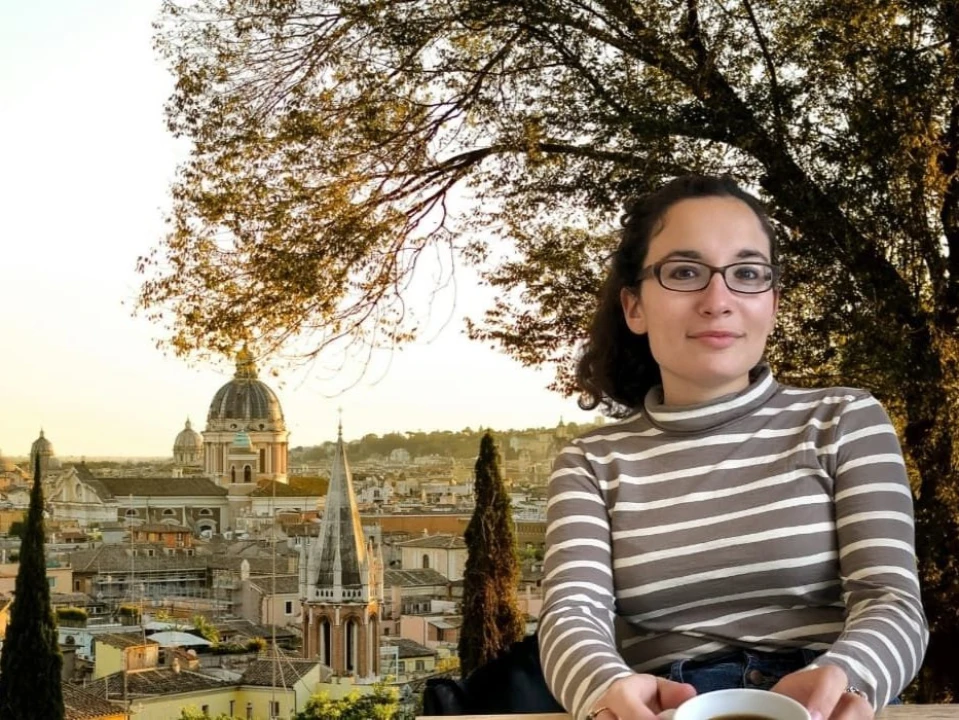
As an American transplant to Rome, I had outwardly chosen Monteverde Vecchio for its obvious appeal—it was a neighborhood full of “my people,” bookended on one side by the American Academy in Rome and the American University of Rome. It was supposedly beloved by foreign correspondents for its closeness to the Vatican.