
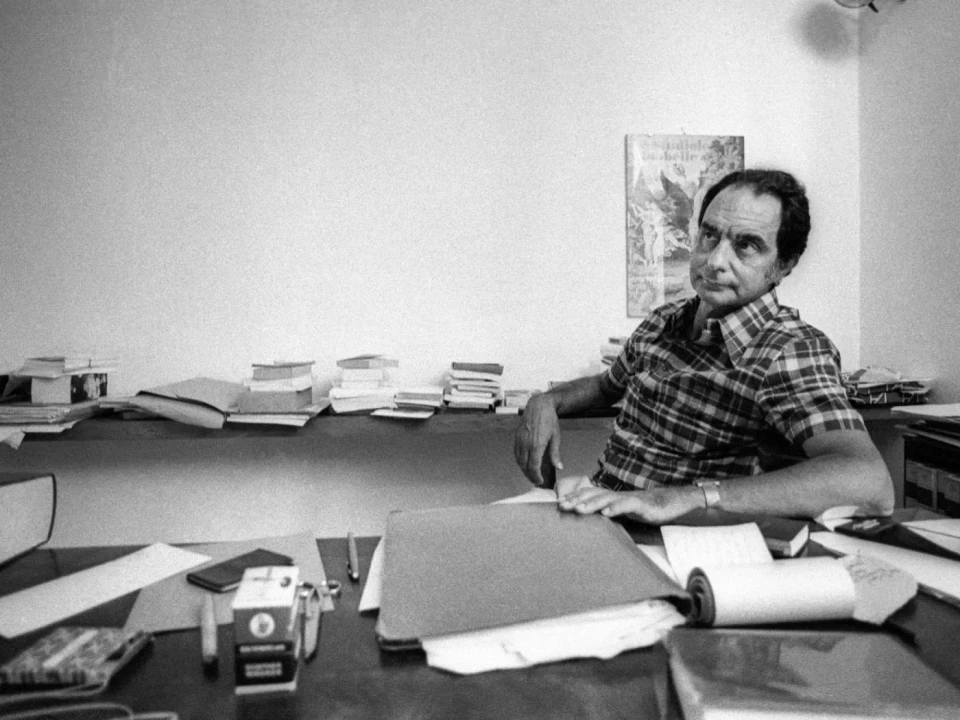
In November 1967, Italo Calvino (1923-85) proudly declared that the world no longer needed writers like him. Or any writers, for that matter. Soon enough, he argued, computers would be able to do the job just as well, if not better. So what would be the point?
The people who had come to hear his lecture on ‘Cybernetics and Ghosts’ in Turin that day were taken aback. A few were probably even rather shocked. Coming from Calvino – of all people – the very idea seemed perverse. Even though his best-known works – Le città invisibili (1972) and Se una notte d’inverno un viaggiatore (1979) – still lay in the future, he was already one of the leading lights of Italian literature.