

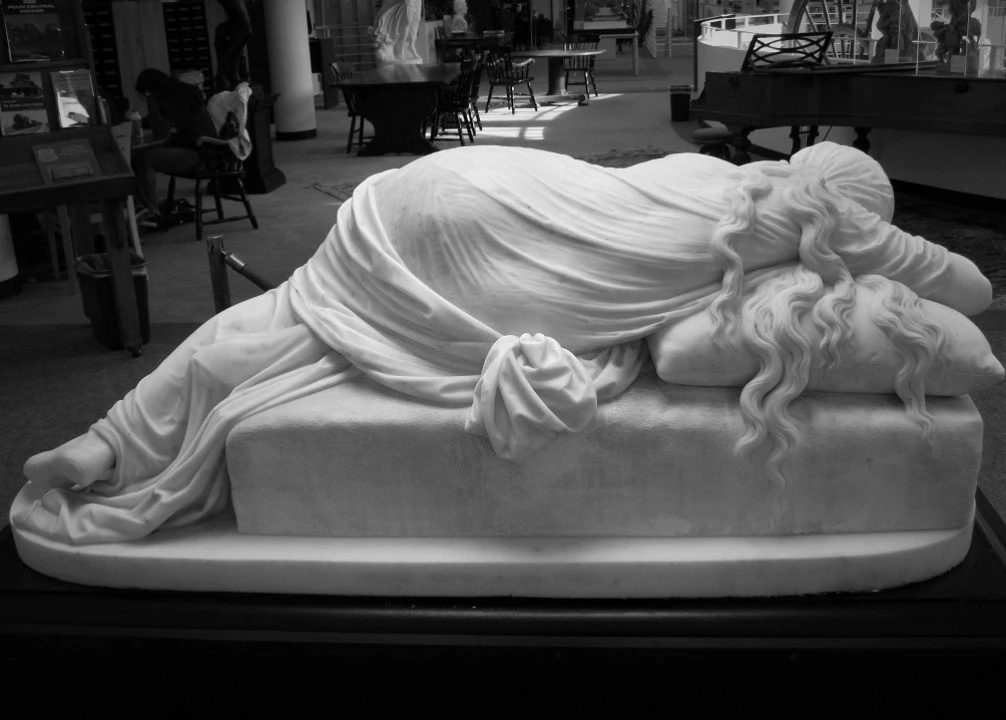
She was accused of patricide, tortured and sentenced to death. Five centuries later, Beatrice Cenci is recalled as an emblem of the sixteenth-century bloodthirsty and corrupted city of Rome.
In the words of the French poet Joachino du Ballay, who visited Rome in 1551, “there is nothing you cannot obtain here either through courtliness or a few bags full of coins: justice, privileges and women may be bought.”