
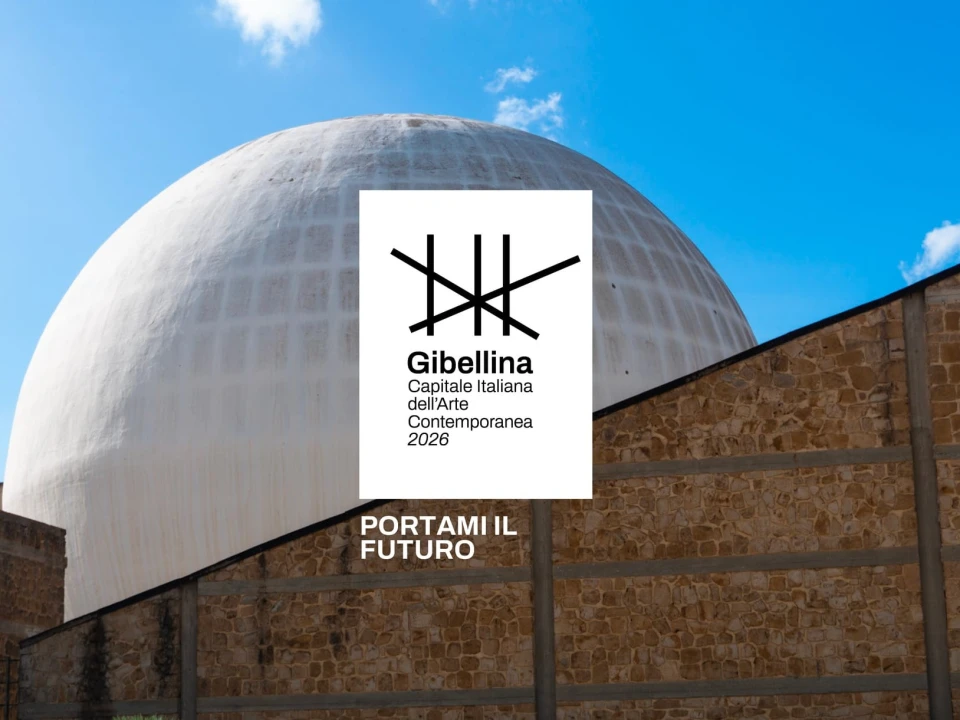
Gibellina, a town of about 4,300 residents in western Sicily, is preparing for 2026 with a detailed and wide-ranging program as Italy’s first Capital of Contemporary Art. The year will be structured around a continuous calendar of events rather than a single festival, with activities unfolding month by month and involving multiple disciplines, from visual arts to architecture, performance, and research.
The core of the program includes a series of major exhibitions specifically commissioned for 2026. These shows will feature Italian and international artists and will be hosted in key cultural venues, with projects designed to respond directly to Gibellina’s history, landscape, and urban fabric. Several exhibitions will focus on public art and large-scale installations, extending beyond museum walls into streets, squares, and open spaces, reinforcing the town’s identity as an open-air laboratory.
Artist residencies represent another central component. Throughout the year, selected artists, architects, photographers, and curators will live and work in Gibellina for periods ranging from a few weeks to several months. These residencies are intended to generate site-specific works and long-term relationships with the local community, often culminating in exhibitions, talks, or permanent interventions. A dedicated budget line supports production costs, research grants, and public presentations.
The performing arts also play a key role. The program includes contemporary theater, dance, music, and interdisciplinary performances, many of which are conceived for unconventional settings such as archaeological areas, former industrial sites, and outdoor plazas. Seasonal events are planned, with summer programming emphasizing open-air performances and evening formats, while winter months will focus on indoor venues, lectures, and workshops.
Education and participation are embedded throughout the year. Schools and universities will be involved through laboratories, guided projects, and collaborations with artists in residence. Workshops for children, teenagers, and adults will address topics such as visual literacy, collective memory, urban design, and environmental awareness. Community archives and storytelling projects will collect testimonies and materials connected to the 1968 earthquake and the town’s reconstruction.
A specific section of the program is dedicated to architecture and urban research. Conferences, exhibitions, and publications will explore post-disaster reconstruction, modernist planning, and the future of small towns in the Mediterranean. These initiatives aim to position Gibellina as a reference point for international debate, not only an exhibition venue.
Finally, the 2026 program includes long-term legacy projects. These involve restoring and upgrading existing cultural spaces, activating underused buildings as studios or cultural hubs, and commissioning new permanent artworks. The goal is to ensure that the impact of 2026 extends well beyond the calendar year, leaving Gibellina with stronger cultural infrastructure, ongoing partnerships, and a renewed role on the contemporary art map.