Summer is the festival season. In the United States there are more than 200 that celebrate Italianity, according to the list published each year by OSIA. Some of these were born many years ago, from the desire of Italian emigrants to celebrate their country of origin, sometimes their region, sometimes their city: and almost always their religion and the patron Saint of their town of origin had a fundamental role.
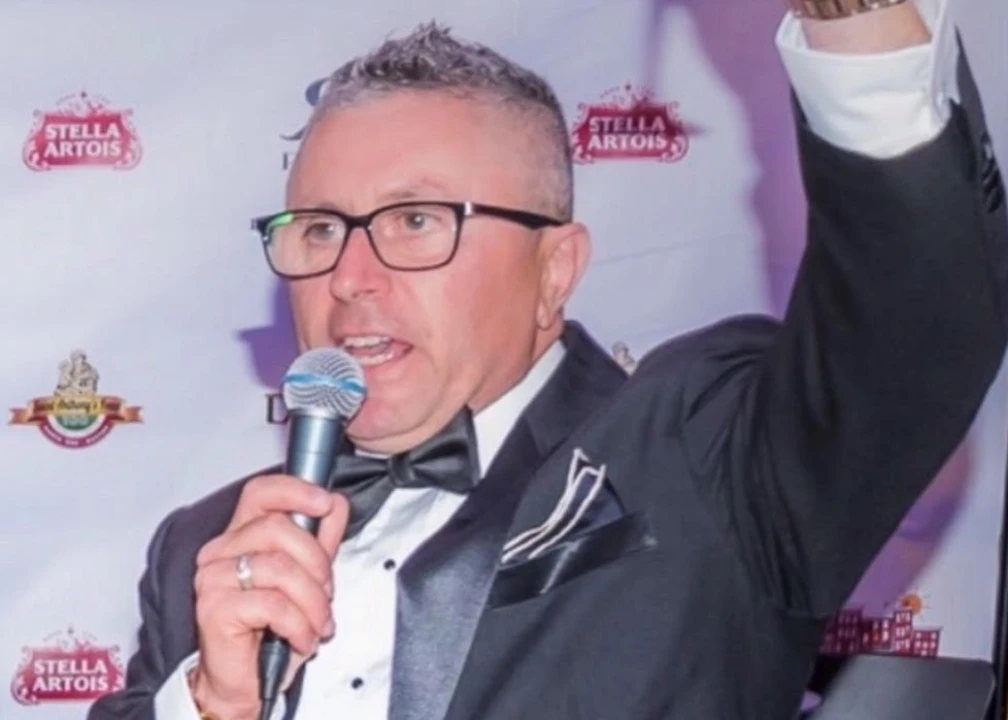
One of the largest, most popular and beloved of these festivals is the St. Anthony’s Feast in Boston, MA. This year the festival is 100 years old, and We the Italians celebrates this important anniversary by interviewing the President of the festival, Paul D'Amore. Welcome to We the Italians!
Paul, the St. Anthony’s Feast in Boston begun in 1919, and this year celebrates its 100th anniversary. It is the largest Italian Religious Festival in New England. Please tell our readers something about the history of this beautiful event and its evolution through the decades
We celebrate the Feast because we love Saint Anthony, and that’s the most important reason.
The Feast started back in 1919, in the North End, Boston’s Little Italy. A few immigrants came to Boston from Montefalcione, which is in the Avellino province. Saint Anthony’s Feast goes on in Italy every year the last weekend of August, and they missed the Feast, so they said: “Why don’t we start our own feast?” So they started this small Feast in 1919, a group of 10 men and it was very small. They kept Saint Anthony’s staue in one of the members’ house and it started like a little “get together” in the street. Then, before you know it, 100 years go by, and it becomes the largest street festival in New England, maybe in the whole United States. We boast over 300,000 people that come through the street of North End, the Italian section of Boston. It’s an amazing event, not just for the Feast, but also for the whole Italian section, which is awesome. In 1988, Saint Anthony in Montefalcione celebrated its 300th anniversary, so we are proud we are building it together.
The interesting part about this Saint Anthony’s Feast, myself, and how it all has come together is I was born in Montefalcione and I immigrated here as a little boy. Back then I was already part of Saint Anthony’s Feast: I would set up little stands, I would sell watermelon and little different things. Little I knew that a few years later I would end up being the President of the society, the only member part of the society that was born in that town in Italy, so it’s a real true honor to be representing Saint Anthony’s Feast here in Boston as the President. As we speak, my family is part of the Saint Anthony’s Feast in my town in Montefalcione, so there is a real big link between Italy and America.
When this event started 100 years ago, the North End was made up of a lot of local people, and as the time went on and the city became bigger, a lot of the immigrants moved out of the city. So it came the time when we started asking how we would fund the Feast to make it happen, because it’s such a large feast. As time went on, a lot of these people became older and either passed or moved away from the city and we had to find other ways to make this happen. So we have a lot of big sponsors, big companies that became part of our Feast, so they came in and donated money for our organization and this provides the opportunity to run this big festival.
What we do in return is that, during the course of the year, we give money to some organizations, charities, churches, people that are in need. So we give back. All we make, we give back to the communities and surrounding people.
What usually happens during the four days of the Feast, this year from August 22 to August 25?
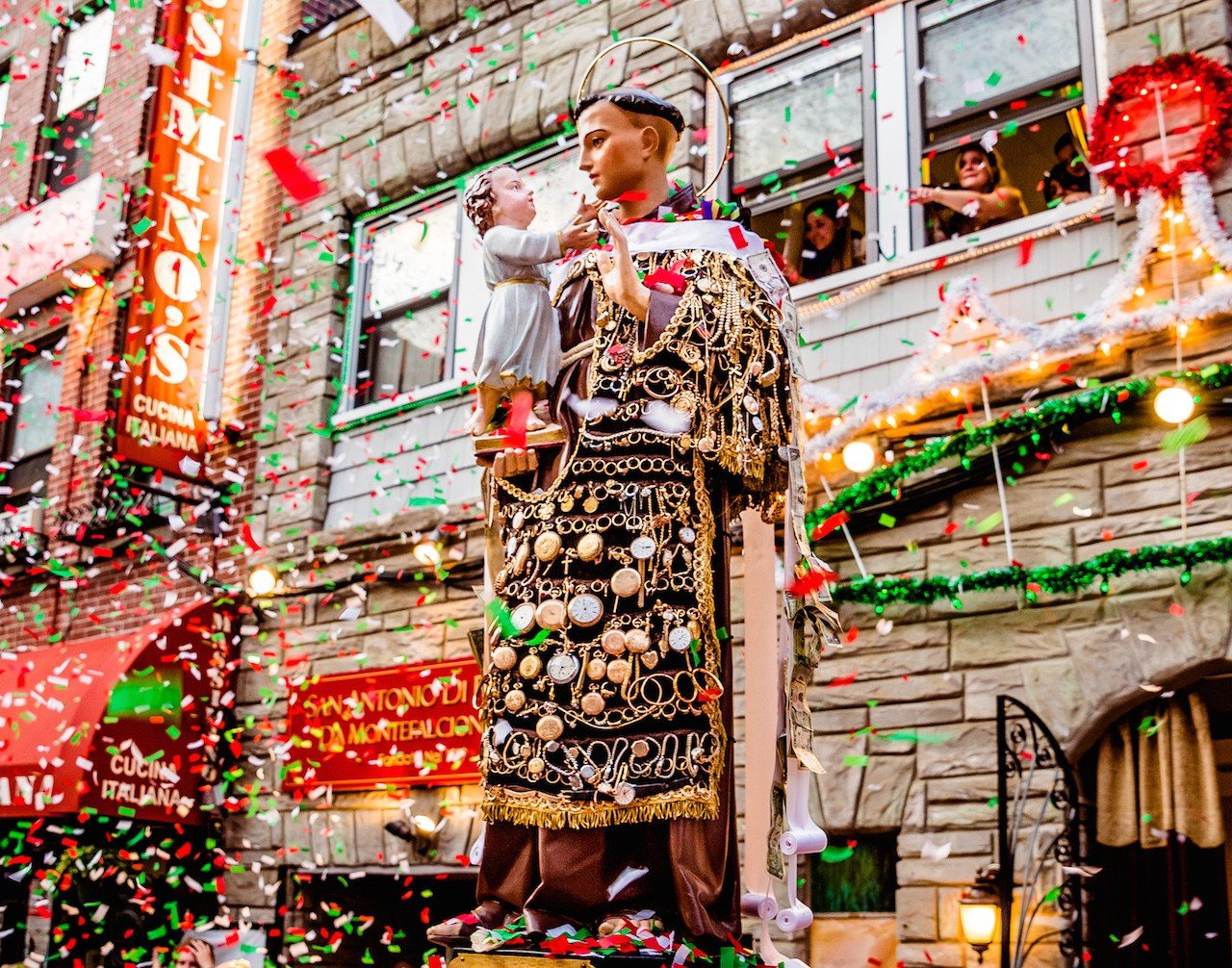
The main event is the procession. It’s always on Sunday, this year will be on Sunday 25th . It starts at 11:30Am and goes on to 9PM at night. What do we do, along with our 130 members and many, many, many hundreds of people behind it? We walk through the streets of the North End. And as we do that, people put money on the Saint, and we have certain spots where we stop at with the Saint: people and families say a prayer, somebody put some bows on it, other people pin money, other people just touch it. We do this through the whole street, it’s a long day and it is a wonderful, wonderful event. As it happens, we have seven to eight bands around the streets playing in all different spots. We have two with the Saint at all times, and the other bands kind of go around the whole North End. So if you go to the North End that day, you can be at a different spot and you can run into an orchestra, you can run into a marching band, or you run into the Saint and it has two traditional bands that follow it. It’s a great experience.
We bring the Saint around and then, obviously, the last place that we bring it is the chapel where Saint Anthony stays: the chapel is in Endicott Street where we have our society, and he stays there through the week, on Friday night, Saturday night and then Sunday. Then Sunday we bring him home which is inside the chapel, we take all the money off, we take all the bows off and then it stays there until the next year’s Feast. We take Saint Anthony out only during the Feast, no other time.
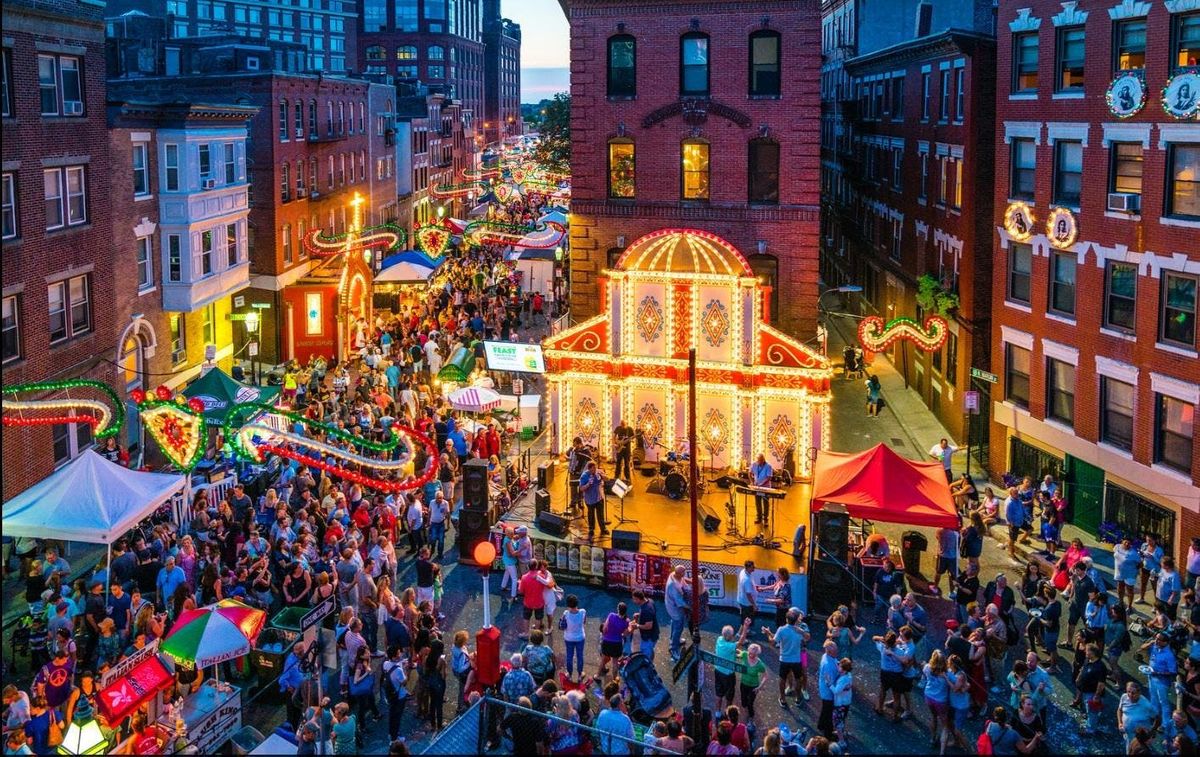
The Feast is pretty much a combination of four streets and it is just full of people, it takes you 1 hour to walk from one end to the other end. There are all street vendors lined up on either side of the street selling food, selling shirts, all kinds of things that you would see at a street festival. Very different from my town, in Montefalcione. But at the end of the day we both have the same goal: we both worship our patron saint.
Our association does everything. We will have fireworks that will be going off on the Friday, outside of the Feast but that’s in order to celebrate the Feast. The Feast itself is such a big event, because it goes on in the whole North End, literally. It’s so busy that there’s people everywhere, it’s just like, picture a party that goes on for four-five days. That’s what happens, that’s what it is. It’s mostly Italians, Christians and Italians, but people come from all over the continent not just Christians and Catholics, all different races come, different religions.
We do a lot of other things. We have an entertainment stage, with different music: on our website you can see we have different bands, like Louis Prima Jr., a jazz band, an Italian orchestra playing. So Thursday, Friday, Saturday and Sunday you can listen to all kinds of different music, you can dance from the morning ‘till the evening, it’s always changing. That’s one of the great things.
Another thing we do is a cooking stage. It also run four days, and every hour we have different chefs that come from different restaurants and institutions and do cooking demonstrations.
Then, throughout the Feast we have four outdoor areas where people can just have a drink, get something to eat, there are restaurants, you can have pizza and wine. I am the owner of one of the restaurants who sponsor the event, Massimino’s: it is next door to the club where we hold the Feast.
It’s a lot of work, but the amount of fun we have is amazing, with people coming from all over the United States. We have Buffalo (NY) people pulling in all weekend, we had from as far as California, Canada and Florida, and also people who even come from other countries, because they happen to be here and they’ll visit the Feast. It is a lot of fun.
In terms of planning, from January to May we have five different events and wine dinners at different restaurants throughout North End. We start the buzz of what’s happening about the Feast. In June, we have a black-tie event at Marriott Hotel, with almost 200 people, very elegant, very nice, thanking people who are part of it, recognizing some of the older members in the club, talking about our history. Leading up to the event, we have a lot of little things that go on, some things that go unnoticed and some that don’t. And then, we just start setting up two weeks before the Feast and then the week of the Feast, when it’s really going to happen.
Is there a special happening to celebrate the 100th anniversary?
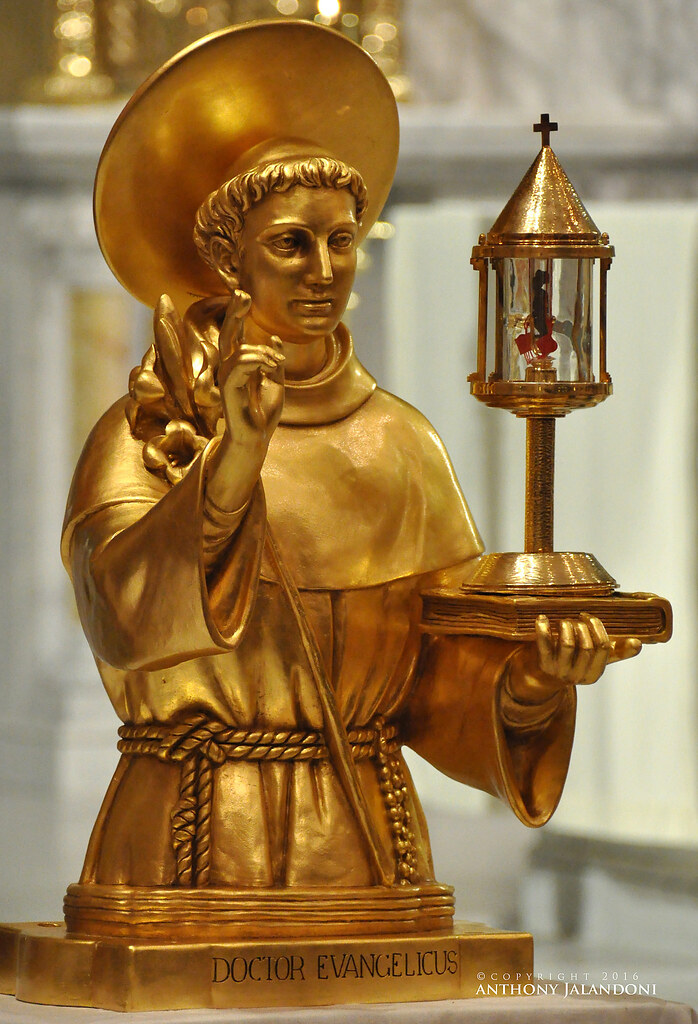
One of the wonderful things that will happen this year is that we will have the relic of Saint Anthony coming to our Feast, which is an amazing highlight. It’s going to be here on the whole weekend, it will be out Saturday August 24th. It will be available for the public to see from 9AM to 1PM on the street, and then from 1PM in our chapel which is on Endicott Street, the main street of the Feast.
I’ve always been curious about the procession of the Saint with people dancing, singing and putting money on the statue. A hundred years ago, even if they were catholic too (or maybe right because of that), Irish people were not that happy about this tradition involving money and a statue of a Saint…
Saint Anthony as we know it’s Portuguese, Sant’Antonio was from Portugal. I have to say I have never heard before that someone was against putting the money on it. For example, in my town in Montefalcione, we don’t put the money on the Saint, we put the money on la mazza. Here, that’s how the tradition started, we are a traditional organization, so we keep the tradition. I understand the topic you are touching on, and that’s way before my time.
Given that nowadays things are different than 100 years ago, is the meaning of this wonderful event the same, or something has changed in it too?
That’s a great question. We have 130 members and I am the only one that was born in the town, there are other members who were born in Italy. But for the members that were not born in Italy or have no experience with Italy, this is their way of connecting with Italy via the Saint. But for me it’s the same: the most important thing is the connection for all of us with Saint Anthony first and then Italy also. That’s what brings us together, being Italian, having a beautiful heritage, a beautiful culture, and through the Feast is how we show it. So the member body is very proud to say “I’m Italian, I represent Saint Anthony here in Boston, look what we do because of our beautiful culture in Italy.” If you are in the area, you see this and say “Ok, that’s nice.” But if you are not in the area, maybe you live an hour away, you come and you experience it and talk to one of the members, and say “Oh my God, this is so beautiful, you have such a nice culture, it’s so nice, thank you guys, keep going” because we have been working very hard at making this happen. We are all very proud of being Italian, we are all very proud of representing Saint Anthony.
What’s the story of the Italian emigration to Boston?
The Italian immigrants started to come into Boston in the late 19th century, obviously, 1890. It was a very very small percentage of Italians: most people came here for a reason, not because they wanted to but because they had to. I am part of that immigration too (even if I came much later than 1890) because when I migrated here as a little boy we were a very poor family: we had no money, we had no place to live, we weren’t really looked at as equal people, we were kind of looked down at, which wasn’t very nice. And that’s why I learned as a little boy never to judge anybody. But anyhow, as time went on people started appreciating the Italians. Because the Italians are very good people, they are hard-workers, they are family people, they care, and they keep their word. So these are things that built communities.
You guys have still a sparkling and much alive Little Italy, the North End. How is the Italian community in Boston today, and what Italy can do to improve its relationship with it?
The North End of Boston, when I grew up, was an area that was below average. Italians came here, they bought all the real estate, they built it up, they put together communities, they build many many small businesses in the community, and now it is a very good area and if you want to buy real estate here in Boston is very expensive, almost impossible. Immigrants are the people who built this country. The Italian immigrants definitely built little Italy in the North End of Boston and still today, if you go around, there are so many small little businesses in two squared miles and the majority of those businesses are run by Italian families. The immigrant story is very close to me, because we worked very hard and we continue to work hard and then we show our kids what is like where we came from, to be where we are today.
You that you can stop into a restaurant, a bakery, a coffee shop and you are going to be able to speak Italian, you are going to have someone who understands Italian. There’s not many places left in the United States of America where you can do that today. The Italians come here for that reason, they feel very comfortable, they feel safe. A lot of them stay, a lot of them end up moving away, but this is still truly Italian. Today there are still many Italians that come visit us, that want to stay here, and I know that’s an issue because it’s hard to get the paperwork here in America. But I wish there was an easier way. For example, I am a chef: there are so many great chefs in Italy that would love to work in America, but it’s hard for them. So if there was an easier way for the Italians that want to come here, it would be amazing. If they could come here, they would have success: because Italians, no matter what they do, whether they are journalists whether they work in the restaurant business, whether they are brick layers, it doesn’t make a difference, they have success. That’s what we need in the United States.
I did a program last year with an Italian TV show called Little Big Italy. They came here and it was actually a great experience. When they came here, it was a group of them, cameramen, etc., tutti italiani, all Italians. I felt like I was home. It felt so good, it was amazing. A great experience. Italy is amazing, it’s the most amazing place in the world. I only wish that could be a little easier for the young people that are there to flourish, that’s my only concern.
L'estate è la stagione dei festival. Negli Stati Uniti ce ne sono più di 200 che celebrano l'Italianità, secondo l'elenco pubblicato ogni anno dall'OSIA. Alcuni di questi nacquero tanti anni fa, dalla volontà degli emigrati italiani di celebrare e festeggiare il loro Paese di origine, a volte la loro regione, a volte la loro città: e quasi sempre la religione e il Santo patrono del loro luogo di provenienza aveva un ruolo fondamentale.
Uno dei più grandi, popolari e amati di questi festival è quello di Sant'Antonio a Boston, MA. Quest'anno il festival compie 100 anni, e We the Italians festeggia questa importante ricorrenza ospitando il Presidente del festival, Paul D'Amore. Benvenuto su We the Italians!
Paul, la festa di Sant'Antonio a Boston è nata nel 1919, e quest'anno festeggia il suo centenario. È il più grande Festival religioso Italiano del New England. Tu sei il Presidente, e ti chiediamo di raccontare ai nostri lettori la storia di questo bellissimo evento e la sua evoluzione nel corso dei decenni
Celebriamo la festa perché amiamo Sant'Antonio, e questo è il motivo più importante.
La festa nacque nel 1919 nel North End, la Little Italy di Boston. Alcuni immigrati erano arrivati a Boston da Montefalcione, in provincia di Avellino. La Festa di Sant'Antonio continua in Italia ogni anno l'ultimo fine settimana di agosto, e a quegli italiani mancava la loro festa, così dissero: "Perché non cominciamo una nostra Festa di Sant’Antonio qui"? Così diedero vita a questa piccola festa nel 1919, un gruppo di 10 persone, ed era solo un piccolo evento. Custodivano la statua di Sant'Antonio nella casa di uno dei membri del gruppo, e tutto è iniziato come un piccolo ritrovo per stare insieme, per strada. E poi, passando gli anni come se non ce se ne accorgesse, 100 anni dopo è diventato il più grande festival di strada del New England, forse di tutti gli Stati Uniti. Abbiamo oltre 300.000 persone che riempiono le strade del North End, il quartiere italiano Boston. E' un evento incredibile, non solo per la Festa, ma anche per tutto il quartiere, che vive un momento emozionante. Nel 1988 la Festa di Sant'Antonio a Montefalcione ha celebrato il suo 300esimo anniversario, quindi siamo orgogliosi di aiutare ad organizzare la festa insieme.
La parte interessante di questa Festa di Sant'Antonio, di me stesso e di come tutto questo si è combinato è che io sono nato a Montefalcione e sono emigrato qui da bambino. All'epoca partecipavo già alla Festa di Sant'Antonio: allestivo bancarelle, vendevo anguria e piccole altre cose. Non sapevo che anni dopo sarei finito con l’essere il Presidente della nostra Società, l'unico membro che è nato in quella città in Italia: quindi per me è un vero onore rappresentare la Festa di Sant'Antonio qui a Boston come Presidente. Mentre parliamo, la mia famiglia è parte della Festa di Sant'Antonio nella mia città di Montefalcione, quindi per me c'è un vero e proprio grande legame tra l'Italia e l'America.
Quando questo evento iniziò 100 anni fa, il North End era composto da molta gente del posto: poi con il passare del tempo la città si è ingrandita, e molti immigrati si sono trasferiti fuori città. Così è arrivato il momento in cui abbiamo iniziato a chiederci come avremmo finanziato la Festa, perché è una festa grande. Con il passare del tempo, molte di queste persone sono invecchiate o ci hanno lasciato o si sono allontanate dalla città e abbiamo dovuto trovare altri modi per sostenere economicamente la festa. Così abbiamo trovato diversi grandi sponsor, grandi aziende che sono entrate a far parte della nostra festa e hanno donato soldi per la nostra organizzazione e questo ci offre l'opportunità di organizzare ogni anno questo grande festival.
Quello che facciamo nel corso dell'anno, in cambio, è che diamo denaro ad alcune organizzazioni, enti di beneficenza, chiese, persone bisognose. Tutto quello che facciamo ha l’obiettivo di restituire alle comunità e alle persone che ci circondano l’aiuto che ci è stato dato.
Cosa succede di solito durante i quattro giorni della Festa, quest'anno dal 22 al 25 Agosto?
L'evento principale è la processione. E' sempre di domenica, il giorno di chiusura: quest'anno sarà domenica 25 Agosto. Inizia alle 11:30 di mattina e prosegue fino alle 9 di sera. Cosa facciamo, insieme ai nostri 130 membri e a migliaia di persone che partecipano con noi? Camminiamo per le strade del North End. E mentre lo facciamo, la gente mette dei soldi sulla statua del Santo, e abbiamo alcuni punti in cui ci fermiamo con la statua: la gente e le famiglie dicono una preghiera, qualcuno ci mette delle decorazioni, altri dei soldi, altri semplicemente la toccano. Lo facciamo per tutta la strada, è una lunga giornata ed è un evento meraviglioso. Abbiamo sette o otto bande in giro per le strade che suonano, in tutti i punti. Ne abbiamo due che seguono il Santo in ogni momento, e gli altri gruppi che girano per tutto il North End. Quindi, se venite nel North End quel giorno, ovunque voi siate potete imbattervi in un'orchestra o in una banda che suona mentre marcia, oppure nel Santo che ha due bande tradizionali che lo seguono. E' una grande esperienza.
Portiamo il Santo in giro e poi, ovviamente, l'ultimo posto dove lo portiamo è la cappella dove Sant'Antonio soggiorna: la cappella è in Endicott Street dove abbiamo la nostra Società, e vi rimane per tutta la settimana, il venerdì sera, il sabato sera e poi la domenica mattina. Poi la domenica sera lo riportiamo a all'interno della cappella, togliamo tutti i soldi e le decorazioni e poi rimane lì fino alla festa dell'anno successivo. Portiamo fuori Sant'Antonio solo durante la festa, nessun'altra volta.
La festa si svolge in un’area che è praticamente l’incrocio di quattro grandi strade ed è piena di gente, ci vuole un’ora per arrivare da un capo all'altro. Ci sono i venditori ambulanti allineati su entrambi i lati della strada che vendono cibo, abbigliamento, ogni genere di cose che si vedrebbero in un festival di strada. E’ molto diverso dalla mia città, a Montefalcione. Ma alla fine abbiamo lo stesso obiettivo: entrambi veneriamo il nostro santo patrono.
La nostra associazione organizza e gestisce tutto. Avremo fuochi d'artificio il venerdì, al di fuori dell’area della festa. La Festa stessa è un evento enorme perché continua letteralmente in tutto il North End. C'è gente dappertutto, è come immaginare una festa che va avanti per quattro-cinque giorni. Ci sono soprattutto italiani, di religione cattolica, ma anche gente che viene da tutto il continente e non solo cattolici: vengono persone di razze e religioni diverse.
Facciamo molte altre cose. Abbiamo un palco con musica diversa: sul nostro sito potete vedere che abbiamo diversi gruppi, come Louis Prima Jr., una jazz band, un'orchestra italiana che suona. Così giovedì, venerdì, sabato e domenica è possibile ascoltare ogni genere di musica diversa, si può ballare dal mattino fino a sera, è sempre diverso. E' una delle cose grandiose del nostro festival.
Un'altra cosa che facciamo è uno show di cucina. Anch’esso dura per tutti e quattro i giorni, e ogni ora abbiamo chef diversi che provengono da diversi ristoranti e istituzioni e che fanno dimostrazioni di cucina. Poi, per tutta la festa abbiamo quattro aree esterne dove le persone possono semplicemente bere o mangiare qualcosa, ci sono ristoranti, si può avere pizza e vino. Sono il proprietario di uno dei meravigliosi ristoranti che sponsorizzano l'evento, Massimino's: è accanto al locale dove si tiene la festa.
C’è tantissimo da fare, ma c’è anche tantissimo divertimento, con persone provenienti da tutti gli Stati Uniti. Abbiamo persone che vengono da Buffalo nello stato di New York, altri da più lontano come California, Canada e Florida, e anche persone che vengono anche da altri paesi, perché sono qui per altri motivi e partecipano alla festa. E' molto divertente.
In termini di pianificazione, da gennaio a maggio abbiamo cinque diversi eventi e cene in diversi ristoranti del North End. Cominciamo con il far girare la voce su quello che stiamo programmando per la festa. Nel mese di giugno abbiamo un evento di gala al Marriott Hotel, con quasi 200 persone, molto elegante, molto bello, dove ringraziamo le persone che fanno parte del festival, onorando alcuni dei membri più anziani del club, parlando della nostra storia. Prima dell'evento, abbiamo un sacco di piccole cose che vanno avanti, alcune cose che passano inosservate e altre che non passano inosservate. E poi, due settimane prima della Festa inizia la preparazione vera e propria, e poi c’è la settimana della Festa.
C'è un evento speciale per celebrare il centenario?
Una delle cose meravigliose che accadrà quest'anno è che ospiteremo le reliquie di Sant'Antonio, che sarà il momento culminante di quest’anno. Saranno qui per tutto il weekend, le esporremo sabato 24 agosto dalle 9 di mattina alle 13 in strada, e poi dalle 13 nella nostra cappella che si trova in Endicott Street, la strada principale della festa.
Sono sempre stato curioso della processione del Santo con persone che danzano, cantano e mettono i soldi sulla statua. Un centinaio di anni fa, anche se erano cattolici (o forse proprio per questo), gli irlandesi non erano così felici di questa tradizione che vede mischiare soldi e la statua di un Santo...
Sant'Antonio, come sappiamo, era portoghese. Devo dire che non avevo mai sentito prima d'ora che qualcuno era contrario a mettere i soldi nella statua del Santo. Nella mia città a Montefalcione, ad esempio, non mettiamo i soldi sul Santo, li mettiamo sulla mazza. Qui la tradizione è nata così, e noi siamo un'organizzazione tradizionale, quindi continuiamo a fare così. Capisco ciò che mi dici, ma è una cosa che risale a molto prima del mio tempo.
Dato che oggi le cose sono diverse rispetto a 100 anni fa, il significato di questo meraviglioso evento è lo stesso, o qualcosa è cambiato?
E' un'ottima domanda. Abbiamo 130 membri, alcuni sono nati in Italia ma io sono l’unico nato a Montefalcione. Per i nostri membri che non sono nati in Italia, questo è il loro modo di collegarsi con l'Italia attraverso il Santo. Ma per me è la stessa cosa: la cosa più importante è il legame di tutti noi con Sant'Antonio prima e poi anche con l'Italia. Questo è ciò che ci unisce: essere italiani, avere un bellissimo patrimonio culturale, delle origini meravigliose, e lo mostriamo organizzando la Festa. Quindi la nostra comunità è molto orgogliosa di dire: "Sono italiano, rappresento Sant'Antonio qui a Boston, guarda cosa facciamo per la nostra bella cultura Italiana". Se sei di queste parti, vedi la Festa e dici: "Ok, che bello". Ma se non vivi nel North End, se magari vivi a un’ora da qui, vieni e partecipi e ti mischi con i nostri membri e alla fine puoi dire "Oh mio Dio, questa cosa è così bella, avete una cultura così meravigliosa: grazie ragazzi, continuate così": perché abbiamo lavorato molto duramente per far sì che questo accada. Siamo tutti molto orgogliosi di essere italiani, siamo tutti molto orgogliosi di rappresentare Sant'Antonio.
Qual è la storia dell'emigrazione italiana a Boston?
Gli immigrati italiani cominciarono ad arrivare a Boston alla fine del XIX secolo, ovviamente nel 1890. Era una percentuale molto piccola di italiani: la maggior parte delle persone arrivarono qui per un motivo preciso, non perché lo volevano, ma perché dovevano farlo. Anche io faccio parte di quel tipo di emigrazione (anche se sono arrivato molto più tardi del 1890) perché quando sono arrivato qui da piccolo eravamo una famiglia molto povera: non avevamo soldi, non avevamo un posto dove vivere, non eravamo veramente considerati persone uguali agli altri, eravamo guardati dall’alto in basso, il che non era molto bello. Ed è per questo che da piccolo ho imparato a non giudicare mai nessuno. Ma comunque, col passare del tempo la gente ha imparato ad apprezzare gli italiani. Perché gli italiani sono brave persone, lavorano sodo, sono persone di famiglia, si preoccupano e mantengono la parola data. Queste sono le cose che hanno costruito le nostre comunità.
Voi a Boston avete ancora una Little Italy organizzata e molto viva, il North End. Come sta la comunità italiana a Boston oggi e cosa può fare l'Italia per migliorare il suo rapporto con essa?
Il North End di Boston, nel periodo in cui ci sono cresciuto, era un'area economicamente al di sotto della media. Gli italiani vennero qui, comprarono tutti gli immobili, o ne costruirono di nuovi: hanno messo insieme la comunità, hanno dato vita a molte piccole imprese attive nella comunità, e ora è una zona molto buona e se si desidera acquistare immobili qui è molto costoso, quasi impossibile. Gli immigrati sono le persone che hanno costruito questo paese. Gli immigrati italiani hanno sicuramente costruito la Little Italy nel North End di Boston e ancora oggi, se si va in giro, ci sono tantissimi negozi e piccole imprese in due miglia quadrate e la maggior parte di loro è ancora gestita famiglie italiane. La storia dell'emigrazione mi è molto familiare, perché noi italiani abbiamo lavorato sodo e continuiamo a lavorare sodo e poi mostriamo ai nostri figli come siamo venuti e da dove veniamo, per essere dove siamo oggi.
Oggi nel North End potete fermarvi in un ristorante, in una panetteria, in un caffè e potrete parlare italiano, perché ci sarà qualcuno che capisce l'italiano. Non ci sono molti posti negli Stati Uniti d'America dove è possibile farlo, oggi. Gli italiani vengono qui per questo motivo, si sentono molto a loro agio, si sentono sicuri. Molti di loro rimangono, molti di loro finiscono per trasferirsi, questa zona è ancora veramente italiana. Oggi ci sono ancora molti italiani che vengono a trovarci, che vogliono stare qui, e so che questo è un problema perché è difficile ottenere le carte per trasferirsi qui in America. Io vorrei che ci fosse un modo più semplice. Per esempio, io sono uno chef: ci sono così tanti grandi chef in Italia che vorrebbero lavorare in America, ma per loro è difficile. Quindi, se ci fosse un modo più facile per gli italiani che vogliono venire qui, sarebbe fantastico. Se potessero venire qui, avrebbero successo: perché qualunque cosa facciano - che siano giornalisti, che lavorino nella ristorazione, che siano muratori, non fa la differenza - hanno successo. E' quello di cui abbiamo bisogno negli Stati Uniti.
Lo scorso anno ho partecipato ad un programma televisivo italiano chiamato Little Big Italy. Sono venuti qui ed è stata davvero una grande esperienza. C'era un gruppo di loro ed erano tutti italiani. Mi sentivo come se fossi a casa. E' stato così bello, è stato fantastico. Una grande esperienza. L'Italia è fantastica, è il posto più bello del mondo. Vorrei solo che fosse un po' più facile per i giovani che sono là, questa è la mia unica preoccupazione.