In 2026, We the Italians celebrates “Two Anniversaries, One Heart” – the 250th anniversary of the United States and the 80th anniversary of the Italian Republic. This article is part of the “Happy Birthday USA: Unsung Italian Heroes” project, in which we share how, in every corner of the United States, an Italian has made a positive impact on their local community.
---
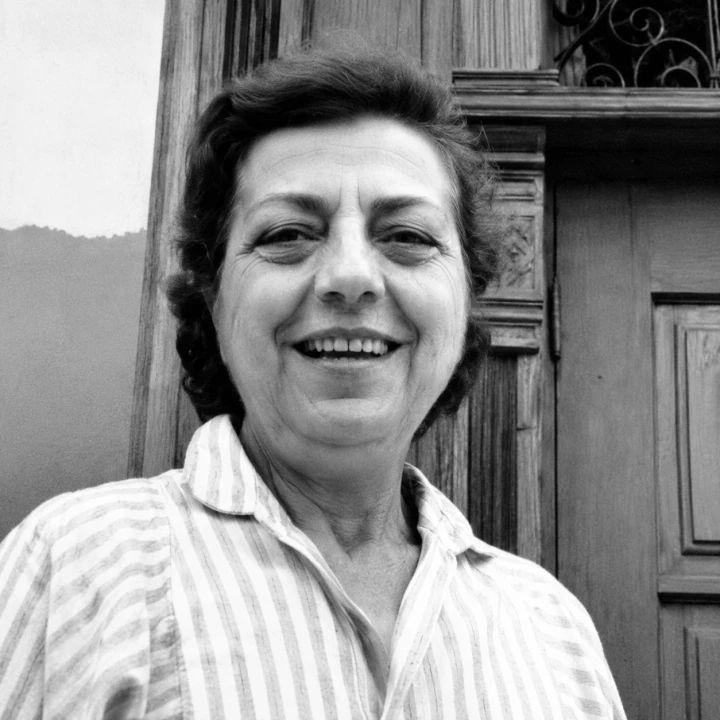
A little lady, a strong will and Chicago’s Little Italy
As city neighborhoods are developed and re-developed, and as generations of pioneer families move to the suburbs, few community leaders are remembered over time. Especially those who made their arguably greatest impact more than sixty years ago. In Chicago, one of the most notable exceptions to the rule was Florence Scala.
Florence was considered a boisterous combination of Joan of Arc and Mother Frances Cabrini. A local warrior of slight build with a huge heart and fearless demeanor focused on the preservation of more than a simple Chicago neighborhood.
Italian immigration in Chicago began in the 1850s. Most settled outside of the main downtown district where Italian workers began to build and re-build Chicago, especially after the famed fire of 1871 that destroyed much of the area. Treated as low-class, uneducated immigrants, the terrible conditions did not hinder their ability to establish their families and thrive as hard-working citizens.
Florence Catherine Giovangelo was born in Chicago in 1918. Her parents joined the many other Italian families who found their way to Chicago and settled on Taylor Street, the center of Italian commerce at the time. For forty years Florence was active in trying to develop the area from what was referred to as “The Italian Slums.”
The Mayor at the time, Richard J. Daley was on a mission to create a local university affordable to his constituents. Federal assistance towards a creation of an expressway system was inevitable and the promise of an expansion of the Illinois Medical District was lurking.
Florence and her husband “Chick” Scala worked tirelessly to block these developments as the city deemed the “Little Italy” area as the location for these initiatives. She and forty-nine other female activists held a “sit-in” at the mayor’s office until he took an appointment with her. He dismissed her brave presentation, brave because the voice of a woman at the time would usually fall on deaf ears. Nonetheless, she was unscathed by the disrespect and fought on.
She fearlessly fought hard taking the matter to the Supreme Court. The judge ruled that the benefit to the community outweighed the “collateral damage” that would occur at its expense. Her home also fell victim to two bomb blasts set to scare her off, but she braved the storm in a sea of defiance. That’s what I mean by “fearless!”
More than 3000 families were displaced, 600 business closed and 500 buildings were razed. The Illinois Medical District greatly expanded, the University of Chicago Circle Campus was built, and the Eisenhower and Dan Ryan Expressways were constructed.
Her home at 1030 West Taylor Street was just outside of the re-development area, so she spent her entire life there. She would run unsuccessfully twice for a seat on Chicago’s City Council. Florence cleared the first floor of her building and would open the popular Florence Restaurant serving homemade Italian specialties she learned from her mother as a little girl.
Florence passed away in 2007. She spent her life defending her neighborhood. She fought ethnic stereotypes, gender discrimination and the highest form of “bullying.” The area is now home to many ethnic groups, but the original “Little Italy” she so loved still stands strong.
In October of 2026, the “Florence Scala Chicago Italian American Museum” is set to open on Taylor Street, just four blocks from her home. The facility will house the famed Christopher Columbus Statue that was unceremoniously removed from its original Taylor Street area home at Arrigo Park located just a few blocks away.
Nel 2026 We the Italians celebra Two Anniversaries One Heart, i 250 anni degli Stati Uniti e gli 80 anni della Reubblica Italiana. Questo articolo fa parte del progetto Happy Birthday USA: The Unsung Italian Heroes, in cui raccontiamo perchè in ogni angolo degli Stati Uniti qualcuno italiano ha lasciato un impatto positivo per il singolo territorio.
---
Una piccola donna, una grande determinazione e la Little Italy di Chicago
Con lo sviluppo e la riqualificazione dei quartieri cittadini e il trasferimento in periferia delle nuove generazioni delle famiglie pioniere, sono pochi i leader delle comunità locali che vengono ricordati nel tempo. Soprattutto quando il loro contributo più importante risale a oltre sessant’anni fa. A Chicago, una delle più significative eccezioni a questa regola è stata Florence Scala.
Florence era considerata una vivace combinazione tra Giovanna d’Arco e Madre Francesca Cabrini. Una combattente locale dal fisico minuto, ma con un cuore enorme e un carattere impavido, impegnata nella difesa di qualcosa che andava ben oltre la semplice conservazione di un quartiere di Chicago.
L’immigrazione italiana a Chicago iniziò negli anni Cinquanta dell’Ottocento. La maggior parte degli immigrati si stabilì fuori dal principale distretto del centro, mentre i lavoratori italiani contribuirono a costruire e ricostruire Chicago, soprattutto dopo il celebre incendio del 1871 che distrusse gran parte della città. Considerati immigrati di basso livello sociale e senza istruzione, gli italiani dovettero affrontare condizioni terribili, che tuttavia non impedirono loro di mettere su famiglia e prosperare come cittadini laboriosi.
Florence Catherine Giovangelo nacque a Chicago nel 1918. I suoi genitori si unirono alle numerose altre famiglie italiane arrivate in città e si stabilirono a Taylor Street, all’epoca cuore delle attività commerciali italiane. Per quarant’anni Florence si impegnò attivamente per migliorare un’area che veniva definita “The Italian Slums”, i bassifondi italiani.
Il sindaco dell’epoca, Richard J. Daley, aveva l’obiettivo di creare un’università locale economicamente accessibile ai cittadini. Allo stesso tempo, apparivano inevitabili gli aiuti federali per la costruzione di un sistema di autostrade urbane, mentre si profilava anche l’espansione dell’Illinois Medical District.
Florence e suo marito, “Chick” Scala, lavorarono instancabilmente per bloccare questi progetti, perché la città aveva individuato proprio l’area della Little Italy come sede delle nuove iniziative. Florence e altre 49 attiviste organizzarono un sit-in nell’ufficio del sindaco fino a quando Daley accettò di incontrarla. Il sindaco respinse le sue coraggiose argomentazioni – particolarmente coraggiose perché, all’epoca, la voce di una donna veniva spesso ignorata. Florence, tuttavia, non si lasciò intimidire dalla mancanza di rispetto e continuò a combattere.
Portò coraggiosamente la questione fino alla Corte Suprema. Il giudice stabilì che i benefici per la comunità nel suo complesso superavano i “danni collaterali” che i progetti avrebbero provocato. Anche la sua abitazione fu colpita da due esplosioni provocate con l’obiettivo di intimidirla e convincerla ad arrendersi, ma Florence affrontò anche questa tempesta con assoluta determinazione. È proprio questo che significa essere “senza paura”.
Più di 3.000 famiglie furono costrette a trasferirsi, 600 attività commerciali chiusero e 500 edifici vennero demoliti. L’Illinois Medical District fu notevolmente ampliato, venne costruito il University of Chicago Circle Campus e furono realizzate le Eisenhower e Dan Ryan Expressways.
La casa di Florence, al 1030 West Taylor Street, si trovava appena fuori dall’area interessata dalla riqualificazione, e lei vi rimase per tutta la vita. Si candidò per due volte, senza successo, a un seggio nel Consiglio comunale di Chicago. Successivamente liberò il piano terra del suo edificio e vi aprì il popolare Florence Restaurant, dove serviva specialità italiane fatte in casa, preparate secondo le ricette che aveva imparato da sua madre quando era bambina.
Florence morì nel 2007. Trascorse la vita difendendo il proprio quartiere. Combatté contro gli stereotipi etnici, la discriminazione di genere e la forma più estrema di prepotenza esercitata dal potere. Oggi la zona ospita numerosi gruppi etnici, ma l’originaria Little Italy che Florence amava così profondamente continua a resistere.
Nell’ottobre 2026 è prevista l’apertura, proprio su Taylor Street e ad appena quattro isolati dalla sua abitazione, del “Florence Scala Chicago Italian American Museum”. La struttura ospiterà anche la celebre statua di Cristoforo Colombo, rimossa senza cerimonie dalla sua collocazione originaria nella zona di Taylor Street, ad Arrigo Park, situato soltanto pochi isolati più lontano.