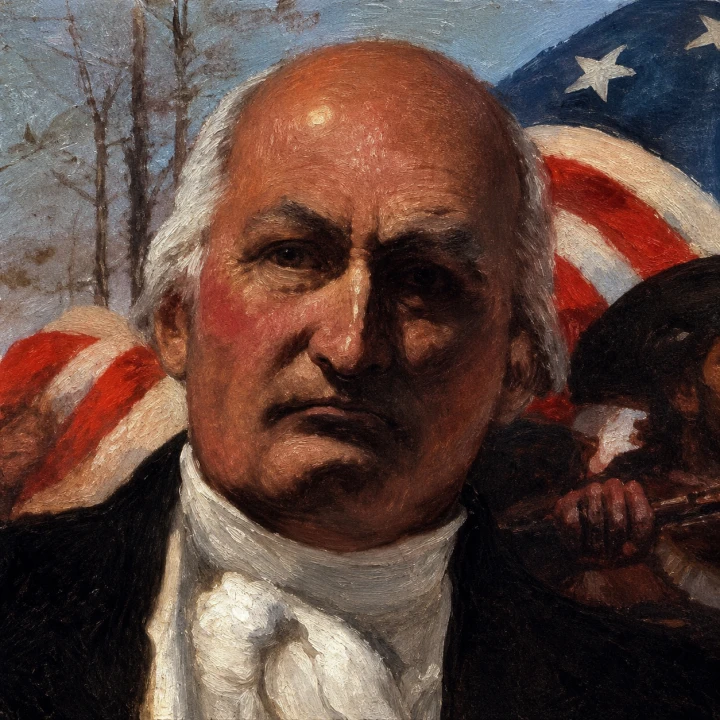
In 2026, We the Italians celebrates “Two Anniversaries, One Heart” – the 250th anniversary of the United States and the 80th anniversary of the Italian Republic. This article is part of the “Happy Birthday USA: Unsung Italian Heroes” project, in which we share how, in every corner of the United States, an Italian has made a positive impact on their local community.
---
Francesco Vigo. How an Italian immigrant came to the aid of the American revolution
Francesco Vigo came to Indiana in 1778, a spy for General John Rodgers Clark against the British.
But Francesco had been in North America since 1769, arriving with the Spanish Army as a soldier.
We cannot know the reasons why he left his birthplace of Mondovi, Italy in the province of Piedmont to join the Spanish Army, but some of the clues may lie within his surname.
“Vigo” has Spanish and Italian origins. There is a city named Vigo in northwestern Spain and history tells us that in 1492, Spanish Jews were expelled from the country. Some of them settled in Mondovi where they thrived until a ghetto was formed only 25 years before Francesco’s birth.
We don’t know that this was Francesco’s lineage, but he must have felt the pull toward adventure and opportunities in the New World, because he left his home and whatever family he had in Italy and never looked back.
The Spanish Army landed in New Orleans in 1769 to defend their interests against the British but by 1772, young Francesco was discharged and set his sights on business.
He chose St. Louis and fur trading, a lucrative enterprise that attracted mostly French adventurers who had come to help the colonies’ quest to become an independent country.
Francesco provided supplies, information and financing to George Rogers Clark who was endeavoring to take British-occupied Fort Sackville in Vincennes, Indiana.
Francesco set off for Vincennes and was taken prisoner by the British. They had no case against this fur trader, so he was released, on condition that he return to St. Louis and do no harm to the British cause.
He complied with the first part but then returned to Vincennes.
His time as a prisoner had been well spent. He had a detailed map of the Fort, and other critical intelligence which he shared with the General. The ensuing victories during Clark’s winter campaign were the breakthrough that secured Indiana and surrounding territories, for which the General credited Francesco.
Francesco also showed his support for the American cause by providing funds from his own pocket. The fur trading business must have given him a largesse, because the loans he made to Clark were the equivalent of $50,000 in today’s money.
He made Vincennes his home and was a financier of Vincennes University, still in existence today.
Vigo County was named for this brilliant and enterprising Italian immigrant in 1818, and this honor came prior to his death. Sadly, the loans he made were not paid during his lifetime. He died at 88 in poverty, never having married.
Perhaps tellingly, he left a provision in his will that if any monies were paid, they were to be used to make a bell for the Vigo County Courthouse. Fifty years later, some of the money came through and a two-ton bell was installed, and to this day tolls the hours.
I like to think that in his last days Francesco Vigo was remembering the sound of the bells in his hometown of Mondovi, Italy.
Nel 2026 We the Italians celebra Two Anniversaries One Heart, i 250 anni degli Stati Uniti e gli 80 anni della Reubblica Italiana. Questo articolo fa parte del progetto Happy Birthday USA: The Unsung Italian Heroes, in cui raccontiamo perchè in ogni angolo degli Stati Uniti qualcuno italiano ha lasciato un impatto positivo per il singolo territorio.
---
Francesco Vigo. Come un immigrato italiano venne in aiuto della Rivoluzione americana
Francesco Vigo arrivò in Indiana nel 1778 come spia del generale George Rogers Clark contro gli inglesi.
Francesco, tuttavia, si trovava in Nord America già dal 1769, quando vi era giunto come soldato dell’esercito spagnolo.
Non possiamo conoscere le ragioni per cui lasciò la sua città natale, Mondovì, in Piemonte, per arruolarsi nell’esercito spagnolo, ma alcuni indizi potrebbero trovarsi nel suo cognome.
“Vigo” ha origini sia spagnole sia italiane. Nel nord-ovest della Spagna esiste una città chiamata Vigo e la storia ci racconta che, nel 1492, gli ebrei spagnoli furono espulsi dal Paese. Alcuni di loro si stabilirono a Mondovì, dove prosperarono fino alla creazione di un ghetto, avvenuta appena 25 anni prima della nascita di Francesco.
Non sappiamo se Francesco appartenesse a questa discendenza, ma certamente dovette sentire il richiamo dell’avventura e delle opportunità offerte dal Nuovo Mondo, perché lasciò la propria casa e la famiglia che aveva in Italia senza mai voltarsi indietro.
L’esercito spagnolo sbarcò a New Orleans nel 1769 per difendere i propri interessi dagli inglesi, ma nel 1772 il giovane Francesco fu congedato e decise di dedicarsi agli affari.
Scelse St. Louis e il commercio delle pellicce, un’attività redditizia che attirava soprattutto avventurieri francesi giunti per sostenere la lotta delle colonie per diventare un Paese indipendente.
Francesco fornì rifornimenti, informazioni e finanziamenti a George Rogers Clark, impegnato a conquistare Fort Sackville, occupato dagli inglesi, a Vincennes, in Indiana.
Francesco partì per Vincennes, ma fu catturato dagli inglesi. Non avevano prove contro quel commerciante di pellicce e quindi lo liberarono, a condizione che tornasse a St. Louis e non arrecasse alcun danno alla causa britannica.
Rispettò la prima parte dell’accordo, ma successivamente tornò a Vincennes.
Il periodo trascorso in prigionia si era rivelato molto utile. Francesco aveva realizzato una mappa dettagliata del forte e raccolto altre informazioni cruciali, che condivise con il generale. Le vittorie ottenute durante la campagna invernale di Clark rappresentarono la svolta che assicurò agli americani il controllo dell’Indiana e dei territori circostanti – un successo per il quale il generale riconobbe il merito di Francesco.
Francesco dimostrò il proprio sostegno alla causa americana anche mettendo a disposizione denaro di tasca propria. Il commercio delle pellicce doveva avergli procurato una notevole fortuna, perché i prestiti concessi a Clark equivalevano a circa 50.000 dollari di oggi.
Scelse Vincennes come propria casa e contribuì a finanziare la Vincennes University, ancora oggi esistente.
Nel 1818, la contea di Vigo fu chiamata così in onore di questo brillante e intraprendente immigrato italiano. Francesco ricevette questo riconoscimento quando era ancora in vita. Purtroppo, i prestiti che aveva concesso non furono rimborsati durante la sua esistenza. Morì in povertà all’età di 88 anni, senza essersi mai sposato.
Forse non è un caso che nel suo testamento avesse stabilito che, qualora il denaro gli fosse stato restituito, avrebbe dovuto essere utilizzato per realizzare una campana destinata al tribunale della contea di Vigo. Cinquant’anni dopo, una parte della somma venne finalmente versata e fu installata una campana del peso di 2 tonnellate, che ancora oggi scandisce il passare delle ore.
Mi piace immaginare che, durante i suoi ultimi giorni, Francesco Vigo ricordasse il suono delle campane della sua città natale, Mondovì, in Italia.