In 2026, We the Italians celebrates “Two Anniversaries, One Heart” – the 250th anniversary of the United States and the 80th anniversary of the Italian Republic. This article is part of the “Happy Birthday USA: Unsung Italian Heroes” project, in which we share how, in every corner of the United States, an Italian has made a positive impact on their local community.
---
The frontier builder. How the Italian Samuel Mazzuchelli changed Wisconsin
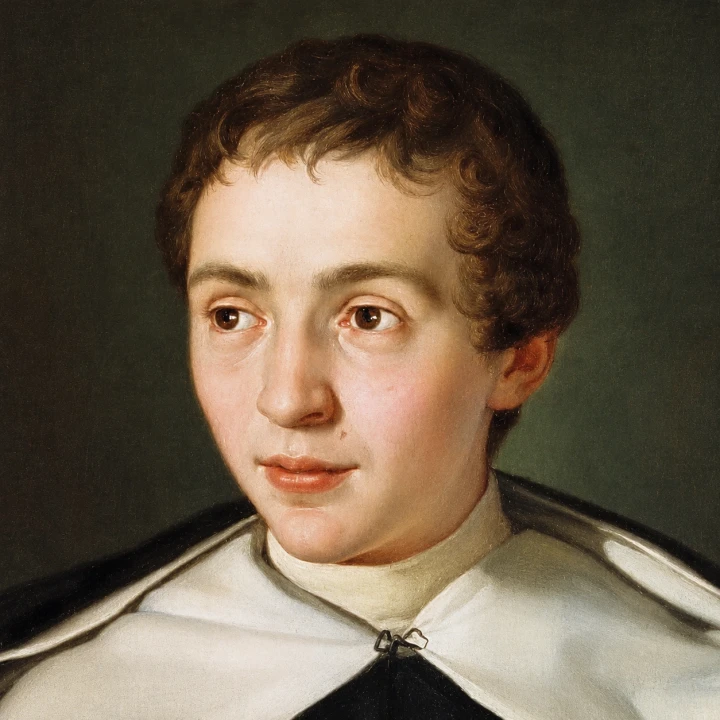
When we talk about the pioneers who shaped the face of the American Midwest, the name of Samuel Mazzuchelli (born Carlo Gaetano Samuele Mazzuchelli) shines with a unique light. This Dominican friar and missionary, born in Milan in 1806 to an aristocratic and influential family, left an indelible and extraordinarily positive mark on the state of Wisconsin. His legacy inextricably links the genius, culture, and humanitarian spirit of his Italian origins with the very birth of the state's civil society.
Arriving on the complex American frontier in 1828 at just 22 years old, Mazzuchelli faced a wild and multicultural territory inhabited by Native Americans, French fur traders, and immigrant miners. Backed by a vast cultural background that ranged from classical languages to architecture, he threw himself headfirst into his mission. To get around, he braved harsh winters on foot, on snowshoes, or by canoe, covering areas that today exceed 50,000 square miles.
His importance to Wisconsin developed on three main fronts.
As a builder and architect, drawing on the architectural principles he learned in Italy, Mazzuchelli personally designed and built more than 24 churches and several civic buildings across the Midwest. He was responsible for the first Catholic church in Wisconsin, St. John the Evangelist in Green Bay (1831). His structures, characterized by elegant proportions inspired by European neoclassicisms, brought the beauty of Italian art into the heart of the American frontier.
In terms of education, firmly believing it was the key to social empowerment, he founded pivotal schools and academies. Among these were the Sinsinawa Mound College and the St. Clara Female Academy in Benton, one of the first institutions to offer advanced science and arts courses to young women. He also founded the Sinsinawa Dominican Sisters, a congregation that remains highly active in education today.
Finally, as an advocate for human rights - and contrary to the colonial mindset of the era - Mazzuchelli showed deep respect for Native Americans (specifically the Menominee, Ho-Chunk/Winnebago, and Ojibwe/Chippewa). He learned their languages and published prayer books and liturgical almanacs for them, which actually represent the very first printed texts in the state of Wisconsin. He was also a staunch opponent of slavery.
His influence was so vast that in 1836, at the birth of the Wisconsin Territory, local lawmakers asked him to open the legislature's first official session with a prayer and a speech on civic duties. The Irish settlers, who deeply loved him for his selflessness, even "adopted" him, affectionately Americanizing his surname to "Father Matthew Kelly."
Father Mazzuchelli died of pneumonia in Benton in 1864 at the age of 57, after walking through the winter freeze to give the last rites to a sick parishioner. Declared Venerable by Pope John Paul II in 1993, he stands today as the noblest symbol of the Italian contribution to Wisconsin history: a perfect blend of lived faith, artistic genius, and total dedication to the common good.
Nel 2026 We the Italians celebra Two Anniversaries One Heart, i 250 anni degli Stati Uniti e gli 80 anni della Reubblica Italiana. Questo articolo fa parte del progetto Happy Birthday USA: The Unsung Italian Heroes, in cui raccontiamo perchè in ogni angolo degli Stati Uniti qualcuno italiano ha lasciato un impatto positivo per il singolo territorio.
---
Il costruttore della frontiera. Come l'italiano Samuel Mazzuchelli ha cambiato il Wisconsin
Quando parliamo dei pionieri che hanno plasmato il volto del Midwest americano, il nome di Samuel Mazzuchelli (nato Carlo Gaetano Samuele Mazzuchelli) brilla con una luce unica. Questo frate domenicano e missionario, nato a Milano nel 1806 da un'aristocratica e influente famiglia, ha lasciato un'impronta indelebile e straordinariamente positiva nello stato del Wisconsin. La sua eredità unisce in modo indissolubile il genio, la cultura e lo spirito umanitario delle sue origini italiane con la nascita della stessa società civile dello Stato.
Arrivato nella complessa "frontiera" americana nel 1828 a soli 22 anni, Mazzuchelli si trovò davanti a un territorio selvaggio e multiculturale, abitato da nativi americani, cacciatori di pellicce francesi e minatori immigrati. Con una vastissima cultura alle spalle, che spaziava dalle lingue classiche all'architettura, si gettò a capofitto nella sua missione. Per spostarsi affrontava inverni rigidissimi a piedi, con le racchette da neve o in canoa, coprendo aree che oggi superano i 130.000 chilometri quadrati.
La sua importanza per il Wisconsin si sviluppa su tre fronti principali.
Come costruttore e architetto, sfruttando le nozioni di architettura apprese in Italia, Mazzuchelli progettò e costruì personalmente più di 24 chiese e diversi edifici civili nel Midwest. A lui si deve la prima chiesa cattolica del Wisconsin, St. John the Evangelist a Green Bay (1831). Le sue strutture, caratterizzate da proporzioni eleganti ispirate al neoclassicismo europeo, portarono la bellezza dell'arte italiana nel cuore della frontiera americana.
Dal punto di vista dell’istruzione, fermamente convinto che essa fosse la chiave per il riscatto sociale, fondò scuole e accademie fondamentali, come il Sinsinawa Mound College e la St. Clara Female Academy a Benton, una delle prime istituzioni a offrire corsi avanzati di scienze e arti alle giovani donne. Fondò inoltre le Suore Domenicane di Sinsinawa, una congregazione tuttora attivissima nel campo dell'insegnamento.
Infine, in qualità di difensore dei Diritti Umani, contrariamente alla mentalità coloniale dell'epoca, Mazzuchelli mostrò un profondo rispetto per i nativi americani (Menominee, Winnebago, Chippewa). Ne imparò le lingue e pubblicò per loro libri di preghiere e almanacchi liturgici, che di fatto rappresentano i primi testi stampati in assoluto nello stato del Wisconsin. Fu inoltre un forte oppositore della schiavitù.
La sua influenza fu così vasta che nel 1836, alla nascita del Territorio del Wisconsin, i legislatori locali gli chiesero di aprire la prima seduta ufficiale del parlamento con una preghiera e un discorso sui doveri civili. I coloni irlandesi, che lo amavano profondamente per il suo altruismo, lo avevano persino "adottato" storpiando affettuosamente il suo cognome in "Father Matthew Kelly".
Padre Mazzuchelli morì di polmonite a Benton nel 1864, a 57 anni, contratta dopo aver camminato nel gelo invernale per dare l'estremo saluto a un malato. Dichiarato Venerabile da Papa Giovanni Paolo II nel 1993, rappresenta oggi il simbolo più nobile dell'apporto italiano alla storia del Wisconsin: un mix perfetto di fede vissuta, ingegno artistico e totale dedizione al bene comune.