

A toy car hurtles around an orange track. A village in Sardinia becomes a labyrinth of secrets. A grieving man searches for a way to change the past. These experiences share an unexpected connection: Italian creators helped bring them to life. Alongside movies, music, and theater, video games offer another stage for Italian imagination, one where audiences hold the controller.
The appeal lies in participation. A movie determines when viewers discover a clue; a game can ask them to find it. Music responds to movement, landscapes invite exploration, and decisions shape the experience. Italian developers work with these possibilities in strikingly different ways, creating everything from intimate emotional journeys to racing spectacles and adventures featuring internationally beloved characters.
Consider Mario + Rabbids Kingdom Battle, released in 2017. Developed by Ubisoft Milan and Ubisoft Paris, it brought Nintendo’s familiar heroes together with Ubisoft’s mischievous Rabbids in a colorful tactical adventure. Italian creative director Davide Soliani helped guide a project that combined playful comedy with carefully constructed battles. By August 2022, Ubisoft reported that the game had reached 10 million players.
Its sequel, Mario + Rabbids Sparks of Hope, arrived in 2022, expanding the adventure into space. Behind the accessible humor was an international collaboration involving designers, animators, artists, and composers. The Italian contribution belonged to a shared creative enterprise: an example of talent developed in Italy helping reinvent characters enjoyed across generations and continents.
A very different experience awaits in Last Day of June, developed by Italian studio Ovosonico and released in 2017. Directed by Massimo Guarini, the game explores love, loss, and the desire to undo a tragedy. Its expressive characters and painterly environments turn a small community into the setting for an intensely personal story.
The collaboration included musician Steven Wilson and animator and director Jess Cope. Here, interaction gives emotional weight to ordinary actions. Players revisit events and attempt to alter their consequences, making the longing to change the past something they actively experience. The result shows how a video game can occupy territory familiar to cinema while telling its story through participation.
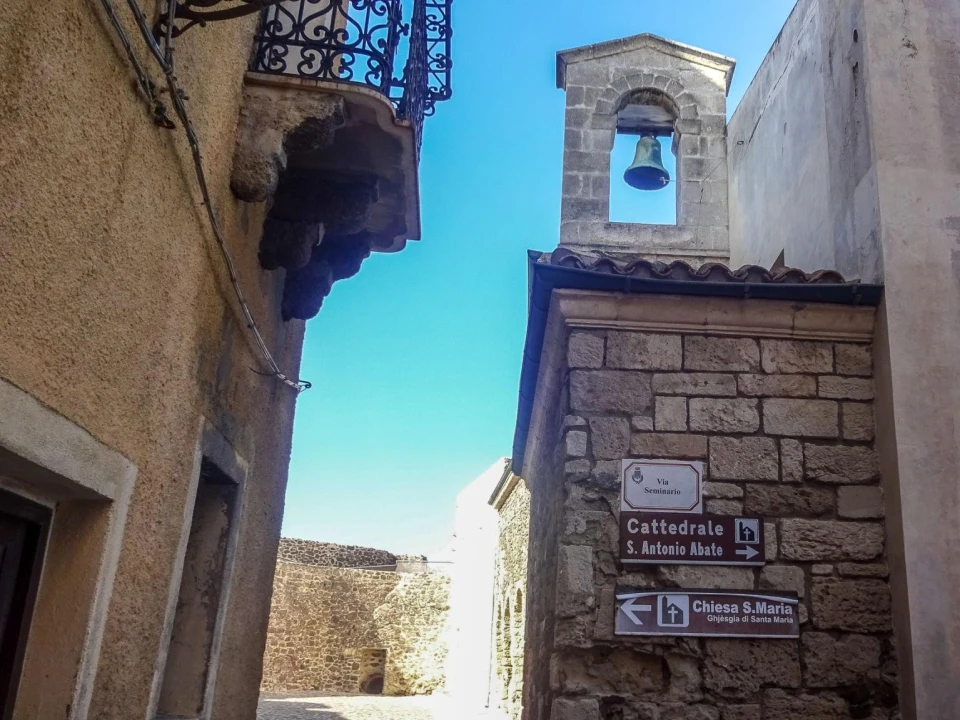
Then there is Saturnalia, from Milanese studio Santa Ragione. Set in the fictional Sardinian village of Gravoi, it transforms architectural influences, local atmosphere, and cultural research into a distinctive survival horror experience. Its setting draws on Sardinia without presenting its invented mythology as authentic folklore. The island becomes a creative starting point for an unsettling fictional world.
Speed offers another route into Italian game design. Founded in Milan in 1996, Milestone has built its identity around racing, from motorcycles to miniature cars. Its Hot Wheels Unleashed games translate Mattel’s toys into exuberant digital competition. Familiar orange tracks become twisting courses, connecting childhood play with the precision and spectacle of contemporary interactive entertainment.
Behind these varied experiences is a growing production community. Industry figures for 2024 identified roughly 200 Italian video game businesses and around 2,800 workers, with estimated production revenue of €180 million–€200 million. Those figures describe the creators’ industry, distinct from the much larger amount consumers spend buying games and hardware in Italy.
For audiences abroad, the pleasure is discovering Italian creativity in an unfamiliar form. Sometimes Italy appears directly, through a landscape or cultural reference. Sometimes its contribution emerges through visual invention, comic timing, engineering, or an emotionally ambitious story. There is no single Italian gaming style, and that variety is precisely what makes the field interesting. A controller can open the door to many Italies: playful, mysterious, technically inventive, and deeply human, each inviting the audience to do more than watch. The next scene begins when someone decides to press a button.