
The 2026 Winter Olympics in Italy drew to a spectacular close yesterday with a closing ceremony held in the ancient Arena of Verona, a UNESCO World Heritage: it is the first time that one of these sites hosts such a global sports event.
Over 12,000 spectators packed the stone amphitheater as the Games wrapped up after 17 days of competition that spanned northern Italy, from Milan’s ice rinks to Cortina d’Ampezzo’s mountain slopes. The twin Olympic cauldrons in Milan and Cortina d’Ampezzo were ceremonially extinguished, marking the end of the XXV Olympic Winter Games.
The closing show, titled “Beauty in Action,” blended Italy’s artistic traditions with modern spectacle – from opera and ballet to pop music and lively DJ sets – reflecting the nation’s cultural breadth.
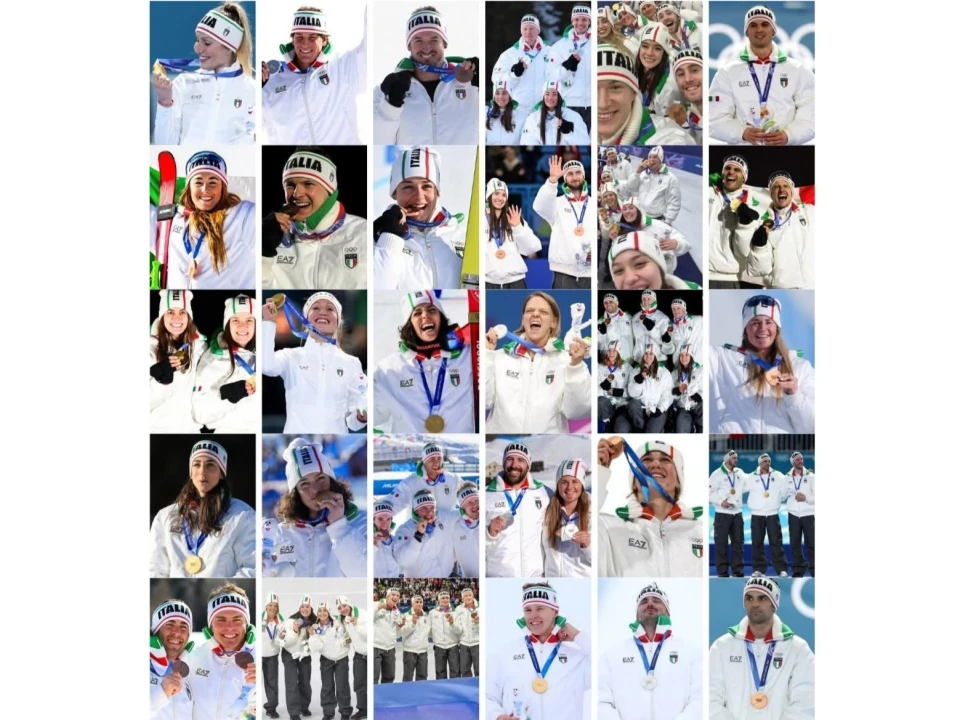
Italy’s performance on home snow and ice was historic. The host nation earned a total of 30 medals – the highest tally in its Winter Olympics history – including 10 golds, 6 silvers, and 14 bronzes, far surpassing its previous record of 20 medals set in 1994. This medal haul secured Italy a 4th-place finish in the overall standings, its best placement ever at the Winter Games. Among Italian athletes, some delivered particularly memorable results. Francesca Lollobrigida, celebrating her 35th birthday, dominated long-distance speed skating, winning gold in both the 3000m and the 5000m races and setting a new Italian record in the longer distance. Federica Brignone added a gold medal in women’s Super-G, thrilling crowds with her commanding downhill run. Arianna Fontana, already a legend of Italian short track, became the most decorated Italian Olympian of all time, extending her career medal total to 14 with multiple podium finishes in Milan-Cortina.
Success for Italy also came across a wide range of disciplines. Italian athletes earned medals in speed skating, alpine skiing, short track, skeleton, and even sliding sports like luge and bobsled, marking medaling in more than 10 different sports for the first time. The diversity of podium finishes – from ice arenas to mountain trails – underscored the depth and breadth of Italian winter sports and captivated the nation.
Beyond athletic achievement, the Games were widely praised for their organizational strength. The International Olympic Committee, led by President Kirsty Coventry, lauded Italy for staging a smooth, sustainable and culturally resonant Olympics that set a high standard for future hosts. In recognition of this achievement, the IOC awarded the Olympic Order in gold – the highest honor it bestows – to both President Sergio Mattarella and Prime Minister Giorgia Meloni for their leadership and unwavering support in making the Milano-Cortina Games successful and unforgettable. Additional Olympic Orders in silver were given to key ministers and local leaders involved in organizing the events.
The Verona closing ceremony itself made history. Staged in a Roman amphitheater built nearly 2,000 years ago, it symbolized the continuity between ancient cultural achievement and modern global sport. Italian performers and dancers celebrated the nation’s artistic heritage as athletes from 92 countries gathered to bid farewell and celebrate solidarity, unity, and competitive spirit. As the Olympic flame dimmed and the French Alps were acknowledged as the next host, Italy stood at the center of the world’s attention – a proud host of Games both magical in spectacle and record-breaking in performance.