Italian emigration to the United States came, of course, initially to the East Coast. Then the Italians spread throughout America, but many remained on the Atlantic coast. Not all of them, however, settled in New York, New Jersey or Connecticut. Some went north and stayed in Rhode Island, others further up Massachusetts, others even continued north to New Hampshire.
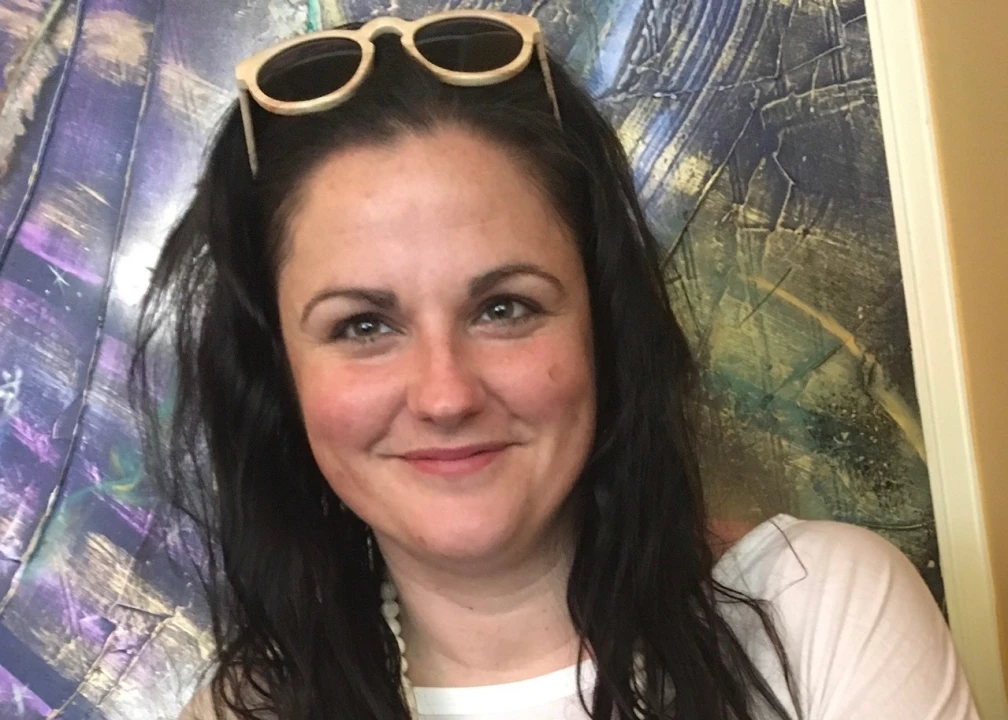
New Hampshire, the Granite State, is the protagonist of this interview, another stop on our tour of Italy in America. We are joined by a dear friend, who is also the Ambassador of We the Italians in this state: Anna Marra is a young Italian who is very committed to teaching Italian language and culture, and to researching the history of Italy in New Hampshire. We welcome her and thank her for what she does for our country.
Anna, first of all, please tell me about yourself. Where are your origins in Italy, and when and how did you come to the United States?
I am from Cervignano del Friuli, a town near Udine, in the North-East part of Italy. I moved to the U.S. in 2012 because I was accepted into the Ph.D. program in Italian Language and Literature at Yale University. I completed my dissertation titled Dante and Meditation and fell in love with documentary filmmaking. After spending some time teaching at the University of Connecticut, I joined the University of New Hampshire, where I now teach Italian language, literature, culture, and cinema.
You have been working in New Hampshire for only two years, but you clearly care about the promotion and diffusion of Italian culture. Can you tell us about some of the ways in which you do that through your work?
I am convinced that one of the secrets to living a rich life is to stay connected with the land – where you come from and where you live. Teaching gives me a wonderful opportunity to meet students interested in exploring their Italian heritage and their love for Italian traditions. As soon as I started my job at UNH, one of my top priorities was to create a collaboration between students and members of Italian American Societies in New Hampshire. These members cherish their Italian identity and their mission is to share and preserve Italian culture.
For my Italian American Lab, students were involved in hands-on research within the community in order to investigate the implications of being Italian American as it relates to several broader topics, including gender, culture, and politics. Along with my colleagues, I designed a project called Italian American Foodways. As part of this project, I am directing and producing a short documentary exploring diverse and underrepresented facets of Italian American identity in New Hampshire. This involves the active participation of Italian American Societies. This fall, the Italian Studies Program will participate in an event sponsored by the Consulate General of Italy in Boston. We will host a short Film Festival as part of the Rassegna del Cinema in New England 2021. And while on the subject of cinema, I want to mention the work of two of my esteemed colleagues - Amy Boyle and Nicole Gercke – who have been organizing the Cinema Ritrovato on Tour for the past three years.
Please tell us about the “Italian American Roots”: it’s a magazine you created with your students, right?
Last spring, I had the privilege of teaching a research seminar to a group of very talented students. During the semester, we worked on a collaborative project: the creation of an online magazine, Italian American Roots. Each student contributed with his or her expertise, time, and energy, exploring a lesser-known aspect of Italian culture and how it shaped the culture of New England. They wrote different articles covering a variety of topics related to Italian American identity. These topics included: family, history, art, food, and society.
The mission of Italian American Roots is to study, share, and document the legacy of Italy as it continues to flourish on U.S. soil. We hope that as a result, readers will gain a greater appreciation of Italian American culture and the underrepresented facets of its distinctiveness. Finally, I am currently working on creating a website with the same title – Italian American Roots – in order to host our magazine and further collaborations between students and Italian Americans in New Hampshire.
Please tell me more about “Italian American Foodways”
This is an exciting project created in collaboration with all of my colleagues - Amy Boylan, Piero Garofalo, Nicol Gercke, and Anna Wainwright - and the support of the UNH Center for the Humanities. The New Hampshire Italian American Foodways Project aims to dig deeper into the past and present of Italian food in the United States, and particularly into the Italian American foodways of New Hampshire. Through research, interviews, hands-on workshops by well-known N.H. Italian American chefs, public panel discussions, and a documentary film, this project will help preserve Italian American food traditions in New Hampshire for future generations.
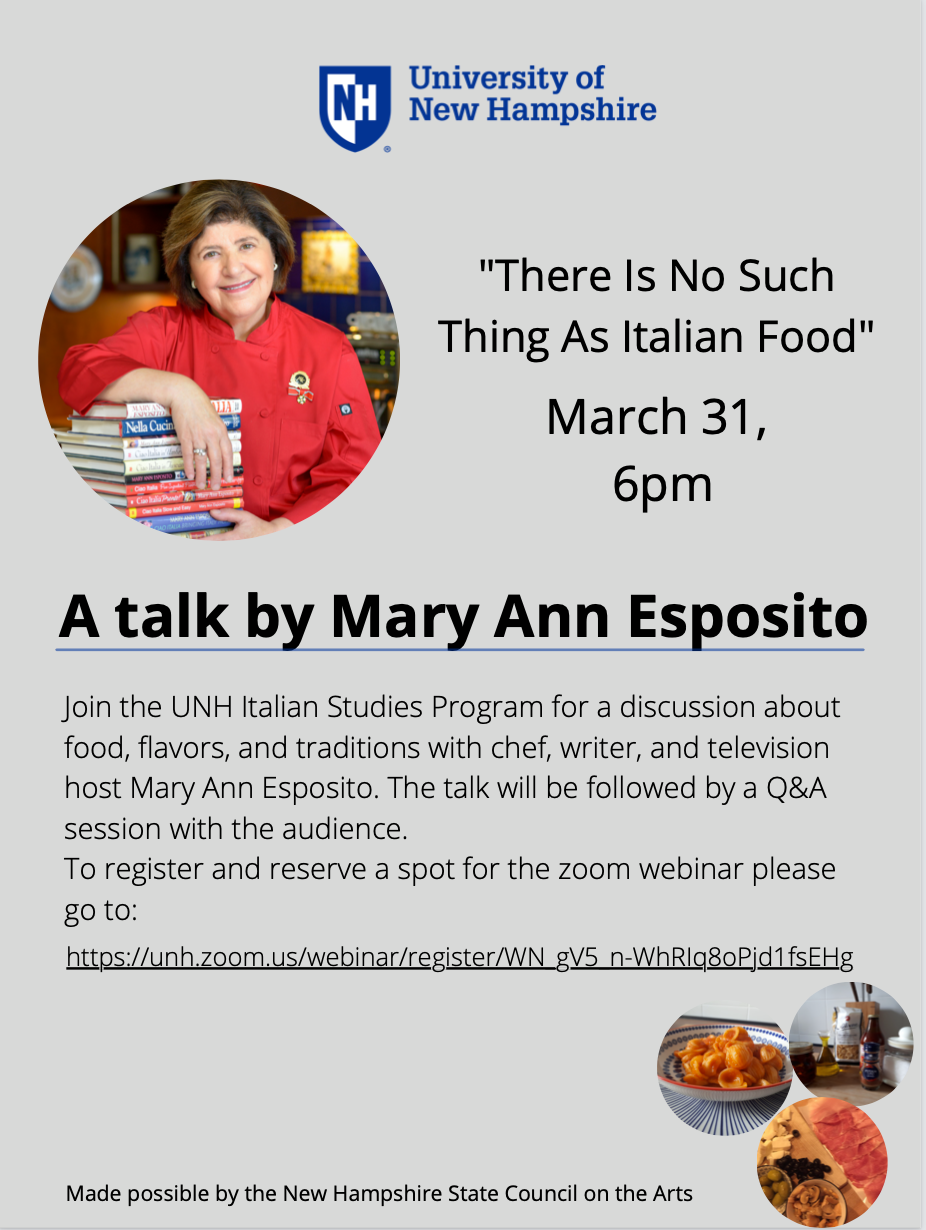
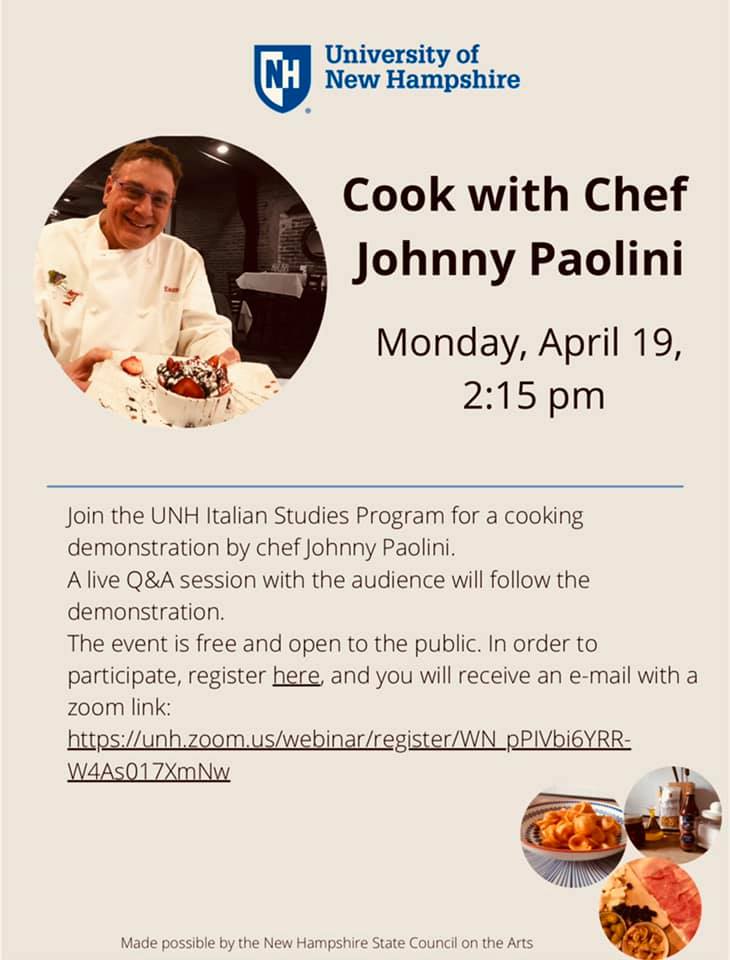
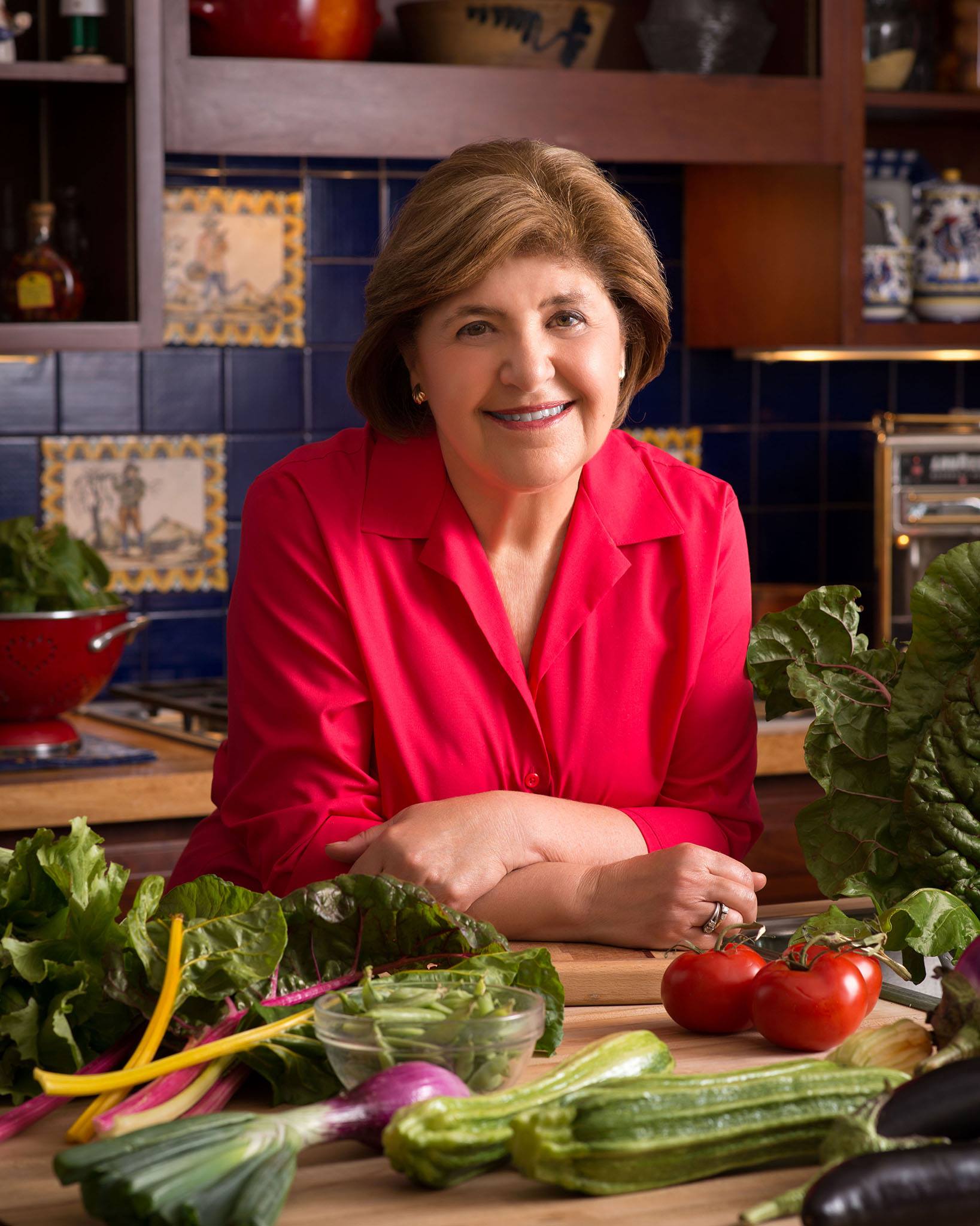
To kick off our event calendar in the spring, I organized two events: a talk by the beloved chef and TV host Mary Ann Esposito titled “There is no such Thing as Italian Food” - I am proud to say that more than 350 people signed up for the event - and a cooking demonstration with Chef Johnny Paolini. During this second event, Johnny, the owner of the restaurant Piccola Italia in Manchester (N.H.), taught the participants how to cook some of the most famous dishes from his menu. We are organizing many more events in the fall. Finally, I want to mention that the project received funding from the New Hampshire State Consul on the Arts and their Folklife and Traditional Arts grant program.
I understand that with your students, you are also creating a website about some Italian Americans in a specific field, right?
This summer, thanks to the New Hampshire Humanities Collaborative-Mellon Grant, I was given the opportunity to work on a new project I really care about: creating a website that documents the often-overlooked history of Italian immigrants who fought for social justice and human rights. The project intends to shed light on these forgotten heroes and recover their writings, teachings, and stories so they can inspire us anew today. To complete this project, I am working with two talented interns - Melanie Watts and Katlynn Read.
Through this website, we seek to engage the public in a dialogue about the diverse experiences of immigrants and their fight for social justice in the U.S. This is a work in progress, so if any of the readers of We the Italians are interested in contributing to this project, they can email me at [email protected].
Let’s talk about Italy in New Hampshire. Who were the Italians who arrived there? Are there any places or people that have been or are still important to the Italian American community in the Granite State?
Although there are few studies on the presence of Italians in New Hampshire, according to the New England Historical Society, “New Hampshire ranks as the seventh most Italian state in the country. Nearly 11 percent of its residents say they have Italian ancestors.”
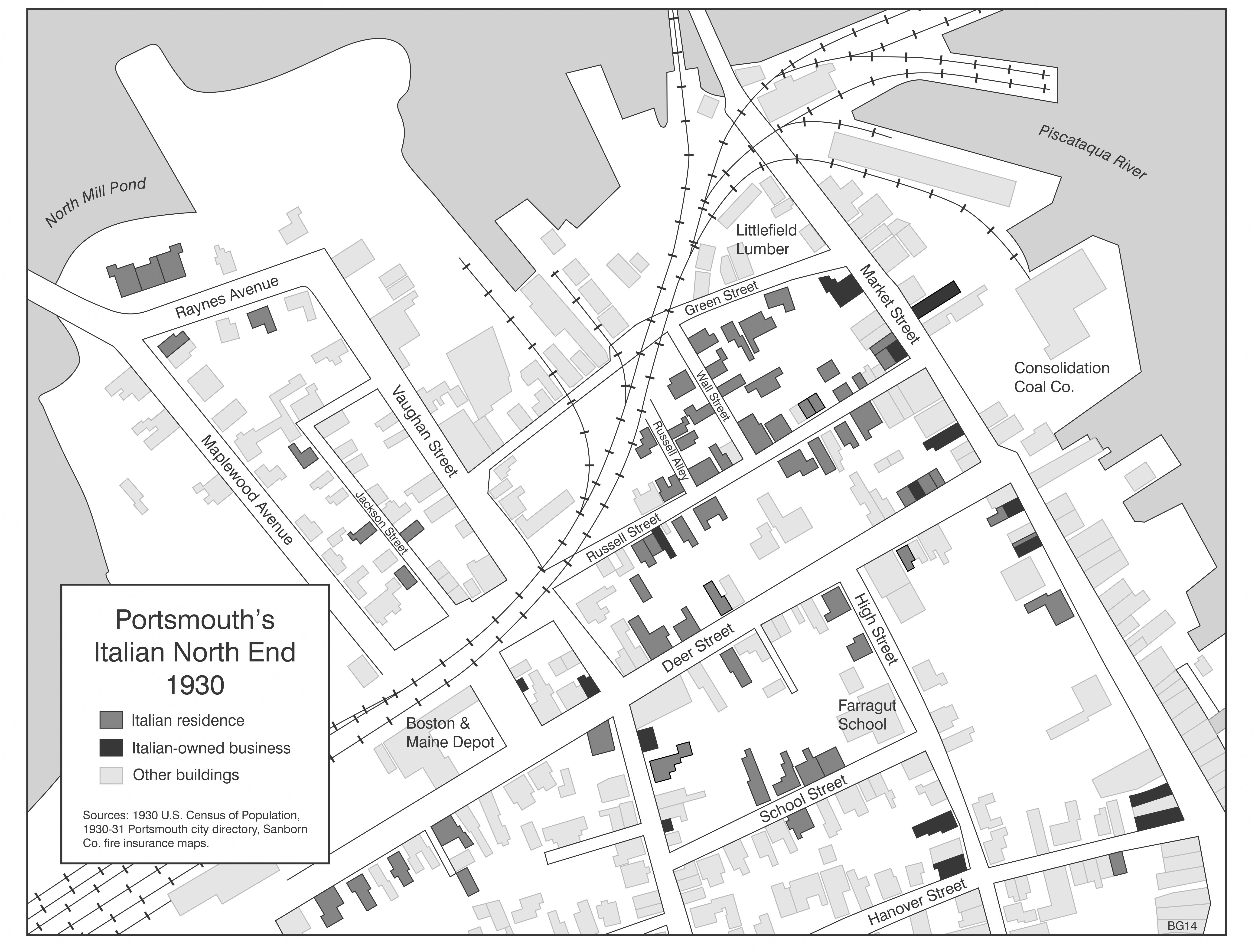
Portsmouth, a city on the Piscataqua River, had its own Little Italy called “North End” on Russel Street. Many arrived in the city searching for a job in the shoe and button factories, construction trades, or the Portsmouth Naval Shipyard. The North End neighborhood was destroyed in the early 1970s during urban renewal projects. What remains today of that Little Italy are just a few documents and pictures (preserved at the Portsmouth Public Library and the Strawbery Banke Museum), the memories of those who lived there, and a commemorative bench.
When it comes to important personalities in the area, I would like to mention Mary Ann Esposito. She is the author of 13 cookbooks and the creator and host of the PBS series Ciao Italia with Mary Ann Esposito. The program is America's longest-running television cooking series. In addition, she created The Mary Ann Esposito Foundation to support culinary students. For her tremendous role in sharing traditional Italian cooking and history with audiences worldwide, she received the title Cavaliere dell'Ordine della Stella d'Italia (Knight of the Order of the Star of Italy) from the President of the Italian Republic and won the Premio Artusi (Artusi Award).
Are there Italian or Italian American Associations?
There are four important Italian American Associations in New Hampshire.
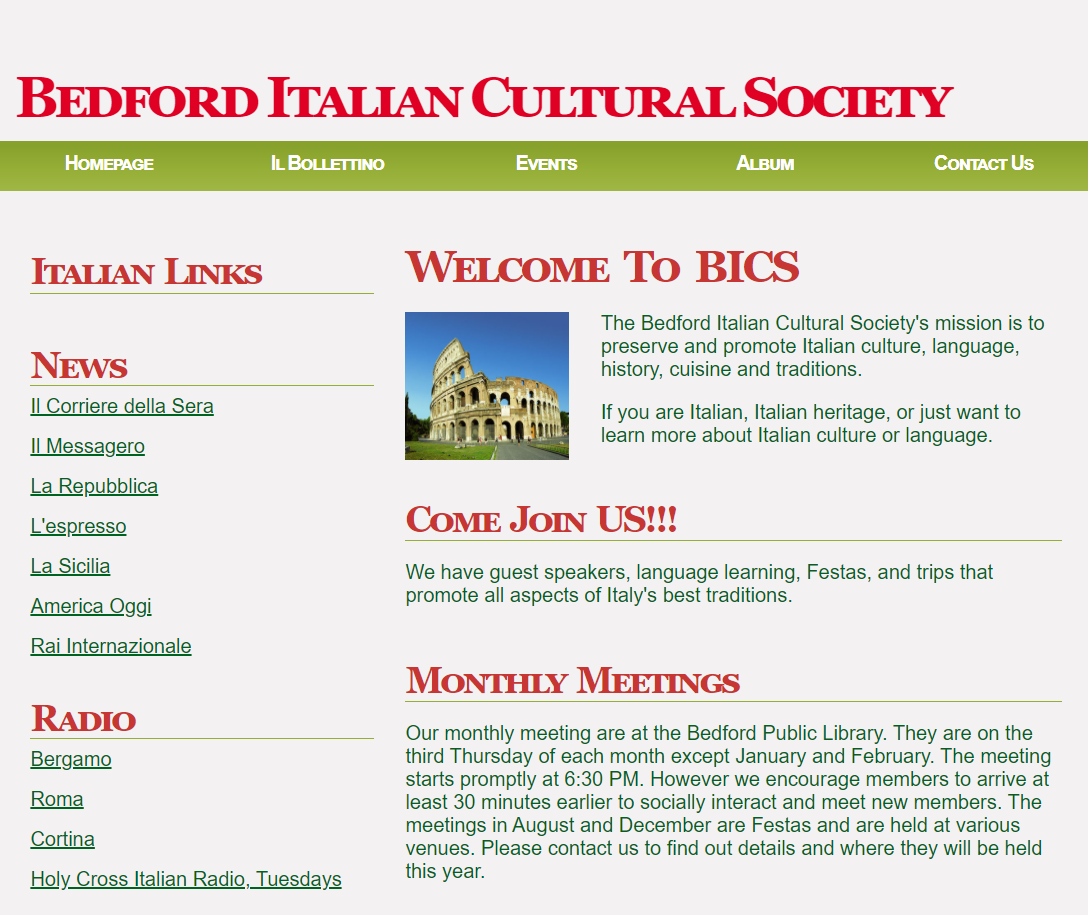
The Bedford Italian Cultural Society, whose mission is “to preserve and promote Italian culture, language, history, cuisine, and traditions,” was started in 1995 by Dora Hastings and Joyce Traskler. Its members still meet today at the Bedford Library. They have a monthly meeting as well as a weekly conversation hour in Italian. To learn more about this society, one can read Jennifer Barbuto’s interview with Richard Floreani and John Caruso published in Italian American Roots in the spring of 2021.
The New Hampshire Lakes Region Italian Cultural Club is based in Laconia. Sometimes they meet at the club, but they also meet at other venues, such as a winery or museum in Boston. Club members get together monthly over dinner and usually invite a guest speaker who presents on subjects related to Italian culture. Occasionally, they run a community-wide event to promote Italian culture or the club.
Finally, there are the two Lodges of the Order Sons and Daughters of Italy in America – one in Portsmouth and one in Rochester – that are part of the Grand Lodge of Massachusetts. I recall that We the Italians published an article on the history of this national organization in 2019 on the 104th anniversary of its foundation.
Is “Made in Italy” famous in New Hampshire? Is it hard to find Italian products? Is there room for improvement?
I think that “Made in Italy” in New Hampshire is mostly manifested through the flavors and smells of the kitchen (the one made famous by Mary Ann Esposito). Italian food and wine are still the soul of what is perceived as “Italianness.” As the book The Milk of Almonds (edited by Edvige Giunta and Louise DeSalvo) has shown, the stories of Italian families and traditions are often associated with food and recipes. New Hampshire is abundant in Italian markets that offer well-known Italian products such as olive oil, cheese, and pasta, as well as more regional ones.
A good example of a successful marketing business is “Tuscan Market” with locations in both Portsmouth and Salem (the most Italian city in New Hampshire) and three others in Massachusetts. Just like the more popular Eataly, it makes both authentic ingredients available for sale and freshly-prepared foods, and it acts both as a restaurant and as a market. Improvement? It is always possible. Especially because the Granite State - with no sales tax or income tax – is the perfect place to start a business.
L’emigrazione italiana negli Stati Uniti arrivò, come è ovvio, all’inizio sulla costa est. Poi gli italiani si distribuirono in tutta l’America, ma moltissimi rimasero sulla costa dell’Atlantico. Non tutti però si stabilirono a New York, o nel New Jersey o nel Connecticut. Alcuni andarono a nord e si fermarono nel Rhode Island, altri più su nel Massachusetts, e altri ancora continuarono a nord fino al New Hampshire.
Ecco, è il New Hampshire, il Granite State, il protagonista di questa nostra intervista, un’altra tappa del nostro giro tra l’Italia in America. A farci compagnia c’è una cara amica, che è anche Ambassador di We the Italians in questo Stato: Anna Marra è una giovane italiana che è molto impegnata nell’insegnamento della lingua e della cultura italiana, e nella ricerca sulla storia dell’Italia in New Hampshire. Le diamo il benvenuto, e la ringraziamo per quanto fa per il nostro Paese.
Anna, prima di tutto, parlami di te. Dove sono le tue origini in Italia, e quando e come sei arrivata negli Stati Uniti?
Sono di Cervignano del Friuli, una città vicino a Udine, nella parte nord-orientale dell'Italia. Mi sono trasferita negli Stati Uniti nel 2012 perché sono stata accettata nel programma di dottorato in Lingua e Letteratura Italiana alla Yale University. Ho completato la mia tesi dal titolo Dante and Meditation e mi sono innamorata del cinema documentario. Dopo aver passato un po' di tempo a insegnare all'Università del Connecticut, sono entrata all'Università del New Hampshire, dove ora insegno lingua, letteratura, cultura e cinema italiani.
Lavori nel New Hampshire da soli due anni, ma è chiaro che hai a cuore la promozione e la diffusione della cultura italiana. Puoi parlarci di alcuni dei modi in cui lo fai attraverso il tuo lavoro?
Sono convinta che uno dei segreti per vivere una vita ricca sia quello di rimanere connessi con la terra - quella da dove si proviene e quella dove si vive. Insegnare mi dà una meravigliosa opportunità di incontrare studenti interessati ad esplorare il loro patrimonio culturale italiano e il loro amore per le tradizioni italiane. Appena ho iniziato il mio lavoro all'UNH, una delle mie principali priorità è stata quella di creare una collaborazione tra gli studenti e i membri delle società italoamericane del New Hampshire. Questi membri hanno a cuore la loro identità italiana e la loro missione è quella di condividere e preservare la cultura italiana.
Per il mio Italian American Lab, gli studenti sono stati coinvolti in una ricerca all'interno della comunità al fine di indagare le implicazioni dell'essere italoamericano in relazione a diversi argomenti più ampi, tra cui il genere, la cultura e la politica. Insieme ai miei colleghi, ho ideato un progetto chiamato Italian American Foodways. Come parte di questo progetto, sto dirigendo e producendo un breve documentario che esplora aspetti diversi e poco rappresentati dell'identità italoamericana nel New Hampshire. Ciò comporta la partecipazione attiva delle associazioni italoamericane. Questo autunno, il Programma di Studi Italiani parteciperà ad un evento sponsorizzato dal Consolato Generale d'Italia a Boston. Ospiteremo un breve Film Festival come parte della Rassegna del Cinema nel New England 2021. E a proposito di cinema, voglio menzionare il lavoro di due mie stimate colleghe - Amy Boyle e Nicole Gercke - che hanno organizzato il Cinema Ritrovato on Tour negli ultimi tre anni.
Parlaci di "Italian American Roots": è una rivista che hai creato con i tuoi studenti, giusto?
La scorsa primavera ho avuto il privilegio di insegnare un seminario di ricerca a un gruppo di studenti di grande talento. Durante il semestre, abbiamo lavorato a un progetto di collaborazione: la creazione di una rivista online, Italian American Roots. Ogni studente ha contribuito con la sua esperienza, il suo tempo e la sua energia, esplorando un aspetto meno conosciuto della cultura italiana e di come ha plasmato la cultura del New England. Hanno scritto diversi articoli che coprono una varietà di argomenti relativi all'identità italoamericana. Questi argomenti includevano famiglia, storia, arte, cibo e società.
La missione di Italian American Roots è di studiare, condividere e documentare l'eredità culturale dell'Italia che continua a fiorire sul suolo americano. Speriamo che, come risultato, i lettori acquisiscano un maggiore apprezzamento della cultura italoamericana e delle sfaccettature meno rappresentate della sua peculiarità. Infine, sto attualmente lavorando alla creazione di un sito web con lo stesso titolo - Italian American Roots - per ospitare la nostra rivista e ulteriori collaborazioni tra studenti e italoamericani del New Hampshire.
Dimmi di più su "Italian American Foodways"
Questo è un progetto entusiasmante creato in collaborazione con tutti i miei colleghi - Amy Boylan, Piero Garofalo, Nicol Gercke, e Anna Wainwright - e con il supporto dell'UNH Center for the Humanities. Il New Hampshire Italian American Foodways Project mira a scavare più a fondo nel passato e nel presente del cibo italiano negli Stati Uniti, e in particolare nel foodways italoamericano del New Hampshire. Attraverso ricerche, interviste, laboratori pratici di noti chef italoamericani del New Hampshire, tavole rotonde pubbliche e un film documentario, questo progetto aiuterà a preservare le tradizioni alimentari italoamericane nel New Hampshire per le generazioni future.
Per dare il via al nostro calendario di eventi in primavera, ho organizzato due eventi: una conferenza dell'amata chef e conduttrice televisiva Mary Ann Esposito intitolata "There is no such Thing as Italian Food" - sono orgogliosa di dire che più di 350 persone si sono iscritte all'evento - e una dimostrazione di cucina con lo chef Johnny Paolini. Durante questo secondo evento, Johnny, il proprietario del ristorante Piccola Italia a Manchester, NH, ha insegnato ai partecipanti come cucinare alcuni dei piatti più famosi del suo menu. Stiamo organizzando molti altri eventi in autunno. Infine, voglio menzionare che il progetto ha ricevuto un finanziamento dal New Hampshire State Consul on the Arts e dal loro programma di sovvenzioni per il Folklife e le arti tradizionali.
Ho capito che con i tuoi studenti stai anche creando un sito web su alcuni italoamericani in un campo specifico, giusto?
Quest'estate, grazie al New Hampshire Humanities Collaborative-Mellon Grant, mi è stata data l'opportunità di lavorare a un nuovo progetto a cui tengo molto: creare un sito web che documenta la storia spesso trascurata degli immigrati italiani che hanno combattuto per la giustizia sociale e i diritti umani. Il progetto intende far luce su questi eroi dimenticati e recuperare i loro scritti, insegnamenti e storie in modo che possano ispirarci di nuovo oggi. Per completare questo progetto, sto lavorando con due stagiste di talento - Melanie Watts e Katlynn Read.
Attraverso questo sito web, cerchiamo di coinvolgere il pubblico in un dialogo sulle diverse esperienze degli immigrati e sulla loro lotta per la giustizia sociale negli Stati Uniti. Questo è un lavoro in corso, quindi se qualcuno dei lettori di We the Italians è interessato a contribuire a questo progetto, può mandarmi un'email a [email protected].
Parliamo dell'Italia nel New Hampshire. Chi erano gli italiani che sono arrivati lì? Ci sono luoghi o persone che sono stati o sono ancora importanti per la comunità italoamericana nel Granite State?
Anche se ci sono pochi studi sulla presenza degli italiani nel New Hampshire, secondo la New England Historical Society, "il New Hampshire è il settimo stato più italiano del Paese. Quasi l'11% dei suoi residenti dice di avere antenati italiani".
Portsmouth, una città sul fiume Piscataqua, aveva la sua Little Italy chiamata "North End" su Russel Street. Molti arrivavano in città alla ricerca di un lavoro nelle fabbriche di scarpe e bottoni, nell'edilizia o nel cantiere navale di Portsmouth. Il quartiere del North End fu distrutto all'inizio degli anni '70 durante i progetti di rinnovamento urbano. Ciò che rimane oggi di quella Little Italy sono solo alcuni documenti e foto (conservati alla Portsmouth Public Library e allo Strawbery Banke Museum), i ricordi di coloro che vi hanno vissuto e una panchina commemorativa.
Quando si parla di personalità importanti della zona, vorrei menzionare Mary Ann Esposito. È l'autrice di 13 libri di cucina e la creatrice e conduttrice della serie PBS Ciao Italia con Mary Ann Esposito. Il programma è la serie televisiva di cucina più longeva d'America. Inoltre, ha creato la Mary Ann Esposito Foundation per sostenere gli studenti di cucina. Per il suo enorme ruolo nel condividere la cucina tradizionale italiana e la sua storia con il pubblico di tutto il mondo, ha ricevuto il titolo di Cavaliere dell'Ordine della Stella d'Italia dal Presidente della Repubblica Italiana e ha vinto il Premio Artusi.
Ci sono associazioni italiane o italoamericane?
Ci sono quattro importanti associazioni italoamericane nel New Hampshire.
La Bedford Italian Cultural Society, la cui missione è "preservare e promuovere la cultura, la lingua, la storia, la cucina e le tradizioni italiane", fu fondata nel 1995 da Dora Hastings e Joyce Traskler. I suoi membri si incontrano ancora oggi alla Biblioteca di Bedford. Hanno una riunione mensile e un'ora settimanale di conversazione in italiano. Per saperne di più su questa società, si può leggere l'intervista di Jennifer Barbuto con Richard Floreani e John Caruso pubblicata su Italian American Roots nella primavera del 2021.
Il New Hampshire Lakes Region Italian Cultural Club ha sede a Laconia. A volte si incontrano al club, ma anche in altri luoghi, come una enoteca o un museo a Boston. I membri del club si riuniscono mensilmente a cena e di solito invitano un oratore ospite che presenta argomenti relativi alla cultura italiana. Occasionalmente, organizzano un evento a livello comunitario per promuovere la cultura italiana o il club.
Infine, ci sono le due Logge dell'Ordine Figli e Figlie d'Italia in America - una a Portsmouth e una a Rochester - che fanno parte della Gran Loggia del Massachusetts. Ricordo che We the Italians ha pubblicato un articolo sulla storia di questa organizzazione nazionale nel 2019 in occasione del 104° anniversario della sua fondazione.
Il "Made in Italy" è famoso nel New Hampshire? È difficile trovare prodotti italiani? C'è margine di miglioramento?
Penso che il "Made in Italy" nel New Hampshire si manifesti soprattutto attraverso i sapori e gli odori della cucina (quella resa famosa da Mary Ann Esposito). Il cibo e il vino italiani sono ancora l'anima di ciò che viene percepito come "italianità". Come il libro The Milk of Almonds (a cura di Edvige Giunta e Louise DeSalvo) ha dimostrato, le storie delle famiglie e delle tradizioni italiane sono spesso associate al cibo e alle ricette. Il New Hampshire abbonda di mercati italiani che offrono prodotti italiani ben noti come l'olio d'oliva, il formaggio e la pasta, così come quelli più regionali.
Un buon esempio di attività di marketing di successo è "Tuscan Market" con sedi sia a Portsmouth che a Salem (la città più italiana del New Hampshire) e altre tre nel Massachusetts. Proprio come il più popolare Eataly, mette in vendita sia ingredienti autentici che cibi preparati al momento, e agisce sia come ristorante che come mercato. Migliorare è sempre possibile. Soprattutto perché il Granite State - senza tasse sulle vendite o sul reddito - è il posto perfetto per iniziare un business.