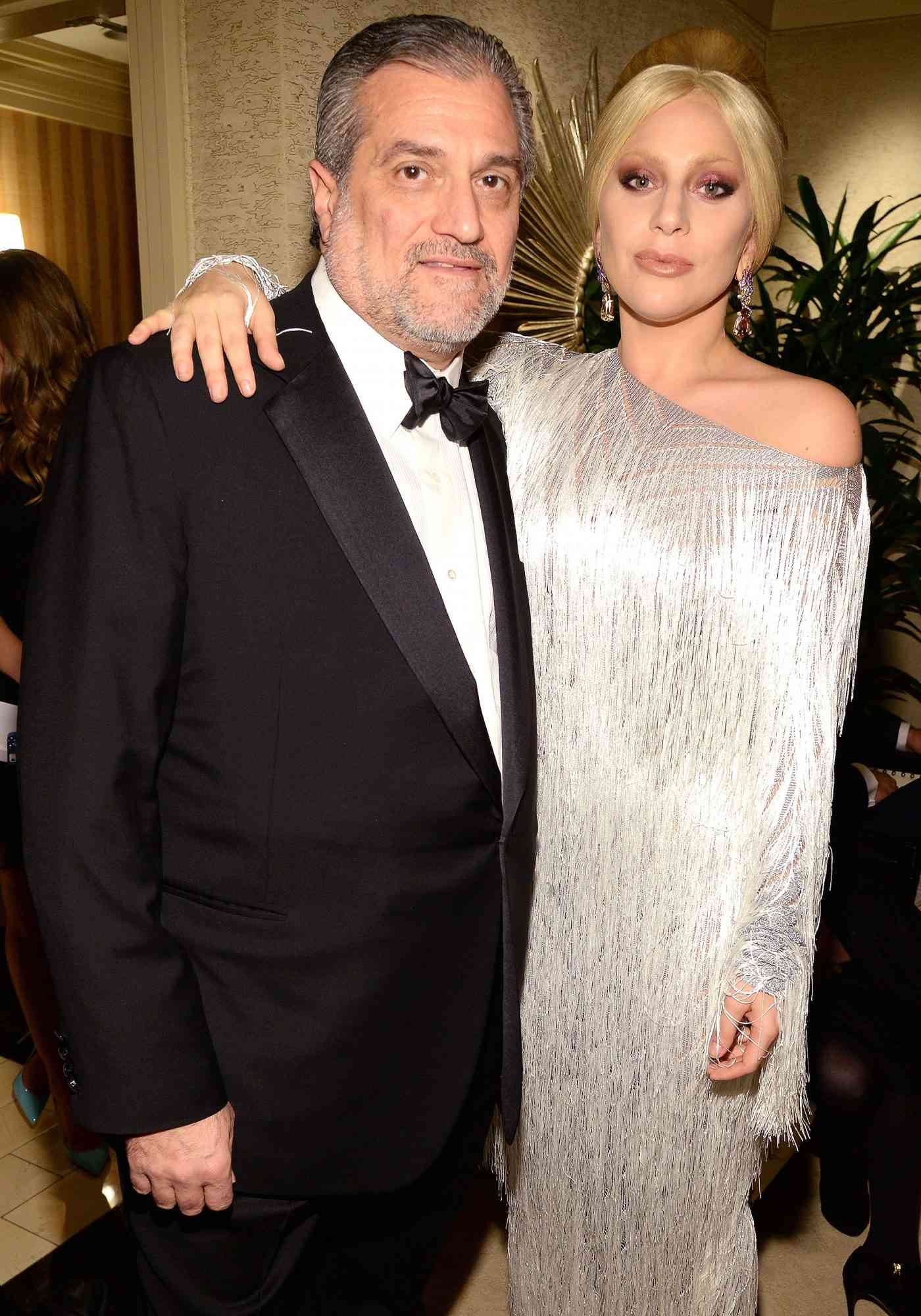
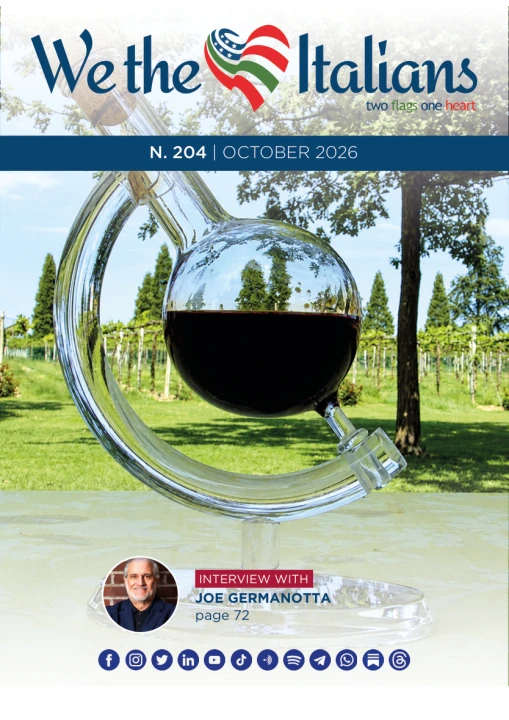
I am a lucky father, proud of my daughter, just as Joe Germanotta, the subject of this interview, is of his. The difference is not so much that his New York restaurant, Joanne, is celebrating its 15th anniversary these days. The real difference is that his daughter is Stefani – and the whole world knows and loves her as Lady Gaga.
So this interview is certainly about the story of a restaurant that has become an institution in Italian American cuisine – a place where food, tradition, and entertainment come together. But it could hardly tell Joe’s story without also portraying him as the father of the brightest star, at least in this writer’s eyes, in today’s Italian American and American firmament. I thank him for giving me this interview – and for being part of the family that brought Lady Gaga into the world. I also send my warmest congratulations to her, as she recently became a mother herself.
Your family’s Italian roots are central to the story of Joanne. Where in Italy does your family come from, and what stories, traditions, or memories of those origins were passed down to you as you were growing up?
The Germanotta side of my family traces its roots to Naso, Sicily, in the province of Messina. My mother, Angeline Calderone, was from Santa Lucia, Sicily. Growing up, our Italian heritage was part of everyday life. It was reflected in the importance of family, the food we ate, and the way everyone gathered around the table.
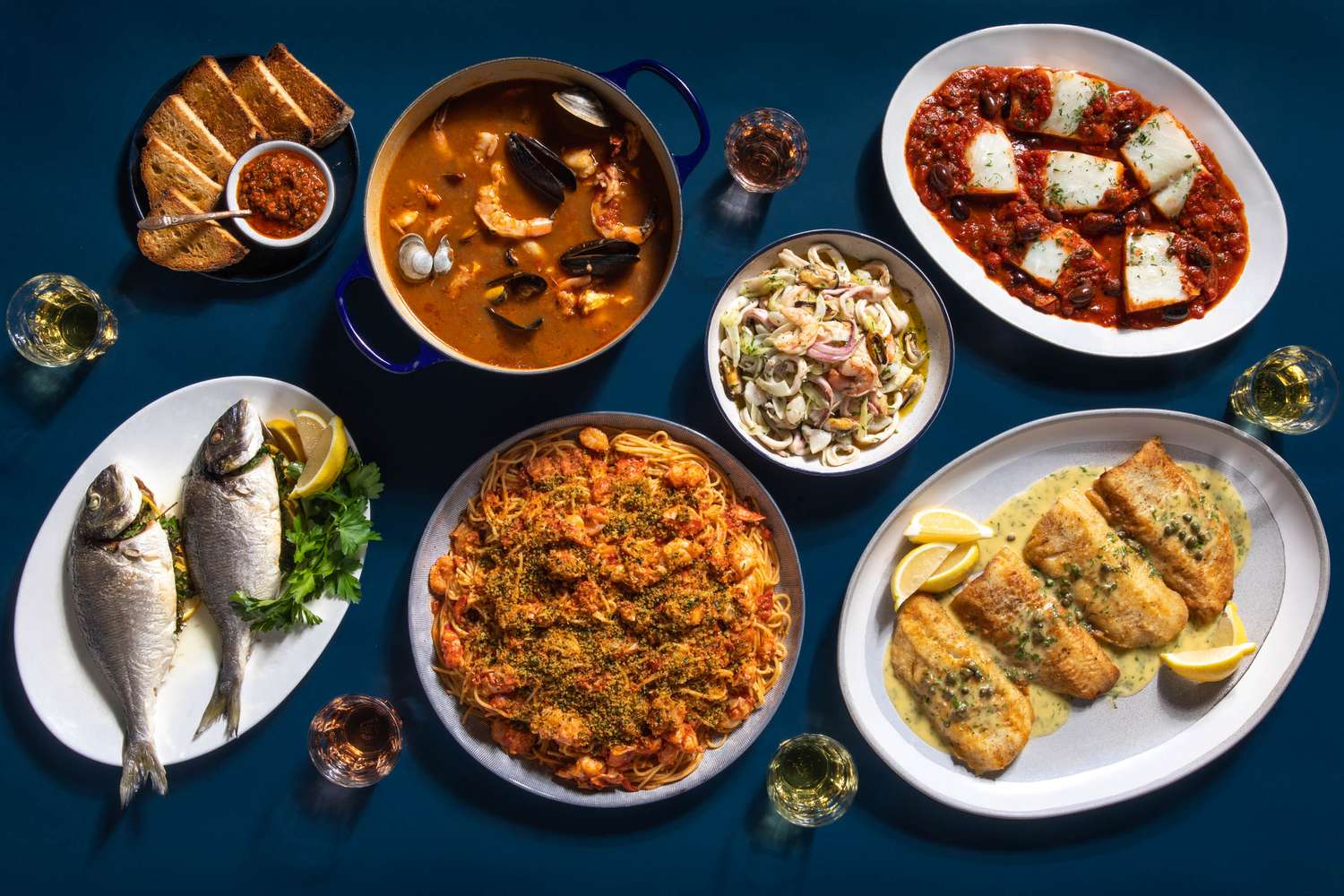
We always had olive oil and grated cheese on the table, and Christmas Eve meant the traditional Feast of the Seven Fishes. What was passed down most strongly was the importance of working hard, taking care of your family, respecting where you came from, and remembering the sacrifices earlier generations made.
You grew up Italian American in New York. What did “being Italian” mean in your family when you were young, and what does being Italian American in New York mean to you today?
When I was young, being Italian meant family first. It meant Sunday dinners, a lot of food, people talking over one another and knowing that if somebody needed something, the family was there. There was also a strong work ethic. You were expected to work, contribute, and appreciate what you had. Hospitality was important too. If someone came into the house, you fed them.
Today, Italian-American identity may be less connected to a particular neighborhood than it was for earlier generations, but the values of family, food, generosity, hard work, and tradition remain very strong.
Joanne is one way our family keeps that connection alive.
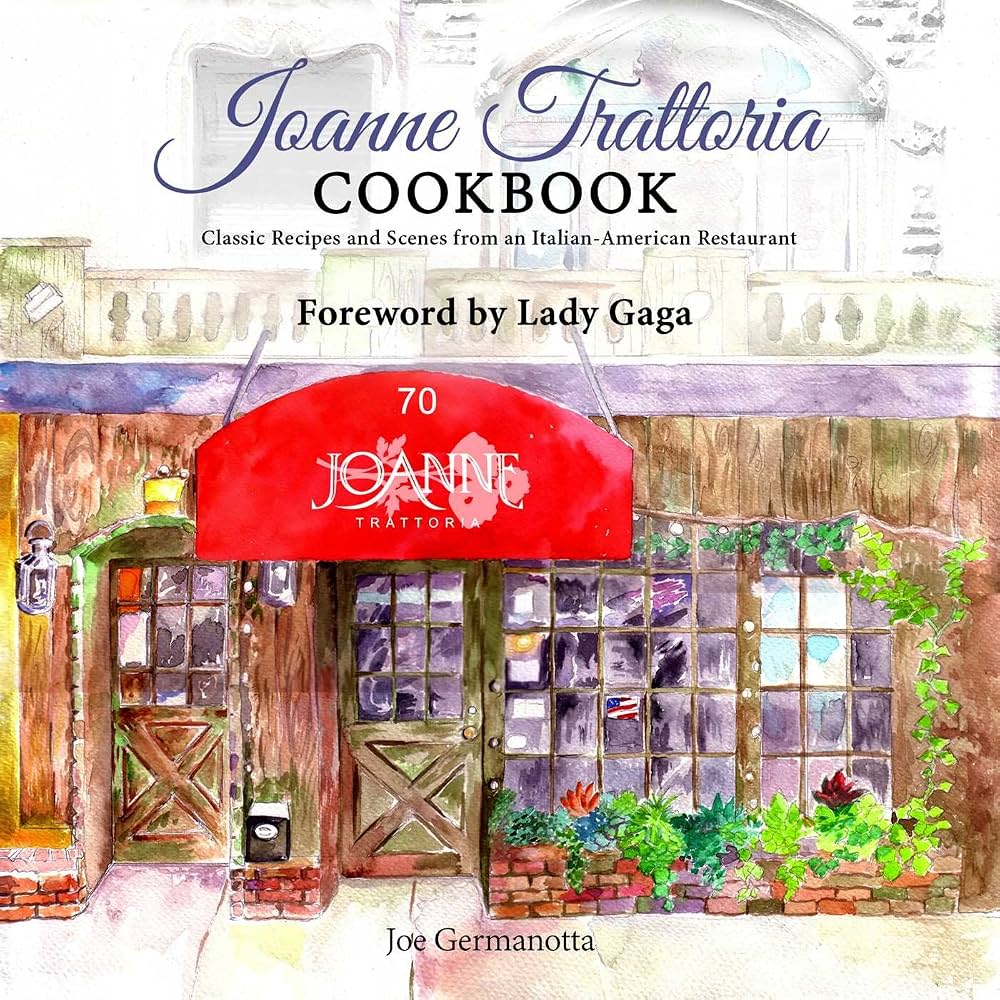
Joanne has now been part of the Upper West Side for 15 years. What is the story behind the restaurant - including its name - and what makes its history different from that of other Italian family restaurants in New York?
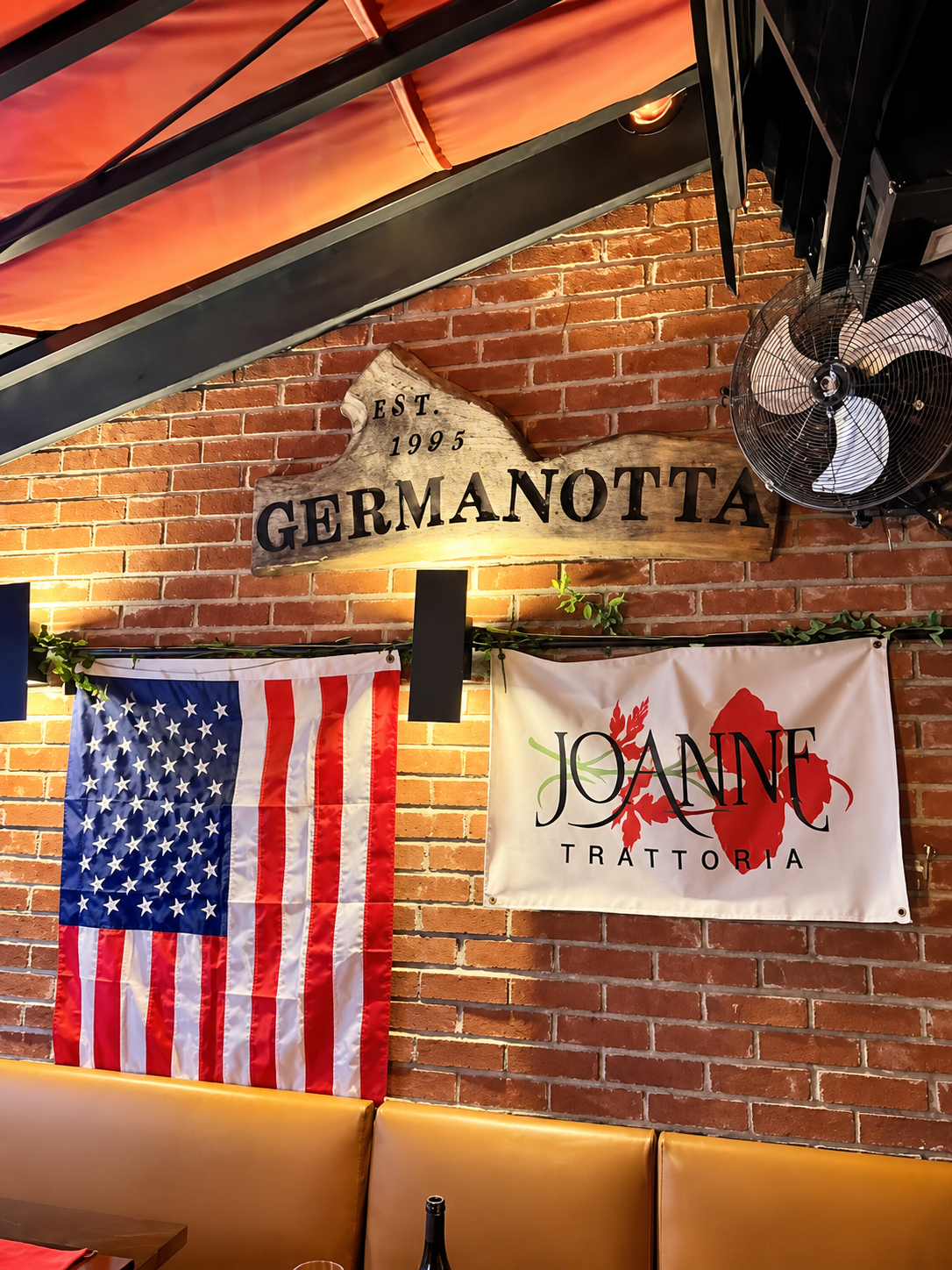
Joanne is named for my late sister, Joanne Germanotta. Her memory has always been an important part of our family, so the name gave the restaurant a meaning that went far beyond simply choosing a name for a business. From the beginning, we wanted Joanne to feel like a family restaurant, with family photographs, family history, and food rooted in the way we grew up.
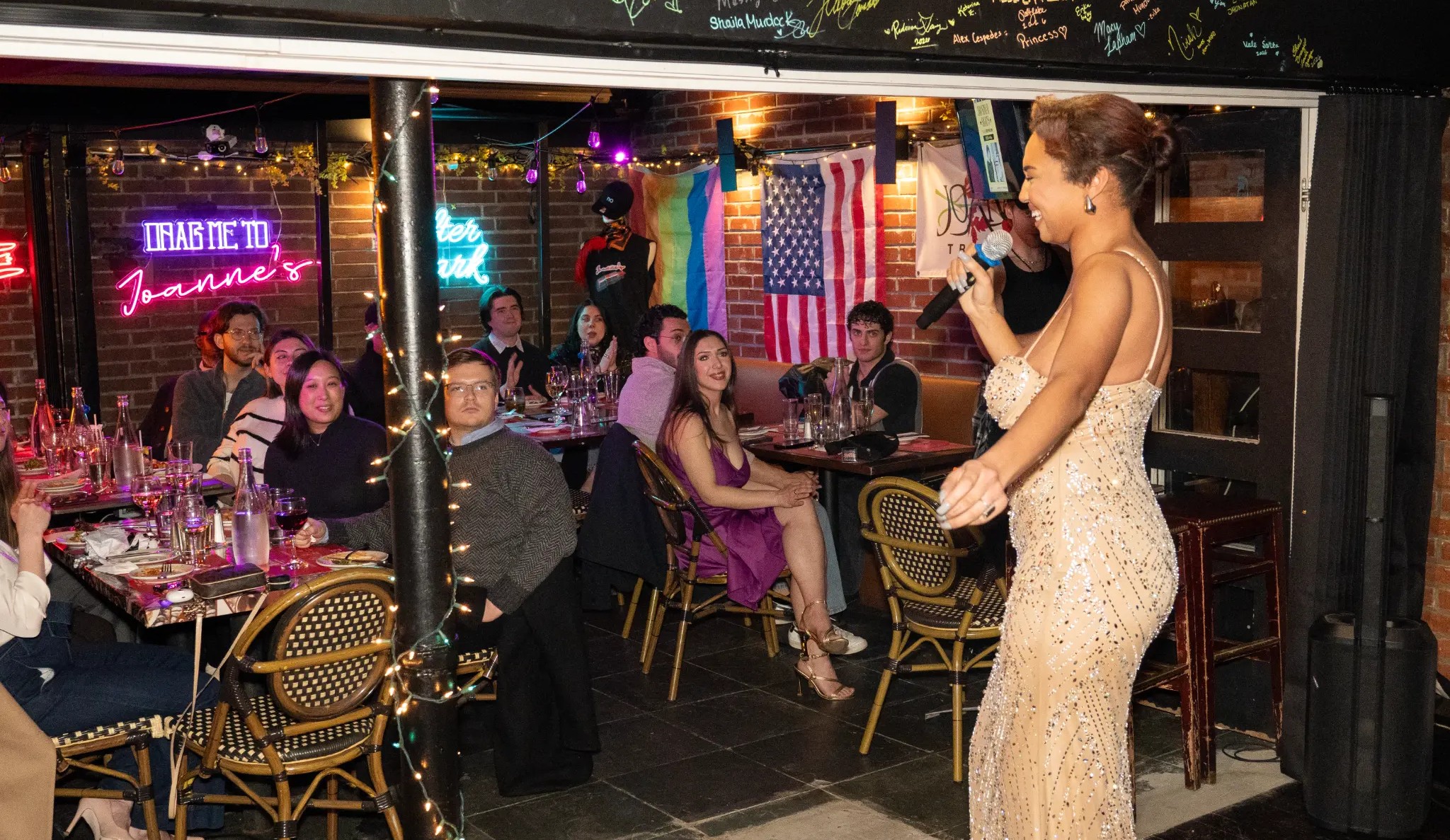
Today, our goal is also for Joanne to be an Upper West Side entertainment destination. A major part of that is giving emerging artists a stage where they can perform, develop, and hone their skills.
The name Joanne has also connected several generations of our family. Joanne is Stefani’s middle name, and later became the title of her album Joanne.
Italian American cuisine has developed its own identity over generations in the United States. How would you describe the food at Joanne? How much comes directly from Italian and Sicilian traditions, and how much reflects the distinct Italian-American culinary experience?
I would describe Joanne’s food as Italian-American comfort food with strong Southern Italian and Sicilian influences.
Italian-American cuisine is its own tradition. Italian immigrants brought their recipes and techniques to America, but over generations those dishes evolved based on ingredients, circumstances, and life in this country. That is very much the spirit of Joanne. We serve the kinds of dishes that generations of Italian-American families recognize and grew up eating.
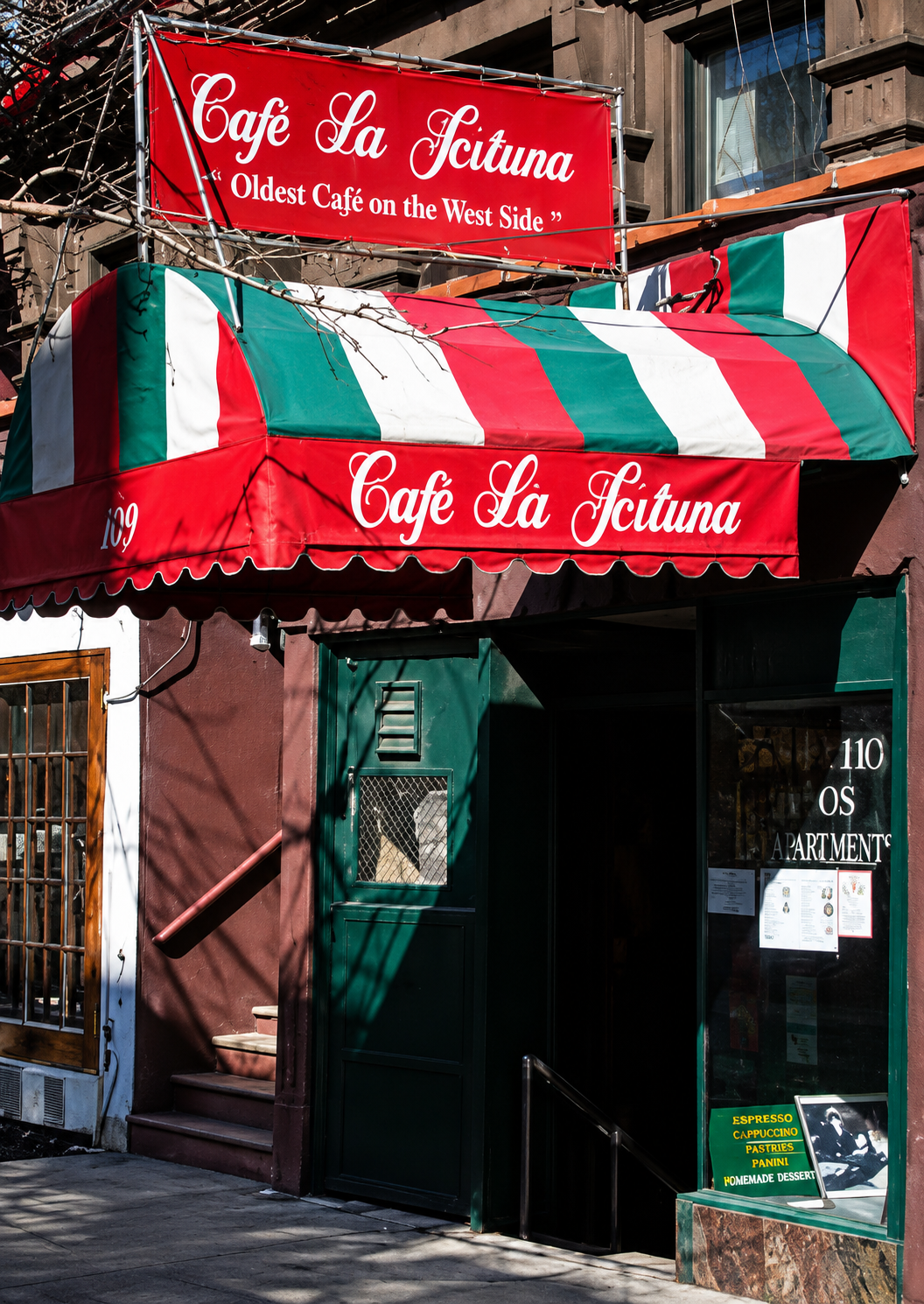
We have also recently introduced illy coffee service at La Fortuna Café & Bar. It reminds us of the original Café La Fortuna on West 71st Street, which was a family favorite for many years. That connection to an old Upper West Side institution is very meaningful to us.
Are there particular dishes, recipes, or food traditions at Joanne that have a real family story behind them – something that was cooked at home long before there was ever a restaurant?
Absolutely. The foundation of Joanne is the home-cooked Italian meals that were served at the Germanotta family table long before there was a restaurant.
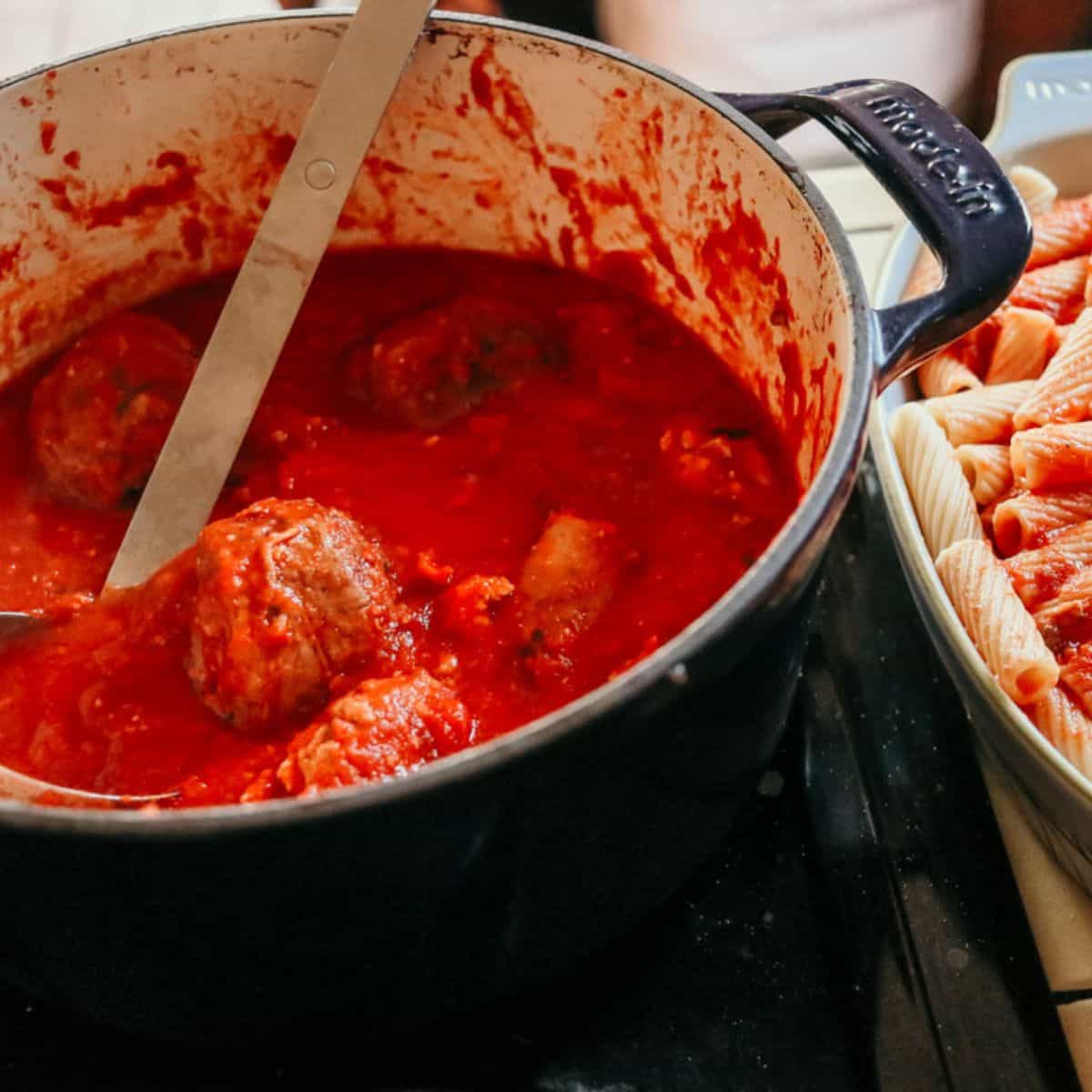
Our meatballs, Sunday gravy, Lemon Artichoke Chicken, and many of the other dishes reflect the kind of food we grew up eating as a family.
Those dishes are meaningful because they were not originally created for a restaurant or to impress a critic. They were created to feed a family. That is the tradition we try to preserve.
Joanne has evolved beyond being simply a restaurant, with live entertainment seven nights a week and an Emerging Artist Program. Why was it important for your family to create a space for performers, and what do you hope young New York artists can find at Joanne that they may struggle to find elsewhere?
Our family understands how important it is for a young artist to have somewhere to perform.
Before anyone knows your name, somebody has to give you a stage.
New York has always attracted extraordinary performers, but it has become increasingly difficult for young artists to find intimate places where they can perform regularly, develop their material, and build an audience.
Joanne has live entertainment seven nights a week, and we are one of only a few venues that curate our own shows and entertainment programming.
Our Emerging Artist Program is especially important to us. We want to give young performers a place where they can develop their craft, take chances, and perform in front of a live audience.
Your daughter Stefani, Lady Gaga, has spoken many times about her Italian-American family and identity. From your perspective as her father, which parts of her Italian heritage have remained strongest in her personality, values, work ethic, or way of seeing the world?
The strongest thing I see is family.
Both Stefani and Natali demonstrate many of the values we associate with our Italian-American upbringing: family loyalty, hard work, passion, creativity, and respect for where they came from.
They have very different careers, but both have always worked extremely hard at what they do.
In our family, you work for what you want. Success does not mean you stop working. Usually, it means you work harder.
I also think both of them understand the importance of the people and generations who came before them.
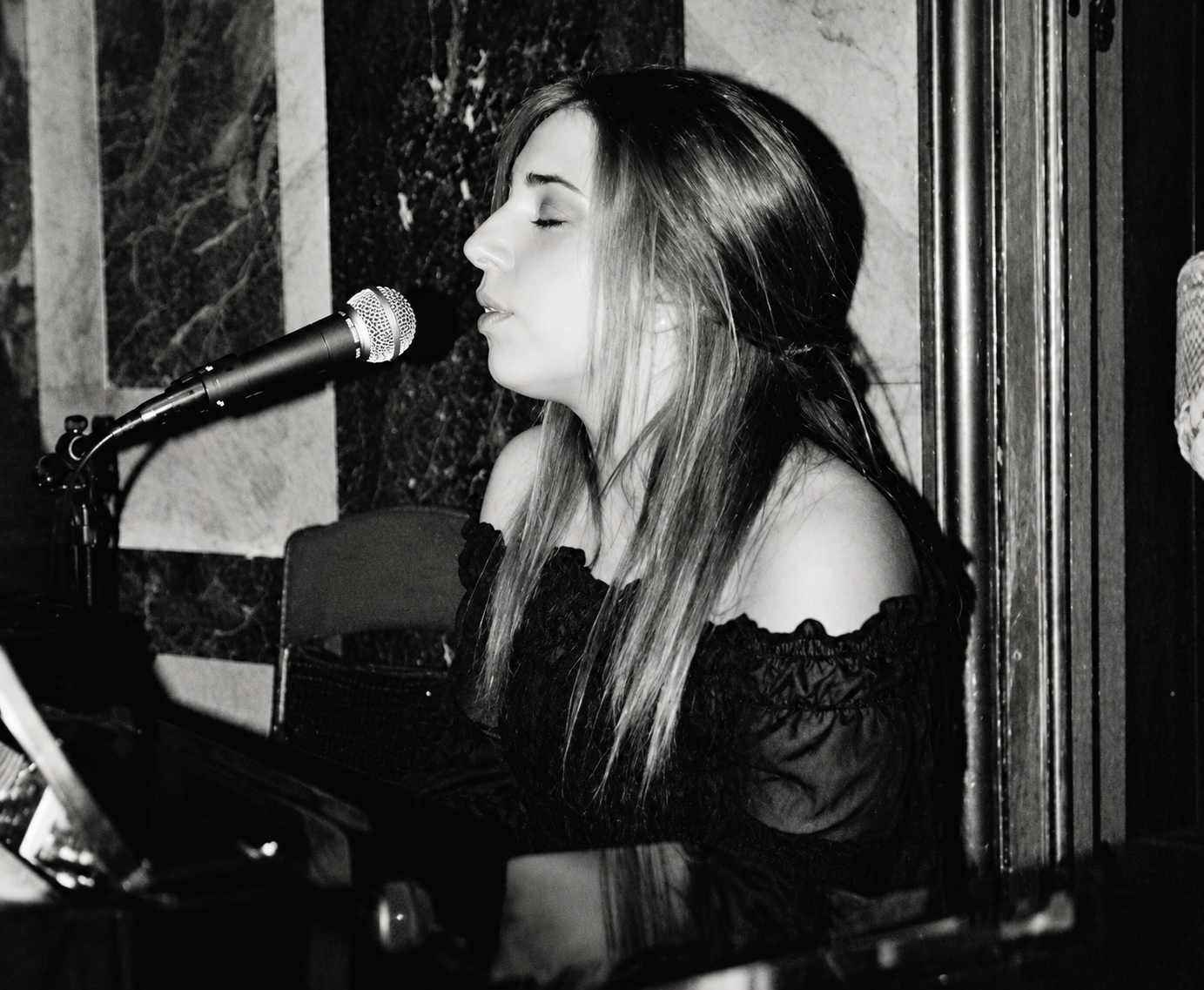
Before the world knew Lady Gaga, Stefani Germanotta was a young New Yorker performing in small venues and trying to build an audience. Is there a particular story or memory from those early years that captures the determination she had before fame arrived?
One of the memories that stays with me most actually came after she had become successful, because it brought me back to everything that came before.
I remember watching Stefani perform The Edge of Glory at the piano on the second stage during the Born This Way Ball. She had written that song while my father was dying in hospice, so hearing her perform it was incredibly emotional for me.
What struck me was how she had taken something deeply personal and painful from our family and transformed it into music that connected with millions of people.
That determination was there long before the fame. Even when she was performing in small New York venues, she treated every performance seriously. She kept writing, rehearsing, and performing regardless of the size of the audience.
She always believed the stage mattered, no matter how large or small it was.
Fame inevitably changes the circumstances surrounding a family. What traditions, rituals, foods, celebrations, or simply family habits have helped the Germanotta family preserve its Italian-American identity despite everything that has happened over the years?
For us, it always comes back to family and the table.
One of our most important holiday traditions has always been the Feast of the Seven Fishes on Christmas Eve.
There were also much simpler traditions. Olive oil and grated cheese were always on the table. You did not really think of that as a tradition growing up. It was simply the way the table was set.
Those small things become more meaningful as you get older.
Careers change and life becomes more complicated, but sitting around a table together has a way of bringing everybody back to where they started.
Joanne is celebrating 15 years at a time when New York itself – and Italian New York in particular – has changed enormously. Looking back at those 15 years, what has changed about the Italian-American community around you, what has remained surprisingly constant, and what would you like Joanne to represent for the next generation?
New York and the restaurant business have changed enormously, and the traditional Italian-American neighborhoods are different from those of our parents and grandparents.
What has not changed is people’s desire to gather around a table, share food, celebrate something, and feel welcomed.
I do not want Joanne to become a museum, but I do want it to tell our family’s story. We display family photographs, information about our origins, memorabilia, and some Lady Gaga artwork that has been donated by fans.
At the same time, Joanne needs to continue evolving as a restaurant and entertainment destination.
Looking ahead, we would like to expand the Joanne concept to other major visitor destinations in the United States, including Las Vegas, and eventually internationally.
The idea would be to bring together the same combination of Italian-American food, family history, hospitality, and live entertainment while continuing to give emerging artists an opportunity to perform.
Sono un padre fortunato e orgoglioso di mia figlia, come è Joe Germanotta, protagonista di questa intervista. La differenza non sta tanto nel fatto che il suo ristorante di New York, Joanne, compie in questi giorni 15 anni. La differenza sta soprattutto nel fatto che sua figlia è Stefani, e tutti la conosciamo e la amiamo col nome di Lady Gaga.
Così questa intervista riguarda certamente la storia di un locale che è diventato un’istituzione della cucina italoamericana, che ospita cibo, tradizione e spettacolo. Ma non può non raccontare Joe anche come padre della stella più luminosa, almeno per il sottoscritto, del firmamento contemporaneo non solo italoamericano, ma anche americano. Lo ringrazio per avermi concesso questa intervista, e per essere parte della famiglia che ha dato vita a Lady Gaga, alla quale faccio anche gli auguri perché è da poco mamma.
Le radici italiane della sua famiglia sono centrali nella storia di Joanne. Da quale parte d’Italia proviene la sua famiglia, e quali storie, tradizioni o ricordi di quelle origini le sono stati tramandati durante la crescita?
Il ramo Germanotta della mia famiglia affonda le sue radici a Naso, in Sicilia, in provincia di Messina. Mia madre, Angeline Calderone, era di Santa Lucia, in Sicilia. Crescendo, la nostra eredità italiana faceva parte della vita di tutti i giorni. Si rifletteva nell’importanza della famiglia, nel cibo che mangiavamo e nel modo in cui tutti si riunivano attorno alla tavola.
Sulla tavola avevamo sempre l’olio d’oliva e il formaggio grattugiato, e la vigilia di Natale significava la tradizionale Festa dei Sette Pesci. Ciò che è stato trasmesso con maggior forza è stata l’importanza di lavorare sodo, prendersi cura della propria famiglia, rispettare le proprie origini e ricordare i sacrifici fatti dalle generazioni precedenti.
Lei è cresciuto come italoamericano a New York. Che cosa significava "essere italiano" nella sua famiglia quando era giovane, e cosa significa per lei oggi essere italoamericano a New York?
Quando ero giovane, essere italiano significava mettere la famiglia al primo posto. Significava pranzi domenicali, tanto cibo, persone che parlavano l'una sull'altra e la consapevolezza che, se qualcuno aveva bisogno di qualcosa, la famiglia c'era. C'era anche una forte etica del lavoro: ci si aspettava che lavorassi, contribuissi e apprezzassi ciò che avevi. Anche l'ospitalità era importante: se qualcuno entrava in casa, gli davi da mangiare.
Oggi, l'identità italoamericana potrebbe essere meno legata a un quartiere specifico rispetto a quanto lo fosse per le generazioni precedenti, ma i valori della famiglia, del cibo, della generosità, del duro lavoro e della tradizione rimangono fortissimi. Joanne è uno dei modi in cui la nostra famiglia mantiene vivo questo legame.
Joanne fa ormai parte dell'Upper West Side da 15 anni. Qual è la storia dietro il ristorante - compreso il suo nome - e cosa rende la sua storia diversa da quella di altri ristoranti familiari italiani a New York?
Joanne porta il nome della mia defunta sorella, Joanne Germanotta. Il suo ricordo è sempre stato una parte importante della nostra famiglia, quindi il nome ha dato al ristorante un significato che andava ben oltre la semplice scelta di un nome per un'attività commerciale. Fin dall'inizio, volevamo che Joanne trasmettesse l'atmosfera di un ristorante di famiglia, con fotografie di famiglia, storia familiare e cibo radicato nel modo in cui siamo cresciuti.
Oggi, il nostro obiettivo è anche fare di Joanne una meta di intrattenimento nell'Upper West Side. Una parte fondamentale di questo progetto consiste nell'offrire agli artisti emergenti un palco dove potersi esibire, crescere e perfezionare le proprie capacità. Il nome Joanne ha inoltre unito diverse generazioni della nostra famiglia: Joanne è il secondo nome di Stefani, ed è poi diventato il titolo del suo album Joanne.
La cucina italoamericana ha sviluppato una propria identità nel corso delle generazioni negli Stati Uniti. Come descriverebbe il cibo da Joanne? Quanto deriva direttamente dalle tradizioni italiane e siciliane, e quanto riflette la distinta esperienza culinaria italoamericana?
Descriverei il cibo di Joanne come comfort food italoamericano con forti influenze dell'Italia meridionale e della Sicilia.
La cucina italoamericana è una tradizione a sé stante. Gli immigrati italiani portarono le loro ricette e tecniche in America, ma nel corso delle generazioni quei piatti si sono evoluti in base agli ingredienti, alle circostanze e alla vita in questo Paese. Questo è proprio lo spirito di Joanne. Serviamo il tipo di piatti che generazioni di famiglie italoamericane riconoscono e con cui sono cresciute.
Di recente abbiamo anche introdotto il servizio del caffè illy al La Fortuna Café & Bar. Ci ricorda l'originale Café La Fortuna sulla West 71st Street, che è stato uno dei luoghi preferiti della nostra famiglia per molti anni. Quel legame con una storica istituzione dell'Upper West Side ha un significato profondo per noi.
Ci sono piatti, ricette o tradizioni gastronomiche particolari da Joanne che hanno una vera storia familiare alle spalle – qualcosa che veniva cucinato a casa molto prima che esistesse il ristorante?
Assolutamente sì. Le fondamenta di Joanne sono i pasti italiani cucinati in casa che venivano serviti alla tavola della famiglia Germanotta molto prima che ci fosse un ristorante.
Le nostre polpette, il sugo della domenica, il pollo al limone e carciofi e molti altri piatti riflettono il tipo di cibo con cui siamo cresciuti in famiglia. Quei piatti sono significativi perché non furono originariamente creati per un ristorante o per impressionare un critico. Furono creati per sfamare una famiglia. È questa la tradizione che cerchiamo di preservare.
Joanne si è evoluto oltre l'essere un semplice ristorante, offrendo spettacoli dal vivo sette sere su sette e un programma dedicato agli artisti emergenti. Perché è stato importante per la vostra famiglia creare uno spazio per i performer, e cosa spera che i giovani artisti newyorkesi possano trovare da Joanne che altrove farebbero fatica a trovare?
La nostra famiglia comprende quanto sia fondamentale per un giovane artista avere un posto dove esibirsi. Prima che qualcuno conosca il tuo nome, qualcuno deve darti un palco.
New York ha sempre attratto performer straordinari, ma per i giovani artisti è diventato sempre più difficile trovare spazi intimi dove esibirsi regolarmente, sviluppare il proprio repertorio e costruirsi un pubblico. Da Joanne abbiamo musica e spettacoli dal vivo sette sere su sette, e siamo uno dei pochi locali a curare direttamente i propri spettacoli e la programmazione dell'intrattenimento.
Il nostro Emerging Artist Program è particolarmente importante per noi. Vogliamo dare ai giovani artisti un luogo dove poter affinare la propria arte, correre rischi ed esibirsi davanti a un pubblico dal vivo.
Sua figlia Stefani, Lady Gaga, ha parlato molte volte della sua famiglia e della sua identità italoamericana. Dal suo punto di vista di padre, quali parti della sua eredità italiana sono rimaste più forti nella sua personalità, nei suoi valori, nell'etica del lavoro o nel modo di vedere il mondo?
La cosa più forte che vedo è la famiglia. Sia Stefani che Natali dimostrano molti dei valori che associamo alla nostra educazione italoamericana: lealtà verso la famiglia, duro lavoro, passione, creatività e rispetto per le proprie origini.
Hanno carriere molto diverse, ma entrambe hanno sempre lavorato con enorme dedizione a ciò che fanno. Nella nostra famiglia si lavora per ottenere ciò che si vuole. Il successo non significa smettere di lavorare; di solito, significa lavorare ancora più duramente. Credo anche che entrambe comprendano l'importanza delle persone e delle generazioni venute prima di loro.
Prima che il mondo conoscesse Lady Gaga, Stefani Germanotta era una giovane newyorkese che si esibiva in piccoli locali cercando di costruirsi un pubblico. C'è una storia o un ricordo particolare di quei primi anni che racchiude la determinazione che aveva prima che arrivasse la fama?
Uno dei ricordi che mi è rimasto più impresso risale in realtà a dopo che aveva già raggiunto il successo, perché mi ha riportato a tutto ciò che era venuto prima.
Ricordo di aver visto Stefani suonare al piano The Edge of Glory sul secondo palco durante il Born This Way Ball. Aveva scritto quella canzone mentre mio padre stava morendo in una struttura per cure palliative, quindi sentirla cantare fu incredibilmente commovente per me. Ciò che mi colpì fu il modo in cui aveva preso qualcosa di profondamente personale e doloroso per la nostra famiglia trasformandolo in musica capace di entrare in sintonia con milioni di persone.
Quella determinazione c'era già molto prima della fama. Anche quando si esibiva nei piccoli locali di New York, affrontava ogni esibizione con serietà. Continuava a scrivere, provare ed esibirsi a prescindere dal numero di persone tra il pubblico. Ha sempre creduto che il palco contasse, a prescindere da quanto fosse grande o piccolo.
La fama cambia inevitabilmente le circostanze attorno a una famiglia. Quali tradizioni, rituali, cibi, celebrazioni o semplici abitudini familiari hanno aiutato la famiglia Germanotta a preservare la propria identità italoamericana nonostante tutto ciò che è accaduto nel corso degli anni?
Per noi si torna sempre alla famiglia e alla tavola. Una delle nostre tradizioni festive più importanti è sempre stata la Festa dei Sette Pesci la vigilia di Natale.
C'erano anche tradizioni molto più semplici. L'olio d'oliva e il formaggio grattugiato erano sempre a tavola. Crescendo, non ci pensavi davvero come a una tradizione: era semplicemente il modo in cui veniva apparecchiata la tavola. Quelle piccole cose acquistano maggior valore man mano che si invecchia. Le carriere cambiano e la vita diventa più complessa, ma sedersi insieme attorno a una tavola ha il potere di riportare tutti al punto da cui sono partiti.
Joanne festeggia 15 anni in un momento in cui la stessa New York – e la New York italiana in particolare – è cambiata enormemente. Guardando indietro a questi 15 anni, cosa è cambiato nella comunità italoamericana intorno a lei, cosa è rimasto sorprendentemente costante e cosa vorrebbe che Joanne rappresentasse per la prossima generazione?
New York e il settore della ristorazione sono cambiati moltissimo, e i tradizionali quartieri italoamericani sono diversi da quelli dei nostri genitori e nonni. Ciò che non è cambiato è il desiderio delle persone di radunarsi attorno a una tavola, condividere il cibo, festeggiare qualcosa e sentirsi accolte.
Non voglio che Joanne diventi un museo, ma desidero che racconti la storia della nostra famiglia. Esponiamo fotografie di famiglia, informazioni sulle nostre origini, cimeli e alcune opere d'arte dedicate a Lady Gaga che sono state donate dai fan. Allo stesso tempo, Joanne deve continuare a evolversi come ristorante e meta d'intrattenimento.
Guardando al futuro, vorremmo espandere il concept di Joanne in altre importanti destinazioni turistiche negli Stati Uniti, inclusa Las Vegas, e in seguito a livello internazionale. L'idea sarebbe quella di riproporre la stessa combinazione di cucina italoamericana, storia familiare, ospitalità e spettacoli dal vivo, continuando al contempo a offrire agli artisti emergenti l'opportunità di esibirsi.