
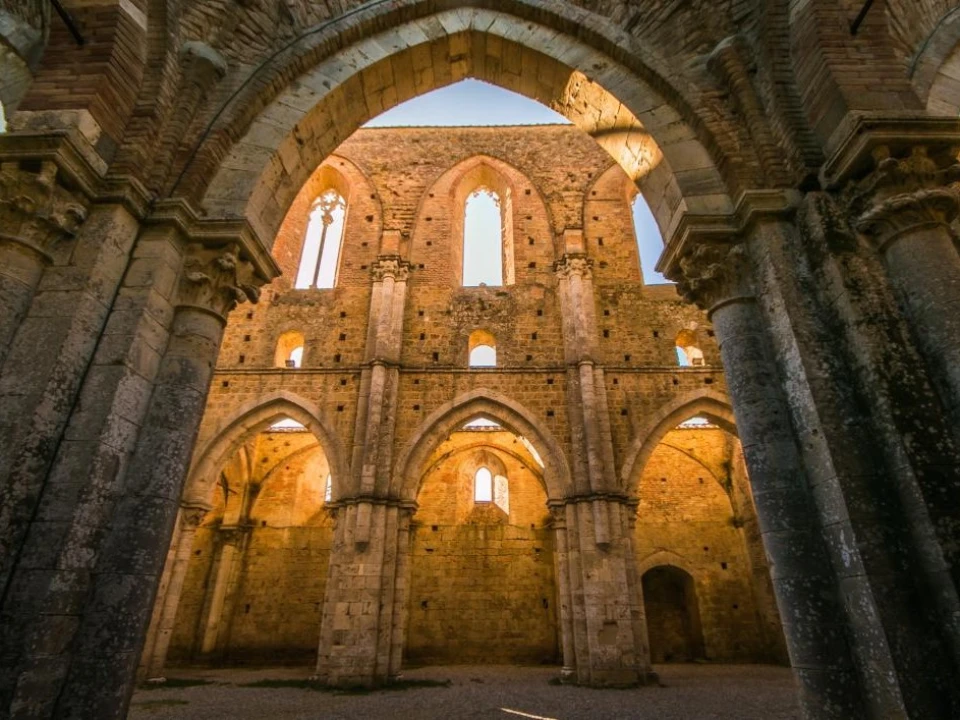
In 2026, the Abbey of Novalesa, in the Susa Valley west of Turin, marks thirteen centuries since its foundation. Of course, dates of this scale are a source of admiration on their own, but this anniversary is important for more than mere age, because it allows us to think – and for some of us, discover more – about what abbeys once represented in Italy, and in the entirety of Europe: not only places of prayer, but institutions that preserved books, organized archives, copied texts, educated readers, and protected memory and culture through centuries of political change.
Founded in 726, Novalesa rose in an Alpine corridor near the route of Mont Cenis, one of the great passages linking the Italian peninsula with transalpine Europe, a setting that, on its own, is enough to shed plenty of doubt on the modern stereotype of monasteries as remote and withdrawn.