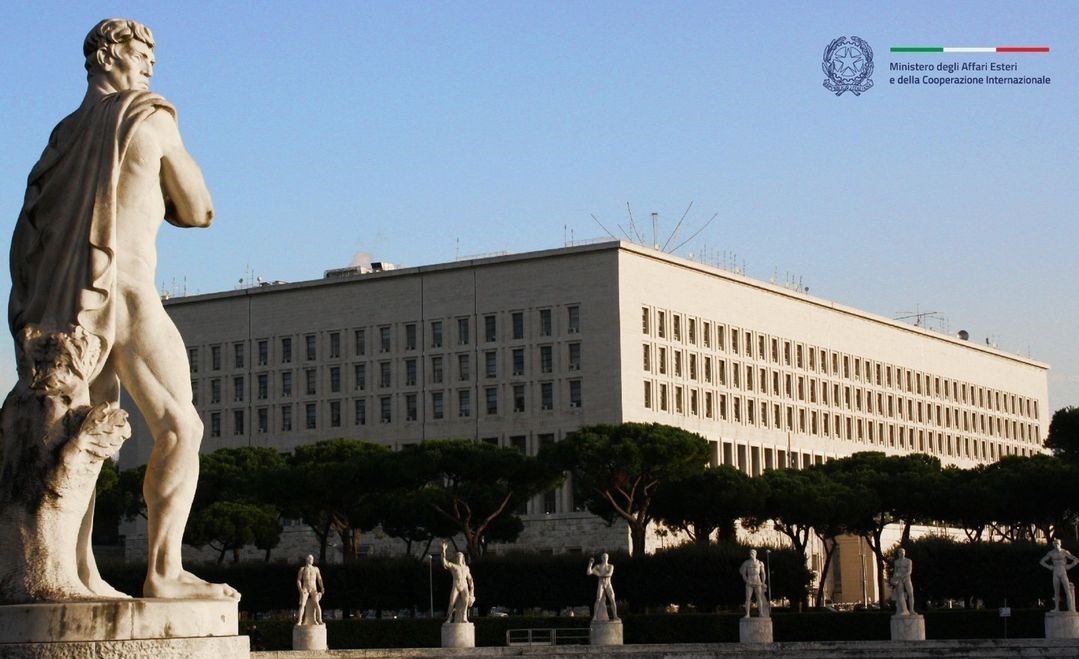
The Ministry of Foreign Affairs and International Cooperation is the home of our country's foreign policy. This glorious and historical Italian institution is in charge of the relations with other countries, with Italians around the world, and it is here that people are selected and strategies are decided to then represent Italy abroad, in the various diplomatic offices around the world.
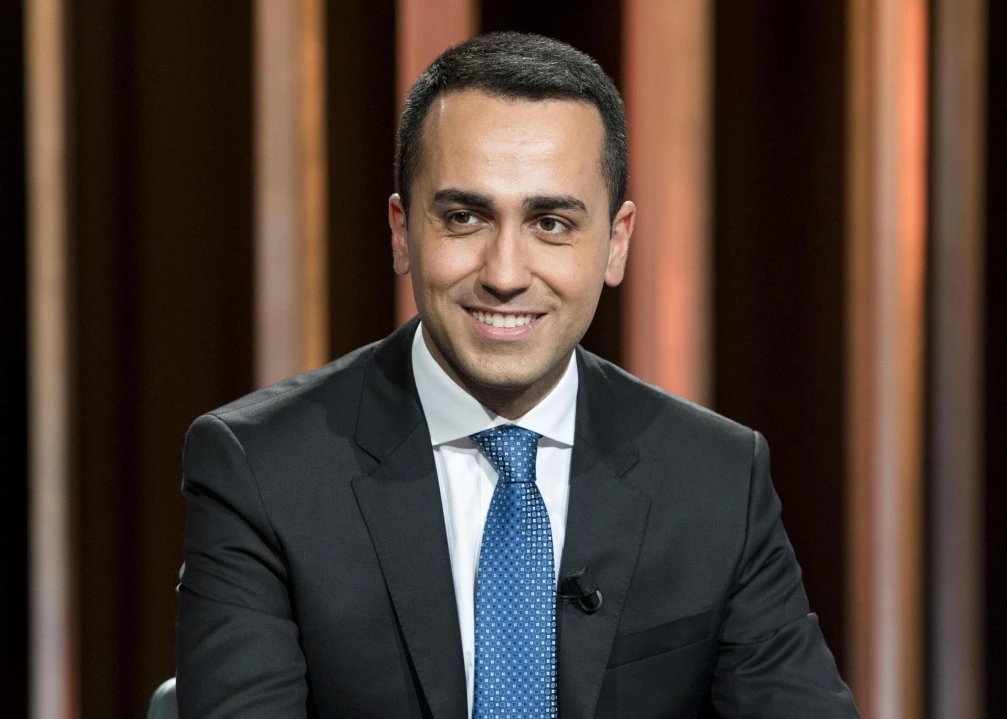
It is therefore an honor for We the Italians to be able to conclude our tenth year of interviews by hosting the Minister of Foreign Affairs Luigi Di Maio, in charge of the most important Ministry for our main audience, Italian Americans and Italians born in Italy and then emigrated to the United States
Minister Di Maio, the diplomatic relations between Italy and the United States celebrated their 160th anniversary this year: it seems to us that this alliance is getting better and better…
There is a constant and constructive dialogue with the United States, and it could not be otherwise, given the strategic importance of our relationship and the challenges of the moment. On the occasion of my mission to Washington for the 160th anniversary of diplomatic relations between Italy and the United States, I was the first foreign government representative to be received in the American capital by the Biden Administration. This testifies to the vitality and the privileged relationship that binds Italy to the United States, confirmed by my numerous contacts with Secretary of State Blinken and most recently by the meeting we had last Saturday on the sidelines of the G7 Foreign Affairs/Development Ministerial meeting in Liverpool.
The relationship with Washington has been and continues to be an essential point of reference for Italy's foreign policy. There are many points of contact between our agendas and there is a strong coordination both in relation to the main theaters of crisis, from Afghanistan to Libya and Ukraine, and in relation to major global challenges. We are linked to the United States by the conviction that the answer to major global challenges lies in effective multilateralism. Multilateral engagement is central to our foreign policy and our mutual commitment to NATO security is strong.
Our bilateral relations also benefit from the presence in the United States of millions of women and men of Italian origin whose contribution to the growth of that country is widely recognized and appreciated; from numerous and dynamic exchanges between people, businesses, civil society and the academic and research world; from strong interconnections between our economies that range from the most traditional sectors to those of innovation, technology, and space.
What are the activities and opportunities for the two countries in the near future?
The American economy is a mature market that we must continue to monitor with new instruments, with the aim of increasing our market shares. For this reason, this year too the USA has been included among the priority markets for the export support and investment attraction policies of the Cabina di Regia per l'Internazionalizzazione. We have important opportunities to further develop the bilateral partnership, especially in high-potential sectors, such as innovation and technology.
In the monitoring that We the Italians has been carrying out for 10 years now on everything that involves Italy and the United States together, one of the most important aspects is innovation...
In the field of technology and in all sectors of innovation, bilateral cooperation between Italy and the United States is excellent and today assumes a strategic character. Our decision to create in San Francisco INNOV-IT, the first Italian Innovation and Culture Hub, is a testimony of this. In this way, we aim to promote new opportunities for growth and development for our companies and start-ups: the Hub will offer a high-tech showcase for the integrated promotion of our Country System, presenting Italian excellence operating in high-innovation sectors and hosting within its structure the offices of the Italian Trade Agency and the Italian Cultural Institute. It will also be an outpost to attract qualified investments to Italy and to expose our small and medium-sized enterprises to a particularly advanced innovation ecosystem.
In the space sector, then, I like to mention the strong relationship between our Space Agency, ASI and NASA, which represents for Italy the first bilateral strategic partner. This privileged relationship is also confirmed by the Italian participation in the "Artemis" initiative, the largest space program of the last decades, which will take mankind back to the Moon and which in the future could pave the way for the exploratory mission to Mars.
Fortunately, there are no more duties and trade with the United States has resumed well after the pandemic stop. Where are we, and what should we expect for the future in the area of supporting Italian exports to America?
For Italy, the United States is the first trade partner outside the European Union. Following the economic crisis, the interchange between Italy and the U.S. has undertaken a steady and rapid growth, from € 42 billion in 2014 to € 62 billion in 2019, further increased in the first nine months of 2021 with a growth of 12.3% compared to the same period in 2020. Also on the rise are Italian exports - in line with the general trend that sees Italian exports around the world making record volumes in these months even compared to the pre-pandemic boom of 2019 - and the value of reciprocal Foreign Direct Investment (FDI). The growing flow of US FDI towards our country is an indication of the interest and trust that American investors place in the Italian System.
One of the most important issues when talking about the export of Italian goods to America is that of Italian sounding. What can be done to protect Italian goods from this phenomenon, perhaps involving the Italian American community?
There are several actions we take to protect Italian products on the American market from the so-called "Italian sounding". Among the various levels of intervention, I would like to mention: communication and awareness initiatives aimed at local consumers and operators in the sector, with the goal of helping them to distinguish the original product and its added value; the assistance provided by our institutions abroad to Italian companies that face the criticalities of the phenomenon and take action to protect "truly" Italian products from their imitations; the action aimed at the full recognition and protection of Italian agricultural and food excellence in markets, such as that of the United States, where they lack special and reinforced protection.
Also on the side of the attraction of American investments in Italy there are great realities and perspectives, correct?
The United States of America, eighth foreign investor in Italy with a stock of € 16 billion, represent an extremely dynamic market for our country in terms of attractiveness. The USA is among the traditionally priority countries of the Italian strategy for attracting foreign investments. Already since 2016, two Italian Trade Agency Desks for the Attraction of Foreign Investments have been active, one in New York and one in San Francisco, and by 2021 three new Italian Trade Agency desks will be established in Houston, Chicago and Boston.
On a different topic, the Italian American community of New York was happy to meet you on the occasion of your participation in the United Nations General Assembly
When I came to New York last September, I had the opportunity to meet many representatives of the Italian community in its various components. People who have managed to integrate perfectly into the American social fabric and who contribute every day to making their host country great, in the most diverse sectors, from scientific research to art. We look to the Italian citizens in the United States on one hand to promote our country system and our language and culture in the United States, and on the other to invite them to look at Italy as a strategic partner also for our position within the European Union.
The Italian language has always been a fundamental instrument of communication and promotion, which this year also saw the exceptional celebration of Dante. The Italian community in the United States cares a great deal about its promotion and its teaching in American schools...
The Italian language is a true instrument of attraction for an America that looks at our country with ever-increasing interest and curiosity. Italy is, in fact, the second country of destination for young American students. Italian has a crucial role not only for our fellow countrymen living in the USA and for the over 17 million Italian descendants, but also for all those who choose to come to Italy attracted by its history, its art and its excellence, starting with Made in Italy. I would like to recall just a few figures relative to the commitment of the Farnesina to the promotion of the Italian language in America: 215,000 students of Italian in the country; two equalitarian schools in New York and San Francisco; contributions in support of 22 Italian language chairs in American universities; 6 Italian language lecturers in Boston, Houston, Los Angeles, New York, Newark and Washington; over 140 events dedicated to Dante that our diplomatic-consular network and the Italian Cultural Institutes have organized on the 700th anniversary of his death.
Tourism is one of the most important aspects of the interchange between Italy and the United States. In the National Recovery and Resilience Plan, the Farnesina has included funds for the Year of Roots Tourism, an extraordinary opportunity especially for the South of Italy. How do you plan to promote this great opportunity?
In 2018, the flow of tourists from North, Central and South America to Italy was about 6.5 million. ENIT, the Italian National Tourism Agency, estimated that, of these, 11% fell into the category of "root tourism". The Farnesina has focused on this tourism, presenting a project included in the National Recovery and Resilience Plan that will be launched in 2022, culminating in the year of "Roots Tourism", scheduled for 2024. The "Roots Tourism" combines the proposal of goods and services of the third sector with the knowledge of the family history and culture of origin of Italians living abroad and of Italian descendants. Let's not forget that the catchment area of people of Italian origin living all over the world is close to 80 million people: an undisputed added value for Italy, on which the Farnesina wants to focus.
It is with this scoop that calls for 2024 as the year of Roots tourism that we conclude the interview, thanking the Minister of Foreign Affairs and hoping to meet all Italian Americans in 2024 here in Italy.
Il Ministero degli Affari Esteri e della Cooperazione Internazionale è la casa della politica estera del nostro Paese. Da questa gloriosa e storica istituzione italiana passano i rapporti con gli altri Paesi, con gli italiani nel mondo, ed è qui che vengono selezionate persone e decise strategie che rappresenteranno l’Italia all’estero, nelle varie sedi diplomatiche di tutto il mondo.
E’ dunque un onore per We the Italians poter concludere il decimo anno di interviste ospitando il Ministro degli Esteri Luigi Di Maio, titolare del Ministero più importante per la nostra audience principale, gli italoamericani e gli italiani nati in Italia e poi emigrati negli Stati Uniti
Signor Ministro, i rapporti diplomatici tra Italia e Stati Uniti quest’anno hanno compiuto 160 anni: a noi sembra che siano due Paesi sempre più alleati
Con gli Stati Uniti c’è un’interlocuzione costante e costruttiva e non potrebbe essere altrimenti vista l’importanza strategica del nostro legame e le sfide del momento. In occasione della mia missione a Washington per il 160mo anniversario delle relazioni diplomatiche tra Italia e Stati Uniti, sono stato il primo esponente di governo straniero ad essere ricevuto nella capitale americana dall’Amministrazione Biden. Ciò testimonia la vitalità e il rapporto privilegiato che lega l’Italia agli Stati Uniti, confermati dai miei numerosi contatti con il Segretario di Stato Blinken e da ultimo dall’incontro che abbiamo avuto sabato scorso a margine della Ministeriale Esteri/Sviluppo G7 di Liverpool.
Il rapporto con Washington è stato e continua ad essere un punto di riferimento imprescindibile della politica estera dell’Italia. Molteplici sono i punti di contatto tra le nostre agende e forte è il coordinamento sia in relazione ai principali teatri di crisi, dall’Afghanistan, alla Libia, all’Ucraina, sia in relazione alle grandi sfide globali. Agli Stati Uniti ci lega la convinzione che la risposta alle grandi sfide globali risieda in un multilateralismo efficace. L’impegno sul piano multilaterale è infatti centrale nella nostra politica estera e, in tema di sicurezza, il nostro impegno reciproco in ambito NATO è saldo.
Le nostre relazioni bilaterali beneficiano anche della presenza negli Stati Uniti di milioni di donne e uomini di origine italiana il cui contributo alla crescita di quel Paese è ampiamente riconosciuto e apprezzato; di numerosi e dinamici scambi tra persone, imprese, società civile e mondo accademico e della ricerca; di forti interconnessioni tra le nostre economie che spaziano dai settori più tradizionali a quelli dell’innovazione, della tecnologia, dello spazio.
Quali sono le attività e le opportunità per i due Paesi nel prossimo futuro?
L’economia americana è un mercato maturo che occorre continuare a presidiare con nuovi strumenti, con l’obiettivo di incrementare le nostre quote di mercato. Per questo, anche quest’anno gli USA sono stati inseriti tra i mercati prioritari per le politiche di sostegno all’export e di attrazione degli investimenti della Cabina di Regia per l’Internazionalizzazione. Abbiamo importanti opportunità per sviluppare ulteriormente il partenariato bilaterale soprattutto in settori ad alto potenziale, come quelli dell’innovazione e della tecnologia.
Nel monitoraggio che We the Italians opera ormai da 10 anni su tutto ciò che coinvolge insieme Italia e Stati Uniti, uno degli aspetti più importanti è proprio questo dell’innovazione…
In ambito tecnologico e in tutti i settori dell’innovazione la cooperazione bilaterale tra Italia e Stati Uniti è eccellente e assume oggi carattere strategico. Ne è una testimonianza la nostra decisione di creare a San Francisco INNOV-IT, il primo Italian Innovation and Culture Hub. In questo modo, abbiamo l’obiettivo di promuovere nuove opportunità di crescita e sviluppo per le nostre aziende e start-up: l’Hub offrirà una vetrina ad alto contenuto tecnologico per la promozione integrata del nostro Sistema Paese, presentando le eccellenze italiane che operano nei settori ad alta innovazione e ospitando all’interno della sua struttura anche gli Uffici ICE e dell’Istituto Italiano di Cultura. Sarà anche un avamposto per attrarre investimenti qualificati in Italia e per esporre le nostre piccole e medie imprese ad un ecosistema dell’innovazione particolarmente avanzato.
Nel settore dello Spazio, poi, ricordo il forte rapporto fra la nostra Agenzia spaziale, l’ASI e la NASA, che rappresenta per l’Italia il primo partner strategico bilaterale. Una relazione privilegiata confermata anche dalla partecipazione italiana all’iniziativa “Artemis”, il più vasto programma spaziale degli ultimi decenni, che riporterà l’umanità sulla Luna e che in futuro potrebbe aprire la strada alla missione esplorativa verso Marte.
Per fortuna non ci sono più i dazi e il commercio con gli Stati Uniti è ripreso bene dopo lo stop della pandemia. A che punto siamo, e cosa dobbiamo aspettarci per il futuro nel settore del sostegno all’export italiano in America?
Per l’Italia, gli Stati Uniti sono il primo partner commerciale fuori dall’Unione Europea. A seguito della crisi economica, l’interscambio tra Italia e USA ha intrapreso una costante e rapida crescita, passando da 42 miliardi di euro nel 2014 a 62 miliardi di euro nel 2019, ulteriormente aumentato nei primi nove mesi del 2021 con una crescita del 12,3% rispetto allo stesso periodo del 2020. In aumento anche l’export italiano - in linea con la tendenza generale che vede le esportazioni italiane nel mondo registrare volumi record in questi mesi anche rispetto al boom pre-pandemico del 2019 - e il valore degli Investimenti Diretti Esteri (IDE) reciproci. Il crescente flusso di IDE statunitensi verso il nostro Paese è indice dell’interesse e della fiducia che gli investitori americani ripongono nel Sistema Italia.
Uno dei temi importanti quando si parla di export di merci italiane in America è quello dell’Italian sounding. Cosa si può fare per proteggere le merci italiane da questo fenomeno, magari coinvolgendo la comunità italoamericana?
Sono diverse le azioni che mettiamo in campo per proteggere i prodotti italiani sul mercato statunitense dal cosiddetto “Italian sounding”. Tra i vari livelli di intervento vorrei citare: le iniziative di comunicazione e sensibilizzazione rivolte ai consumatori locali e agli operatori del settore, con l’obiettivo di aiutarli a distinguere il prodotto originale e il suo valore aggiunto; l’assistenza prestata dalle nostre istituzioni all’estero alle aziende italiane che affrontano le criticità del fenomeno e si attivano per tutelare i prodotti “davvero” italiani dalle loro imitazioni; l’azione finalizzata al pieno riconoscimento e alla tutela delle eccellenze agroalimentari italiane nei mercati, come quello statunitense, in cui esse sono prive di una protezione speciale e rafforzata.
Anche dal lato dell’attrazione degli investimenti americani in Italia ci sono grandi realtà e prospettive, corretto?
Gli Stati Uniti d’America, ottavo investitore estero in Italia con uno stock pari a 16 miliardi di euro, rappresentano un mercato estremamente dinamico per il nostro Paese in tema di attrattività. Gli USA sono tra i Paesi tradizionalmente prioritari della strategia italiana di attrazione degli investimenti esteri. Già dal 2016, sono attivi due Desk per l’Attrazione di Investimenti Esteri (AIE) di ICE-Agenzia, uno a New York e uno a San Francisco ed entro il 2021 saranno istituiti tre nuovi sportelli di ICE-Agenzia a Houston, Chicago e Boston.
Parlando invece di tradizioni e emigrazione, la comunità italoamericana di New York è stata felice di incontrarla in occasione della Sua partecipazione all’Assemblea Generale delle Nazioni Unite
Quando sono venuto a New York a settembre scorso ho avuto modo di incontrare molti esponenti della collettività italiana nelle sue diverse componenti. Persone che sono riuscite ad integrarsi perfettamente nel tessuto sociale statunitense e che contribuiscono ogni giorno a rendere grande il Paese che li ospita, nei settori più disparati, dalla ricerca scientifica all’arte. Ai cittadini italiani negli Stati Uniti guardiamo da un lato per promuovere il nostro Sistema Paese e le nostre lingua e cultura negli Stati Uniti, e dall’altro per invitarli a guardare all’Italia come un partner strategico anche per la nostra posizione dall’interno dell’Unione Europea.
La lingua italiana è da sempre strumento fondamentale di comunicazione e promozione, che quest’anno ha visto anche l’eccezionale celebrazione di Dante. La comunità italiana in America tiene molto alla sua promozione e al suo insegnamento nelle scuole americane…
La lingua italiana è un vero e proprio strumento di attrazione per un’America che guarda al nostro Paese con interesse e curiosità sempre vivi. L’Italia è, infatti, il secondo Paese di destinazione dei giovani studenti statunitensi. L’italiano ha un ruolo cruciale non solo per i nostri connazionali residenti negli USA e per gli oltre 17 milioni di italo-discendenti, ma anche per tutti coloro che scelgono di avvicinarsi all’Italia attratti dalla sua storia, dalla sua arte e dalle sue eccellenze, a cominciare dal Made in Italy. Ricordo solo alcuni dati relativi all’impegno della Farnesina per la promozione della lingua italiana in America: 215.000 studenti d’italiano presenti nel Paese; due scuole paritarie a New York e San Francisco; contributi a sostegno di 22 cattedre di italianistica in università statunitensi; 6 lettori di italiano a Boston, Houston, Los Angeles, New York, Newark e Washington; oltre 140 eventi dedicati a Dante che la nostra Rete diplomatico-consolare e gli Istituti Italiani di Cultura hanno organizzato nel settecentenario della sua scomparsa.
Il turismo è uno degli aspetti più importanti dell’interscambio tra Italia e Stati Uniti. Nel Piano Nazionale di Ripresa e Resilienza la Farnesina ha inserito fondi per l'anno del turismo delle radici, un'occasione straordinaria in particolare per il Sud d’Italia. Come pensa di promuovere questa grande occasione?
Nel 2018, il flusso di turisti provenienti dalle Americhe in Italia era pari a circa 6,5 milioni. L’ENIT ha stimato che, di questi, l’11% rientrasse nella categoria del “turismo delle radici”. La Farnesina ha puntato su questo turismo, presentando un progetto inserito nel Piano Nazionale di Ripresa e Resilienza che sarà avviato nel 2022, per culminare poi nell’anno del “Turismo delle Radici”, previsto nel 2024. Il “Turismo delle Radici” coniuga la proposta di beni e servizi del terzo settore con la conoscenza della storia familiare e della cultura d’origine degli italiani residenti all’estero e degli italo-discendenti. Non dimentichiamo che il bacino di utenza degli oriundi italiani sfiora gli 80 milioni di persone: un indiscusso valore aggiunto per l’Italia, su cui la Farnesina vuole puntare.
E’ con questo scoop che decreta il 2024 come l’anno del turismo delle radici che concludiamo l’intervista, ringraziando il Ministro degli Esteri e dando appuntamento al 2024 qui in Italia a tutti gli italoamericani