
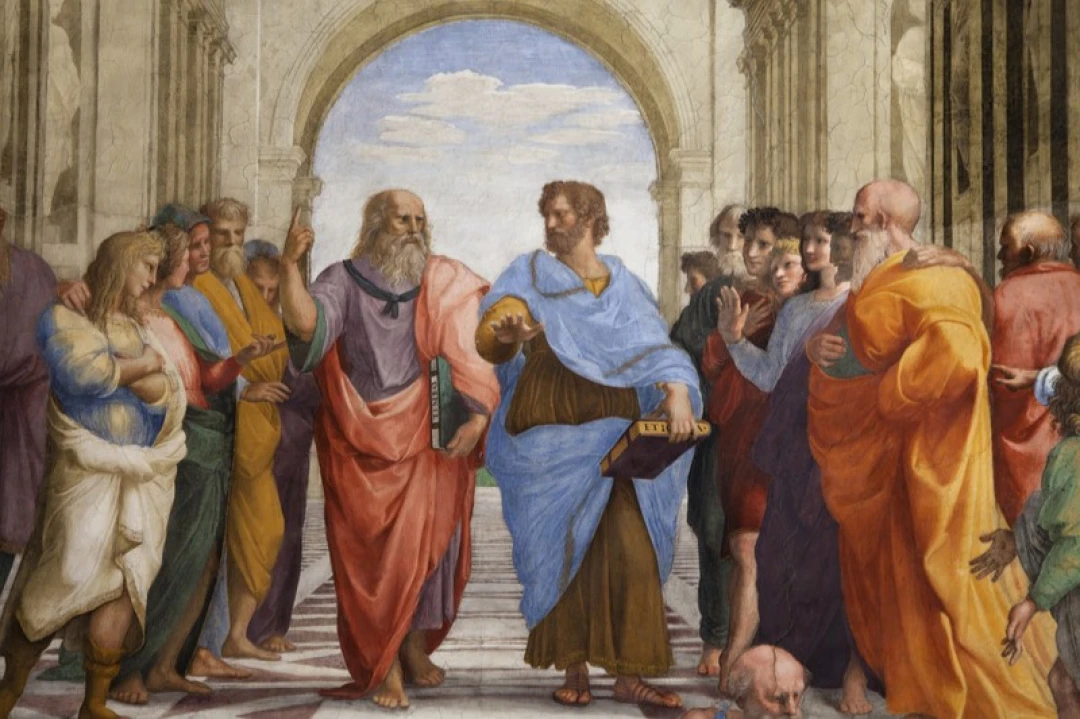
During the Renaissance, the study of human anatomy underwent a groundbreaking transformation that reshaped both visual arts and science. This era, particularly in Italy, marked a departure from medieval conventions that relied heavily on secondhand knowledge and theoretical understandings of the human body.
Artists and anatomists pursued firsthand observation and direct dissection to gain a more accurate comprehension of the body’s structure. Italian artists played a pivotal role in this process, as they used their technical skill and curiosity to uncover the complexities of human anatomy and advance both science and their own art.