
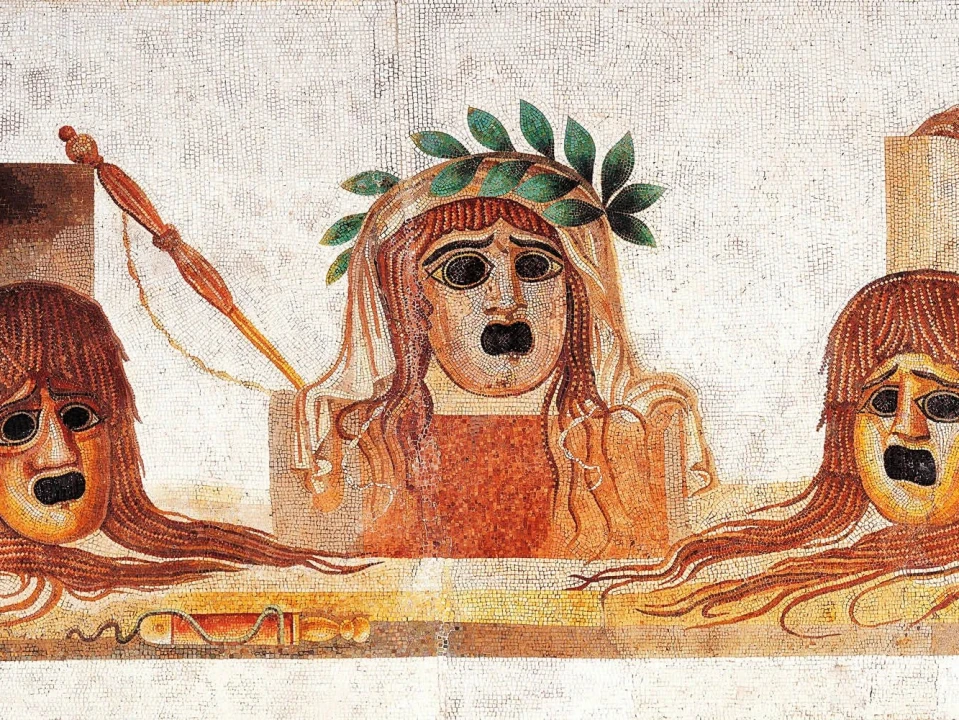
Lysistrata by Aristophanes; Antigone by Sophocles; Medea by Euripides. Each is a play from ancient Greece, still performed on stages across the world today. Roman plays, on the other hand, are much less common. “We might think of theatre today as belonging to the cultural sphere, but in ancient Rome, it belonged to an incredibly political sphere,” says Dr Jessica Clarke, a research associate at the Institute of Classical Studies at the University of London and the author of A New History of Ancient Roman Theatre, speaking on the HistoryExtra podcast.
“Entertainment is never neutral,” she says, but in ancient Rome, the theatre was explicitly political. “In Rome they didn't have independent theatres, so they didn’t have shows put on outside of politically controlled events.” This fact, she says, means that plays from ancient Rome have failed to remain as relevant as their Greek equivalents.