
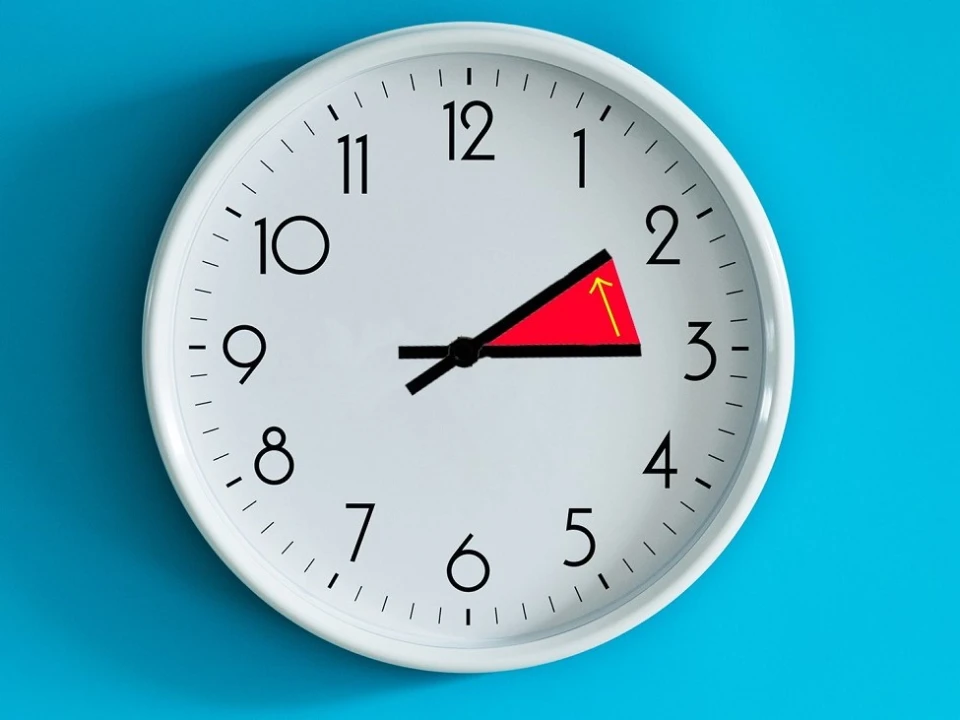
Late on the night between Saturday, October 25 and Sunday, October 26, 2025, Italy has returned to standard time. At 3:00 a.m., the clock hands had to be turned back one hour to 2:00 a.m., officially ending daylight saving time for the year. The change brings an extra hour of sleep and more light in the early morning, but evenings will grow darker sooner.
This twice-yearly adjustment has long been part of Italy’s routine, meant to make better use of daylight by shifting activities to brighter hours and reducing the need for artificial lighting. The idea dates back more than a century, and although many people see it as a minor seasonal ritual, it still affects energy use, sleep, and daily habits.
According to national energy data, during daylight saving months Italy saves several hundred million kilowatt hours of electricity – roughly equivalent to tens of millions of euros. However, those savings are decreasing as energy efficiency improves and people rely more on electronics throughout the day. Because of this, the usefulness of moving the clocks back and forth is now widely questioned.
Once standard time resumes, it will remain in place until the last Sunday in March 2026, when clocks will be moved forward again. For most people, the transition happens automatically on their smartphones, computers, and connected devices. Only traditional watches, wall clocks, or appliances need to be adjusted manually.
For early risers, the return of morning light can make waking up easier and help maintain focus during the first part of the day. On the other hand, sunsets will come earlier – shortly after 5:00 p.m. in much of the country – bringing darker commutes, colder evenings, and a noticeable change in daily rhythm.
Doctors and sleep specialists often remind people that even a one-hour shift can disturb the body’s internal clock. Some may experience mild fatigue, insomnia, or irritability as their circadian rhythm adjusts. Studies have also found a short-term increase in accidents and stress levels immediately after the time change, though these effects usually fade within days.
From an environmental and economic point of view, the switch marks the end of energy savings achieved during summer. Lighting costs rise again, and heating systems start working longer hours as temperatures drop. Critics argue that the time change no longer provides real benefits, while supporters say it still helps coordinate daily schedules with daylight across Europe.
In recent years, there have been discussions about abolishing the clock change entirely and keeping daylight saving time all year long. Some northern European countries support the idea, while others prefer to stick with standard time, claiming it aligns better with natural light in winter. For now, the European Union has left the decision to individual nations, and Italy continues to follow the traditional schedule.