
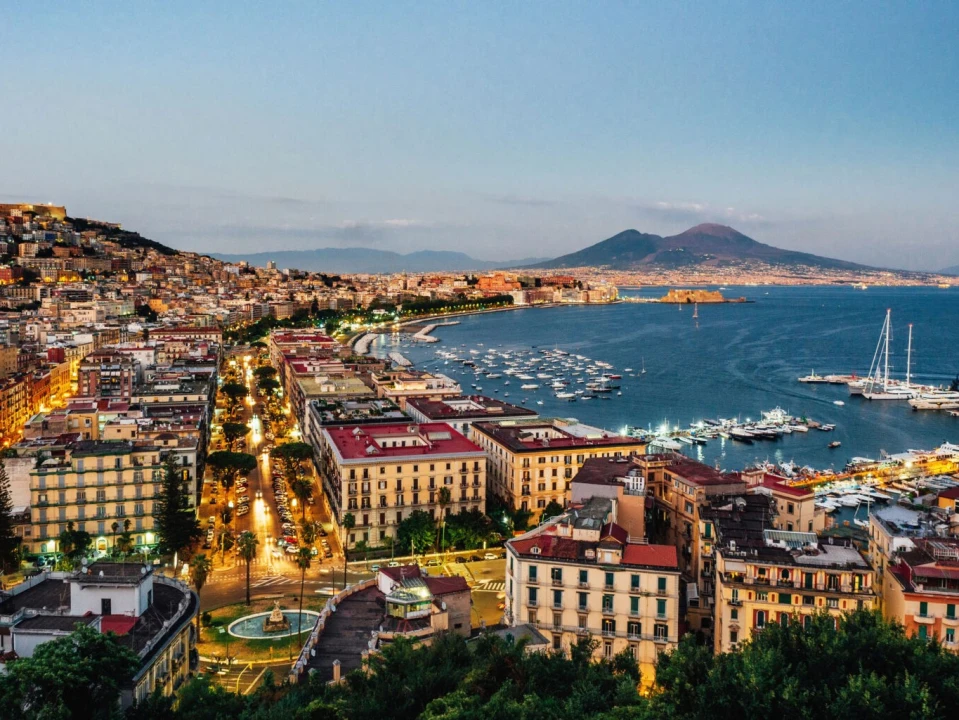
Vesuvius has shaped southern Italy for thousands of years, alternately nurturing and threatening the communities that settled on its slopes. Its fertile soils have supported agriculture since prehistory, while its eruptions have left indelible marks on history, landscape, and collective memory.
Rising inside the older Somma caldera, the modern cone is part of a geological structure that records repeated cycles of construction and collapse. The most recent eruption took place in 1944 during World War II; the mountain has been quiet since, but silence has never meant safety. Continuous monitoring by the Osservatorio Vesuviano and national civil protection authorities reflects the understanding that another eruption is a matter of time rather than possibility.