
Essere alla frutta
Literal translation: “To be at the fruit course”
Meaning: To have reached the end of one’s resources; to have nothing left.
In the carefully ordered rhythm of an Italian meal, every dish has its assigned place. Courses follow one another according to a logic that is both culinary and social: antipasto awakens the appetite, the primo sustains the meal, and the secondo—often accompanied by its contorno—marks its most substantial moment.
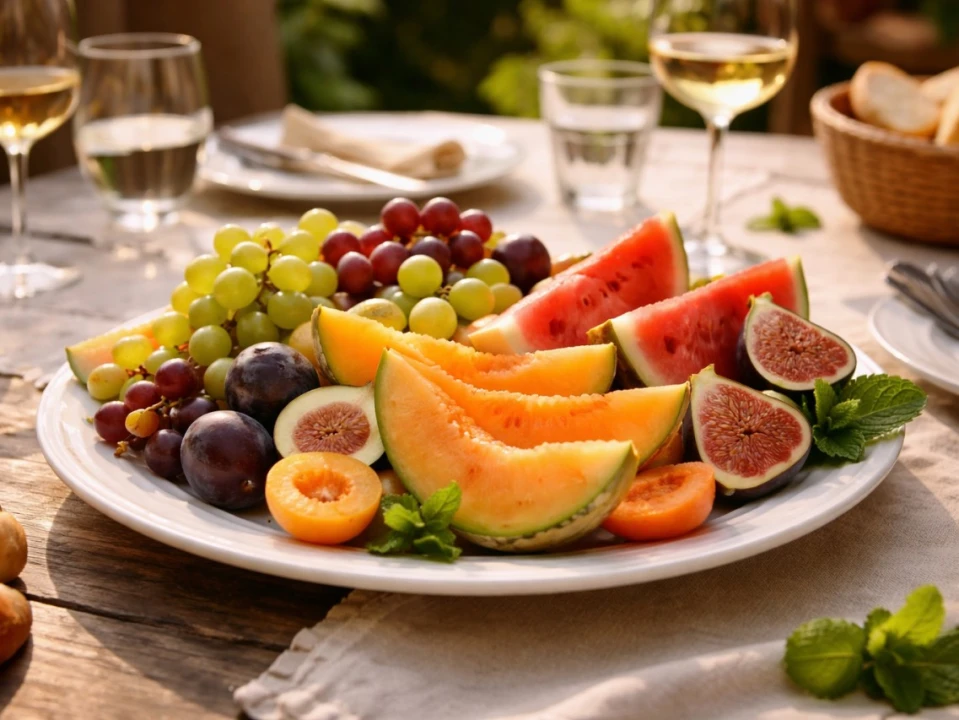
Toward the end, something lighter appears at the center of the table: a bowl of fresh fruit, quietly announcing that the meal is drawing to a close. Plates begin to empty, chairs relax, and the pace of conversation gently slows—the small, familiar moment when everyone realizes, with a hint of regret, that the meal is almost over.