
Inside a low-lit basement, three red neon signs glow against bare concrete walls. The first spells out the Italian word memoria (memory) in full. In the second, two letters have disappeared. By the third, only two remain visible, the rest swallowed by darkness. Artist Rossana Taormina watches as I study her latest installation, its light glinting off the gold earrings touching her shoulders. “Memory and landscape have always been a theme in my work,” she says. “My identity took shape here.”
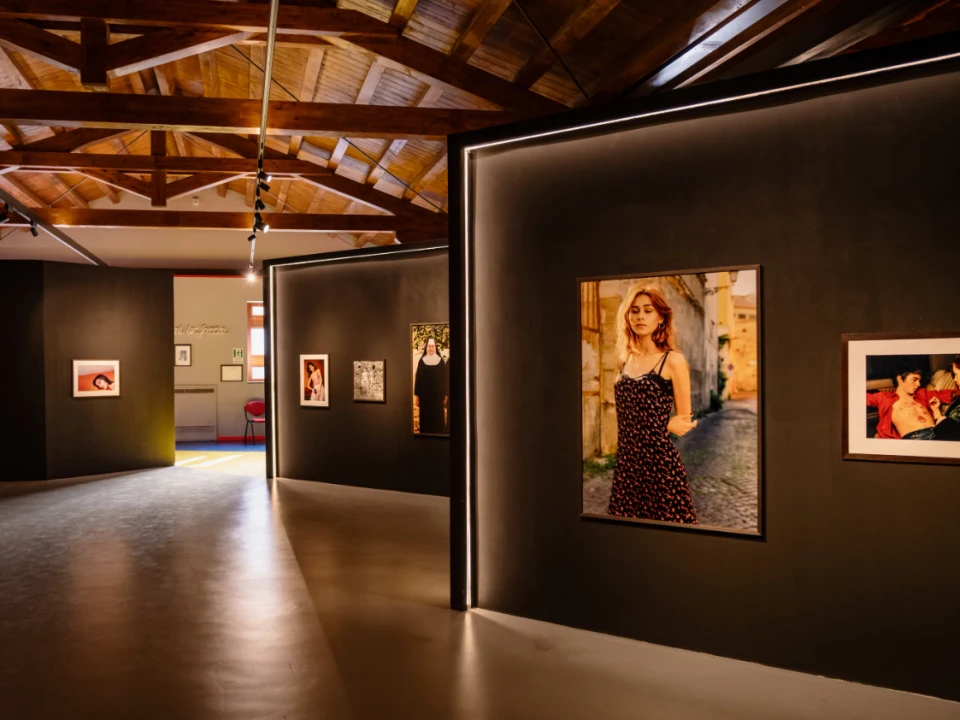
I’m at the Belìce Epicentro della Memoria Viva in the town of Gibellina Nuova (New Gibellina), where Rossana is exhibiting her work as part of Italy’s first Capital of Contemporary Art programme. The museum tells the story of the earthquakes that tore through the Belìce Valley in western Sicily in 1968, killing more than 300 people and leaving tens of thousands homeless.