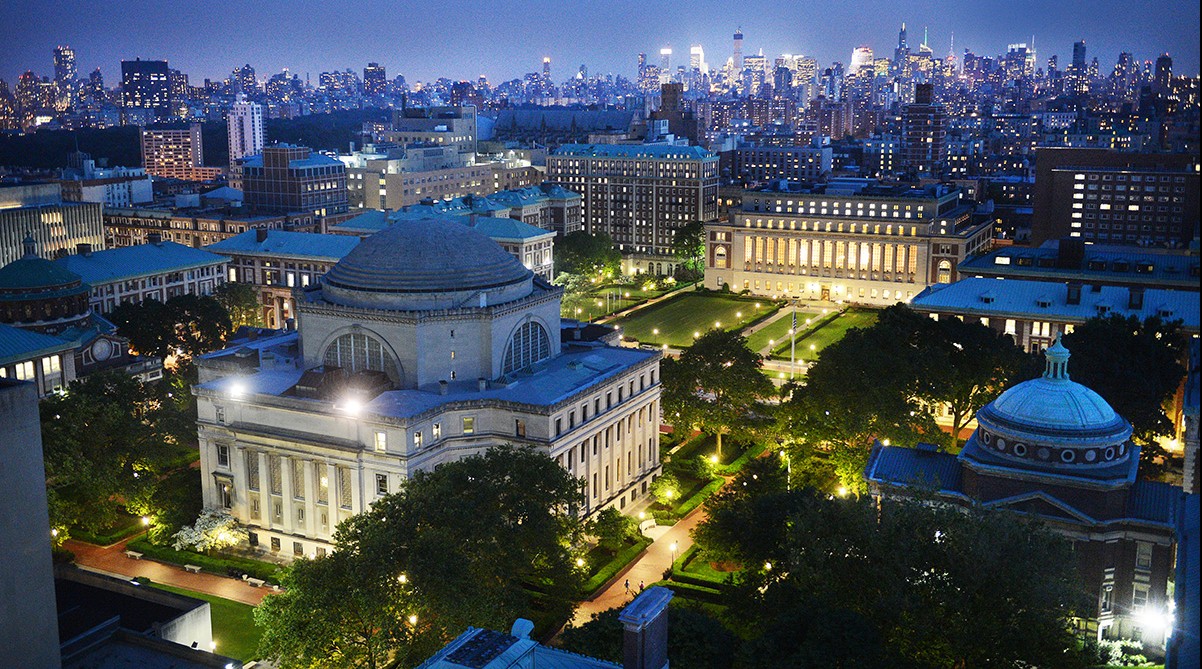
Columbia University is not only the most important university in New York, but one of the most important in the United States - and therefore in the world. In 2025, Columbia celebrated the 200th anniversary of the establishment of its first chair in Italian, and simultaneously the bicentennial of the first Italian opera ever staged in the United States. Lorenzo Da Ponte played a leading role in both of these events.
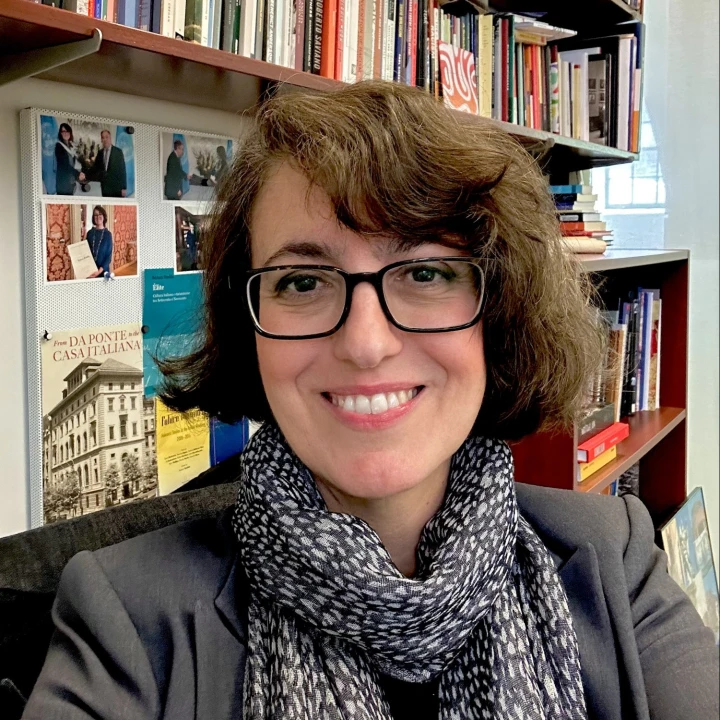
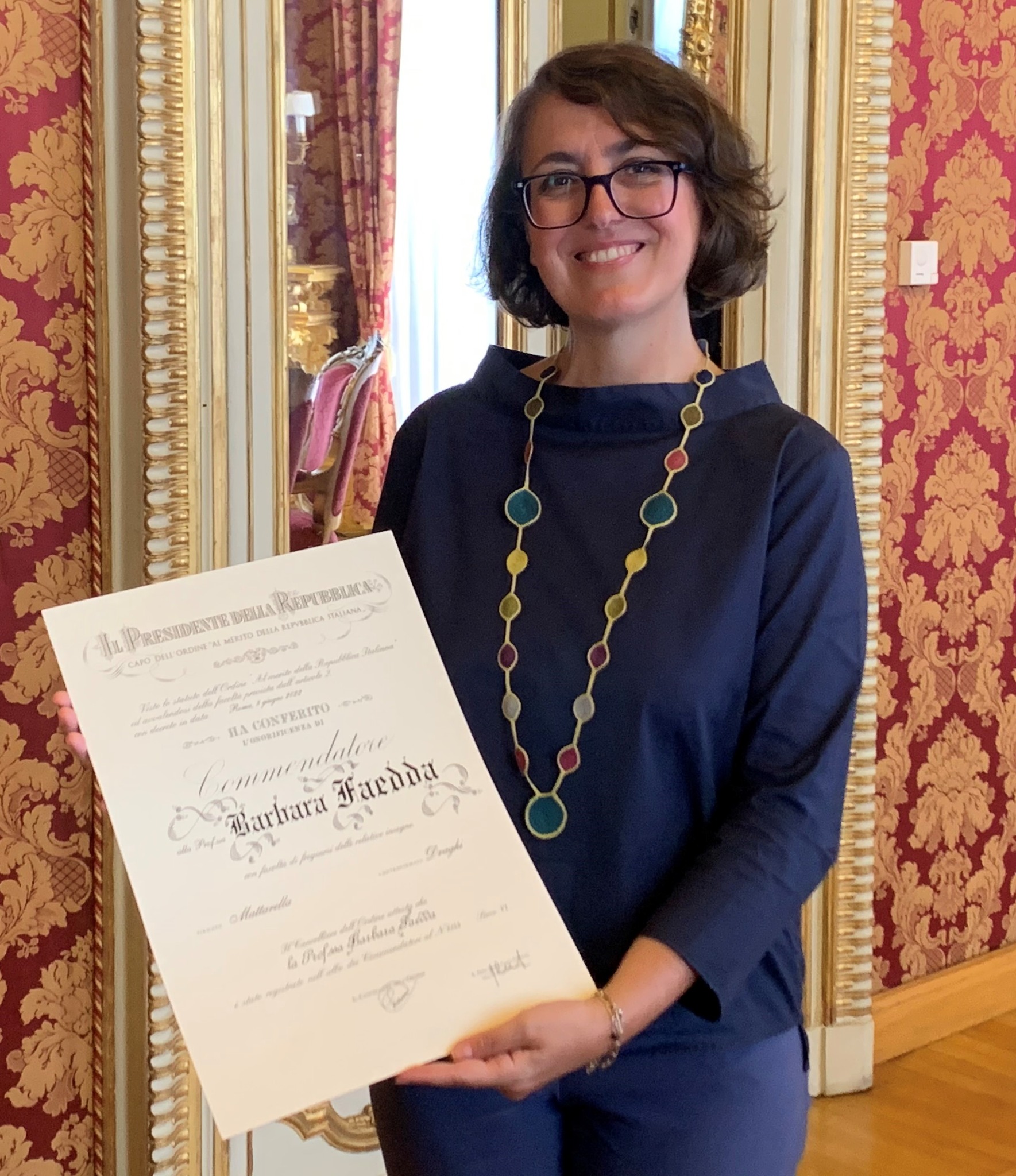
We discuss this with the Executive Director of the Italian Academy for Advanced Studies in America at Columbia University, Professor Barbara Faedda.
Hello Professor Faedda. I’d like to begin with a question about you: what path brought you from Italy to the United States?
In 2002-03, I spent a research period in Boston as a visiting scholar at Boston University School of Law. During that same time, I was also able to conduct research at Harvard and MIT. I returned to Boston a couple of years later, and during my stay I noticed an open position at Columbia University’s Italian Academy. I applied, interviewed, and was ultimately selected. I decided to accept the offer and have remained at Columbia and the Italian Academy ever since, where I am now the Executive Director.
The Italian Academy for Advanced Studies in America at Columbia University in New York was founded in 1991. But there have been Italian studies at Columbia for 200 years now. Can you tell our readers about this history?
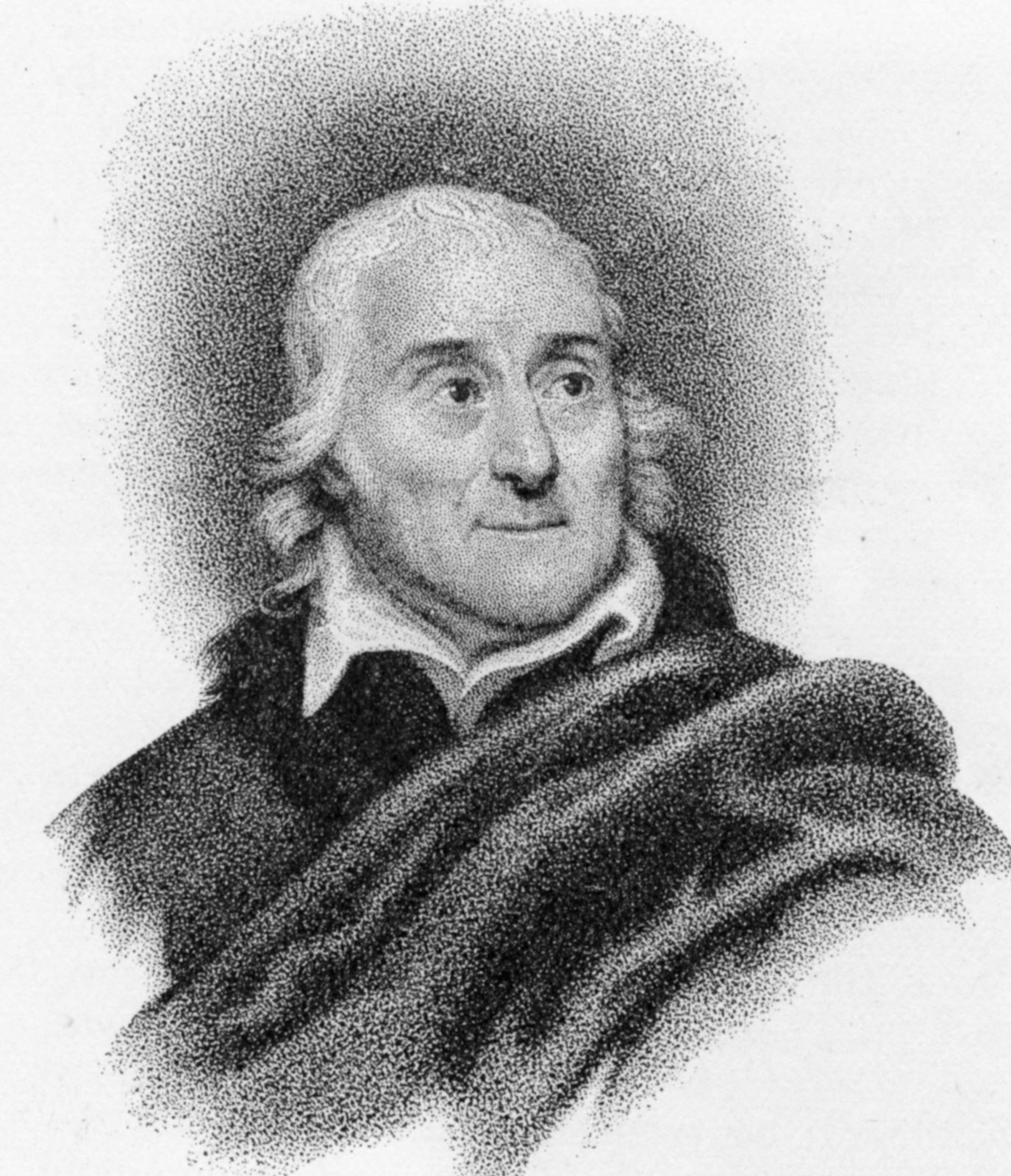
Yes, in 2025 we celebrated two centuries since the establishment of the first chair in Italian at Columbia. It was in 1825 that Lorenzo Da Ponte - the celebrated librettist of some of Mozart’s most beloved operas (Così fan tutte, Don Giovanni, The Marriage of Figaro) - took up that position, which he held until his death in 1838.
He was succeeded by another historically significant figure, Eleuterio Felice Foresti, a patriot, exile, and friend of Giuseppe Mazzini. The foundations of Italian studies at Columbia University are fascinating, prestigious, and rich in history; both the Academy and the Department of Italian are certainly proud of them.
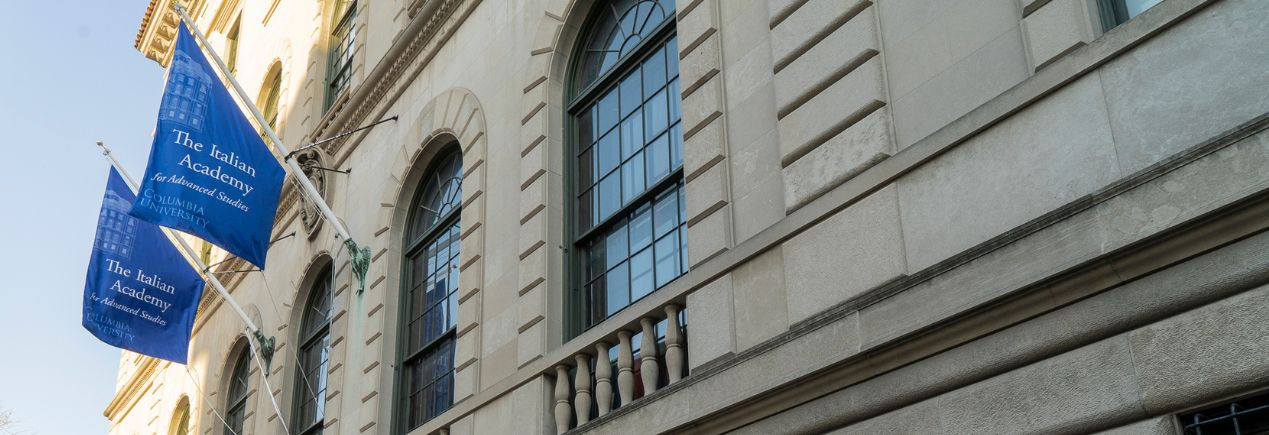
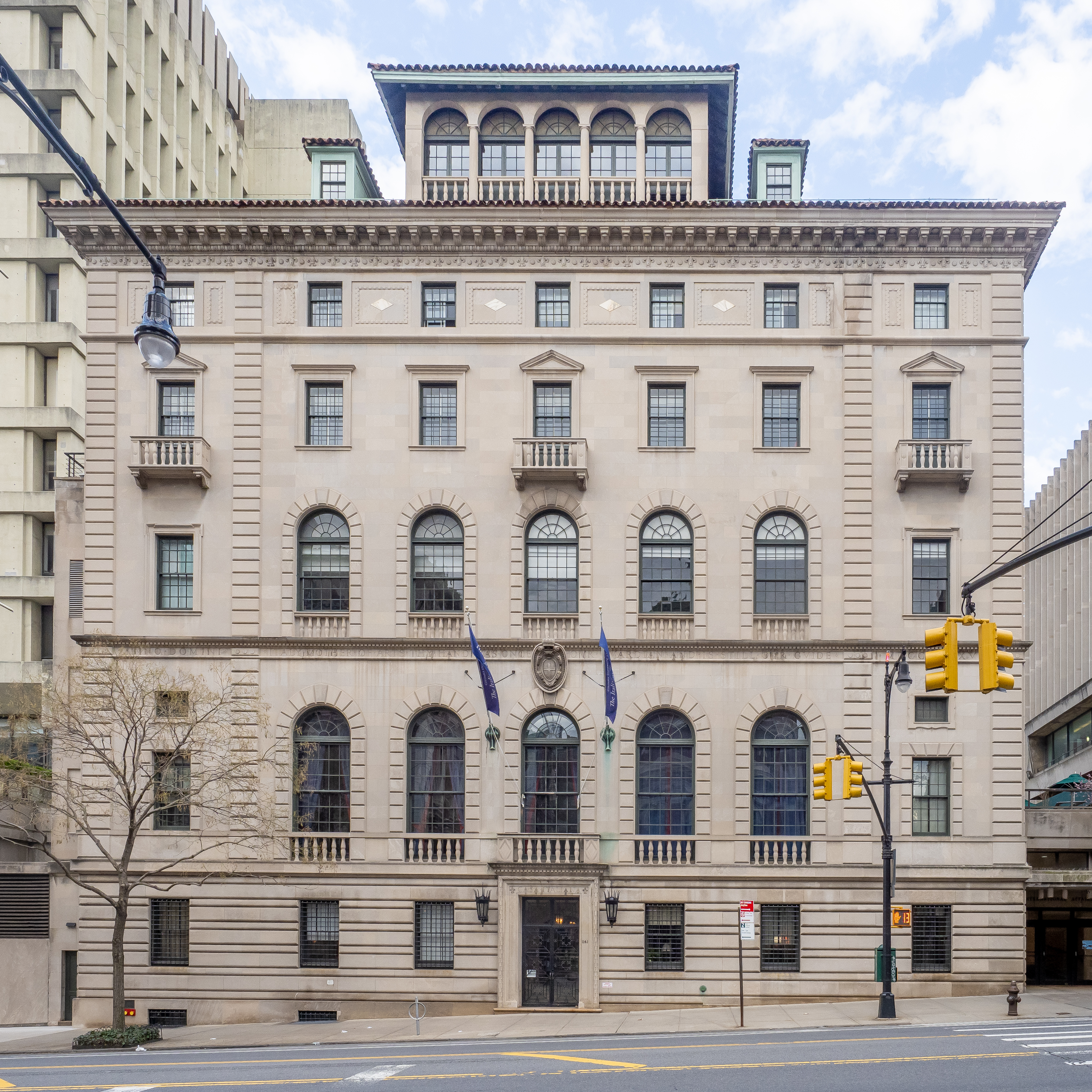
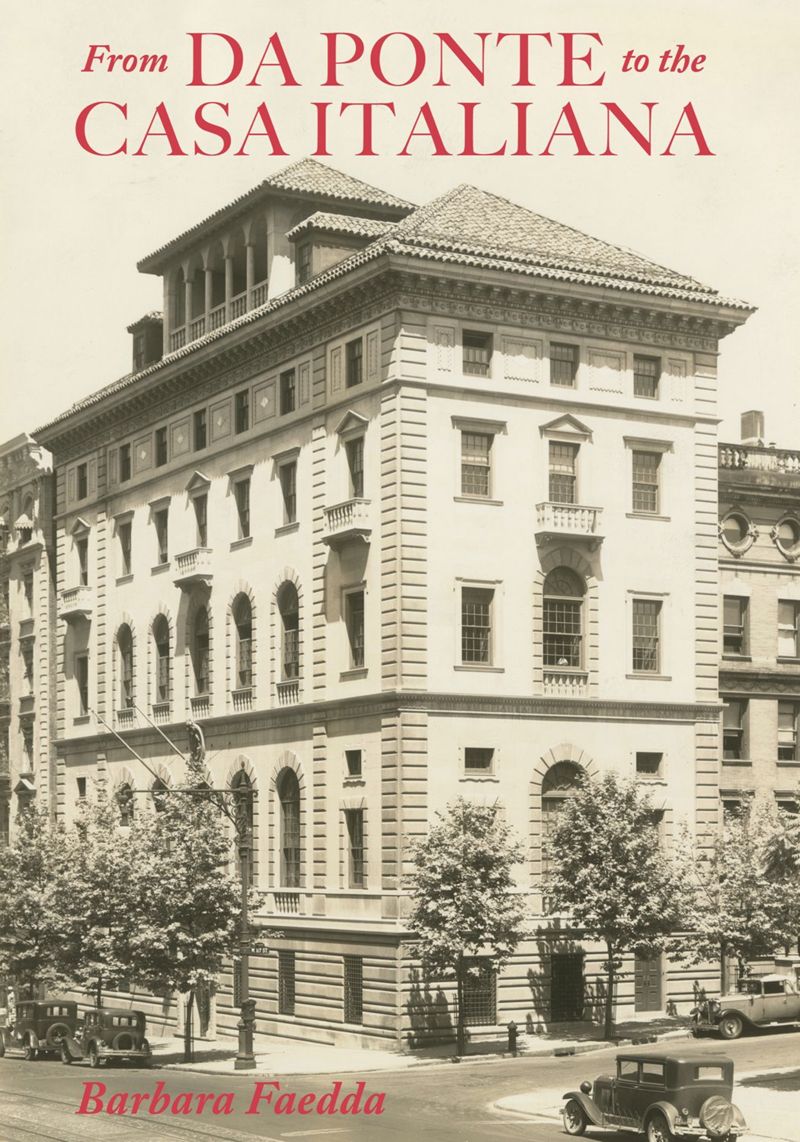
You are housed in a nearly 100-year-old building called Casa Italiana, which recalls the style of Renaissance palaces. It is an important pillar of Italian culture in New York…
Columbia University’s Casa Italiana was inaugurated on October 12, 1927. The night before, a lavish banquet was held in a downtown hotel in honor of Senator Guglielmo Marconi, the 1909 Nobel Prize winner in Physics, who had arrived specifically for the event as a representative of the Italian government.
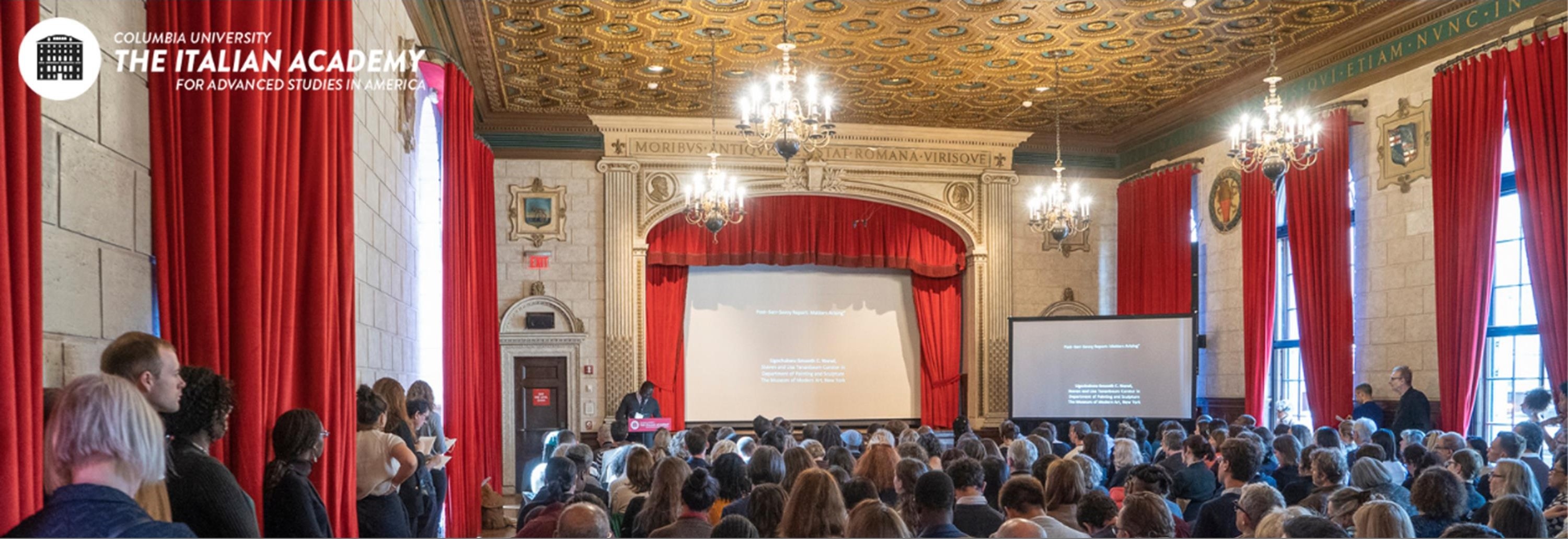
The building was considered a successful expression of Italian culture, and in its beautiful auditorium one could admire portraits of Dante and Michelangelo, quotations from Virgil and Ennius, the coats of arms of many Italian cities, and refined neo-Renaissance architecture.
All of this originated in the early 1900s, when a dozen students of Italian origin founded the Circolo Italiano; the Circolo played a fundamental role in creating Columbia University’s Casa Italiana, which was built with financial support from Italian Americans as well as from Italians and Americans. The architecture firm responsible for the design, the renowned McKim, Mead & White, had already worked on several Columbia campus buildings; Casa Italiana stood out for its beauty and has for several decades been listed among New York City’s historic - and therefore protected - buildings.
In 1991, thanks to a rather unusual agreement between Columbia and the Italian government, the Italian Academy for Advanced Studies was created. The Italian government purchased the building and leased it back to Columbia University for 500 years.
After the purchase, the Casa was renovated, and an endowment was established - a fund that allows the Academy to offer postdoctoral research fellowships, run interdisciplinary programs and projects, and organize public events.
At that time, the Italian government made a forward-looking cultural investment to finance the world’s only institute of advanced studies with a distinctly Italian identity, strategically placing it in an exceptionally international and prestigious setting: Columbia University and the city of New York.
The Department of Italian, which for many years had been housed inside the Casa, was moved to the center of campus while continuing to educate undergraduate and graduate students from all over the world. For many years I have had the privilege of teaching there, which makes me something of a bridge between the Department of Italian and the Italian Academy - between the two main campus hubs dedicated to Italian culture and scholarship.
What are the activities and programs of the Italian Academy?
An important part of the Academy is the Fellowship Program, a research fellowship initiative (a PhD is required) that each year attracts scholars from many parts of the world. After being selected by a committee of experts in their respective fields, these scholars can spend a research period here at Columbia. Beginning next year, thanks to the vision of our new director, Professor Elena Aprile, the Academy intends to focus primarily on young people - that is, promising and brilliant postdocs - so that their experience at Columbia can serve as an important launch for their research careers.
Alongside these fellowships, there is also a series of other programs and projects, some of which I have conceived and developed over the years thanks to the support and collaboration of an exceptional staff.
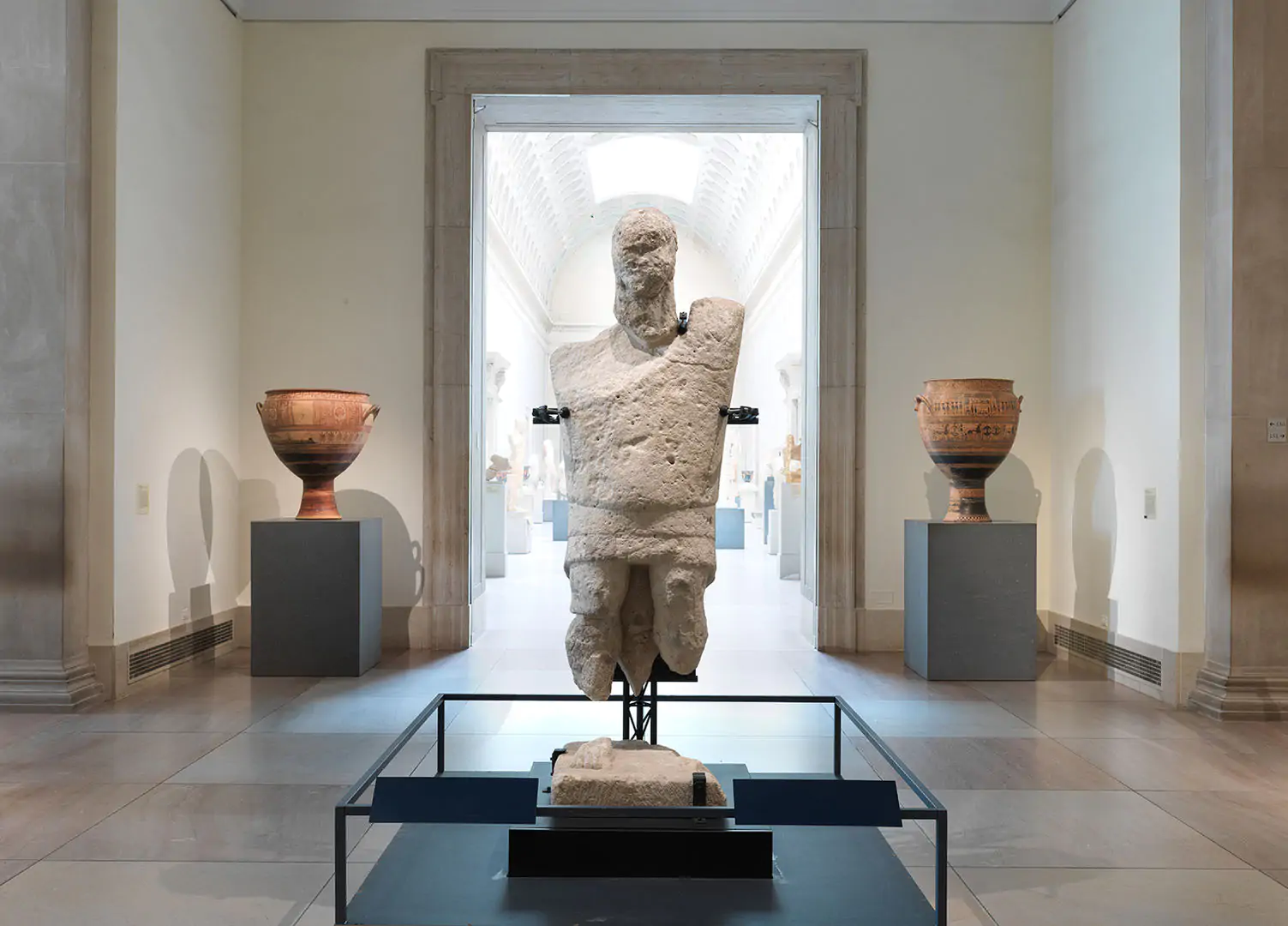
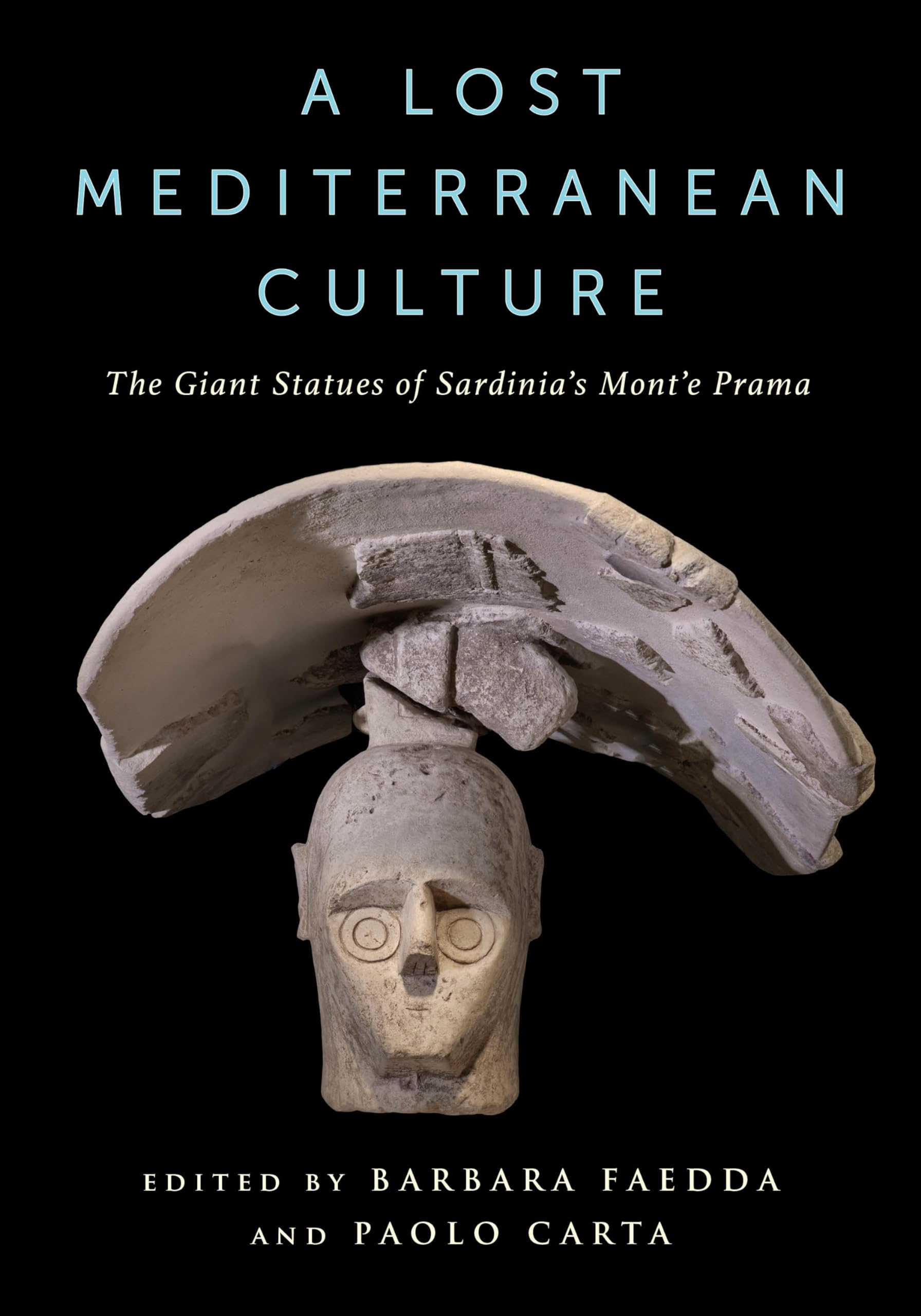
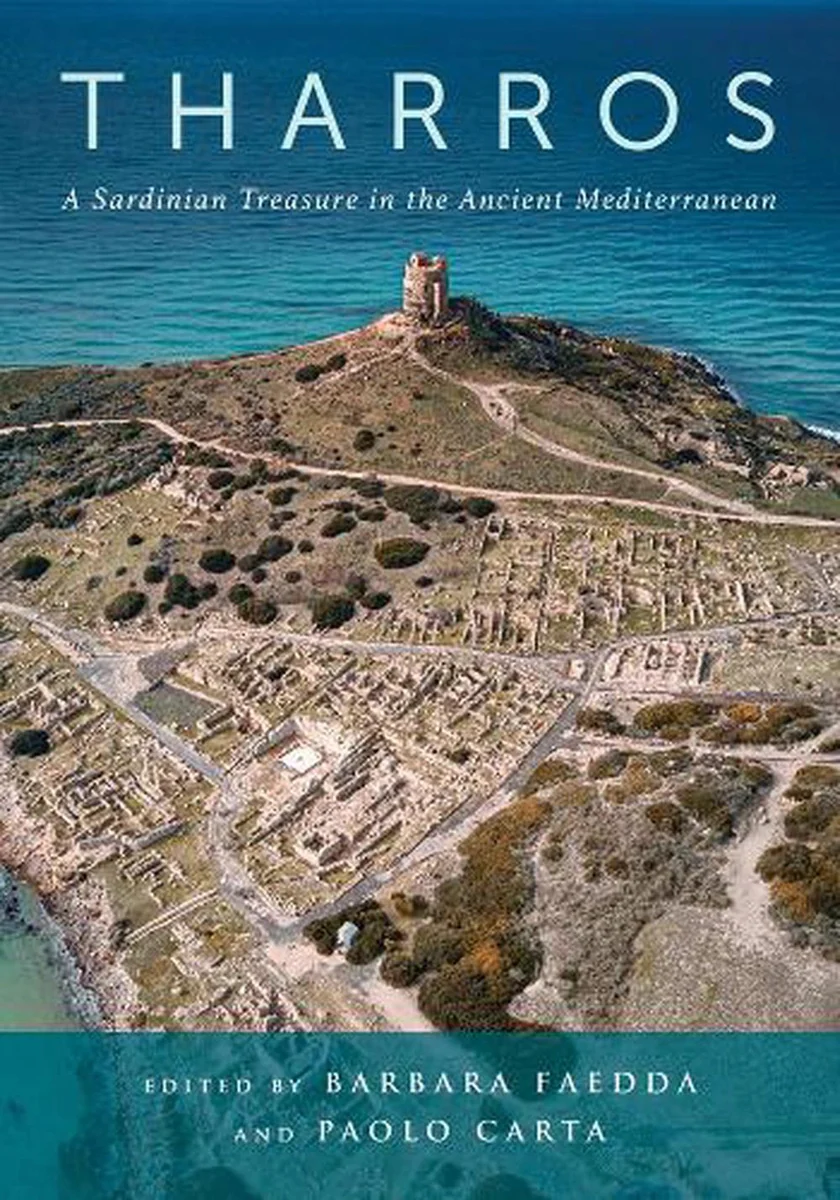
The International Observatory for Cultural Heritage, launched in 2016, is dedicated to the study, safeguarding, and conservation of cultural heritage, particularly that which is at risk (due to natural disasters, urban development, conflict, environmental deterioration, and illegal trade or trafficking). In 2023, thanks to the IOCH, thousands of visitors were able to admire a colossal statue brought to the Metropolitan Museum of Art from the archaeological site of Mont’e Prama in Sardinia. Among the Observatory’s most important initiatives is the Sardinia Project, which over the years has produced two volumes (A Lost Mediterranean Culture. The Giant Statues of Sardinia's Mont'e Prama and Tharros. A Sardinian Treasure in the Ancient Mediterranean), as well as several conferences and exhibitions.
The Rule of Law Initiative was established in 2020, given the relevance of a topic that concerns everyone and is connected to urgent and pressing issues related to human rights and social justice.
Back in 2008, we launched our Holocaust Remembrance series which - aligned with Europe and the United Nations - seeks to offer historical and academic reflection each year on the Shoah, antisemitism, and racism, coinciding with January 27, the date of the liberation of Auschwitz. It is a particularly substantial program which, in eighteen years, has gathered a rich variety of testimonies and expertise from numerous Italian and international scholars and specialists.
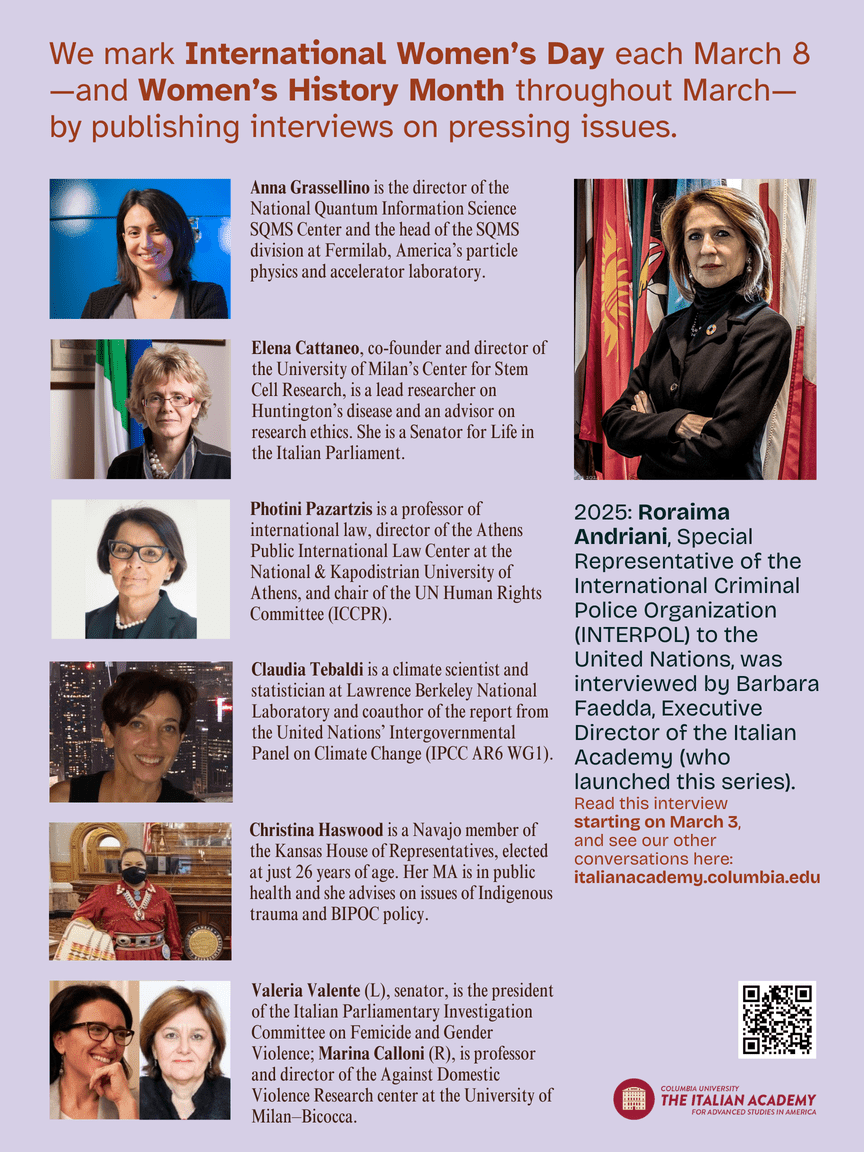
In 2021 we inaugurated Women Leaders Now, an initiative linked to International Women’s Day and Women’s History Month, featuring participants from the worlds of science, politics, law, and diplomacy.
We also devote significant effort to public events, which reflect the Academy’s interdisciplinary range. Finally, I would like to mention our publications, which require constant research and scientific collaboration, and which round out the Academy’s mission.
You have also worked on several digital exhibitions, including one that intrigued me: “Italy at Columbia,” which explores the history of Italian studies at Columbia University…
In 2017 we celebrated Casa’s 90th anniversary. On that occasion, Columbia University Press published my book From Da Ponte to the Casa Italiana, and shortly thereafter we produced a physical exhibition in our building. For the 200th anniversary of the Italian chair, we decided to make available an excerpt from the original exhibition, by creating a digital version that can be visited permanently.
Alongside this, there are other digital exhibitions that highlight important cases and precious cultural heritage sites.
This year you also celebrated another major bicentennial: the arrival of Italian opera in the United States…
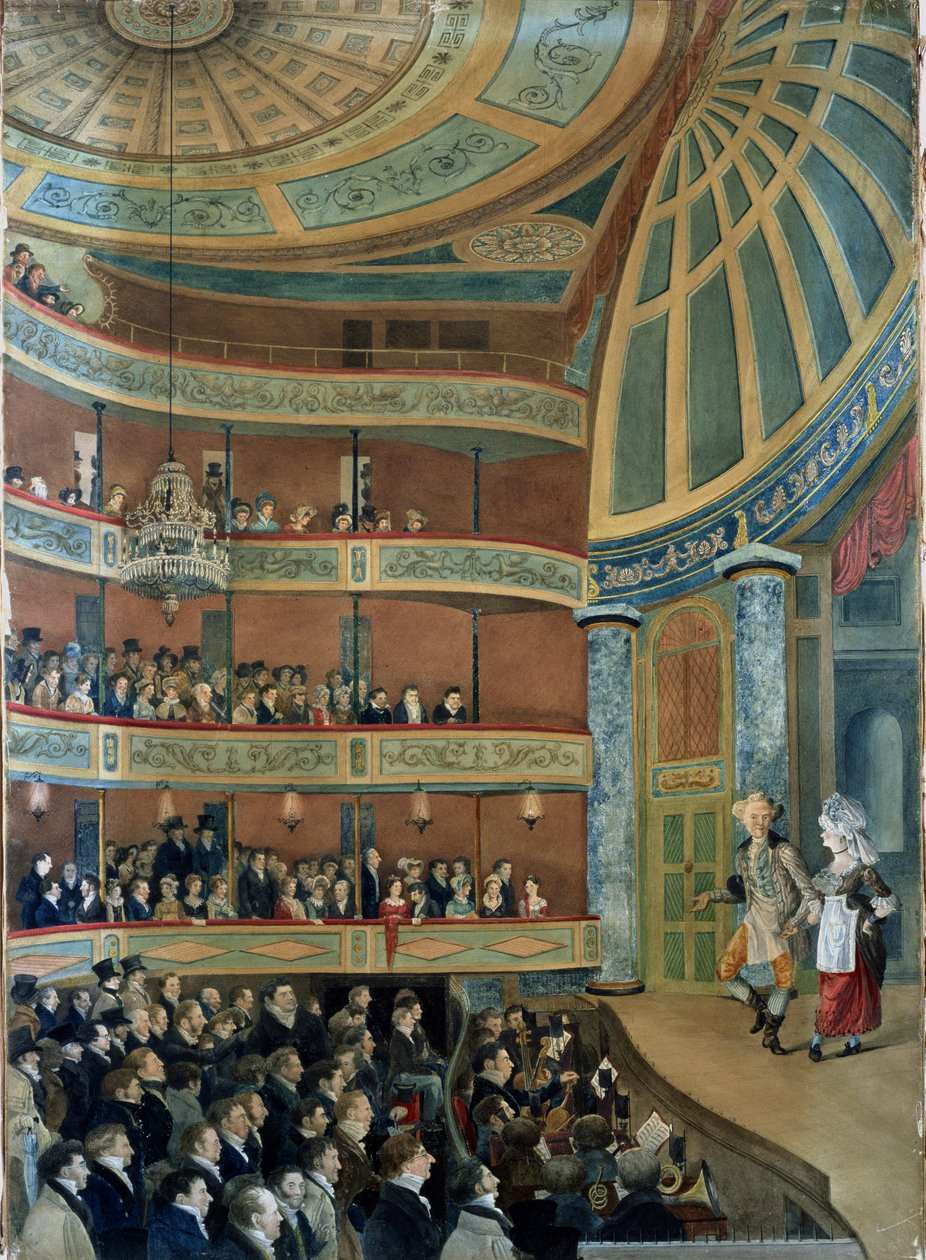
1825 was a special year not only for Lorenzo Da Ponte, but also for Italian music in the United States: an Italian opera, Il Barbiere di Siviglia, conducted by Manuel García, was performed for the first time - in Italian - in New York. The performance attracted New York’s elite and many prominent national and international figures.
As New York music critics observed, opera as a genre was not new, but this time it was in Italian, and it featured in the audience none other than Mozart’s famous librettist, Lorenzo Da Ponte, who welcomed its arrival. Musicologists, well acquainted with the subsequent founding of the first Italian Opera House, teach us about the developments and turns that have shaped the presence of Italian opera in New York and in the United States ever since.
As you mentioned, you also teach in Columbia University’s Department of Italian, offering courses on contemporary Italy. What is it like to describe today’s Italy to students who may sometimes know only the Italy of yesterday?
It is an intense and rewarding experience. Columbia students are particularly international - so, in addition to a majority of Americans, the class also includes young people from many other parts of the world: Asia, Latin America, Europe, and so on. All are interested in delving deeper than what they already know of Italy, often limited to hearsay, a brief vacation, or stories from immigrant grandparents.
I find it especially engaging to take students through a journey that touches on multiple “Italies” and to explore with them concepts such as authenticity, tradition, creativity, and innovation - as well as debunking a few stereotypes.
La Columbia University non è solo l’università più importante di New York, ma una delle più importanti negli Stati Uniti, e quindi del mondo.
Il 2025 ha infatti visto le celebrazioni per i 200 anni dall’istituzione della prima cattedra di italiano alla Columbia University, e contestualmente anche il medesimo anniversario della prima opera italiana messa in scena negli Stati Uniti: per entrambi questi avvenimenti fu protagonista Lorenzo Da Ponte. Ne parliamo con la Executive Director della Italian Academy for Advanced Studies in America presso la Columbia University, la professoressa Barbara Faedda.
Salve Professoressa Faedda, inizierei con una domanda su di lei: qual è il percorso che l’ha portata dall’Italia agli Stati Uniti?
Nel 2002-03 ho trascorso un periodo di ricerca a Boston come visiting scholar, presso la Boston University School of Law. Nello stesso periodo, ebbi modo anche di fare ricerca ad Harvard e al MIT. Tornai a Boston un paio di anni dopo e durante la mia permanenza notai una posizione vacante all’Italian Academy della Columbia University. Applicai, sostenni i colloqui e fui infine selezionata. Decisi di accettare l’offerta e da allora sono sempre rimasta alla Columbia e all’Italian Academy, di cui sono oggi l’Executive Director.
La Italian Academy for Advanced Studies in America presso la Columbia University a New York nasce nel 1991. Ma l’inizio degli studi italiani alla Columbia ha appena compiuto 200 anni. Ne può raccontare la storia ai nostri lettori?
Sì, proprio nell’anno 2025 abbiamo celebrato due secoli dall’istituzione della prima cattedra di italiano alla Columbia. Fu infatti nel 1825 che Lorenzo Da Ponte, celebre librettista di alcune delle opere più amate di Mozart (Cosi fan tutte, Don Giovanni, Le nozze di Figaro), ricoprì tale incarico, che mantenne fino alla sua morte, nel 1838.
A lui successe un’altra figura storica di grande interesse, Eleuterio Felice Foresti, patriota, esule, amico di Giuseppe Mazzini. Le fondamenta degli studi italiani alla Columbia University sono affascinanti, prestigiose e ricche di storia; sia l’Academy che il Dipartimento di Italiano ne vanno certamente fieri.
Siete ospitati in un palazzo di quasi 100 anni chiamato Casa Italiana, che richiama lo stile dei palazzi rinascimentali: è un importante pilastro dell’Italia a New York…
La Casa Italiana della Columbia University fu inaugurata il 12 ottobre 1927. La sera precedente, in un hotel del centro città, si tenne un sontuoso banchetto in onore del senatore Guglielmo Marconi, Premio Nobel per la Fisica 1909, arrivato proprio per l’evento, in rappresentanza del governo italiano.
L'edificio era considerato una riuscita espressione della cultura italiana e, nel suo bellissimo auditorium, spiccavano i ritratti di Dante e Michelangelo, citazioni di Virgilio ed Ennio, gli stemmi di molte città italiane, e una raffinata architettura neorinascimentale.
Tutto fu originato agli inizi del 1900, quando una dozzina di studenti di origine italiana fondò il Circolo Italiano; il Circolo giocò un ruolo fondamentale nella creazione della Casa Italiana della Columbia University, costruita con il sostegno economico di italoamericani, così come di italiani ed americani. Lo studio di architettura responsabile della progettazione della Casa, il noto McKim, Mead & White, aveva già lavorato a diverse strutture del campus della Columbia; la Casa Italiana spiccò per bellezza e da diversi decenni è entrata anche nel registro degli edifici storici (e dunque protetti) della città di New York.
Nel 1991, grazie ad un accordo piuttosto originale tra la Columbia e il governo italiano, fu creata l’Italian Academy for Advanced Studies. Il governo italiano acquistò il palazzo e lo riaffittò alla Columbia University per 500 anni.
Dopo l’acquisto, la Casa fu ristrutturata e venne costituito un endowment, un fondo che permette all’Academy di offrire borse di ricerca a post-doc, condurre programmi e progetti interdisciplinari, ed organizzare eventi pubblici.
Il governo italiano all’epoca effettuò un lungimirante investimento culturale per il finanziamento dell’unico istituto di studi avanzati al mondo con una spiccata identità italiana, posizionandolo strategicamente in un contesto assai internazionale e prestigioso quale quello della Columbia University e della città di New York.
Il Dipartimento di Italiano, che per molti anni era stato ospitato dentro la Casa, fu spostato nel centro del campus, continuando a formare studenti undergraduate e graduate da ogni parte del mondo. Io da molti anni ho il privilegio di insegnare, rappresentando quindi un po’ un ponte tra il Dipartimento di Italiano e l’Italian Academy, cioè tra i due punti di riferimento sul campus relativi alla cultura e alla ricerca italiana.
Quali sono le attività e i programmi dell'Italian Academy?
Una parte importante dell’Academy è il Fellowship Program, un programma di borse di ricerca (il dottorato è un requisito) che ogni anno attira studiosi da molte parti del mondo. Questi, dopo essere stati selezionati da una commissione di esperti nei rispettivi campi, possono trascorrere un periodo di ricerca qui alla Columbia. A partire dal prossimo anno, e per l’input della nuova direttrice, professoressa Elena Aprile, l’Academy intenderà sostenere principalmente i giovani, cioè promettenti e brillanti post-docs, così che la l’esperienza alla Columbia possa rappresentare un importante lancio della loro carriera di ricercatori.
Parallelamente alle borse, vi è poi una serie di altri programmi e progetti, alcuni dei quali ideati e sviluppati da me nel corso degli anni, grazie al supporto e alla collaborazione di uno staff eccezionale.
L’International Observatory for Cultural Heritage (IOCH), lanciato nel 2016, si dedica allo studio, alla salvaguardia e alla conservazione dei beni culturali, in particolare di quelli a rischio (per calamità naturali, sviluppo urbano, conflitti e deterioramento ambientale, nonché commercio e traffico illegali). Nel 2023, migliaia di visitatori hanno potuto ammirare, grazie all’IOCH, una statua colossale al Metropolitan Museum of Art, proveniente dal sito archeologico di Mont’e Prama, in Sardegna. Infatti, tra le iniziative più importanti dell’Osservatorio, vi è il Sardinia Project, che negli anni ha anche prodotto due volumi (A Lost Mediterranean Culture. The Giant Statues of Sardinia's Mont'e Prama e Tharros. A Sardinian Treasure in the Ancient Mediterranean), diverse conferenze ed esibizioni.
La Rule of Law Initiative è stata istituita nel 2020, data l’attualità di un tema che riguarda tutti e che si collega a questioni urgenti e pressanti relative ai diritti umani e alla giustizia sociale.
Nell’ormai lontano 2008, è nato l’Holocaust Remembrance che - in linea con l'Europa e le Nazioni Unite - intende offrire ogni anno una riflessione storica e accademica su Shoah, antisemitismo e razzismo, in coincidenza con il 27 gennaio, data della liberazione di Auschwitz. Si tratta di un programma particolarmente denso che in diciotto anni ha raccolto una ricca varietà di testimonianze e competenze di numerosi studiosi ed esperti italiani ed internazionali.
Nel 2021 abbiamo inaugurato Women Leaders Now, un’iniziativa che si collega alla Giornata internazionale della donna e al Women’s History Month e che vede la partecipazione di donne del mondo della scienza, della politica, del diritto e della diplomazia.
Grande impegno dedichiamo anche agli eventi pubblici, che rispecchiano la varietà interdisciplinare dell’Academy. Last but not least, vorrei menzionare le nostre pubblicazioni, che ci impegnano in un costante lavoro di ricerca e collaborazione scientifica, e che completano la missione dell’Academy.
Avete lavorato anche ad alcune mostre digitali, tra le quali mi incuriosisce quella chiamata "Italy at Columbia", che esplora la storia degli studi italiani alla Columbia University…
Nel 2017 celebrammo i novanta anni della Casa. In quella occasione, la Columbia University Press pubblicò il mio libro From Da Ponte to the Casa Italiana. A Brief History of Italian Studies at Columbia University e poco dopo producemmo una esibizione (fisica) nel nostro palazzo. In occasione dei 200 anni dall’istituzione della cattedra di italiano, decidemmo di rendere disponibile un estratto della mostra originale, creandone una versione digitale, visitabile permanentemente.
A questa, si sommano altre mostre digitali, che rappresentano casi importanti e siti preziosi di cultural heritage.
Quest’anno avete celebrato anche un altro importantissimo duecentesimo anniversario, quello dell’arrivo dell’opera italiana negli Stati Uniti. E’ difficile riassumere 200 anni in una sola risposta, ma le chiedo di provarci a beneficio dei nostri lettori.
Il 1825 non fu un anno speciale solo per Lorenzo Da Ponte, ma anche per la musica italiana negli Stati Uniti: un'opera italiana, Il Barbiere di Siviglia, diretta da Manuel García, fu rappresentata per la prima volta, in italiano, a New York. La performance attirò l’élite newyorkese e molti personaggi famosi, nazionali ed internazionali.
Come osservato dai critici musicali newyorkesi, l'opera come genere non era una novità, ma stavolta era in italiano e aveva annoverato tra il pubblico nientemeno che il celebre librettista di Mozart, Lorenzo Da Ponte, a salutarne l'arrivo. I musicologi, che conoscono bene la nascita poi della prima Italian Opera House, ci insegnano gli sviluppi e le vicissitudini che da allora hanno caratterizzato la presenza dell’opera italiana a New York e negli Stati Uniti.
Come ha già anticipato, lei insegna anche presso il Dipartimento di Italiano della Columbia University, dove tiene corsi sull’Italia contemporanea. Che esperienza è raccontare l’Italia di oggi a studenti che forse a volte conoscono solo quella di ieri?
È un’esperienza intensa e gratificante. Gli studenti della Columbia sono particolarmente internazionali, quindi - oltre ad una maggioranza statunitense - in classe vi sono anche diversi giovani da altre parti del mondo: Asia, America Latina, Europa, etc. Tutti interessati ad andare un po’ più a fondo rispetto a ciò che conoscono dell’Italia, spesso limitato al sentito dire, a qualche breve vacanza, o ai racconti dei nonni emigrati.
Trovo particolarmente interessante intraprendere con i ragazzi un percorso che tocca diverse “Italie” e ragionare con loro sui concetti di autenticità, tradizione, creatività e innovazione, nonché sfatare qualche stereotipo.