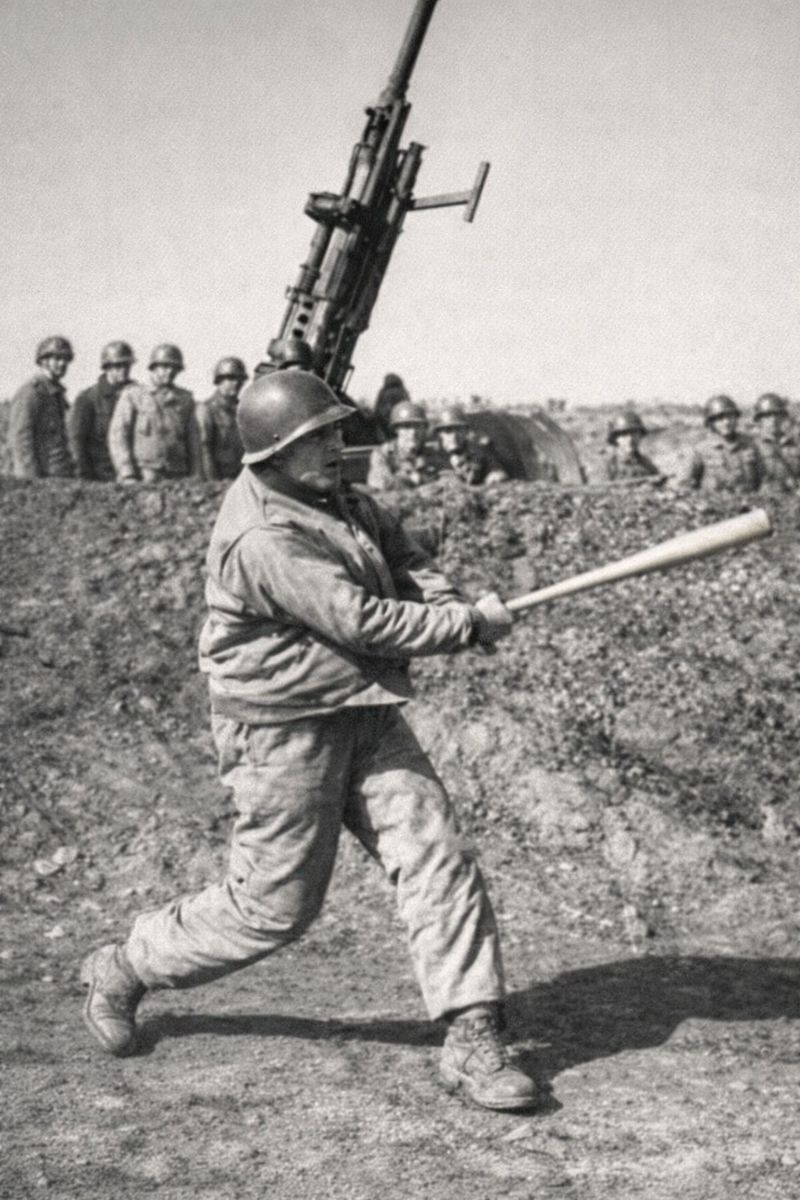
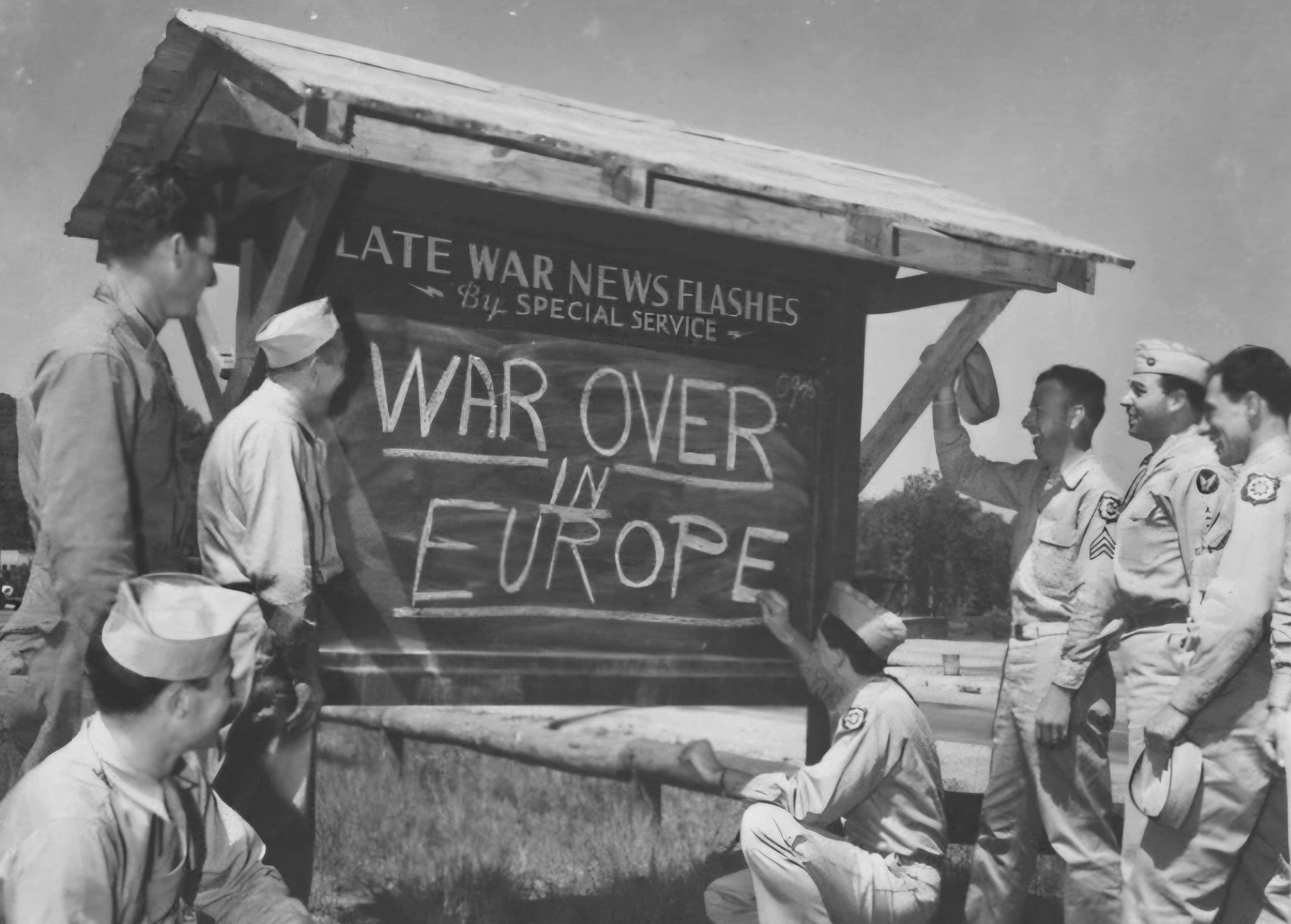
Americans call it “America's pastime”: baseball is much more than just a sport. It arrived in Italy thanks to American soldiers during World War II, who gave us back our freedom and taught us their favorite sport.
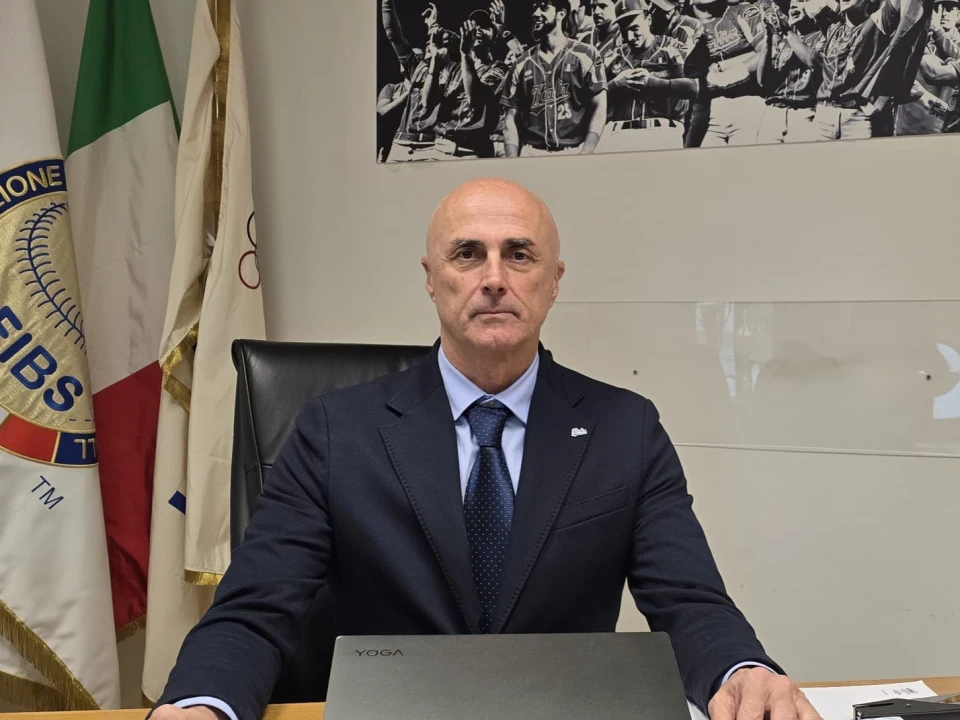
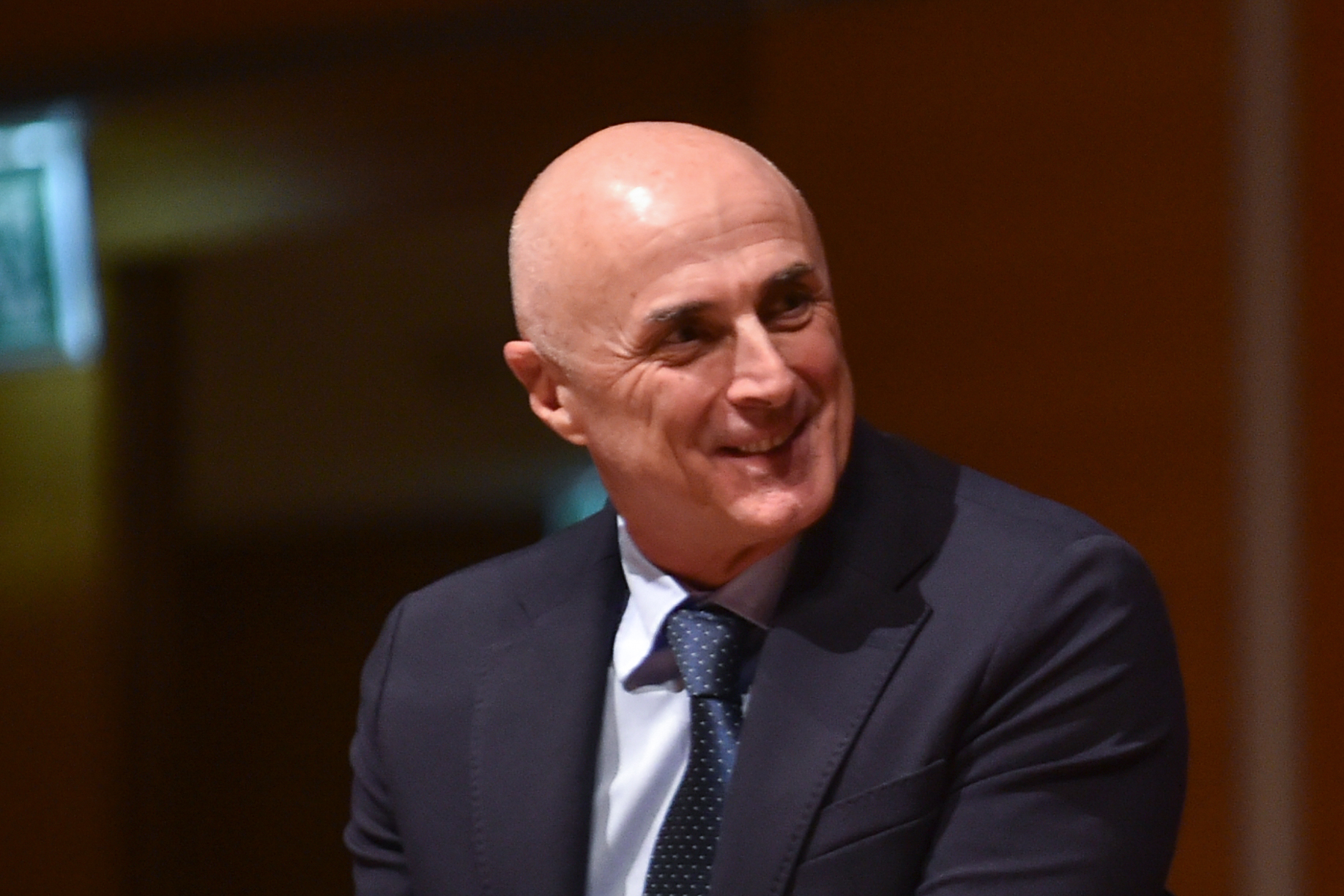
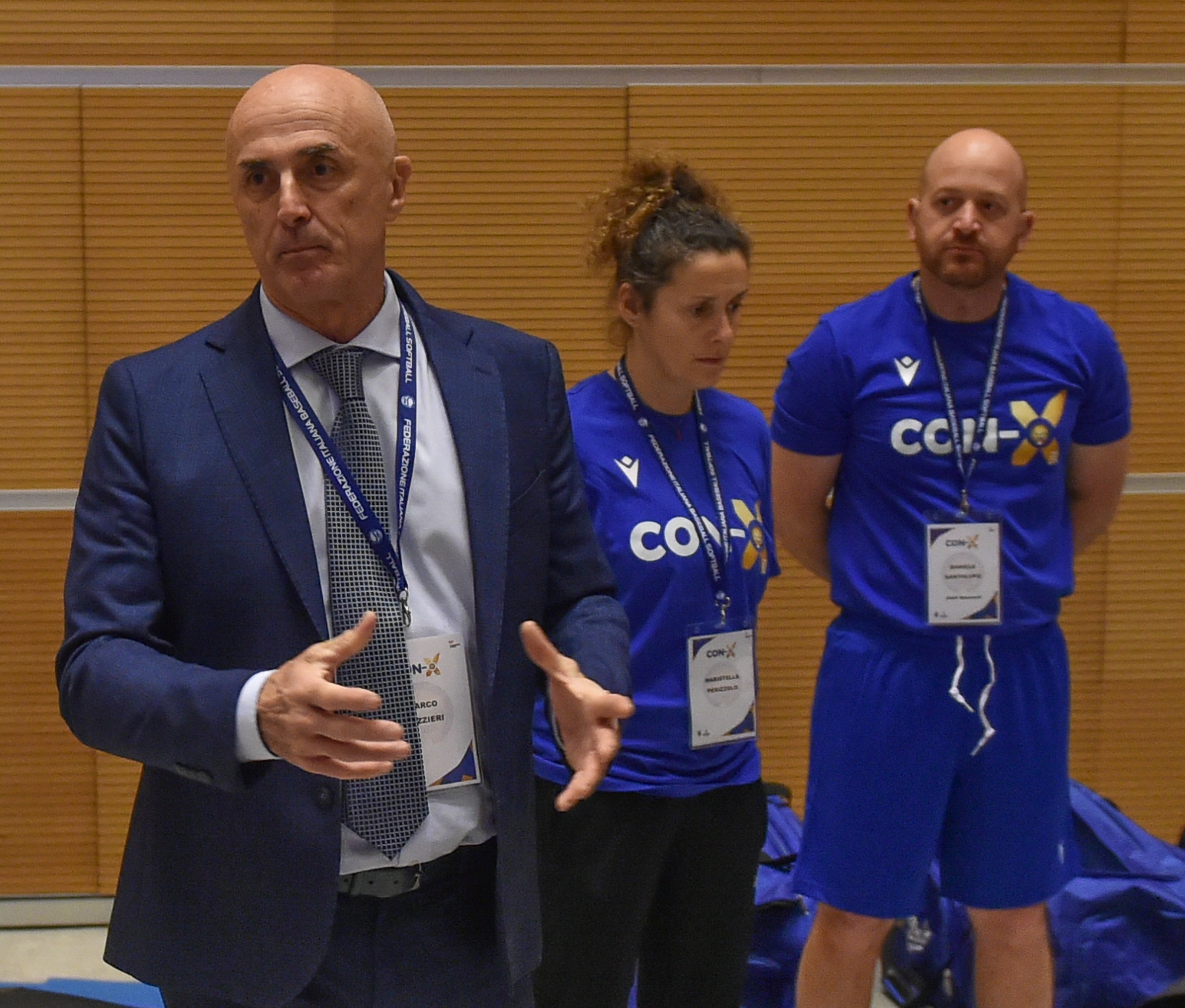
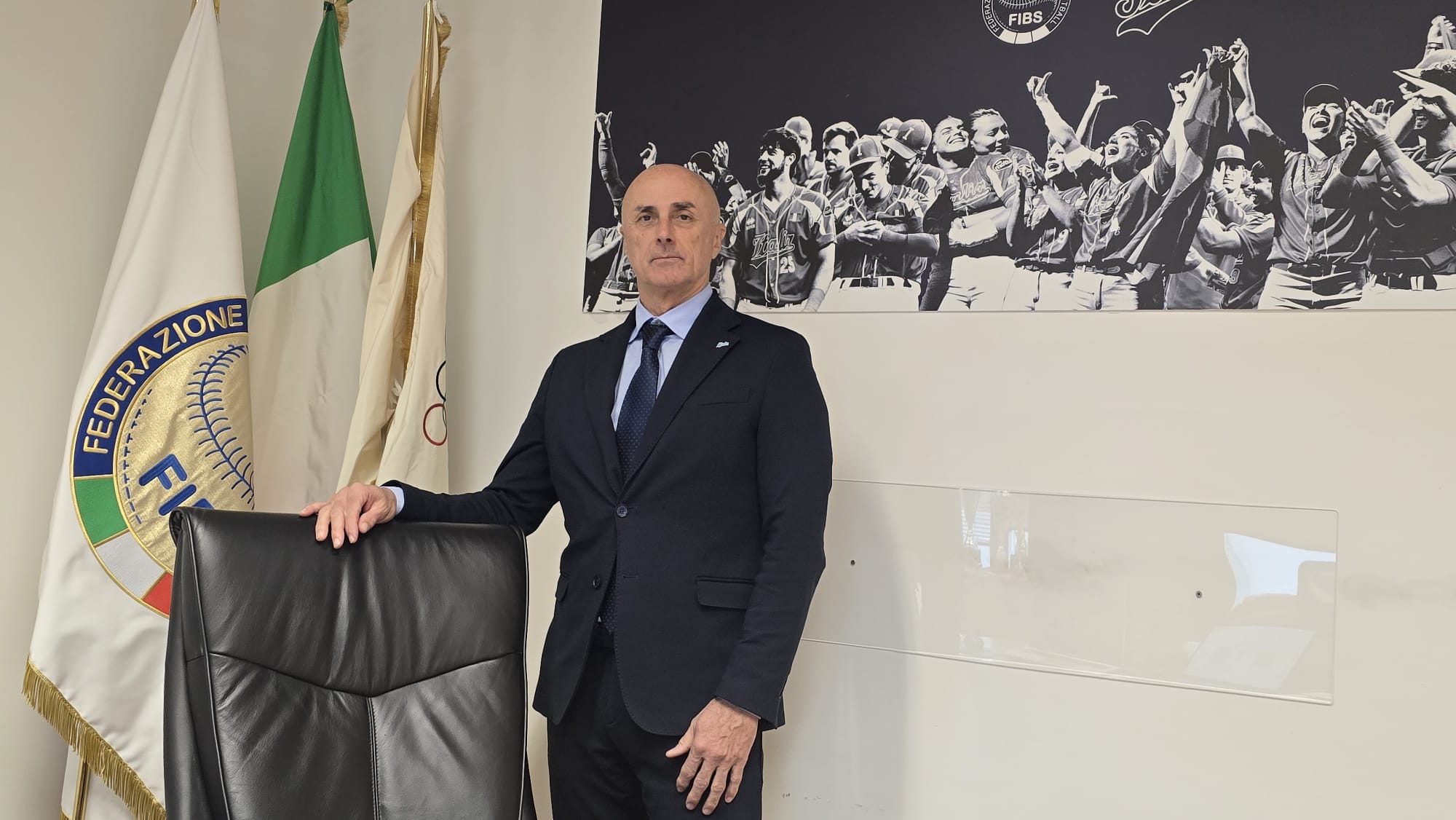
In Italy, the Federazione Italiana Baseball e Softball (Italian Baseball and Softball Federation) manages everything related to America's pastime, and it is obviously very important to We the Italians as well. We welcome FIBS President Marco Mazzieri, who will also tell us about a historic game between Italy and the United States that will take place in Houston in March.
President, first of all, please tell us about your passion for baseball and how it intersects with your relationship with the United States.
My passion for baseball began early on as a bat boy, thanks to a neighbor of mine who was a few years older than me and who, along with other kids in the village, had started playing this “strange” game. Baseball is a sport that teaches you about timing, waiting, and respecting roles and rules. It is a deeply strategic game, but also a human one, where every action is the result of a balance between individuality and teamwork.
My relationship with the United States naturally intertwined with this passion: baseball is an integral part of American culture and, for those who love it, the United States represents a sort of ideal home. As a child, I read everything I could find about baseball and immediately learned to love the great Italian American players who made history in this sport.
Can you explain to our readers the importance that baseball has had and continues to have in relations between Italy and the United States?
Baseball is one of the strongest cultural bridges between Italy and the United States. It arrived in our country after World War II, brought over by American soldiers.
Through baseball, sporting exchanges, institutional relations, personal friendships, and opportunities for many Italian athletes to compete in the American professional world have developed. It is a sport that tells a lot about the shared history between the two countries and continues to be a vehicle for dialogue, especially thanks to the Italian American communities.
Which Italian American baseball players from the past are you most attached to, your favorites?
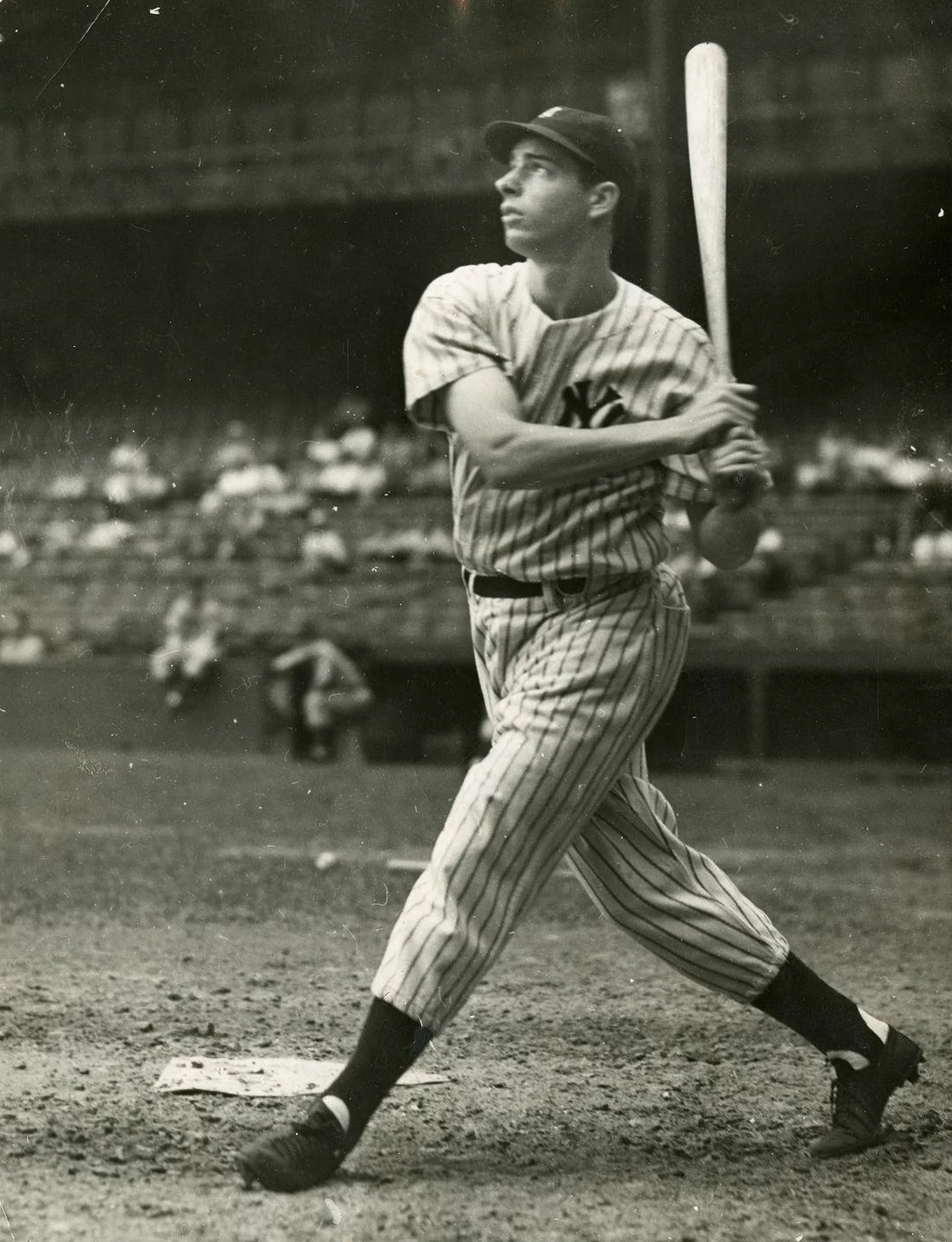
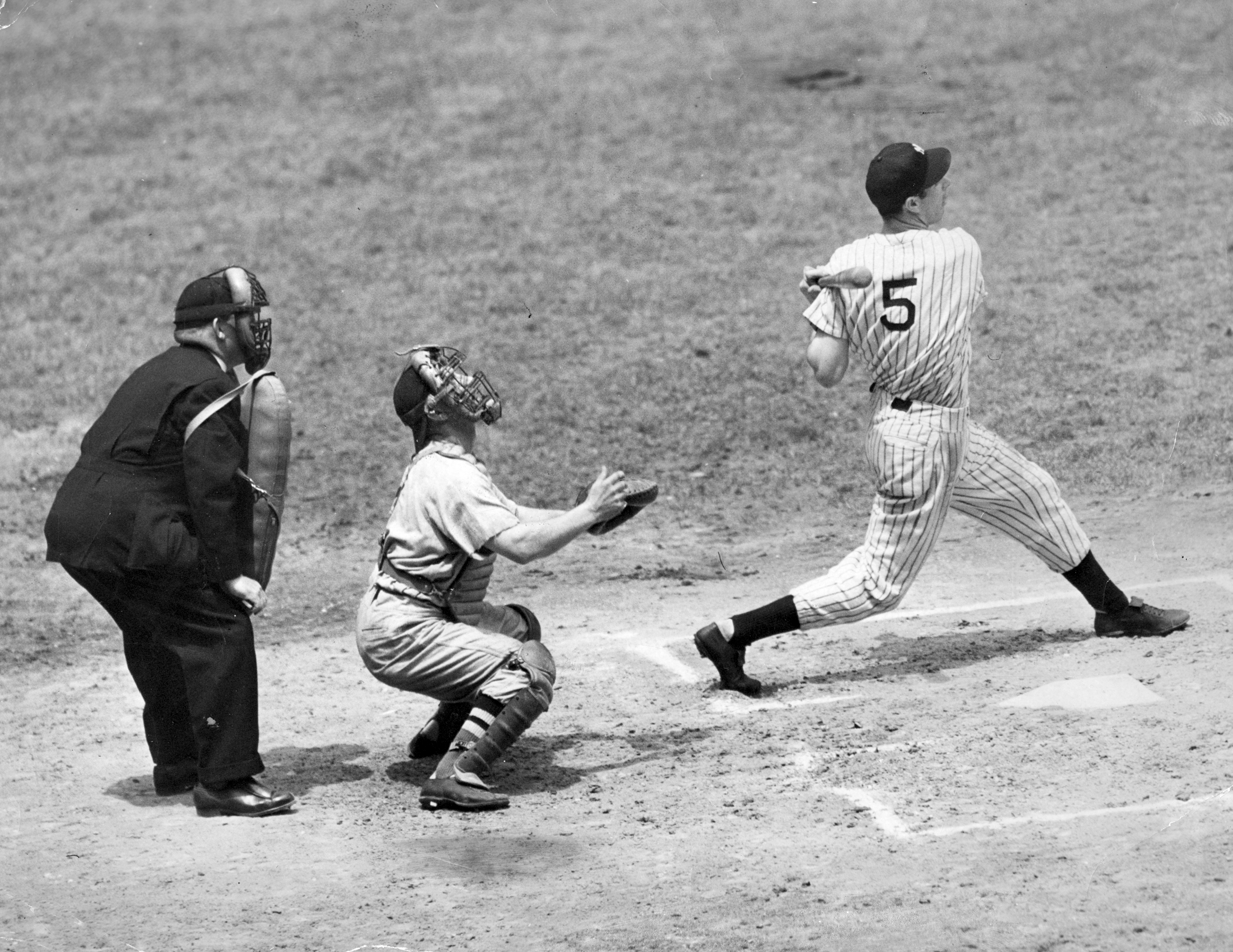
There are many, and it's difficult to choose just a few. Certainly figures such as Joe DiMaggio, an absolute symbol not only of baseball but of Italian American pride, represent a point of reference for everyone. Among other things, both as a player and as a coach, I chose the number 5 on my jersey in honor of the great Joe.
But I also think of many other players who embodied that strong link between Italian roots and the American dream, demonstrating how identity can be an asset even in top-level sport.
What is the history and what are the activities of the Italian Baseball and Softball Federation, which you have been leading since last year?
The Italian Baseball and Softball Federation has a long history, built on the sacrifice and time given by the many volunteers who are part of our movement.
Today, the Federation is engaged on several fronts: the development of grassroots activities, the consolidation and growth of the women's movement, the training of coaches and managers, the strengthening of the leagues, Baseball for the Blind, Baseball5, and the promotion of the national teams. The goal is to make baseball and softball increasingly accessible, modern, and recognizable in the Italian sports landscape.
For several years now, the Italian national team has been able to count on a number of Italian American players: which ones will be wearing the blue jersey at the World Classic?
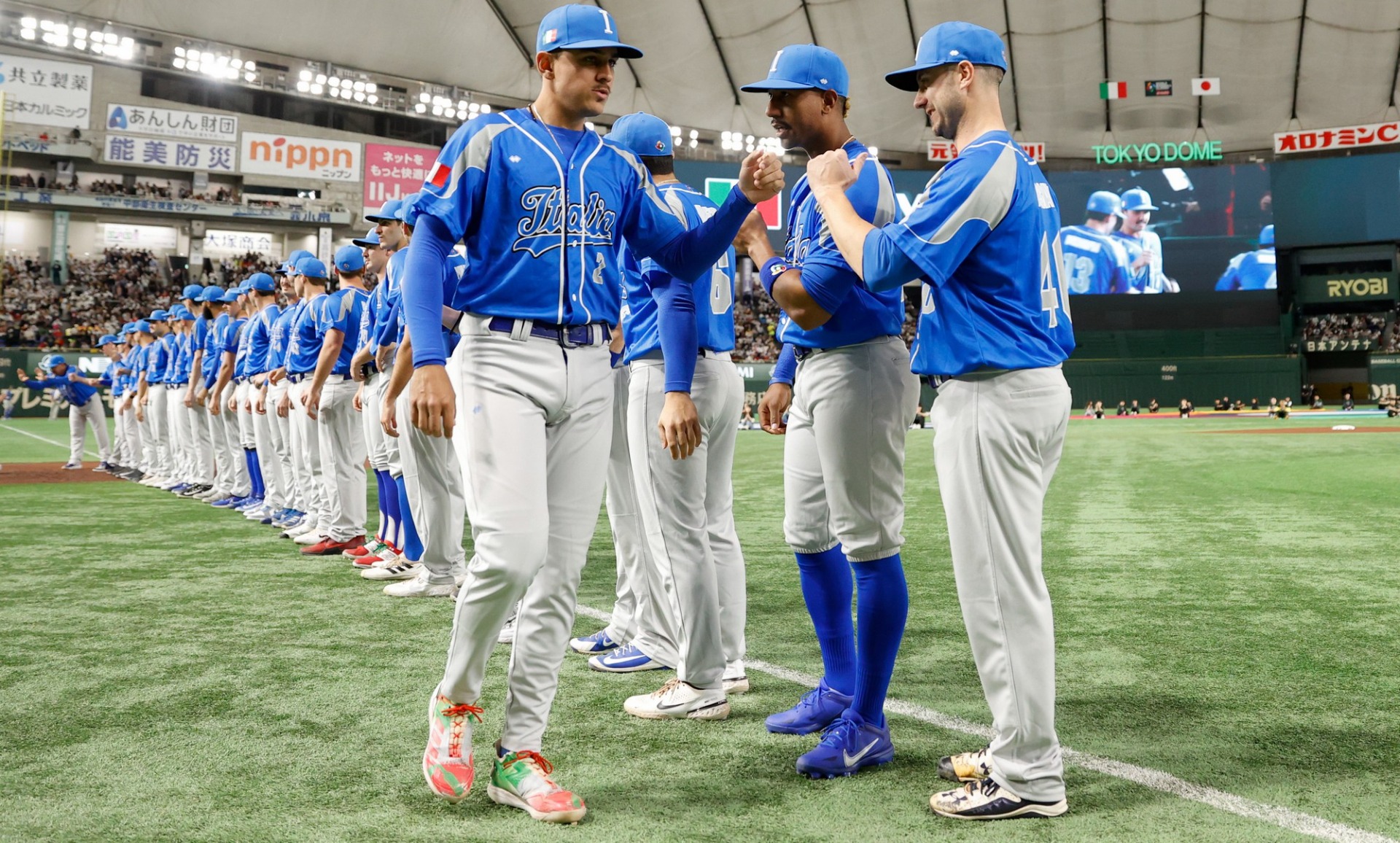
The Italian national team in this event will be a very interesting mix of athletes trained in Italy and Italian American players who play in North American professional leagues.
At the World Baseball Classic, we will have several athletes with MLB experience, who bring technical quality, a professional mentality, and great pride in wearing the blue jersey. It is a project that does not distort Italian identity but strengthens it, making it more competitive globally, especially in an event like this. I cannot name anyone because, at the moment, we are not authorized by WBC policy.
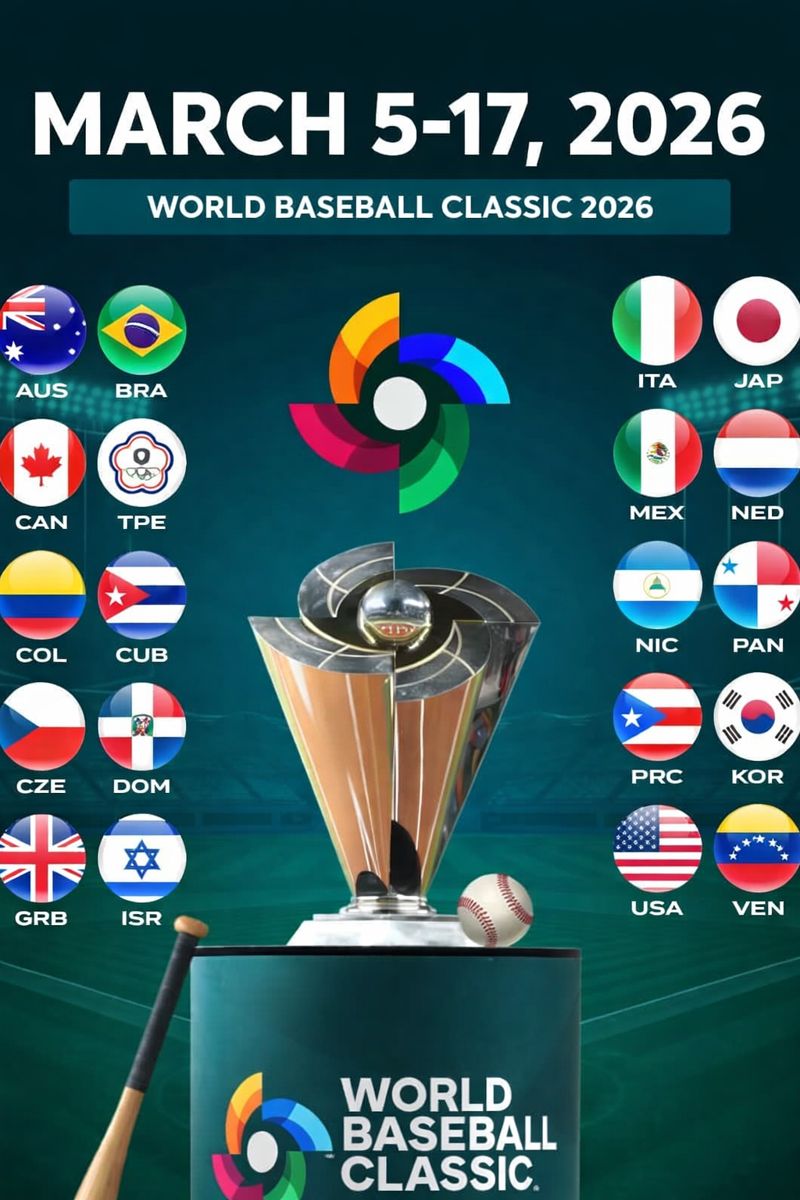
Let's talk about the World Classic. While we wait for Italy's soccer team to qualify for the World Cup in America, Italy's baseball team has qualified well and will play in the world championships of your sport in Houston, America. Can you tell us what will happen in March?
The World Baseball Classic is the biggest international event in our sport, a sort of World Cup that brings together the best professionals in the world. It's the best of the best.
In March, Italy will be competing in Houston in a high-level tournament, facing very strong teams, including Mexico and the USA. For us, it is a great showcase, but also an extraordinary opportunity for technical and cultural growth. Playing in America, in front of a knowledgeable and passionate audience, especially against the United States, represents a historic moment for the entire Italian movement.
We're not asking you for a prediction, but we would like you to explain to our readers how you will feel when, on March 10, Italy's opponents will be the United States of America...
It will be a very strong emotion. Facing the United States, which has a team made up of ALL STARS, is something that goes beyond the sporting result.
I will feel pride, respect, and a great sense of responsibility. Pride in our boys, respect for an immense tradition, and the awareness of representing Italy in a world-class context.
What initiatives are you preparing in Houston on the sidelines of the tournament?
We are working on several initiatives that will involve the Italian American community, institutions, and baseball fans.
The idea is to transform the World Baseball Classic not only into a sporting event, but also into an opportunity to promote Italy, our sporting culture, and the historical ties between the two countries.
Finally, we would like to ask you to recommend some prospects who play or could play for the Italian national team in the future, both among those born in Italy and among Italian Americans.
The Italian movement is rich in interesting young players, both among those who grew up in our youth teams and among the many who grew up in other countries and are now emerging in the North American leagues.
We are investing in scouting and training because the future of the national team depends on the ability to combine talent, athleticism, identity, and planning. I can say with conviction that Italy's baseball and softball teams have a generation ahead of them that will bring great satisfaction. I don't want to name names because we have several players born between 2004 and 2009 who, by continuing to train hard and make sacrifices every day, will be able to give us great satisfaction.
Gli americani lo chiamano “il passatempo nazionale”: il baseball è molto più di un semplice sport. È arrivato in Italia grazie ai soldati americani durante la Seconda guerra mondiale, che ci hanno restituito la libertà e ci hanno insegnato il loro sport preferito.
In Italia, la Federazione Italiana Baseball e Softball (FIBS) gestisce tutto ciò che riguarda il passatempo nazionale americano, ed è ovviamente molto importante anche per We the Italians. Diamo il benvenuto al Presidente della FIBS Marco Mazzieri, che ci parlerà anche di una partita storica tra Italia e Stati Uniti che si terrà a Houston nel mese di marzo.
Presidente, per prima cosa le chiedo di raccontarci la sua passione per il baseball, e come essa si incrocia con il suo rapporto con gli Stati Uniti
La mia passione per il baseball nasce presto come bat-boy, grazie ad un mio vicino di casa che aveva qualche anno più di me e che con altri ragazzi del paese avevano iniziato a giocare a questo “strano” gioco. Il baseball è uno sport che ti educa al tempo, all’attesa, al rispetto dei ruoli e delle regole. È un gioco profondamente strategico, ma anche umano, dove ogni azione è figlia di un equilibrio tra individualità e squadra.
Il mio rapporto con gli Stati Uniti si è intrecciato naturalmente con questa passione: il baseball è parte integrante della cultura americana e, per chi lo ama, gli Stati Uniti rappresentano una sorta di casa ideale. Da piccolo leggevo qualsiasi cosa che parlasse di baseball ed ho imparato da subito ad amare i grandi giocatori italo americani che hanno fatto la storia di questo sport.
Può spiegare ai nostri lettori l’importanza che il baseball ha avuto ed ha nei rapporti tra Italia e Stati Uniti?
Il baseball è uno dei ponti culturali più solidi tra Italia e Stati Uniti. Arriva nel nostro Paese nel secondo dopoguerra, portato dai soldati americani.
Attraverso il baseball si sono sviluppati scambi sportivi, relazioni istituzionali, amicizie personali e opportunità per tanti atleti italiani di confrontarsi con il mondo professionistico americano. È uno sport che racconta molto della storia condivisa tra i due Paesi e che ancora oggi continua a essere un veicolo di dialogo, soprattutto grazie alle comunità italoamericane.
Quali sono i giocatori italoamericani di baseball del passato ai quali è più legato, i suoi preferiti?
Ce ne sono molti, ed è difficile sceglierne solo alcuni. Sicuramente figure come Joe DiMaggio, simbolo assoluto non solo del baseball ma dell’orgoglio italoamericano, rappresentano un punto di riferimento per tutti. Tra l’altro sia da giocatore che da allenatore avevo scelto il numero 5 sulla mia casacca proprio in onore del grande Joe.
Ma penso anche a tanti altri giocatori che hanno incarnato quel legame forte tra radici italiane e sogno americano, dimostrando come l’identità possa essere una ricchezza anche nello sport di altissimo livello.
Qual è la storia e quali sono le attività della Federazione Italiana Baseball e Softball, che lei guida dallo scorso anno?
La Federazione Italiana Baseball e Softball ha una storia lunga, fatta con il sacrificio e il tempo messo a disposizione dai tantissimi volontari che fanno parte del nostro movimento.
Oggi la Federazione è impegnata su più fronti: lo sviluppo dell’attività di base, il consolidamento e la crescita del movimento femminile, la formazione di tecnici e dirigenti, il rafforzamento dei campionati, il Baseball per Ciechi, il Baseball5 e la valorizzazione delle Nazionali. L’obiettivo è rendere baseball e softball sempre più accessibili, moderni e riconoscibili nel panorama sportivo italiano.
Da qualche anno la nazionale italiana può contare su alcuni giocatori italoamericani: quali sono quelli che saranno in maglia azzurra al World Classic?
La Nazionale italiana in questa manifestazione sarà un mix molto interessante di atleti formati in Italia e giocatori italoamericani che militano nei campionati professionistici nordamericani.
Al World Baseball Classic avremo diversi atleti con esperienza in MLB, che portano qualità tecnica, mentalità professionale e grande orgoglio nel vestire la maglia azzurra. È un progetto che non snatura l’identità italiana, ma la rafforza, rendendola più competitiva a livello globale soprattutto in un evento del genere. Non posso citare nessuno perché, al momento, non siamo autorizzati dalla policy del WBC.
Parliamo del World Classic. In attesa che l’Italia del calcio si qualifichi per i mondiali che si giocano in America, c’è un’Italia del baseball che si è qualificata bene, e proprio in America, a Houston, giocherà quelli che sono i campionati mondiali del vostro sport. Ci racconta cosa avverrà a marzo?
Il World Baseball Classic è il massimo evento internazionale del nostro sport, una sorta di Mondiale che riunisce i migliori professionisti al mondo. E’ il top del top.
A marzo l’Italia sarà impegnata a Houston in un girone di altissimo livello, affrontando squadre molto forti, tra le quali Messico e USA). Per noi è una grande vetrina, ma anche una straordinaria occasione di crescita tecnica e culturale. Giocare in America, davanti a un pubblico competente e appassionato, soprattutto contro gli Stati Uniti rappresenta un momento storico per tutto il movimento italiano.
Non le chiediamo un pronostico, ma le chiediamo di spiegare ai nostri lettori cosa proverà quando, il 10 marzo, gli avversari dell’Italia saranno proprio i padroni di casa, che i baseball l’hanno inventato: gli Stati Uniti d’America…
Sarà un’emozione fortissima. Affrontare gli Stati Uniti, che hanno una squadra formata da ALL STARS, è qualcosa che va oltre il risultato sportivo.
Proverò orgoglio, rispetto e grande senso di responsabilità. Orgoglio per i nostri ragazzi, rispetto per una tradizione immensa, e la consapevolezza di rappresentare l’Italia in un contesto mondiale di altissimo livello.
Quali iniziative state preparando a Houston a margine del torneo?
Stiamo lavorando su diverse iniziative che coinvolgeranno la comunità italoamericana, le istituzioni e gli appassionati di baseball.
L’idea è quella di trasformare il World Baseball Classic non solo in un evento sportivo, ma anche in un’occasione di promozione dell’Italia, della nostra cultura sportiva e del legame storico tra i due Paesi.
Le chiediamo infine di segnalarci qualche prospetto che gioca o che potrebbe in futuro giocare per la nazionale italiana, sia tra coloro nati in Italia, sia tra gli italoamericani.
Il movimento italiano è ricco di giovani interessanti, sia tra i ragazzi cresciuti nei nostri vivai sia tra i tanti ragazzi cresciuti in altri Paesi che stanno emergendo nei campionati nordamericani.
Stiamo investendo sullo scouting e sulla formazione, perché il futuro della Nazionale passa dalla capacità di unire talento, atleticità, identità e programmazione. Posso dire con convinzione che l’Italia del baseball, ma anche del softball, ha davanti a sé una generazione che potrà togliersi grandi soddisfazioni. Non voglio fare nomi perché abbiamo diversi ragazzi nati tra il 2004 e il 2009 che, proseguendo con impegno e sacrificio nell’allenamento quotidiano, potranno darci grandi soddisfazioni.