There are institutions that are born from the generosity of individuals, and that outlive them after they are gone. They become a remarkable legacy – one that keeps their memory alive with gratitude and pride, honoring those who taught us so much and who will always remain with us.
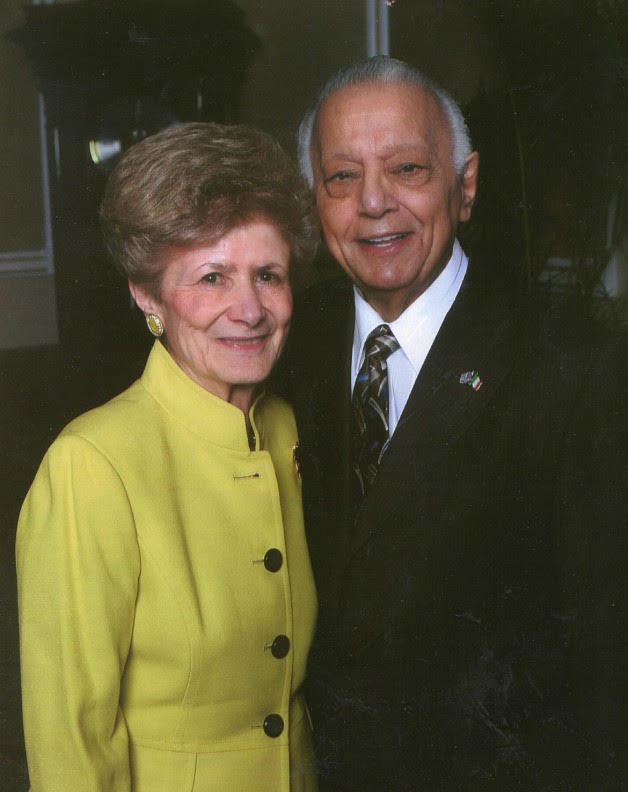
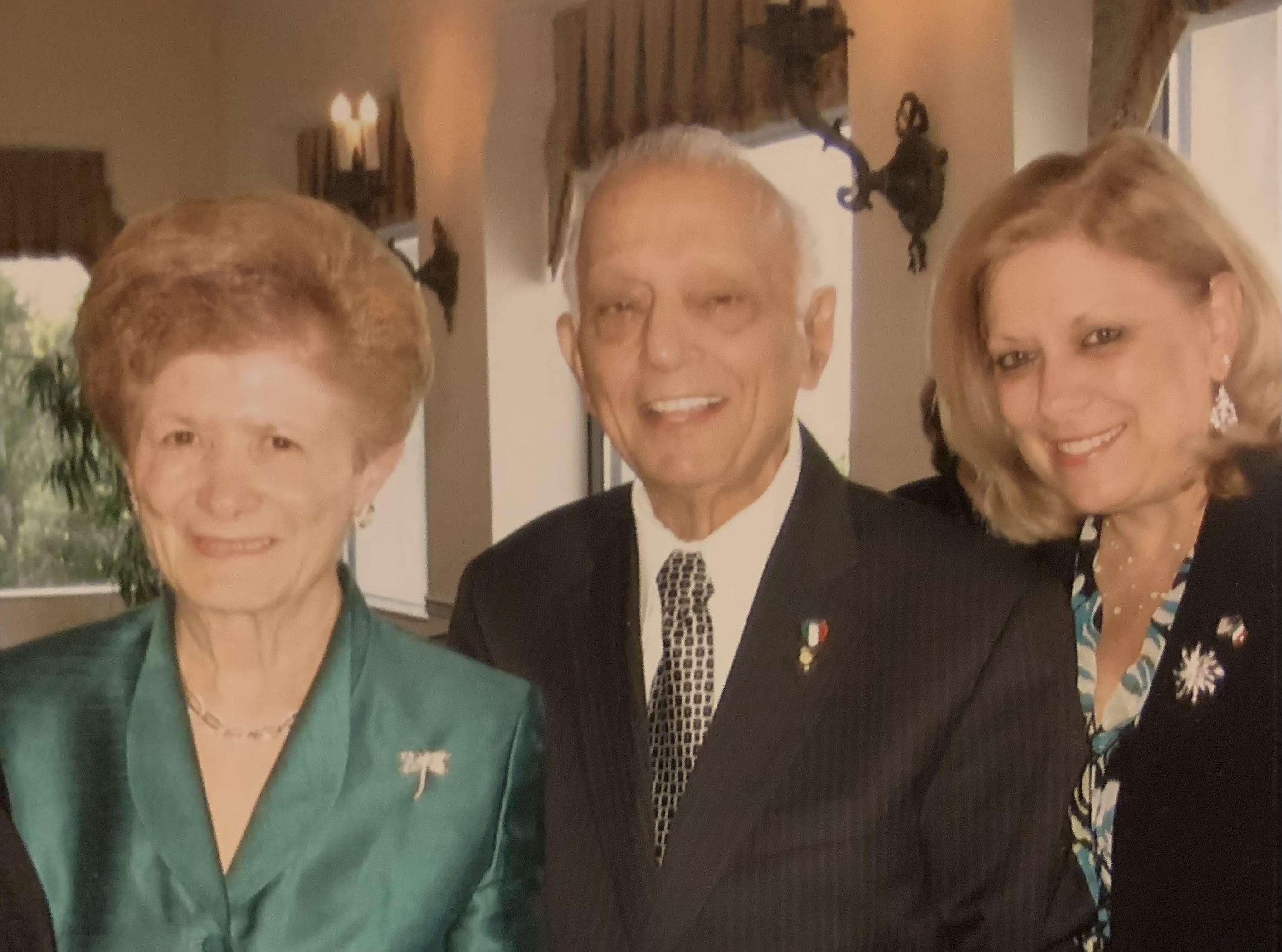
Today we share a story that embodies exactly this spirit, promoting Italy in New Jersey through a wide range of initiatives. We do so by welcoming Elisa Coccia, President of the Coccia Foundation, who continues with dedication and respect the work begun by her parents, Joseph and Elda Coccia.
My first question is about your family and your Italian roots: which part of Italy do you come from, and how did your family arrive in the United States?
Our family story reflects the broader experience of Italian immigration to the United States. Between 1800 and 1920, more than four million Italians came to America, many settling in cities such as New York, Boston, and Chicago, where they contributed to infrastructure and helped shape American culture. My grandfather, Joseph Coccia, Sr., followed that path when he left Norcia, in the province of Perugia, in 1903 at the age of 17. He came in search of a better life, driven by poverty, unemployment, and limited opportunities. He began working in the mines in Pennsylvania, later married, and eventually moved to New Jersey, where he worked multiple jobs at the same time, including delivering ice, a business he would later own.
On my mother’s side, my mother Elda came from the province of Avellino and arrived in the United States in 1947 with her family. Her father had emigrated earlier and worked for years as a shoemaker in Kearny, New Jersey, saving enough money to bring his family over. Their journey to America was long and difficult, traveling on a crowded ship with scarce food and very tight living conditions. Despite the hardship, it was also a moment of great joy, as the family was finally reunited after many years. Even then, their first year in the United States was filled with struggle and adjustment, and they still faced prejudice.
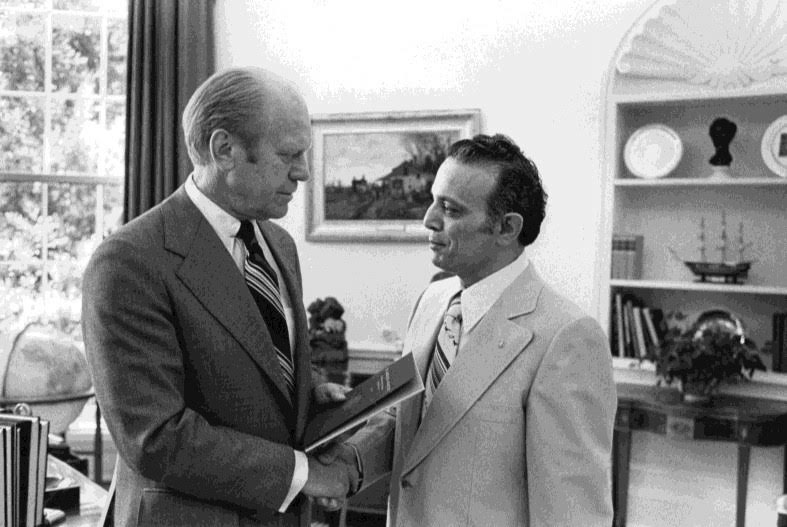
These experiences shaped the life of Joseph Coccia, Jr., who was born in 1929 during the Great Depression. From a young age, he helped his father with physically demanding work, delivering coal, oil, and ice, while also attending school and learning Italian. His upbringing instilled a strong work ethic and a deep connection to Italian language, traditions, and values.
What is the history of the Coccia Foundation, and what are its main activities?
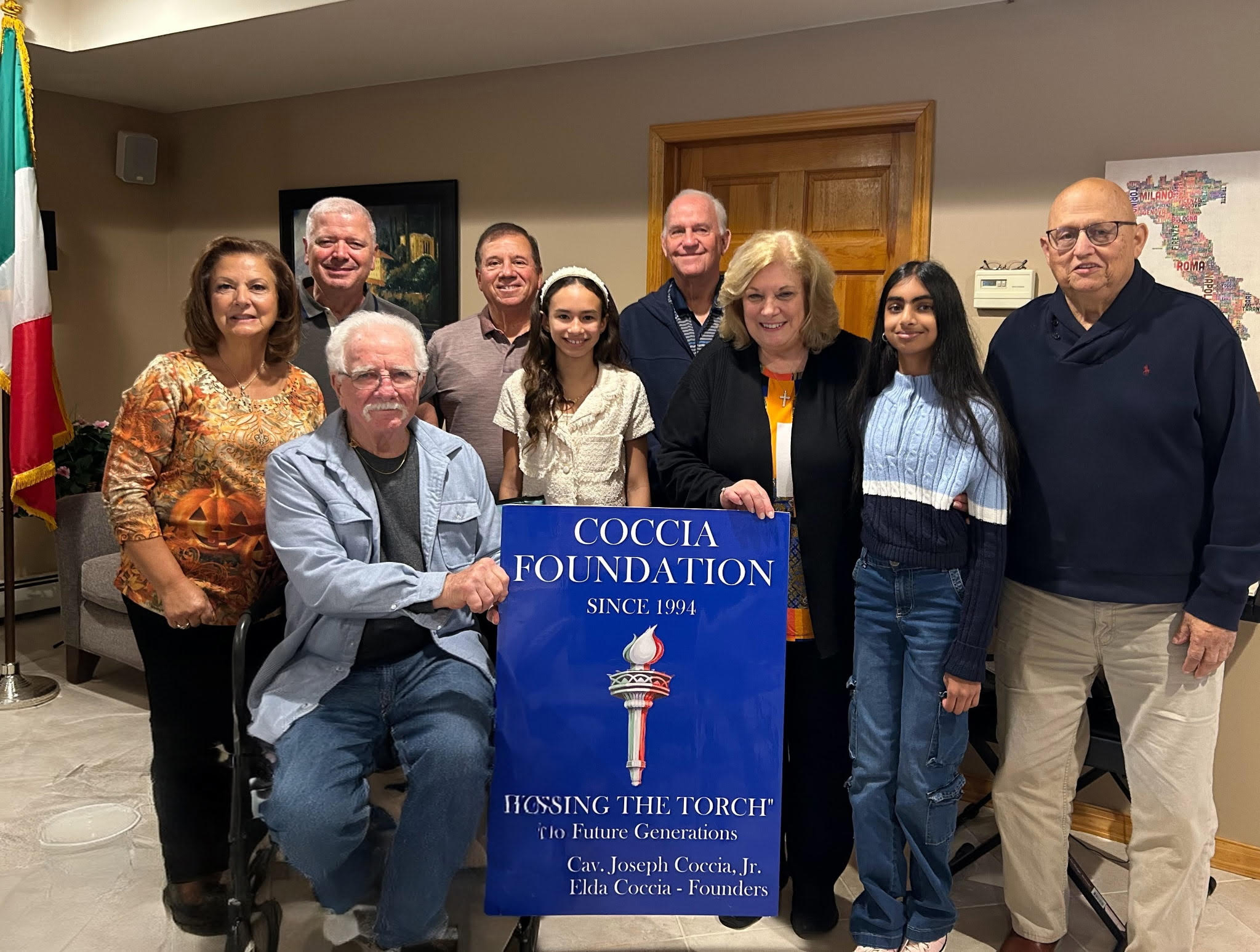
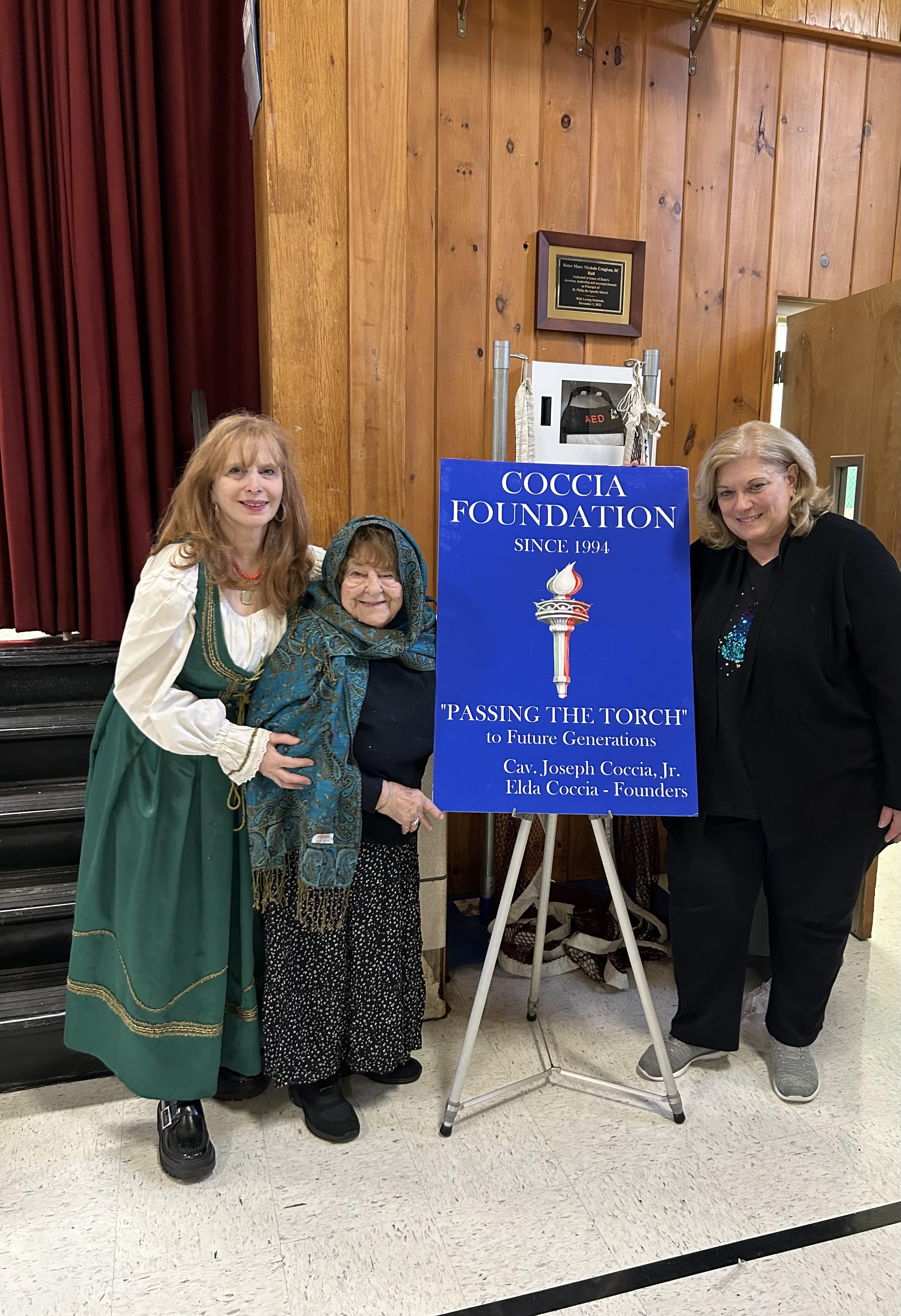
The Coccia Foundation was established in 1994 by Cavaliere Joseph Coccia, Jr. and Elda as a charitable organization dedicated to supporting educational and cultural initiatives, particularly for young people in the Italian and Italian American community. Over time, the foundation has focused on promoting awareness of Italian culture, history, and societal contributions, while also celebrating and preserving this heritage for future generations.
A central activity of the foundation is the creation of scholarships, especially for students who pursue Italian studies, either as a major or minor. These scholarships are not only financial support but also a way to build relationships with students as they move forward in their lives. The foundation also supports cultural and educational events, often in collaboration with institutions of higher education, reinforcing its mission to keep Italian heritage active and meaningful.
The motto of the Coccia Foundation is “Passing the torch”: what does it mean?
“Passing the torch” represents the foundation’s mission and vision. It is not only symbolic, but essential for the survival, relevance, and growth of the Italian and Italian American community. It means preserving cultural identity by ensuring that traditions rooted in language, history, and values are actively transmitted to younger generations. Without this effort, those traditions can quickly fade.
It also ensures continuity, because organizations depend on new generations to remain active and strong. Younger people bring new energy, ideas, and perspectives, helping the foundation evolve while still honoring its origins. At the same time, it fosters a sense of belonging, encouraging young people to stay connected to their heritage and to give back to their community.
Ultimately, “passing the torch” is about respecting the legacy of Italian immigrants, who built these communities through sacrifice and determination, while ensuring that their legacy continues to thrive. It is about preserving the past, strengthening the present, and securing the future.
Your academic spin-off is the “Joseph and Elda Coccia Institute for the Italian Experience in America”: please tell us about it
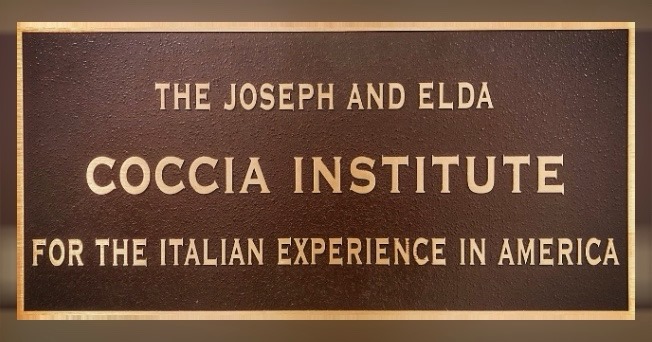
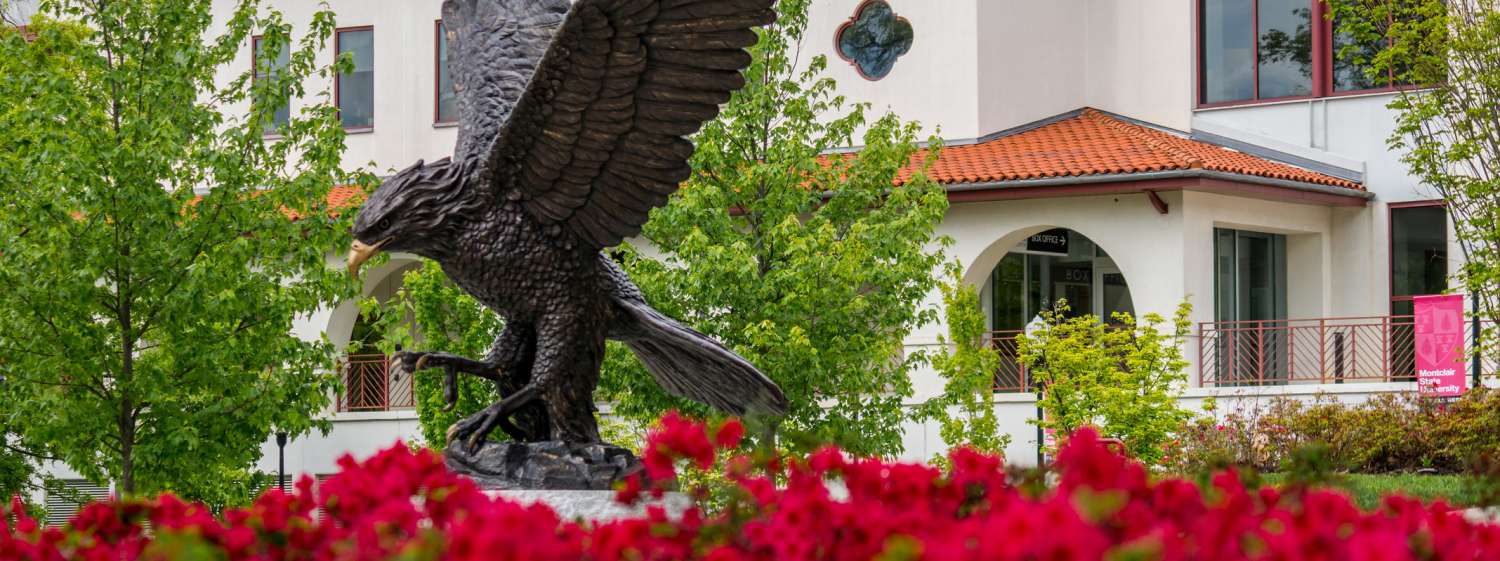
The Joseph and Elda Coccia Institute for the Italian Experience in America was established in 2003 at Montclair State University as the academic arm of the foundation. It is part of the College of Humanities and Social Sciences and focuses on promoting Italian and Italian American culture within an academic setting.
Its key initiatives include annual Teaching Italian Symposiums, where educators come together to discuss innovative teaching methods and Italian language education. The Institute also organizes cultural events in partnership with various organizations, such as the Italian Flag Raising event at the university. In addition, it promotes community engagement by collaborating with Italian businesses and organizations, helping to strengthen cultural exchange and connections.
A question about the Coccia Institute’s study abroad program: why are these study abroad programs in Italy so popular among American students, especially Italian Americans?
Studying in Italy offers a unique experience that goes beyond traditional academics. It combines education with real-life cultural immersion, allowing students to live within the history, art, and architecture that define the country. Cities like Rome and Florence become part of the learning experience, where culture is present in everyday life.
Italy is especially attractive for fields such as art history, fashion, culinary arts, and language. Many universities have established partnerships with Italian institutions, making it easier for students to study abroad and transfer credits.
Students who participate in these programs often return with stronger language skills and a deeper understanding of Italian culture. They move beyond textbook learning and gain a more natural and authentic connection to the language. For many, this experience builds confidence, adaptability, and a broader perspective, and it often inspires a lasting passion for Italian culture and heritage.
What is the Coccia-Inserra Award?
The Coccia-Inserra Award for Excellence and Innovation in the Teaching of Italian was established in 2010 by Cavaliere Joseph Coccia, Jr. together with Lawrence R. Inserra, Jr. It recognizes exceptional educators who contribute to advancing the teaching of Italian language and culture.
The award is presented each year during the Teaching Italian Symposium at Montclair State University. Initially set at $1,000, it has grown to $5,000. Half of the award is designated for professional development, while the other half is specifically intended to support Italian language and cultural programs within the recipient’s classroom. This reflects the foundation’s ongoing commitment to strengthening Italian education.
You are based in New Jersey, a state with a large Italian American community. Do you collaborate with Italian American organizations in the Garden State?
Yes, collaboration is an important part of our work. The foundation has partnered with and supported many Italian American organizations in the region, including AIAE, D’Italia Programs, the Federation of Italian American Societies of New Jersey, the Italian American Museum in New York, ITANJ, the Mario Lanza Institute, the New Jersey Heritage Commission, and UNICO National.
These collaborations allow us to support a wide range of cultural and educational initiatives, strengthening connections within the community and helping to promote Italian heritage across different generations. Through these partnerships, we continue to expand the reach and impact of our mission.
Ci sono istituzioni che nascono dalla generosità di alcune persone, e a queste persone sopravvivono dopo che ci hanno lasciato: si tratta di una meravigliosa eredità che ricorda per sempre con gratitudine ed orgoglio nchi ci ha insegnato molto e rimarrà sempre nel nostro ricordo.
Oggi raccontiamo una storia che racchiude in sè esattamente quanto descritto, promuovendo l'Italia nel New Jersey grazie a molte attività: lo facciamo ospitando Elisa Coccia, President della Coccia Foundation, che continua con dedizione e rispetto quanto iniziato dai suoi genitori, Joseph e Elda Coccia.
La mia prima domanda riguarda la sua famiglia e le sue radici italiane: da quale parte d’Italia proviene e come è arrivata la sua famiglia negli Stati Uniti?
La nostra storia familiare riflette l’esperienza più ampia dell’immigrazione italiana negli Stati Uniti. Tra il 1800 e il 1920, oltre quattro milioni di italiani arrivarono in America, molti stabilendosi in città come New York, Boston e Chicago, dove contribuirono allo sviluppo delle infrastrutture e alla formazione della cultura americana. Mio nonno, Joseph Coccia Sr., seguì quel percorso quando lasciò Norcia, in provincia di Perugia, nel 1903 all’età di 17 anni. Venne in cerca di una vita migliore, spinto dalla povertà, dalla disoccupazione e dalle limitate opportunità. Iniziò a lavorare nelle miniere della Pennsylvania, poi si sposò e infine si trasferì nel New Jersey, dove svolse diversi lavori contemporaneamente, tra cui la consegna del ghiaccio, un’attività che in seguito sarebbe diventata sua.
Dal lato materno, mia madre Elda proveniva dalla provincia di Avellino e arrivò negli Stati Uniti nel 1947 con la sua famiglia. Suo padre era emigrato in precedenza e aveva lavorato per anni come calzolaio a Kearny, nel New Jersey, risparmiando abbastanza denaro per far arrivare i suoi familiari. Il loro viaggio verso l’America fu lungo e difficile, su una nave affollata, con poco cibo e condizioni di vita molto ristrette. Nonostante le difficoltà, fu anche un momento di grande gioia, perché la famiglia si riuniva finalmente dopo molti anni. Anche così, il primo anno negli Stati Uniti fu pieno di difficoltà e adattamento, e dovettero ancora affrontare pregiudizi.
Queste esperienze hanno plasmato la vita di Joseph Coccia Jr., nato nel 1929 durante la Grande Depressione. Fin da giovane aiutò suo padre in lavori fisicamente impegnativi, consegnando carbone, petrolio e ghiaccio, frequentando allo stesso tempo la scuola e imparando l’italiano. La sua educazione gli trasmise una forte etica del lavoro e un profondo legame con la lingua, le tradizioni e i valori italiani.
Qual è la storia della Coccia Foundation e quali sono le sue principali attività?
La Coccia Foundation è stata fondata nel 1994 dai miei genitori Joseph Coccia Jr. ed Elda come organizzazione benefica dedicata al sostegno di iniziative educative e culturali, in particolare per i giovani della comunità italiana e italoamericana. Nel tempo, la fondazione si è concentrata sulla promozione della conoscenza della cultura italiana, della sua storia e dei suoi contributi alla società, celebrando e preservando questo patrimonio per le generazioni future.
Un’attività centrale della fondazione è la creazione di borse di studio, soprattutto per studenti che intraprendono studi italiani, sia come corso principale sia come materia secondaria. Queste borse di studio rappresentano non solo un sostegno economico, ma anche un modo per costruire relazioni con gli studenti mentre avanzano nella loro vita. La fondazione sostiene inoltre eventi culturali ed educativi, spesso in collaborazione con istituzioni universitarie, rafforzando la sua missione di mantenere vivo e significativo il patrimonio italiano.
Il motto della Coccia Foundation è “Passing the torch”: cosa significa?
“Passing the torch” rappresenta la missione e la visione della fondazione. Non è solo un simbolo, ma è essenziale per la sopravvivenza, la rilevanza e la crescita della comunità italiana e italoamericana. Significa preservare l’identità culturale assicurando che tradizioni radicate nella lingua, nella storia e nei valori vengano trasmesse attivamente alle nuove generazioni. Senza questo impegno, tali tradizioni possono rapidamente scomparire.
Garantisce anche continuità, perché le organizzazioni dipendono dalle nuove generazioni per rimanere attive e forti. I giovani portano nuova energia, idee e prospettive, aiutando la fondazione a evolversi pur rispettando le proprie origini. Allo stesso tempo, favorisce un senso di appartenenza, incoraggiando i giovani a restare legati alle proprie radici e a contribuire alla comunità.
In definitiva, “passing the torch” significa rispettare l’eredità degli immigrati italiani, che hanno costruito queste comunità con sacrificio e determinazione, assicurando allo stesso tempo che questa eredità continui a prosperare. Si tratta di preservare il passato, rafforzare il presente e garantire il futuro.
Il vostro spin-off accademico è il “Joseph and Elda Coccia Institute for the Italian Experience in America”: ce ne può parlare?
Il Joseph and Elda Coccia Institute for the Italian Experience in America è stato fondato nel 2003 presso la Montclair State University come braccio accademico della fondazione. Fa parte del College of Humanities and Social Sciences e si concentra sulla promozione della cultura italiana e italoamericana in ambito accademico.
Le sue principali iniziative includono i Teaching Italian Symposium annuali, in cui educatori si riuniscono per discutere metodi innovativi di insegnamento e l’educazione della lingua italiana. L’Istituto organizza inoltre eventi culturali in collaborazione con varie organizzazioni, come la cerimonia dell’alzabandiera italiana presso l’università. Promuove anche il coinvolgimento della comunità collaborando con imprese e organizzazioni italiane, contribuendo a rafforzare lo scambio culturale e le relazioni.
Una domanda sui programmi di studio all’estero del Coccia Institute: perché questi programmi in Italia sono così popolari tra gli studenti americani, in particolare tra gli italoamericani?
Studiare in Italia offre un’esperienza unica che va oltre la formazione accademica tradizionale. Combina l’istruzione con un’immersione culturale reale, permettendo agli studenti di vivere nella storia, nell’arte e nell’architettura che definiscono il Paese. Città come Roma e Firenze diventano parte dell’esperienza di apprendimento, dove la cultura è presente nella vita quotidiana.
L’Italia è particolarmente attrattiva per ambiti come storia dell’arte, moda, arti culinarie e lingua. Molte università hanno partnership consolidate con istituzioni italiane, rendendo più semplice per gli studenti studiare all’estero e trasferire i crediti.
Gli studenti che partecipano a questi programmi spesso tornano con competenze linguistiche più solide e una comprensione più profonda della cultura italiana. Superano l’apprendimento basato sui libri di testo e sviluppano un rapporto più naturale e autentico con la lingua. Per molti, questa esperienza rafforza la fiducia, l’adattabilità e una visione più ampia, ispirando spesso una passione duratura per la cultura e il patrimonio italiano.
Che cos’è il Coccia-Inserra Award?
Il Coccia-Inserra Award for Excellence and Innovation in the Teaching of Italian è stato istituito nel 2010 da Cavaliere Joseph Coccia Jr. insieme a Lawrence R. Inserra Jr. Riconosce educatori eccezionali che contribuiscono allo sviluppo dell’insegnamento della lingua e della cultura italiana.
Il premio viene assegnato ogni anno durante il Teaching Italian Symposium presso la Montclair State University. Inizialmente fissato a 1.000 dollari, è cresciuto fino a 5.000 dollari. La metà dell’importo è destinata allo sviluppo professionale del vincitore, mentre l’altra metà è specificamente dedicata al sostegno dei programmi di lingua e cultura italiana nella classe del destinatario. Questo riflette l’impegno continuo della fondazione nel rafforzare l’educazione italiana.
La Coccia Foundation ha sede nel New Jersey, uno Stato con una vasta comunità italoamericana. Collaborate con organizzazioni italoamericane nel Garden State?
Sì, la collaborazione è una parte importante del nostro lavoro. La fondazione ha collaborato e sostenuto molte organizzazioni italoamericane nella regione, tra cui AIAE, D’Italia Programs, la Federation of Italian American Societies of New Jersey, l’Italian American Museum di New York, ITANJ, il Mario Lanza Institute, la New Jersey Heritage Commission e UNICO National.
Queste collaborazioni ci permettono di sostenere un’ampia gamma di iniziative culturali ed educative, rafforzando i legami all’interno della comunità e contribuendo a promuovere il patrimonio italiano attraverso diverse generazioni. Attraverso queste partnership, continuiamo ad ampliare la portata e l’impatto della nostra missione.