In 2026, We the Italians celebrates “Two Anniversaries, One Heart” – the 250th anniversary of the United States and the 80th anniversary of the Italian Republic. This article is part of the “Happy Birthday USA: Unsung Italian Heroes” project, in which we share how, in every corner of the United States, an Italian has made a positive impact on their local community.
---
Angelo Ambrosini and the art of granite in Barre, VT
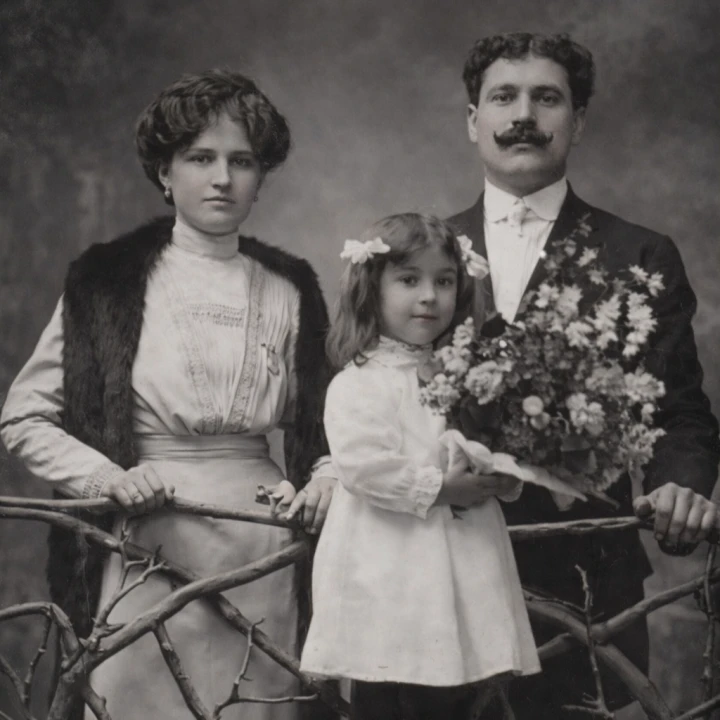
Angelo Peter Ambrosini’s life traces a classic Barre story: a skilled craft brought from northern Italy, transformed into an American livelihood in the granite sheds, and woven into a tight-knit immigrant community that left a mark far beyond central Vermont.
Ambrosini was born in Varese, Italy, in 1880 and came to Vermont in 1901 -first landing in Northfield, where he carved granite memorials for Elmwood Cemetery. That path - Italy to Vermont to stone - mirrored the broader migration that made Barre the “Granite Capital of the World,” drawing stone cutters, sculptors, and quarrymen (especially from northern Italy) to meet the demand for skilled hands.
What made Ambrosini stand out, even among elite craftsmen, was that his work connected Barre’s sheds to some of the country’s most prominent public commissions. According to a Barre mayoral proclamation honoring the Ambrosini family, Angelo P. Ambrosini worked with Louis St. Gaudens on the monumental Bethel white granite statues created for Union Station in Washington, D.C. Union Station -meant to project permanence and civic pride -required sculpture and carving that could read at a grand scale, and the fact that a Vermont-based Italian immigrant helped execute that work is a reminder of how often America’s “national” monuments were, in practice, shaped by immigrant hands and union-trained craft.
In 1916, Ambrosini moved with his family to Barre, stepping into an Italian community that was unusually organized, politically engaged, and culturally self-sustaining. Italians in Barre didn’t just work together; they built institutions. The Socialist Labor Party Hall—where there is a room dedicated to the Ambrosini family -was constructed in 1900 by Italian immigrants and became a community hub for education, entertainment, mutual aid, and labor organizing. The hall’s history reflects how the granite industry wasn’t only an economic engine, but also a social and political one, where unions and immigrant associations provided belonging, protection, and a shared public voice.
Ambrosini himself is remembered as part of that fabric: the same proclamation notes his memberships and connections to Barre’s Italian fraternal and labor worlds. Yet the Barre granite story also carried a harsh cost. The proclamation records that Ambrosini contracted silicosis from granite dust exposure—an all-too-common fate in the sheds - underscoring that the beauty of Barre’s carving tradition was often purchased with workers’ health.
Taken together, Angelo P. Ambrosini’s career—local memorials, Barre community life, and work tied to Union Station - captures what Barre’s Italian stonecutters contributed: not only granite shaped into art, but a durable civic culture. In honoring Angelo Ambrosini, we also honor the thousands of immigrant craftsmen whose skill, resilience, and determination left an indelible mark on Barre - and on the American landscape itself.
Nel 2026 We the Italians celebra Two Anniversaries One Heart, i 250 anni degli Stati Uniti e gli 80 anni della Reubblica Italiana. Questo articolo fa parte del progetto Happy Birthday USA: The Unsung Italian Heroes, in cui raccontiamo perchè in ogni angolo degli Stati Uniti qualcuno italiano ha lasciato un impatto positivo per il singolo territorio.
---
Angelo Ambrosini e l’arte del granito a Barre, VT
La vita di Angelo Peter Ambrosini segue una storia classica di Barre: un mestiere qualificato portato dal nord Italia, trasformato in sostentamento americano nei laboratori del granito e intrecciato in una comunità di immigrati coesa che ha lasciato un segno ben oltre il Vermont centrale.
Ambrosini nacque a Varese, in Italia, nel 1880 e arrivò in Vermont nel 1901 – stabilendosi inizialmente a Northfield, dove scolpì monumenti in granito per l’Elmwood Cemetery. Quel percorso – dall’Italia al Vermont, fino alla pietra – rispecchiava la più ampia migrazione che rese Barre la “Capitale mondiale del granito”, attirando scalpellini, scultori e cavatori (soprattutto dal nord Italia) per soddisfare la domanda di manodopera altamente qualificata.
Ciò che distingueva Ambrosini, anche tra artigiani d’élite, era il fatto che il suo lavoro collegava i laboratori di Barre ad alcune delle più importanti commissioni pubbliche del Paese. Secondo una proclamazione del sindaco di Barre in onore della famiglia Ambrosini, Angelo P. Ambrosini lavorò con Louis St. Gaudens alle monumentali statue in granito bianco di Bethel realizzate per la Union Station di Washington, D.C. La Union Station – concepita per trasmettere senso di permanenza e orgoglio civico – richiedeva sculture e intagli capaci di imporsi su larga scala, e il fatto che un immigrato italiano residente in Vermont abbia contribuito a quell’opera ricorda quanto spesso i monumenti “nazionali” americani siano stati, in pratica, plasmati da mani immigrate e da una formazione artigianale maturata nei sindacati.
Nel 1916 Ambrosini si trasferì con la famiglia a Barre, entrando a far parte di una comunità italiana insolitamente organizzata, politicamente attiva e culturalmente autosufficiente. Gli italiani di Barre non lavoravano soltanto insieme: costruivano istituzioni. La sede del Socialist Labor Party – dove esiste una sala dedicata alla famiglia Ambrosini – fu costruita nel 1900 da immigrati italiani e divenne un centro vitale per educazione, intrattenimento, mutuo soccorso e organizzazione sindacale. La storia di quell’edificio riflette come l’industria del granito non fosse soltanto un motore economico, ma anche sociale e politico, in cui sindacati e associazioni di immigrati offrivano appartenenza, tutela e una voce pubblica condivisa.
Ambrosini è ricordato come parte integrante di questo tessuto: la stessa proclamazione menziona la sua appartenenza e i suoi legami con il mondo fraterno e sindacale italiano di Barre. Tuttavia, la storia del granito di Barre comportava anche un prezzo elevato. La proclamazione registra che Ambrosini contrasse la silicosi a causa dell’esposizione alla polvere di granito – un destino fin troppo comune nei laboratori – sottolineando come la bellezza della tradizione scultorea di Barre sia stata spesso pagata con la salute dei lavoratori.
Nel suo insieme, la carriera di Angelo P. Ambrosini – dai monumenti locali alla vita comunitaria di Barre, fino al lavoro legato alla Union Station – riassume il contributo degli scalpellini italiani di Barre: non solo granito trasformato in arte, ma una solida cultura civica. Onorando Angelo Ambrosini, onoriamo anche le migliaia di artigiani immigrati la cui abilità, resilienza e determinazione hanno lasciato un segno indelebile su Barre – e sul paesaggio americano stesso.