In 2026, We the Italians celebrates “Two Anniversaries, One Heart” – the 250th anniversary of the United States and the 80th anniversary of the Italian Republic. This article is part of the “Happy Birthday USA: Unsung Italian Heroes” project, in which we share how, in every corner of the United States, an Italian has made a positive impact on their local community.
---
From Suffolk County, Long Island to the Civil War. The remarkable rise of Francis B. Spinola
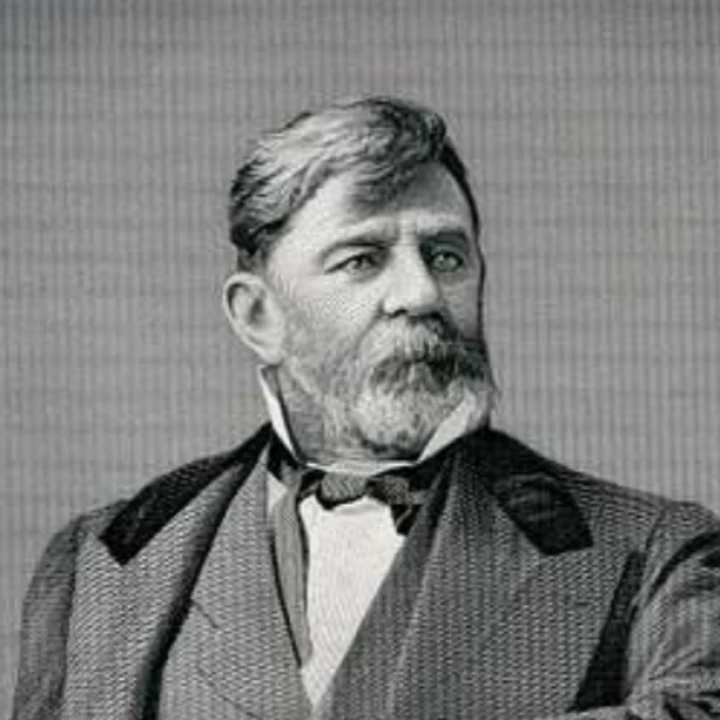
Francis B. Spinola’s story begins on the North Shore of Long Island and stretches across battlefields, legislative chambers, and the evolving identity of a young nation. Born in Suffolk County in 1821, Spinola would go on to become one of the most consequential figures of his era, carving out a legacy that blended public service, military leadership, and cultural identity in ways that still resonate today.
Long before he made history, Spinola was building a reputation in Brooklyn as a lawyer and rising civic leader. After being admitted to the bar in 1844, he quickly immersed himself in public life, serving multiple terms as an alderman. Even in these early years, he stood out not just for his ambition, but for his presence. He was known as a relentless debater, someone who approached politics with intensity and conviction. Yet, in a political era defined by personal grudges, Spinola earned a rare distinction: he had many political opponents, but no personal enemies.
That balance between toughness and respect would define his career.
Spinola’s ascent through state politics was steady. He served in both the New York State Assembly and Senate, becoming a prominent Democratic voice during a time of national division. But his defining moment came with the outbreak of the American Civil War.
Despite having no formal military training, Spinola volunteered for service in 1862. What followed was remarkable. He rose to the rank of brigadier general, organizing and leading what became known as Spinola’s Empire Brigade. His leadership was not the product of textbooks or academies, but instinct. Contemporaries described him as having a “genius for command,” a natural ability to lead men in moments of chaos and consequence.
At the Battle of Wapping Heights in 1863, Spinola led Union forces into combat, sustaining injuries alongside his troops. It was a moment that encapsulated his leadership style: present, aggressive, and unflinching. More importantly, it revealed a deeper layer of his character. Though a loyal Democrat with strong partisan ties, Spinola placed country above party when it mattered most. In the crucible of war, his allegiance shifted fully to the preservation of the Union.
After the war, Spinola returned to public life with renewed stature. He reentered the State Assembly and became an influential figure in New York’s political and business circles. As immigration reshaped the region, he also emerged as a key voice within the growing Italian American community, embodying a dual identity that was still taking shape in the 19th century.
In 1887, Spinola reached another historic milestone when he was elected to the United States Congress, becoming the first Italian American to serve in that role. It was a breakthrough moment, not just for him, but for a community seeking representation and recognition in American public life.
Throughout his career, Spinola remained deeply connected to “the people.” He advocated for fairness in economic policy, pushed back against monopolistic power, and supported labor interests. His politics were combative, but his purpose was rooted in public service.
Spinola’s life was cut short in 1891 when he died of pneumonia while still in office. He was laid to rest in Green-Wood Cemetery in Brooklyn, leaving behind a legacy that defies simple categorization.
In many ways, Francis B. Spinola was ahead of his time, a bridge between identities, institutions, and ideals that continue to define leadership today.
His legacy lives on today thanks in part to the Italian American Heritage Society, which recently debuted the Francis B. Spinola Award for outstanding leadership. St. John’s basketball coach Rick Pitino, also a Long Island native, was presented with the inaugural award at center court of Madison Square Garden this year.
Nel 2026 We the Italians celebra Two Anniversaries One Heart, i 250 anni degli Stati Uniti e gli 80 anni della Reubblica Italiana. Questo articolo fa parte del progetto Happy Birthday USA: The Unsung Italian Heroes, in cui raccontiamo perchè in ogni angolo degli Stati Uniti qualcuno italiano ha lasciato un impatto positivo per il singolo territorio.
---
Dalla contea di Suffolk, a Long Island, alla Guerra Civile. La straordinaria ascesa di Francis B. Spinola
La storia di Francis B. Spinola inizia sulla North Shore di Long Island e si estende attraverso campi di battaglia, aule legislative e l’identità in evoluzione di una giovane nazione. Nato nella contea di Suffolk nel 1821, Spinola sarebbe diventato una delle figure più influenti della sua epoca, costruendo un’eredità che univa servizio pubblico, leadership militare e identità culturale in modi che risuonano ancora oggi.
Molto prima di entrare nella storia, Spinola stava costruendo la propria reputazione a Brooklyn come avvocato e leader civico emergente. Dopo essere stato ammesso all’albo nel 1844, si immerse rapidamente nella vita pubblica, servendo per più mandati come consigliere comunale. Già in questi primi anni si distingueva non solo per la sua ambizione, ma per la sua presenza.
Era noto come un instancabile oratore, qualcuno che affrontava la politica con intensità e convinzione. Eppure, in un’epoca politica segnata da rancori personali, Spinola conquistò una rara distinzione: aveva molti avversari politici, ma nessun nemico personale.
Questo equilibrio tra durezza e rispetto avrebbe definito la sua carriera.
L’ascesa di Spinola nella politica statale fu costante. Servì sia nell’Assemblea che nel Senato dello Stato di New York, diventando una voce democratica di primo piano in un periodo di divisione nazionale. Ma il momento decisivo arrivò con lo scoppio della Guerra Civile Americana.
Nonostante non avesse una formazione militare formale, Spinola si offrì volontario per il servizio nel 1862. Ciò che seguì fu straordinario. Raggiunse il grado di generale di brigata, organizzando e guidando quella che divenne nota come la “Empire Brigade” di Spinola. La sua leadership non era il prodotto di manuali o accademie, ma di istinto. I contemporanei lo descrivevano come dotato di un “genio del comando”, una capacità naturale di guidare gli uomini nei momenti di caos e di decisione.
Nella battaglia di Wapping Heights nel 1863, Spinola guidò le forze dell’Unione in combattimento, riportando ferite insieme ai suoi soldati. Fu un momento che racchiudeva il suo stile di comando: presente, aggressivo e impavido. Ancora più importante, rivelò un livello più profondo del suo carattere. Sebbene fosse un democratico leale con forti legami di partito, Spinola mise il Paese al di sopra della politica quando fu più necessario. Nel crogiolo della guerra, la sua lealtà si spostò completamente verso la salvaguardia dell’Unione.
Dopo la guerra, Spinola tornò alla vita pubblica con una statura accresciuta. Rientrò nell’Assemblea statale e divenne una figura influente nei circoli politici ed economici di New York. Con l’immigrazione che stava trasformando la regione, emerse anche come una voce chiave all’interno della crescente comunità italoamericana, incarnando una duplice identità che nel XIX secolo era ancora in fase di definizione.
Nel 1887, Spinola raggiunse un altro traguardo storico quando fu eletto al Congresso degli Stati Uniti, diventando il primo italoamericano a ricoprire tale incarico. Fu un momento di svolta, non solo per lui, ma per una comunità alla ricerca di rappresentanza e riconoscimento nella vita pubblica americana.
Nel corso della sua carriera, Spinola rimase profondamente legato alla “gente”. Si batté per l’equità nelle politiche economiche, si oppose al potere monopolistico e sostenne gli interessi dei lavoratori. La sua politica era combattiva, ma il suo obiettivo era radicato nel servizio pubblico.
La vita di Spinola si interruppe prematuramente nel 1891, quando morì di polmonite mentre era ancora in carica. Fu sepolto al Green-Wood Cemetery di Brooklyn, lasciando un’eredità che sfugge a semplici categorizzazioni.
Per molti aspetti, Francis B. Spinola fu in anticipo sui tempi, un ponte tra identità, istituzioni e ideali che continuano a definire la leadership ancora oggi.
La sua eredità vive ancora oggi anche grazie all’Italian American Heritage Society, che recentemente ha istituito il Francis B. Spinola Award per una leadership d’eccellenza. L’allenatore di basket di St. John’s, Rick Pitino, anch’egli originario di Long Island, ha ricevuto il premio inaugurale al centro del campo del Madison Square Garden quest’anno.