In 2026, We the Italians celebrates “Two Anniversaries, One Heart” – the 250th anniversary of the United States and the 80th anniversary of the Italian Republic. This article is part of the “Happy Birthday USA: Unsung Italian Heroes” project, in which we share how, in every corner of the United States, an Italian has made a positive impact on their local community.
---
From Piedmont to New York, the legacy of Luigi Palma di Cesnola
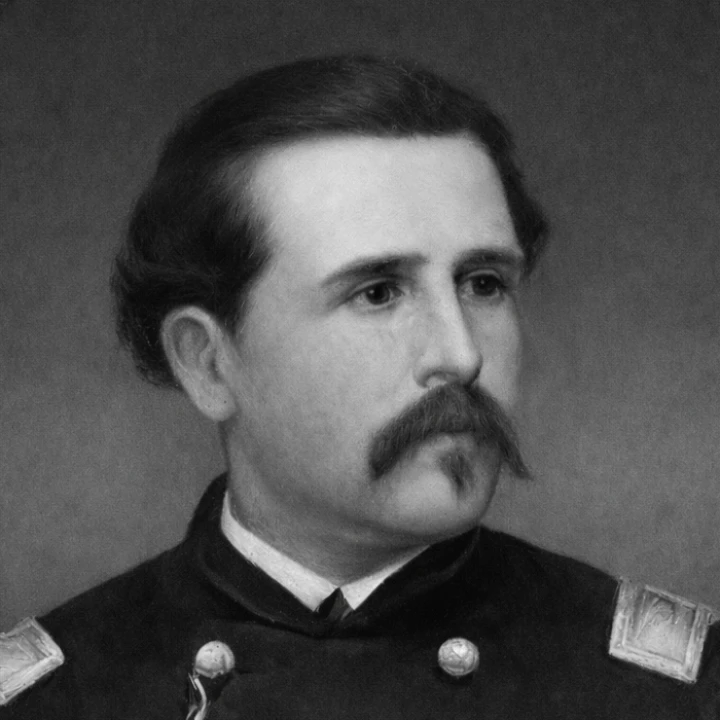
General Luigi Palma di Cesnola was one of the most remarkable Italian American figures of the nineteenth century, a man who left a deep mark on both the military and cultural history of New York State. Born on June 29, 1832, in Rivarolo Canavese, in Piedmont – then part of the Kingdom of Sardinia – he came from a minor noble family and was raised with a strong sense of discipline and honor. He took part in the Italian Risorgimento campaigns, experiencing firsthand the patriotic fervor that would shape his youth and character.
In the 1860s, he chose to emigrate to the United States, settling in New York. Like many Europeans of the time, he sought opportunity in a nation undergoing rapid growth and transformation. When the American Civil War broke out, he enlisted in the Union Army and quickly rose to the rank of colonel in the 4th New York Cavalry. He demonstrated courage and strategic ability in several engagements, eventually attaining the rank of brigadier general. During the conflict, he was captured by Confederate forces and held prisoner for several months. His military conduct earned widespread respect and, years later, he was awarded the Medal of Honor, the highest military decoration in the United States. His service contributed directly to the defense of the Union and enhanced the reputation of New York regiments.
After the war, Cesnola entered a new phase of his life. Appointed U.S. consul to Cyprus, he developed a deep passion for archaeology and led extensive excavation campaigns that brought to light thousands of artifacts from ancient Cypriot civilization. Monumental statues, sarcophagi, votive objects, and ceramics revealed a rich and largely unknown history. The so-called Cesnola Collection became one of the most significant archaeological collections of its time.
This collection was purchased by the newly established Metropolitan Museum of Art in New York and formed one of the foundational cores of its permanent holdings. In 1879, Cesnola was appointed the museum’s first director, a position he held until his death in 1904. During his twenty-five years of leadership, the Metropolitan evolved from an ambitious young institution into an internationally recognized cultural landmark. Cesnola worked tirelessly to expand its collections, strengthen its reputation, and promote the idea of a public institution dedicated to education and the broad dissemination of culture.
New York State owes him a great deal for at least three fundamental reasons. First, for his military contribution during the Civil War, which reinforced the State’s role in preserving the Union. Second, for providing the Metropolitan Museum with an extraordinary artistic legacy that would become one of New York’s most important cultural symbols worldwide. Finally, for embodying the example of an immigrant who successfully integrated and made a decisive contribution to the civic and cultural development of American society.
Italian by birth and American by choice, Luigi Palma di Cesnola stands as a bridge between Piedmont and New York, between the spirit of the Risorgimento and modern America. His legacy still lives on in the galleries of the Metropolitan Museum and in the historical memory of New York State, which, thanks to his vision and determination, strengthened its place in the international cultural landscape.
Nel 2026 We the Italians celebra Two Anniversaries One Heart, i 250 anni degli Stati Uniti e gli 80 anni della Reubblica Italiana. Questo articolo fa parte del progetto Happy Birthday USA: The Unsung Italian Heroes, in cui raccontiamo perchè in ogni angolo degli Stati Uniti qualcuno italiano ha lasciato un impatto positivo per il singolo territorio.
---
Dal Piemonte a New York, l’eredità di Luigi Palma di Cesnola
Il generale Luigi Palma di Cesnola fu una delle figure più straordinarie dell’Ottocento italoamericano, un protagonista capace di lasciare un segno profondo sia nella storia militare sia in quella culturale dello Stato di New York. Nato il 29 giugno 1832 a Rivarolo Canavese, in Piemonte, allora parte del Regno di Sardegna, proveniva da una famiglia della piccola nobiltà e ricevette una formazione improntata alla disciplina e al senso dell’onore. Partecipò alle campagne risorgimentali italiane, vivendo in prima persona quel clima di fermento patriottico che avrebbe segnato la sua giovinezza e il suo carattere.
Negli anni Sessanta dell’Ottocento decise di emigrare negli Stati Uniti, stabilendosi a New York. Come molti europei dell’epoca, cercava nuove opportunità in una nazione in piena espansione. Allo scoppio della Guerra Civile americana si arruolò nell’esercito dell’Unione e raggiunse rapidamente il grado di colonnello nel 4th New York Cavalry. Dimostrò coraggio e capacità strategica in diverse battaglie, fino a ottenere il grado di generale di brigata. Durante il conflitto fu catturato dalle forze confederate e rimase prigioniero per diversi mesi.
La sua condotta militare gli valse grande rispetto e, in seguito, la Medal of Honor, la più alta onorificenza militare degli Stati Uniti. Il suo servizio contribuì direttamente alla difesa dell’Unione e accrebbe il prestigio dei reparti newyorkesi.
Conclusa la guerra, Cesnola intraprese una nuova fase della sua vita. Nominato console degli Stati Uniti a Cipro, si dedicò con passione all’archeologia, conducendo campagne di scavo che portarono alla luce migliaia di reperti dell’antica civiltà cipriota. Statue monumentali, sarcofagi, oggetti votivi e ceramiche testimoniavano una storia millenaria fino ad allora poco conosciuta. La cosiddetta Collezione Cesnola divenne una delle raccolte archeologiche più importanti del suo tempo.
Questa collezione fu acquistata dal nascente Metropolitan Museum of Art di New York e costituì uno dei nuclei fondamentali delle sue raccolte permanenti. Nel 1879 Cesnola fu nominato primo direttore del museo, incarico che mantenne fino alla morte, nel 1904. Durante i suoi venticinque anni di direzione, il Metropolitan si trasformò da istituzione ancora giovane e ambiziosa in un punto di riferimento internazionale. Cesnola lavorò instancabilmente per ampliare le collezioni, consolidare la reputazione del museo e promuovere l’idea di un’istituzione pubblica dedicata all’educazione e alla diffusione della cultura.
Lo Stato di New York gli deve molto per almeno tre ragioni fondamentali. In primo luogo per il suo contributo militare durante la Guerra Civile, che rafforzò il ruolo dello Stato nella difesa dell’Unione. In secondo luogo per aver fornito al Metropolitan Museum un patrimonio artistico straordinario, destinato a diventare uno dei simboli culturali di New York nel mondo. Infine per aver incarnato l’esempio dell’immigrato capace di integrarsi e di contribuire in modo decisivo allo sviluppo civile e culturale della società americana.
Italiano di nascita e americano per scelta, Luigi Palma di Cesnola rappresenta un ponte tra Piemonte e New York, tra il Risorgimento e l’America moderna. La sua eredità vive ancora oggi nelle sale del Metropolitan Museum e nella memoria storica dello Stato di New York, che grazie alla sua visione e alla sua determinazione ha potuto rafforzare il proprio ruolo nel panorama culturale internazionale.