In 2026, We the Italians celebrates “Two Anniversaries, One Heart” – the 250th anniversary of the United States and the 80th anniversary of the Italian Republic. This article is part of the “Happy Birthday USA: Unsung Italian Heroes” project, in which we share how, in every corner of the United States, an Italian has made a positive impact on their local community.
---
Pietro Cinelli, the founder of Little Italy in the Bronx
In the last 1890s, Italian immigrants moved from the crowded tenements in East Harlem, a densely populated Italian neighborhood at the time, to the Belmont section of the Bronx, to work on the green spaces know as the New York Botanical Garden and the Bronx Zoo. The area was not yet developed- a rural hinterland with space to plant gardens. A wealthy Italian immigrant named Pietro Cinelli bought land, developed apartment houses to accommodate the flux of recent Italian immigrants, and asked the Archdiocese of New York for an Italian church.
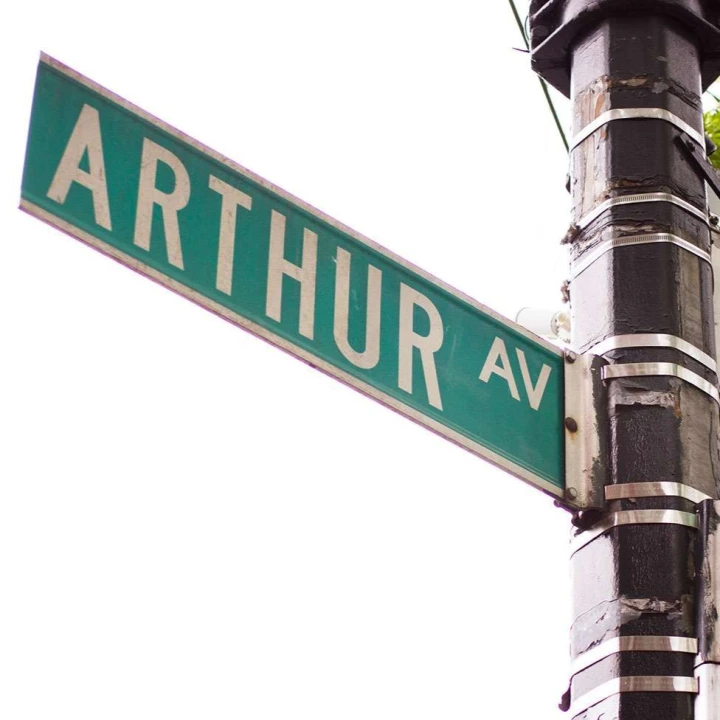
Pietro Cinelli was born in Pertegada, Italy, province of Udine in the Friuli Venezia Giulia region of Italy in 1863. He immigrated to the United States in 1894 and settled in the Bronx, in an area referred to as the Belmont neighborhood, which included Arthur Avenue. As he acquired real estate holdings and ownership of two motion picture theatres, he began the building of what would soon be referred to as Little Italy in the Bronx.
The first theater originally opened as the Hughes and was later known as Cinelli’s Italian American Savoy Theatre and still later, simply the Savoy Theatre. It served as a social anchor, a cultural institution for all ages. In 1981, continuing its mission to serve as a cultural beacon for the community, the Enrico Fermi Cultural Center, part of the Belmont Branch of the New York Public Library system replaced the Savoy Theatre. It serves as a neighborhood library, a cultural hub with an extensive collection of Italian language materials and archives which document the immigrant experience.
Preserving the Italian culture and language also meant securing a location for Italian immigrants to practice their faith. As more and more Italian immigrants took up residence in the Belmont neighborhood, a committee was formed, led by Mr. Pietro Cinelli to ask Father Daniel F.X. Burke, the Italian-speaking Pastor of St. Philip Neri to open a mission in Belmont.
Fr. Burke petitioned Archbishop Farley who granted the request. The first mass was celebrated on June 13, 1906, in a storefront on 187th Street. A basement church was built on in 1907, and the upper Church was built in 1917, dedicated to Our Lady of Mt. Carmel. Interesting fact, the church in East Harlem, which was built by Italian immigrants who worked at night to complete construction in 1887 was also dedicated to Our Lady of Mt. Carmel.
Pietro Cinelli’s life was not free of challenges and threats. In fact, he resisted threats from the Black Hand, a criminal organization that preceded the modern Mafia. Due to his resistance, his daughter Elisabetta was kidnapped in August of 1904 by the Black Hand. She was released several days later thanks to her father’s tenacity.
After a life lived preserving Italian language, culture and traditions. Mr. Cinelli passed away in 1936. The Cinelli family coat of arms remains visible today on a building above Full Moon Pizzeria on Arthur Avenue.
Nel 2026 We the Italians celebra Two Anniversaries One Heart, i 250 anni degli Stati Uniti e gli 80 anni della Reubblica Italiana. Questo articolo fa parte del progetto Happy Birthday USA: The Unsung Italian Heroes, in cui raccontiamo perchè in ogni angolo degli Stati Uniti qualcuno italiano ha lasciato un impatto positivo per il singolo territorio.
---
Pietro Cinelli, il fondatore della Little Italy nel Bronx
Negli ultimi anni del 1890, gli immigrati italiani si trasferirono dai sovraffollati caseggiati di East Harlem, allora un quartiere italiano densamente popolato, nella zona di Belmont nel Bronx, per lavorare negli spazi verdi conosciuti come il New York Botanical Garden e il Bronx Zoo. L’area non era ancora sviluppata – un entroterra rurale con spazio per coltivare orti. Un ricco immigrato italiano di nome Pietro Cinelli acquistò terreni, sviluppò edifici residenziali per accogliere il flusso dei nuovi immigrati italiani e chiese all’Arcidiocesi di New York una chiesa italiana.
Pietro Cinelli nacque a Pertegada, in Italia, nella provincia di Udine, nella regione Friuli Venezia Giulia, nel 1863. Emigrò negli Stati Uniti nel 1894 e si stabilì nel Bronx, in un’area chiamata quartiere Belmont, che includeva Arthur Avenue. Man mano che acquisiva proprietà immobiliari e la gestione di due cinema, iniziò la costruzione di quella che sarebbe presto stata chiamata la Little Italy del Bronx.
Il primo teatro aprì originariamente come Hughes e successivamente fu conosciuto come Cinelli’s Italian American Savoy Theatre e, in seguito, semplicemente Savoy Theatre. Servì come punto di riferimento sociale, un’istituzione culturale per tutte le età. Nel 1981, proseguendo la sua missione di faro culturale per la comunità, il Centro Culturale Enrico Fermi, parte della sede Belmont del sistema della New York Public Library, sostituì il Savoy Theatre. Oggi funge da biblioteca di quartiere, un centro culturale con una vasta collezione di materiali in lingua italiana e archivi che documentano l’esperienza degli immigrati.
Preservare la cultura e la lingua italiane significava anche garantire un luogo in cui gli immigrati italiani potessero praticare la loro fede. Con l’aumento dei residenti italiani nel quartiere Belmont, fu formato un comitato, guidato dal signor Pietro Cinelli, per chiedere a padre Daniel F.X. Burke, parroco italofono di San Filippo Neri, di aprire una missione a Belmont.
Padre Burke presentò la richiesta all’arcivescovo Farley, che la accolse. La prima messa fu celebrata il 13 giugno 1906 in un locale commerciale sulla 187ª strada. Una chiesa nel seminterrato fu costruita nel 1907, e la chiesa superiore fu edificata nel 1917, dedicata alla Madonna del Carmine. Curiosamente, anche la chiesa di East Harlem, costruita da immigrati italiani che lavoravano di notte per completarla nel 1887, era dedicata alla Madonna del Carmine.
La vita di Pietro Cinelli non fu priva di sfide e minacce. Egli resistette infatti alle intimidazioni della Mano Nera, un’organizzazione criminale che precedette la mafia moderna. A causa della sua resistenza, sua figlia Elisabetta fu rapita nell’agosto del 1904 dalla Mano Nera, ma fu rilasciata pochi giorni dopo grazie alla tenacia del padre.
Dopo una vita dedicata alla conservazione della lingua, della cultura e delle tradizioni italiane, il signor Cinelli morì nel 1936. Lo stemma della famiglia Cinelli è ancora oggi visibile su un edificio sopra la Full Moon Pizzeria su Arthur Avenue.