In 2026, We the Italians celebrates “Two Anniversaries, One Heart” – the 250th anniversary of the United States and the 80th anniversary of the Italian Republic. This article is part of the “Happy Birthday USA: Unsung Italian Heroes” project, in which we share how, in every corner of the United States, an Italian has made a positive impact on their local community.
---
Protasio Neri and the Italian stonecutters who shaped Maine
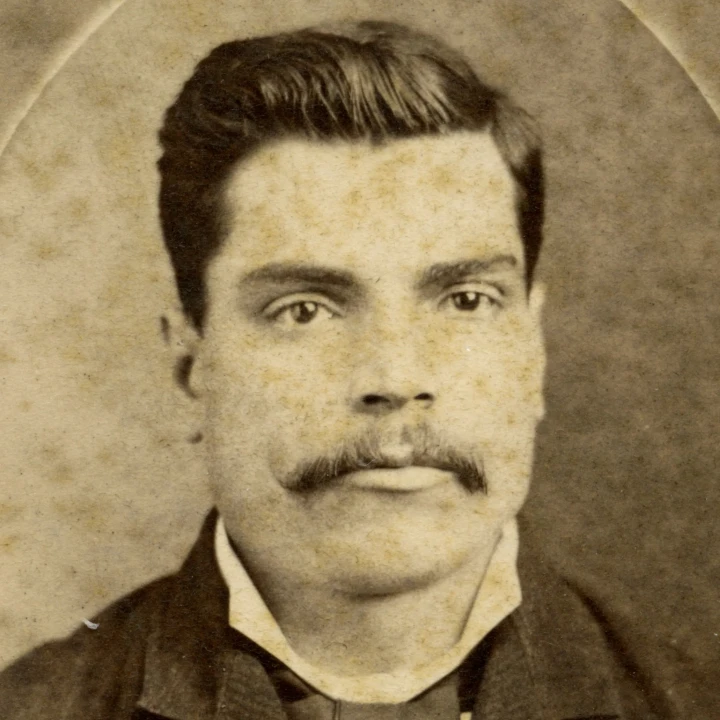
The story of Protasio Neri is closely tied to the rise of Maine’s granite industry and to the broader contribution of Italian stonecutters who transformed both the economy and the labor culture of the state. Born in Levigliani, near the Carrara marble district in Tuscany, Neri arrived in Maine in 1877, part of a wave of skilled Italian artisans drawn by the demand for high-quality granite. He was 27 years old and already trained in advanced carving techniques that were rare in the United States at the time.
Neri found work in Hallowell, a river town that had become one of the most important granite centers in the country. By the late 19th century, Hallowell granite was prized for public buildings, monuments and infrastructure projects nationwide. Neri quickly distinguished himself not only as a capable stonecutter but as an accomplished sculptor, able to produce detailed decorative elements as well as large-scale architectural work. His craftsmanship helped reinforce Maine’s reputation for precision stone carving.
At the turn of the century, Maine led the United States in granite production. Around 1901, the state counted roughly 152 active quarries employing about 3,500 workers. That year, granite sales reached approximately $2.5 million, a massive figure for the period and equivalent to well over $100 million today. Italian immigrants made up a significant share of this workforce, especially in skilled carving positions. In some Hallowell quarries, Italian and Scottish workers represented close to 90 % of the artisans responsible for finishing stone used in major public projects, including government buildings.
Italian stonecutters brought with them not only technical knowledge but also strong traditions of collective organization. Work in the quarries was physically demanding and dangerous. Shifts commonly lasted 10 to 12 hours a day, six or seven days a week, and accidents were frequent. Wages varied, but many workers struggled to support families, especially recent immigrants who had relocated spouses and children from Italy.
These conditions pushed many granite workers to join labor unions. Neri became an active figure in the Granite Cutters Union, which sought standardized wages, shorter hours and safer working environments. In 1892, granite workers across New England launched a coordinated strike that lasted more than five months. In Hallowell, Neri emerged as a leader, helping to organize meetings and acting as a bridge between Italian-speaking workers and the broader union movement. His ability to write and communicate across communities proved essential during the dispute.
The strike ended in October 1892 with meaningful gains for workers, including wage increases and improved recognition of union rights. These changes reshaped labor relations in the granite industry and strengthened the position of skilled artisans. Neri continued working in Maine for years, leaving behind carvings that still survive today and a legacy rooted in both craftsmanship and activism.
The Italian stonecutters of Hallowell did more than extract and shape stone. They helped build civic landmarks, advanced labor rights and established lasting communities. Today, about 9 % of Hallowell’s population traces its roots to Italy, a reminder that Maine’s granite heritage is also an immigrant story, carved by hands like those of Protasio Neri.
Nel 2026 We the Italians celebra Two Anniversaries One Heart, i 250 anni degli Stati Uniti e gli 80 anni della Reubblica Italiana. Questo articolo fa parte del progetto Happy Birthday USA: The Unsung Italian Heroes, in cui raccontiamo perchè in ogni angolo degli Stati Uniti qualcuno italiano ha lasciato un impatto positivo per il singolo territorio.
---
Protasio Neri e gli scalpellini italiani che plasmarono il Maine
La storia di Protasio Neri è strettamente legata alla crescita dell’industria del granito nel Maine e al più ampio contributo degli scalpellini italiani che trasformarono sia l’economia sia la cultura del lavoro dello Stato. Nato a Levigliani, vicino al distretto marmifero di Carrara, Neri arrivò nel Maine nel 1877, facendo parte di un’ondata di artigiani italiani altamente qualificati attratti dalla domanda di granito di alta qualità. Aveva 27 anni ed era già formato in tecniche di scultura avanzate, rare negli Stati Uniti dell’epoca.
Neri trovò lavoro a Hallowell, una cittadina sul fiume che era diventata uno dei centri granitieri più importanti del Paese. Alla fine del XIX secolo, il granito di Hallowell era apprezzato per edifici pubblici, monumenti e progetti infrastrutturali in tutti gli Stati Uniti. Neri si distinse rapidamente non solo come abile scalpellino, ma anche come scultore esperto, capace di realizzare elementi decorativi di grande dettaglio e opere architettoniche di ampia scala. La sua maestria contribuì a rafforzare la reputazione del Maine per la precisione nella lavorazione della pietra.
All’inizio del Novecento, il Maine guidava gli Stati Uniti nella produzione di granito. Intorno al 1901, lo Stato contava circa 152 cave attive che impiegavano all’incirca 3.500 lavoratori. In quell’anno, le vendite di granito raggiunsero circa 2,5 milioni di dollari, una cifra enorme per l’epoca ed equivalente a ben oltre 100 milioni di dollari odierni. Gli immigrati italiani costituivano una parte significativa di questa forza lavoro, soprattutto nelle mansioni di scultura specializzata. In alcune cave di Hallowell, gli operai italiani e scozzesi rappresentavano quasi il 90 % degli artigiani responsabili della finitura della pietra destinata a grandi progetti pubblici, inclusi edifici governativi.
Gli scalpellini italiani portarono con sé non solo competenze tecniche, ma anche forti tradizioni di organizzazione collettiva. Il lavoro in cava era fisicamente estenuante e pericoloso. I turni duravano comunemente dalle 10 alle 12 ore al giorno, sei o sette giorni alla settimana, e gli incidenti erano frequenti. I salari variavano, ma molti lavoratori faticavano a mantenere le proprie famiglie, soprattutto gli immigrati recenti che avevano fatto arrivare mogli e figli dall’Italia.
Queste condizioni spinsero molti lavoratori del granito ad aderire ai sindacati. Neri divenne una figura attiva nel Granite Cutters Union, che mirava a standardizzare i salari, ridurre l’orario di lavoro e migliorare la sicurezza. Nel 1892, i lavoratori del granito in tutta la Nuova Inghilterra diedero avvio a uno sciopero coordinato che durò oltre cinque mesi. A Hallowell, Neri emerse come leader, contribuendo a organizzare le riunioni e fungendo da collegamento tra i lavoratori di lingua italiana e il movimento sindacale più ampio. La sua capacità di scrivere e comunicare tra comunità diverse si rivelò essenziale durante il conflitto.
Lo sciopero si concluse nell’ottobre del 1892 con risultati significativi per i lavoratori, tra cui aumenti salariali e un maggiore riconoscimento dei diritti sindacali. Questi cambiamenti ridefinirono i rapporti di lavoro nell’industria del granito e rafforzarono la posizione degli artigiani qualificati. Neri continuò a lavorare nel Maine per molti anni, lasciando opere scolpite che sopravvivono ancora oggi e un’eredità fondata sia sull’eccellenza artigianale sia sull’impegno sindacale.
Gli scalpellini italiani di Hallowell fecero molto più che estrarre e lavorare la pietra. Contribuirono alla costruzione di luoghi simbolo della vita civica, promossero i diritti dei lavoratori e crearono comunità durature. Oggi circa il 9 % della popolazione di Hallowell ha origini italiane, un promemoria del fatto che il patrimonio granitiero del Maine è anche una storia di immigrazione, scolpita da mani come quelle di Protasio Neri.