In 2026, We the Italians celebrates “Two Anniversaries, One Heart” – the 250th anniversary of the United States and the 80th anniversary of the Italian Republic. This article is part of the “Happy Birthday USA: Unsung Italian Heroes” project, in which we share how, in every corner of the United States, an Italian has made a positive impact on their local community.
---
From Italian roots to the Governor’s office, Ella Grasso and Connecticut
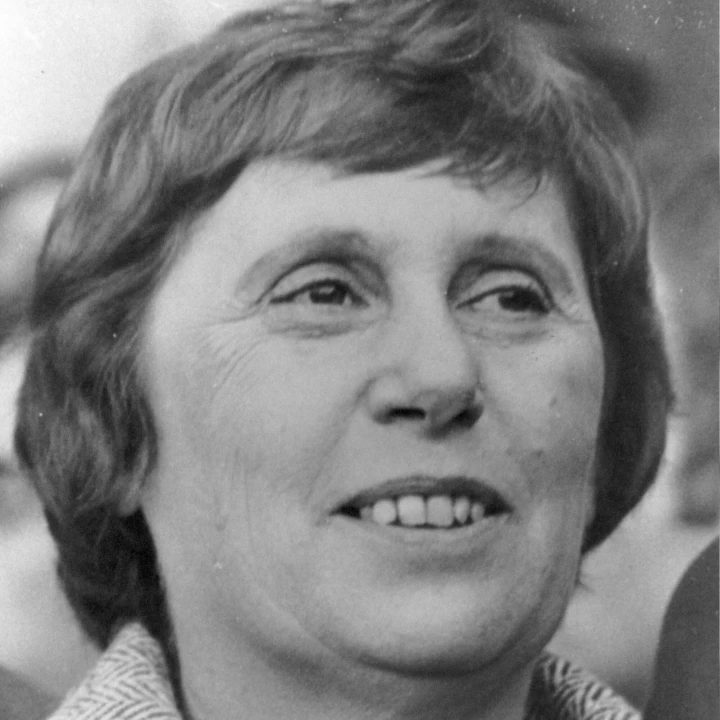
Ella Grasso’s life and career tell a distinctly Italian American story rooted in Connecticut and marked by historic firsts. Born Ella Rose Giovanna Oliva Tambussi on May 10, 1919, in Windsor Locks, she was the only child of Italian immigrants Giacomo and Maria Tambussi. Her parents passed on not only their language – she spoke fluent Italian – but also a deep sense of discipline, community, and public responsibility that would shape her political identity. In an era when the children of immigrants were still fighting for full acceptance, Grasso never hid her background. Instead, she carried her Italian heritage into the heart of American public life.
Educated in Catholic schools and later at Mount Holyoke College, where she earned both a bachelor’s degree and a master’s degree by age 23, Grasso combined academic rigor with practical experience. During World War II she worked for Connecticut’s War Manpower Commission, helping manage labor needs in a state heavily involved in defense production. This early exposure to employment policy and economic planning left a lasting imprint on her priorities as a lawmaker.
Grasso entered politics through the League of Women Voters, convinced that real change required a seat at the table. Elected to the Connecticut House of Representatives in 1952, she quickly rose through the ranks. By 1955 she had become the first woman floor leader in the state legislature, a milestone that reflected both her skill and the gradual opening of politics to women and ethnic minorities. In 1958 she was elected secretary of the state of Connecticut, a post she held for three consecutive terms, building a formidable statewide network and modernizing election administration.
After a brief but impactful period in the U.S. House of Representatives from 1971 to 1975, Grasso returned her focus to Connecticut. In Congress she concentrated on jobs, wages, and worker protections, delivering tangible results to her district. She supported increases to the minimum wage, expanded coverage for millions of workers, and helped bring hundreds of federally funded jobs to Connecticut communities struggling with unemployment rates that in some towns exceeded 10%.
Her defining achievement came in 1974, when she was elected governor of Connecticut. This victory made her the first woman ever elected governor of a U.S. state in her own right, not as the spouse or successor of a male officeholder. It was a watershed moment in American politics and a powerful symbol for women and Italian Americans nationwide.
As governor from 1975 to 1981, Grasso led Connecticut through severe fiscal challenges. She imposed budget discipline, vetoed spending bills when necessary, and earned a reputation for fiscal responsibility without abandoning social priorities. Under her leadership, the state navigated recession-era pressures while maintaining essential services. Her approval ratings remained strong, and in 1978 she won re-election with about 59% of the vote.
Grasso’s career embodied the journey of Italian Americans from immigrant neighborhoods to the highest levels of government. She proved that heritage and leadership were not in conflict, and that a woman with an Italian surname could become one of the most respected governors in the country. Her legacy in Connecticut is not only historical, but civic – a reminder that public service, when grounded in community values, can reshape both a state and a nation.
Nel 2026 We the Italians celebra Two Anniversaries One Heart, i 250 anni degli Stati Uniti e gli 80 anni della Reubblica Italiana. Questo articolo fa parte del progetto Happy Birthday USA: Unsung Italian Heroes, in cui raccontiamo perchè in ogni angolo degli Stati Uniti qualcuno italiano ha lasciato un impatto positivo per il singolo territorio.
---
Dalle radici italiane all’ufficio del Governatore, Ella Grasso e il Connecticut
La vita e la carriera di Ella Grasso raccontano una storia profondamente italoamericana, radicata nel Connecticut e segnata da primati storici. Nata come Ella Rose Giovanna Oliva Tambussi il 10 maggio 1919 a Windsor Locks, era l’unica figlia di immigrati italiani, Giacomo e Maria Tambussi. I genitori le trasmisero non solo la loro lingua – parlava italiano fluentemente – ma anche un profondo senso di disciplina, di comunità e di responsabilità pubblica che avrebbe plasmato la sua identità politica. In un’epoca in cui i figli degli immigrati lottavano ancora per una piena accettazione, Grasso non nascose mai le proprie origini. Al contrario, portò la sua eredità italiana nel cuore della vita pubblica americana.
Educata nelle scuole cattoliche e successivamente al Mount Holyoke College, dove conseguì sia la laurea sia il master entro i 23 anni, Grasso seppe unire il rigore accademico all’esperienza pratica. Durante la Seconda guerra mondiale lavorò per la War Manpower Commission del Connecticut, contribuendo alla gestione del fabbisogno di manodopera in uno Stato fortemente coinvolto nella produzione per la difesa. Questa precoce esposizione alle politiche del lavoro e alla pianificazione economica lasciò un’impronta duratura sulle sue priorità come legislatrice.
Grasso entrò in politica attraverso la League of Women Voters, convinta che il cambiamento reale richiedesse un posto ai tavoli decisionali. Eletta alla Camera dei Rappresentanti del Connecticut nel 1952, scalò rapidamente i ranghi. Nel 1955 divenne la prima donna a ricoprire il ruolo di floor leader nel parlamento statale, un traguardo che rifletteva sia le sue capacità sia la graduale apertura della politica alle donne e alle minoranze etniche. Nel 1958 fu eletta segretaria di Stato del Connecticut, incarico che mantenne per tre mandati consecutivi, costruendo una formidabile rete politica a livello statale e modernizzando l’amministrazione elettorale.
Dopo un periodo breve ma incisivo alla Camera dei Rappresentanti degli Stati Uniti dal 1971 al 1975, Grasso tornò a concentrare la propria attenzione sul Connecticut. Al Congresso si dedicò soprattutto a lavoro, salari e tutele dei lavoratori, ottenendo risultati concreti per il suo distretto. Sostenne aumenti del salario minimo, ampliò le coperture per milioni di lavoratori e contribuì a portare centinaia di posti di lavoro finanziati a livello federale nelle comunità del Connecticut che affrontavano tassi di disoccupazione che in alcune città superavano il 10%.
Il suo risultato più emblematico arrivò nel 1974, quando fu eletta governatrice del Connecticut. Questa vittoria la rese la prima donna mai eletta governatrice di uno Stato americano per mandato diretto, non come moglie o successora di un uomo. Fu un momento di svolta nella politica statunitense e un simbolo potente per le donne e per gli italoamericani di tutto il Paese.
Come governatrice dal 1975 al 1981, Grasso guidò il Connecticut attraverso gravi difficoltà fiscali. Impose disciplina di bilancio, pose il veto a leggi di spesa quando necessario e si guadagnò una reputazione di rigore finanziario senza abbandonare le priorità sociali. Sotto la sua guida, lo Stato affrontò le pressioni della recessione mantenendo i servizi essenziali. I suoi indici di gradimento rimasero elevati e nel 1978 vinse la rielezione con circa il 59% dei voti.
La carriera di Grasso incarnò il percorso degli italoamericani dai quartieri degli immigrati ai più alti livelli di governo. Dimostrò che identità e leadership non erano in conflitto e che una donna con un cognome italiano poteva diventare una delle governatrici più rispettate del Paese. La sua eredità in Connecticut non è solo storica, ma anche civica – un promemoria del fatto che il servizio pubblico, quando è radicato nei valori della comunità, può trasformare sia uno Stato sia una nazione.