
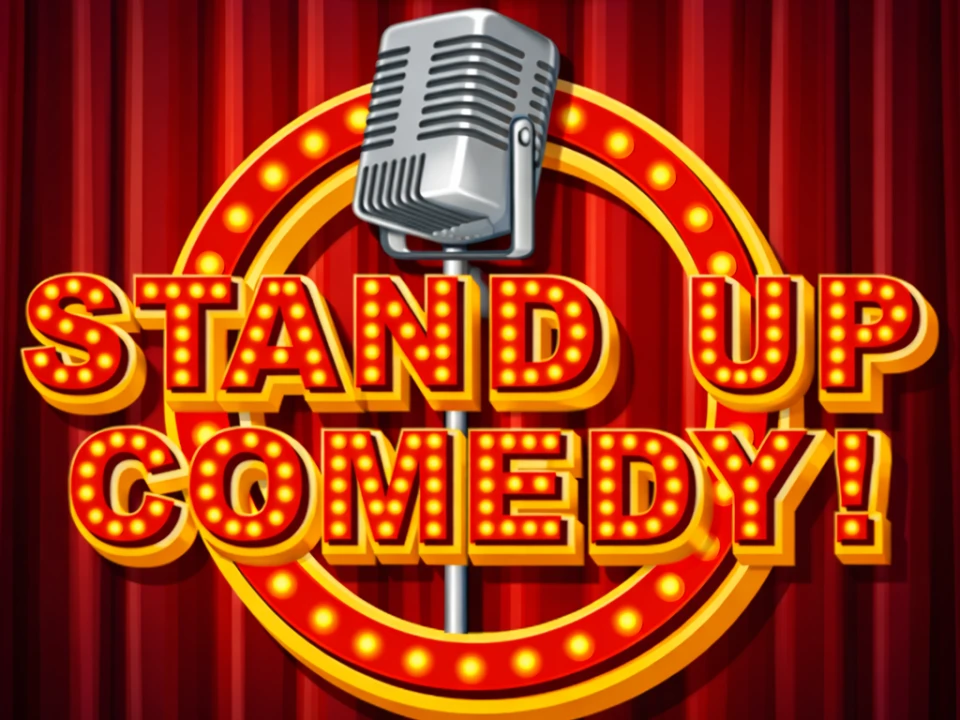

The Italian stand-up comedy scene is undergoing a clear transformation, marked by rapid growth and a tone that is far more direct and unfiltered than traditional cabaret. Instead of masks, characters, or scripted sketches, today’s comedians step on stage as themselves, delivering first-person monologues rooted in lived experience. Their material often revolves around everyday habits, generational quirks, relationships, work frustrations, and personal insecurities, with political and social satire woven naturally into the narrative.
Several recognizable names have helped define and popularize this movement. Their styles differ, but they share a willingness to embrace awkwardness, irony, and self-exposure, often pushing beyond the comfort zone traditionally associated with Italian comedy.
Live performance remains the backbone of the scene. Beyond major theaters, comedians regularly perform in clubs, cultural spaces, bookstores, and improvised venues, often doing 15–20 sets per month to refine material. These environments encourage experimentation and direct audience feedback, which is essential to the stand-up craft. Many shows sell out quickly, with attendance steadily rising year over year, especially among audiences under 40.
Recorded specials continue to be a crucial milestone. Platforms such as Netflix and channels like Comedy Central Italia remain key launchpads, giving comedians national exposure and access to audiences numbering in the hundreds of thousands. A single special can dramatically accelerate a career, turning a club performer into a recognizable public voice.
Another extraordinary breeding ground for talent that recently celebrated its 30th anniversary is Zelig. It began as a very small club in Milan and then grew into the most successful Italian stand-up comedy show. From Zelig came the launch of true icons of Italian comedy such as Paolo Migone, Federico Basso, Antonio Ornano, Ale and Franz, Aldo Giovanni e Giacomo, Teresa Mannino, Geppi Cucciari, Katia Follesa, Mr. Forest, Maurizio Lastrico, Giuseppe Giacobazzi, Dario Vergassola, Paolo Cevoli, and Leonardo Manera.
Other comedians who are now extremely well known emerged from the Roman comedy scene, which would deserve an article just for itself. Among them are Paola Cortellesi, Enrico Brignano, Maurizio Battista, Carlo Verdone, Corrado Guzzanti, and Virginia Raffaele, all of whom came after what can objectively be considered the genius, the greatest of them all, Romans and non-Romans alike: Gigi Proietti.
Nowadays, a particularly significant figure is Francesco De Carlo, whose career highlights the increasingly international dimension of Italian stand-up. De Carlo has worked extensively in the United States, performing in English and appearing on American television and late-night stages. His experience abroad has influenced not only his writing style but also his approach to timing, structure, and audience interaction. Bringing those elements back to Italy, he helped demonstrate that Italian comedians could operate within a global stand-up language without losing cultural specificity.
Overall, Italian stand-up comedy reflects broader cultural changes. Audiences are increasingly drawn to humor that confronts reality head-on, acknowledges social tension, and treats personal vulnerability as a strength rather than a weakness. With performers building careers both at home and abroad, the scene is no longer a niche experiment but a central and evolving part of contemporary Italian culture.