In the Italian American community, where traditions are a fundamental part of the rich cultural heritage that those who are part of it proudly claim, folklore has a particular importance, which is sometimes difficult to understand here from Italy, where we unfortunately often neglect the importance of our traditions.
The Italian Folk Art Federation of America was founded to bring together and give voice to this aspect, and it is with particular satisfaction that We the Italians welcome Leslie Gigliotti, President and CEO of this important institution.
Leslie, you are the President of the Italian Folk Art Federation of America. Please tell us about this association and its mission, when it was born and how it is structured
The Italian Folk Art Federation of America was founded in 1979 as an outgrowth of an Italian Folk Art Project initiated in 1977 at the Nationalities Service Center (NSC) of Philadelphia. With the assistance of the NSC and the leadership and guidance of Cav. Elba Farabegoli Gurzau, IFAFA was created. We are super excited to be celebrating our 40th anniversary next year!
Our organization was created to preserve and foster interest in all Italian folk arts; to research Italian folklore, traditions, costumes, dances, songs, instruments, etc.; to act as a center for gathering, storing and disseminating the information; and to bring together Italian folk performing groups and other interested individuals. We are a member of the Federazione Italiana di Tradizioni Popolari (Italian Federation of Popular Traditions) in Rome, Italy.
IFAFA is a registered non-profit and structured not as chapters, but as individual memberships. We govern with an executive team and board of directors. All of us are volunteers which is incredible! Many of us have full time jobs and families but we love IFAFA and believe in its mission. At present our membership is all based in the United States but we know that the rest of North America is opportunity for us to engage with people who share our same passions.Our membership is not limited to Italians and Italian Americans. We are all Italophiles and/or lovers of the folk arts. Everyone is welcome!
When I first joined the organization in 2004, I was amazed by the diversity of the membership. I met people at my very first conference in Philadelphia who joined IFAFA because of their Italian heritage, people who belonged to international folk dancing groups and wanted to learn Italian folk dancing, people who wanted to teach others about handicrafts like palm weaving and people whose neighbors were members and raved about how fun the group was and thought they’d check us out (and then became members too!).
Are there Italian regions that are more present than others in the traditions you promote?
All regions of Italy are included in our organization. Folk Art is everywhere! One of the great things of our organization is the research our members have done on a specific dance or song and how that it can vary from region to region, or even within a region. We have members that make lace and mosaics, for example, which are arts found all over Italy.
One of my favorite conference sessions was a class taught by a fellow member on a folk song where there exist 3 distinct versions, mainly within the same region. But through dialect and distance, the words and theme changed just ever so slightly to alter the storytelling. It was fascinating dissecting the changes in language and meaning.
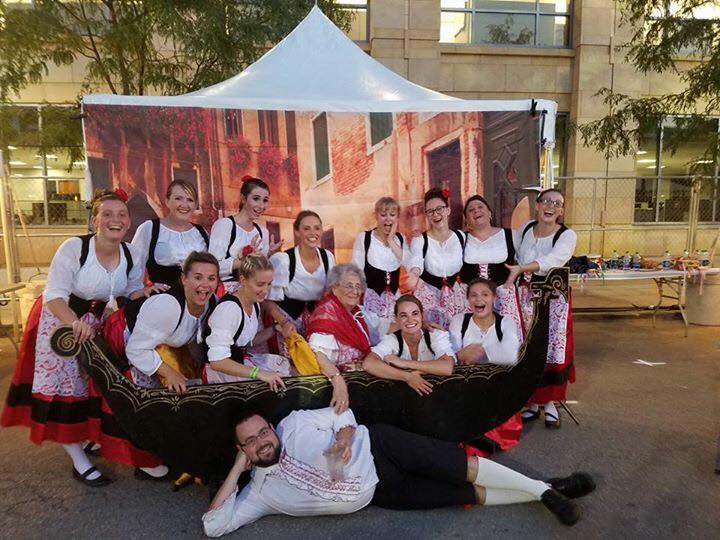
For people watching our dance groups, they are often amazed to see that folk dancing isn’t just the tarantella. Our members research and teach Italian waltzes, mazurkas, and regional tarantellas.
Why the Folk Art was and still is so important to stick with the Italian heritage?
Folk art is global! We just happen to focus on Italian folk art, but folk art is everywhere. Specific to Italians, it both provides a connection to history for descendants of Italians and for Italians, living in Italy, a method to preserve history and introduce the folk arts to contemporary audiences.
Many of our members travel to Italy regularly and connect with Italians who also are involved in the Folk Arts. If you check out our Facebook page, you’ll regularly see posts. Those connections show that the folk arts continue to flourish in Italy. We show that people actually live the culture rather than simply reading about it or observing it from a distance. As someone who was raised in the United States but of Italian heritage, this is hugely important to me as this organization gives me that link that I, and I suspect many others, crave.
Some could think that the Folk Art is mainly something regarding old people, but I understand that you also have a lot of kids dancing and celebrating their Italian heritage, am I right?
Our membership ranges from school age children to senior citizens. We have members that have been with the organization since its founding and members that just joined last year. Our membership has many children dancing in groups. They came to this not just from their parents and grandparents, but also their friends. Kids like fun, and we are fun! But on a deeper level, folk art is utilitarian and universal. A fundamental characteristic of folk art is its accessibility. It’s not constrained by borders, nor age.
Are you spread all over the United States? Which areas are the most active in the activities you promote?
Our membership is based all over the United States. We’re not concentrated in just one region. Our members live on the East Coast, the West Coast, the Mid-West and the South. Many members are part of dance or singing groups, and/or also have memberships in other Italian focused organizations. IFAFA is about sharing knowledge and forging new relationships so we happily liaise with other organizations across the United States. We’d love to expand our membership beyond the United States as Italians have a presence all over the world and the folk art community is global.
On your website you also show a beautiful collection of costumes, from every one of the Italian regions. Costumes are important, right?
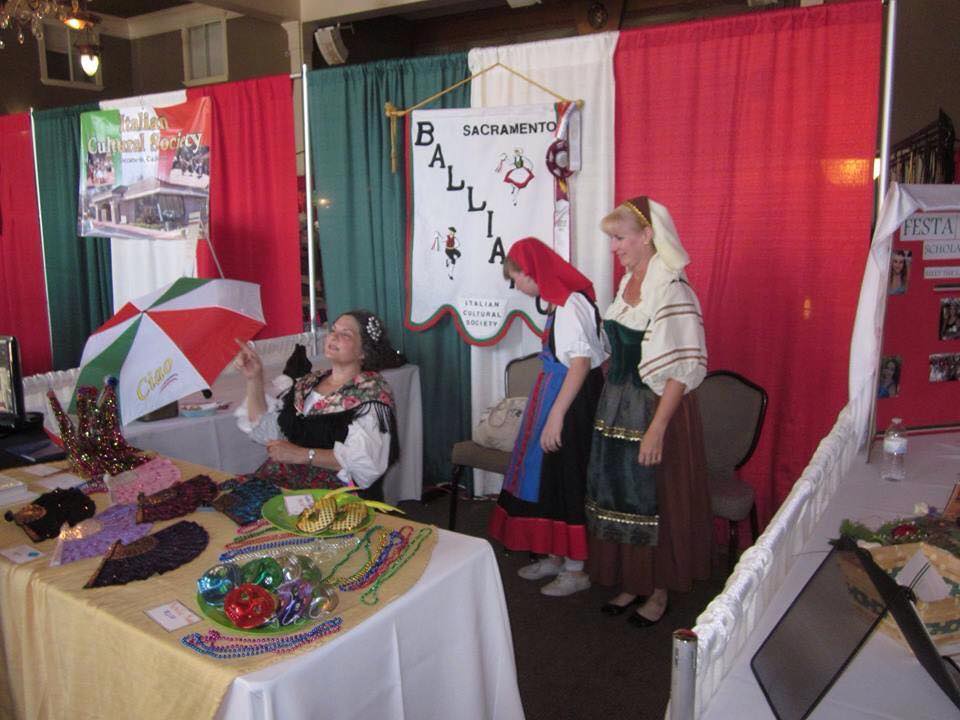
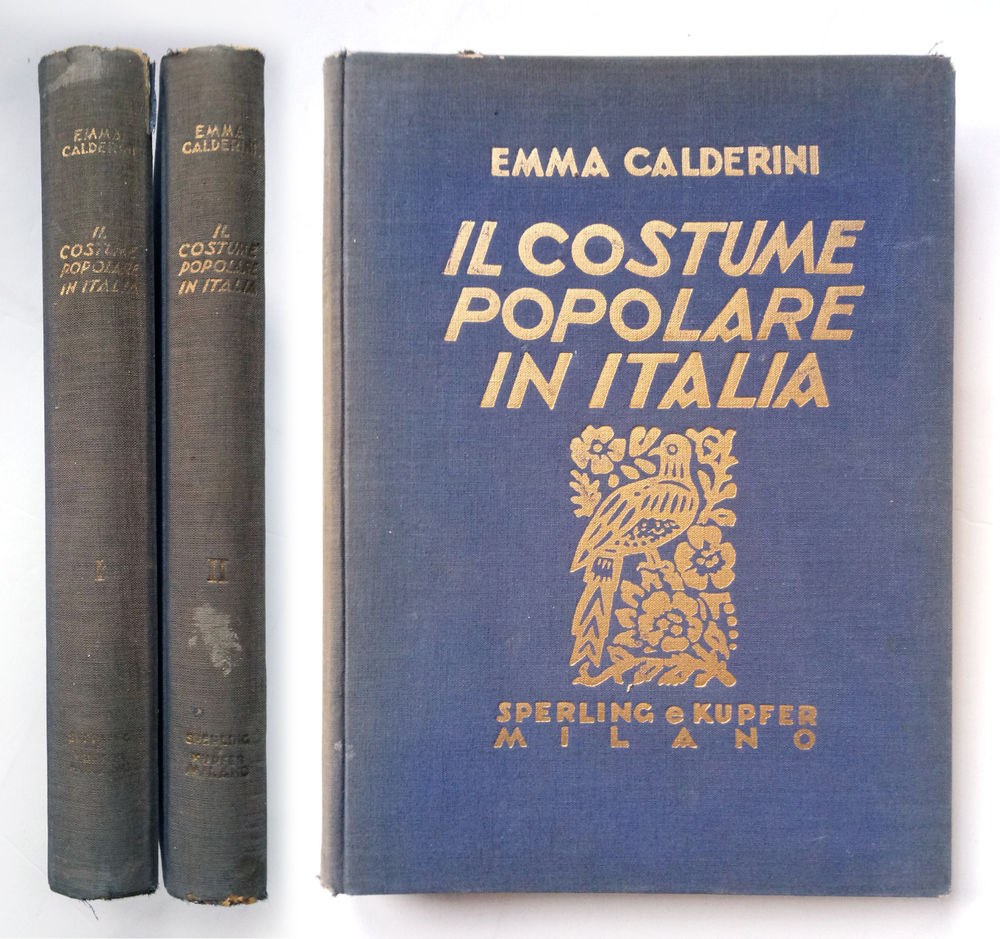
The 200 costume color plates on our website and those whose descriptions that often appear in our newsletter Tradizioni are from the book, “Il costume popolare in Italia”, written and illustrated by Emma Calderini. Our founder, Elba Farabegoli Gurzau, wrote a wonderful book on Italian regional dress called “Folk Dances, Customs and Costumes of Italy”. To this day, it’s still used as an English language resource for individuals looking to make an authentic costume. For me, one of the things I love to do in Italy is seek out the museums that have costumes to see with my own eyes how the fabric, design and adornment changes from locale to locale.
Your next National Conference will be held in Milwaukee, Wisconsin in September 2019. What happens during this big event?
In many ways, our conferences are like a family reunion! We hold them in a different member city and those members do nearly all the planning, booking and running of the conference. The executive team and Board are involved, but it’s really the energy and drive of the local members that make the magic for the conference. As I mentioned earlier, we’re all volunteers; so, it’s pretty impressive that we do all of this with no paid staff!
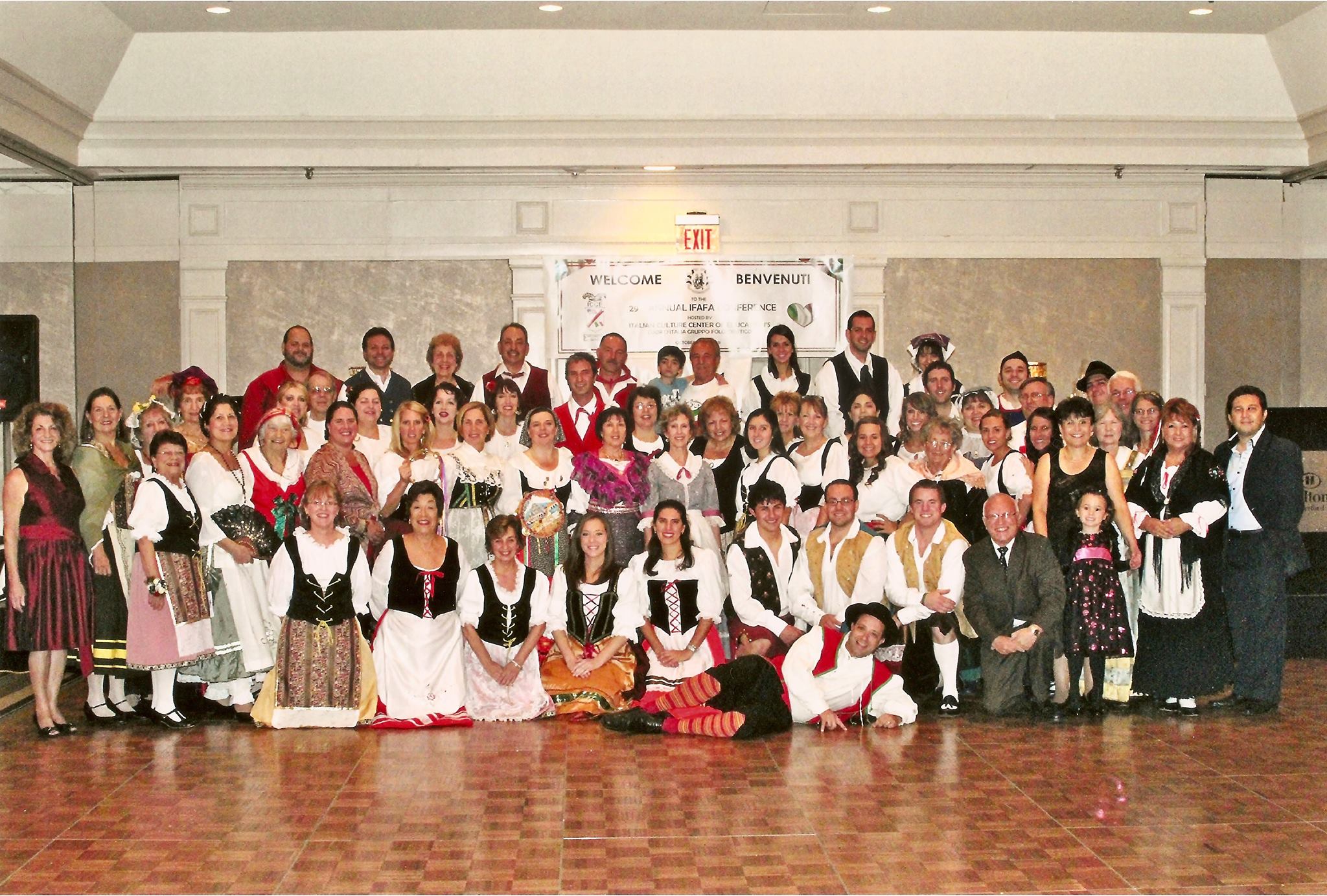
The conference is a homecoming, educational sessions and parties all rolled into one. We have our annual general meeting and welcome party Friday evening. And often earlier in the day, our hosts arrange for a tour of a site, museum or market that has a strong connection to Italy or to the folk arts.
Saturday is an action-packed day that has dance classes, lectures on history, art, cooking or literature, making handicrafts and many other topics that connect to the Italian folk arts. Each conference has fresh and exciting topics. Our members made lead sessions or teach classes, but our hosts will also reach out to their community and invite them to present. We’ve had university professors give lively lectures and local artists demonstrate their wares.
Our weekend culminates in a lively Festa Saturday evening with a dinner and entertainment by our member dance groups and singers. Many of our members schedule their vacations around the conference and get together with fellow members both before and after the conference. It’s a love filled and invigorating weekend.
Is there an anecdote you want to share with our readers to convince our readers to be part of the celebration of Italian folk art?
Folk arts aren’t just one thing; it encompasses many areas so there is bound to be one aspect that will bring you in and give you the urge to learn more. Meeting likeminded people just adds to that desire to engage even more.
Last year, at our conference in Rockford, Illinois, I met two individuals who had never attended a conference prior nor had much knowledge of IFAFA. They had learned about the conference at an Italian Festival in the area just the month prior and were so excited and fascinated by what IFAFA offers that they signed up for the conference and soon became members. I was so thrilled when I heard their story because that is what keeps this organization going after nearly 4 decades.
In una comunità come quella italoamericana, dove le tradizioni sono parte fondamentale del ricco patrimonio culturale che orgogliosamente rivendica chi ne fa parte, il folklore ha un'importanza particolare, che a volte si fatica a comprendere qui dall'Italia, dove colpevolmente spesso trascuriamo l’importanza delle nostre tradizioni.
La Italian Folk Art Federation of America nasce proprio per riunire e dare voce a questo aspetto, ed è per We the Italians motivo di particolare soddisfazione poter ospitare Leslie Gigliotti, che presiede questa importante istituzione.
Leslie, tu sei la Presidente della Italian Folk Art Federation of America. Raccontaci di questa associazione e della sua missione, quando è nata e come è strutturata
La Italian Folk Art Federation of America è stata fondata nel 1979 come risultato di un progetto dedicato all’arte popolare italiana iniziato nel 1977 presso il Nationalities Service Center (NSC) di Philadelphia. Con l'assistenza dell'NSC e la direzione e la guida del Cav. Elba Farabegoli Gurzau, fu creata l’Italian Folk Art Federation of America (IFAFA). Siamo davvero entusiasti di celebrare il nostro 40° anniversario l'anno prossimo!
La nostra organizzazione è stata creata per preservare e promuovere l'interesse per tutte le arti popolari italiane; per fare ricerca sul folklore, le tradizioni, i costumi, le danze, i canti, gli strumenti, ecc.; per fungere da centro di raccolta, conservazione e diffusione delle informazioni; e per riunire gruppi folcloristici italiani e altri individui interessati. Siamo membri della Federazione Italiana di Tradizioni Popolari di Roma.
L'IFAFA è un'associazione registrata senza scopo di lucro e strutturata non riunendo le persone in diversi gruppi, ma come membri individuali. La nostra governance prevede un Comitato Esecutivo e un Consiglio di Amministrazione. Tutti noi siamo volontari, il che in America è incredibile! Molti di noi hanno lavori a tempo pieno e famiglie, ma amiamo l'IFAFA e crediamo nella sua missione.
Attualmente i nostri membri risiedono tutti negli Stati Uniti, ma sappiamo che anche il resto del Nord America è per noi un'opportunità di incontrare persone che condividono le nostre stesse passioni.
L’adesione all’IFAFA non è limitata esclusivamente agli italiani e agli italoamericani. Siamo tutti italofili e/o amanti delle arti popolari. Tutti sono i benvenuti!
Quando sono entrata a far parte dell'organizzazione nel 2004, sono rimasta stupita dalla diversità dei membri. Alla mia prima conferenza a Philadelphia ho incontrato persone che sono entrate a far parte dell'IFAFA per la loro origine italiana, persone che appartenevano a gruppi internazionali di danza popolare e volevano imparare la danza popolare italiana, persone che volevano insegnare ad altri mestieri come il lavoro manuale di intreccio del vimini, e persone i cui vicini erano membri e che erano entusiasti di quanto fosse divertente il gruppo e poi sono diventati membri anche loro.
Ci sono regioni italiane che sono più presenti di altre nelle tradizioni che promuovete?
Tutte le regioni d'Italia sono incluse nella nostra organizzazione. L'arte popolare è ovunque! Una delle cose belle della nostra organizzazione è data dalle tante ricerche che i nostri membri hanno fatto su una specifica danza o canzone e come questa può variare da regione a regione, o anche all'interno di una regione. Abbiamo membri che realizzano merletti e mosaici, per esempio, che sono arti che si trovano in tutta Italia.
Una delle mie sessioni preferite durante le conferenze è stata una lezione tenuta da un collega su una canzone popolare di cui esistono 3 versioni distinte, principalmente all'interno della stessa regione. Ma attraverso il dialetto e la distanza, le parole e il tema cambiarono leggermente per alterare il racconto. E' stato affascinante analizzare i cambiamenti di lingua e il relativo significato.
Chi guarda i nostri gruppi di danza spesso si stupisce nel vedere che la danza popolare non è solo la tarantella. I nostri membri fanno ricerca e insegnano valzer italiani, mazurche e tarantelle regionali.
Perché l'arte popolare era ed è ancora così importante per rimanere in contatto con le proprie origini italiane?
L'arte popolare è globale! Noi ci concentriamo su quella italiana, ma l'arte popolare è ovunque. In particolare, per noi fornisce un collegamento con la propria storia, sia per i discendenti degli italiani che si spostarono in America, sia per gli italiani che vivono in Italia: un metodo per preservare la storia e introdurre le arti popolari al pubblico contemporaneo.
Molti dei nostri membri viaggiano regolarmente in Italia e si mettono in contatto con gli italiani che si occupano anche di arte popolare. Se visitate la nostra pagina Facebook, vedrete che è aggiornata regolarmente. Questi collegamenti dimostrano che le arti popolari continuano a svilupparsi in Italia. Mostriamo che le persone vivono effettivamente la cultura, piuttosto che semplicemente leggendo o osservandola a distanza. Come persona cresciuta negli Stati Uniti ma di origine italiana, questo è estremamente importante per me perché questa organizzazione mi dà quel legame che io bramo, e sospetto che sia così per molti altri.
Qualcuno potrebbe pensare che la Folk Art sia principalmente qualcosa che riguarda gli anziani, ma invece mi sembra di capire che avete anche molti bambini che ballano e celebrano le ooro origini italiane, giusto?
I nostri membri vanno dai bambini in età scolare agli anziani. Alcuni fanno parte dell'organizzazione fin dalla sua fondazione, altri si sono appena uniti l'anno scorso. I nostri soci hanno molti bambini che ballano in gruppo. Alcuni hanno imparato a farlo dalle loro famiglie, dai loro genitori e nonni, ma altri anche dai loro amici. Ai bambini piace divertirsi, e noi siamo divertenti!
Ma a un livello più profondo, l'arte popolare è funzionale e universale. Una caratteristica fondamentale dell'arte popolare è la sua accessibilità. Non è vincolata da confini, né dall'età.
Siete sparsi in tutti gli Stati Uniti? Quali sono le aree geografiche più attive nelle attività che promuovete?
I nostri membri sono dislocati in tutti gli Stati Uniti. Non siamo concentrati in una sola regione: siamo sulla costa orientale, la costa occidentale, sulla costa occidentale, nel Midwest e al sud.
Molti membri fanno parte di gruppi di danza o di canto, e/o sono membri di altre organizzazioni italiane. Far parte dell'IFAFA significa condividere le conoscenze e creare nuove relazioni, quindi siamo felici di essere in contatto con altre organizzazioni in tutti gli Stati Uniti.
Ci piacerebbe espandere le nostre affiliazioni oltre gli Stati Uniti, dato che gli italiani sono presenti in tutto il mondo e la comunità dell'arte popolare è globale.
Sul vostro sito web è disponibile una bellissima collezione di costumi, provenienti da tutte le regioni italiane. I costumi sono importanti, giusto?
Le 200 tavole a colori dei costumi sul nostro sito e quelle le cui descrizioni spesso compaiono nella nostra newsletter “Tradizioni” sono tratte dal libro "Il costume popolare in Italia", scritto e illustrato da Emma Calderini.
La nostra fondatrice, Elba Farabegoli Gurzau, ha scritto un bellissimo libro sui costumi regionali italiani intitolato "Danze popolari, usi e costumi d'Italia". Ancora oggi, è ancora usato come risorsa in lingua inglese per coloro che cercano di realizzare un costume autentico.
Per quanto mi riguarda, una delle cose che amo fare in Italia è cercare i musei che hanno i costumi per vedere con i miei occhi come il tessuto, il design e l'ornamento cambia da locale a locale.
La vostra prossima conferenza nazionale si terrà a Milwaukee, Wisconsin, nel settembre 2019. Cosa succede durante questo grande evento?
Per molti versi, le nostre conferenze sono come una riunione di famiglia! Li teniamo ogni volta in una città diversa e i nostri membri che vi risiedono svolgono quasi tutte le attività di pianificazione, prenotazione e gestione della conferenza. Il Comitato Esecutivo e il Consiglio di Amministrazione sono coinvolti, ma sono proprio l'energia e l'impulso dei membri locali a fare la magia della conferenza. Come ho detto prima, siamo tutti volontari; quindi, è abbastanza impressionante che facciamo tutto questo senza personale retribuito!
La conferenza è un ritorno a casa: sessioni educative e feste tutto in uno.
Abbiamo la nostra Assemblea Generale annuale e la festa di benvenuto il venerdì sera. E spesso, prima dell’inizio dei lavori della conferenza, i nostri ospiti organizzano un tour di un luogo, un museo o un mercato che ha un forte legame con l'Italia o con le arti popolari.
Il sabato è una giornata ricca di azione che prevede lezioni di danza, lezioni di storia, arte, cucina o letteratura, artigianato e molti altri argomenti legati alle arti popolari italiane. Ogni conferenza ha argomenti freschi ed emozionanti. I nostri membri tengono sessioni o lezioni, ma verranno anche altri ospiti. Abbiamo avuto professori universitari che hanno tenuto vivaci conferenze e artisti locali che hanno mostrato i loro prodotti.
Il nostro fine settimana culmina in una Festa il sabato sera con una cena e l’intrattenimento da parte dei nostri gruppi di ballo e cantanti.
Molti dei nostri membri programmano le loro vacanze intorno alla conferenza e si riuniscono con gli altri membri sia prima che dopo la conferenza. E' un weekend pieno d'amore e tonificante.
C'è un aneddoto che vuoi condividere con i nostri lettori per convincerli a partecipare alla celebrazione dell'arte popolare italiana?
L'arte popolare abbraccia molte aree, quindi c'è per forza un aspetto che vi genererà interesse e vi darà la voglia di saperne di più. L'incontro con persone che la pensano allo stesso modo aggiunge a questo desiderio di impegnarsi ancora di più.
L'anno scorso, alla nostra conferenza di Rockford, Illinois, ho incontrato due persone che non avevano mai partecipato a una conferenza prima né avevano molta conoscenza dell'IFAFA. Avevano appreso della conferenza ad un festival italiano nella zona proprio il mese prima, ed erano così eccitati e affascinati da ciò che l'IFAFA offre che si sono iscritti alla conferenza e presto sono diventati membri. Ero così entusiasta quando ho sentito la loro storia, perché è questo che mantiene questa organizzazione in vita dopo quasi 4 decenni.