

In northern Piemonte, between the plains of the Po Valley and the foothills of the Alps, Biella has built an industrial identity recognized far beyond Italy. For centuries, this relatively small territory has specialized in transforming wool and other premium fibers into some of the world's most sophisticated fabrics.
The Biella textile district is not simply a concentration of factories. It is an integrated production system in which geography, water, technical specialization, industrial investment and generations of accumulated knowledge have created an extraordinary competitive advantage.
Textile activity in the area has very ancient origins. Evidence stretches back to pre-Roman times, while production became progressively more structured during the Middle Ages. Between 1275 and 1419, local regulations were already governing activities connected with weaving, tailoring and cloth production.
Geography played a decisive role.
The Biella district extends across approximately 915 square kilometers, with more than 80% of the territory characterized by hills and mountains. This environment encouraged sheep raising and wool processing, while streams descending from the Alps supplied an essential resource for textile production.
Water became one of Biella's hidden industrial assets.
Mountain water in the area is naturally soft and low in minerals, characteristics particularly valuable for washing, dyeing and finishing textiles. Historically, rivers and streams also provided mechanical energy. Factories therefore developed along waterways, gradually turning parts of the Alpine landscape into industrial corridors.
By the 16th and 17th centuries, individual valleys were already developing different production specializations. Valle Elvo became associated with finer textiles, while the Strona and Sessera valleys concentrated on other categories of cloth. Networks of producers and merchants connected the different stages of manufacturing.
A decisive technological change arrived in 1816, when Pietro Sella brought mechanical textile machinery from England to the Mosso Valley.
Mechanization accelerated the transition from dispersed production to an industrial model. Larger mills appeared, productivity increased and Biella became one of the most advanced textile manufacturing areas in Italy.
What followed was the creation of a complete industrial ecosystem.
Within a relatively limited geographical area, companies developed expertise in preparing fibers, spinning, weaving, dyeing, finishing and textile machinery. Suppliers, manufacturers and specialized technicians could operate within the same production network. This concentration of knowledge helped companies innovate rapidly while maintaining extremely demanding quality standards.
Over time, Biella increasingly moved away from competing on inexpensive mass production. Its strength became specialization at the highest end of the market.
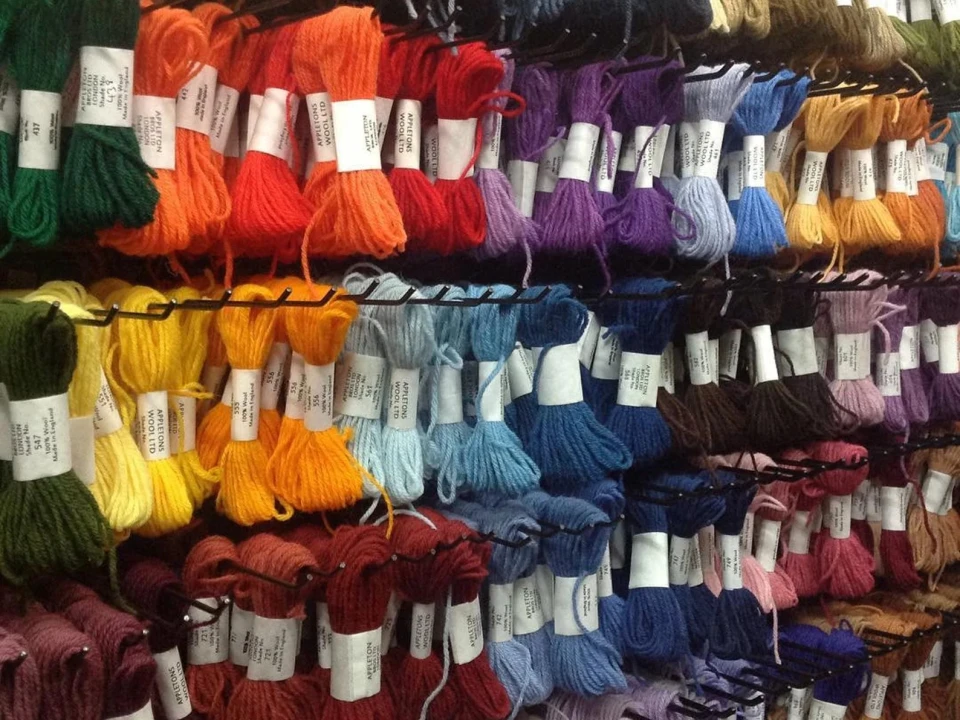
The district processes premium raw materials sourced internationally, including Australian and New Zealand merino wool, cashmere, alpaca, mohair, camel hair and vicuña. These fibers are transformed into fabrics used by luxury fashion companies and high-end tailoring markets around the world.
Several historic Italian companies emerged from this environment. Vitale Barberis Canonico traces its history to 1663, while Ermenegildo Zegna, Loro Piana, Piacenza, Reda and Cerruti are among the internationally recognized names associated with the broader Biella textile system.
But famous brands tell only part of the story. Behind them is a network of specialized companies performing highly specific stages of production. This division of industrial expertise is one of the fundamental characteristics of the district model.
The sector has undergone significant consolidation. Since 2000, the number of textile companies in the area has declined from approximately 1,500 to around 700. Rather than disappearing, however, much of the district has repositioned itself toward technologically advanced and higher-value production.
International markets remain essential. Textile exports from the territory reached approximately €2.34 billion in 2023, and exports increased by about 53% between 2008 and 2023. The textile industry represents roughly 60% of local manufacturing employment, while the broader wool and textile system provides more than 11,000 jobs.
In 2019, Biella entered the UNESCO Creative Cities Network, further recognizing the exceptional relationship between textile production and the identity of the territory.
Today the district is confronting a new industrial transformation. Sustainability, traceability, recycling, energy efficiency and advanced manufacturing technologies are becoming increasingly important. For an industry dependent on international raw materials and global luxury markets, innovation is no longer optional.
Yet Biella possesses an advantage that is difficult to reproduce elsewhere.
Its strength comes from the density of the entire system – companies, technicians, infrastructure, specialized suppliers, water resources and industrial knowledge concentrated in one Alpine territory.
For centuries, Biella has continuously changed the way it produces textiles while preserving its position at the top of the market.
That is the real story of this Piemonte district: not simply wool, but an industrial system that learned how to turn geography and specialization into global excellence.