

Piedmont is widely considered one of Italy’s most prestigious wine regions, producing some of the country’s most structured, age-worthy, and internationally recognized wines. Located in northwestern Italy, at the foot of the Alps, the region benefits from a unique combination of climate, soil diversity, and centuries of winemaking expertise. With over 45,000 hectares (about 111,000 acres) of vineyards and more than 40 DOC and DOCG designations, Piedmont accounts for roughly 7% of Italy’s total wine production but a much higher share of its premium output.
At the heart of Piedmont’s identity is the Nebbiolo grape, responsible for two of Italy’s most famous wines: Barolo and Barbaresco. Barolo DOCG, often referred to as the “king of wines,” is produced in 11 communes in the Langhe area and requires a minimum aging of 38 months, including at least 18 months in oak. Barbaresco DOCG, from a smaller zone with slightly warmer conditions, requires 26 months of aging. Both wines are known for high tannins, acidity, and complex aromas that can include rose, tar, cherry, and truffle. Together, Barolo and Barbaresco represent a significant portion of Piedmont’s export value, with Barolo alone accounting for over 50 million bottles annually.
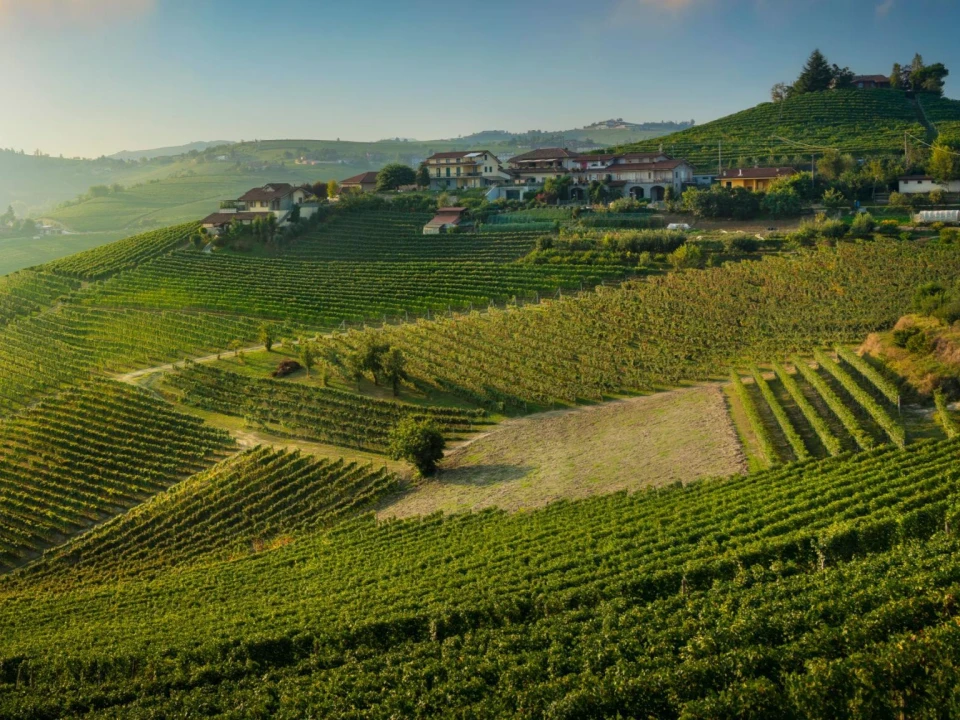
The Langhe hills, a UNESCO World Heritage site since 2014, are the core of Nebbiolo production. Here, soil composition varies between marl and sandstone, influencing the structure and elegance of the wines. Microclimates and elevation – typically between 200 and 500 meters above sea level – play a crucial role in grape development, contributing to the distinctive character of each vineyard.
Another key grape is Barbera, which is more widely planted than Nebbiolo and produces wines that are more approachable and fruit-driven. Barbera d’Asti DOCG and Barbera d’Alba DOC are the most important denominations. These wines are known for their high acidity, low tannins, and flavors of red cherry and plum. Production volumes are significant, with Barbera accounting for approximately 30% of the region’s total output.
Dolcetto is another traditional variety, despite its name suggesting sweetness. In reality, Dolcetto wines are dry, soft, and easy to drink, with moderate acidity and notes of blackberry and almond. Dolcetto d’Alba DOC and Dogliani DOCG are among the most recognized expressions. These wines are typically consumed young and are an essential part of local everyday drinking culture.
Piedmont is also home to one of Italy’s most famous aromatic white wines, Moscato d’Asti DOCG. Produced from the Moscato Bianco grape, it is lightly sparkling (frizzante), low in alcohol – usually around 5–6% – and characterized by intense aromas of peach, apricot, and orange blossom. Annual production exceeds 80 million bottles, making it one of the region’s most commercially successful wines, particularly in export markets.
In addition to still wines, Piedmont produces important sparkling wines such as Asti Spumante DOCG, made using the Charmat method, and Alta Langa DOCG, a smaller but growing category of traditional method sparkling wines made from Pinot Noir and Chardonnay. Alta Langa requires a minimum aging of 30 months on the lees, reflecting a focus on quality and structure.
The region’s wine culture is deeply tied to its landscape. Vineyard plots are often small and fragmented, reflecting historical inheritance patterns. This has led to a strong emphasis on terroir, with single-vineyard bottlings becoming increasingly common. Many producers highlight specific crus, particularly in Barolo and Barbaresco, where differences in soil, exposure, and altitude can significantly influence the final wine.
Historically, Piedmont’s modern wine identity began to take shape in the 19th century, when figures such as Camillo Benso di Cavour and winemaker Louis Oudart helped refine Barolo into a dry, structured wine. This transformation marked a shift from sweet styles to the powerful reds that define the region today.
Today, Piedmont continues to balance tradition and innovation. While classic methods remain central, many producers experiment with aging techniques, vineyard management, and sustainability practices. Organic and biodynamic farming are on the rise, with an estimated 15% of vineyards now managed under certified organic practices.
In summary, Piedmont offers a diverse and complex wine landscape, defined by powerful reds, aromatic whites, and a deep connection to terroir. Its combination of history, quality, and distinctive grape varieties makes it one of the most influential wine regions in the world.