
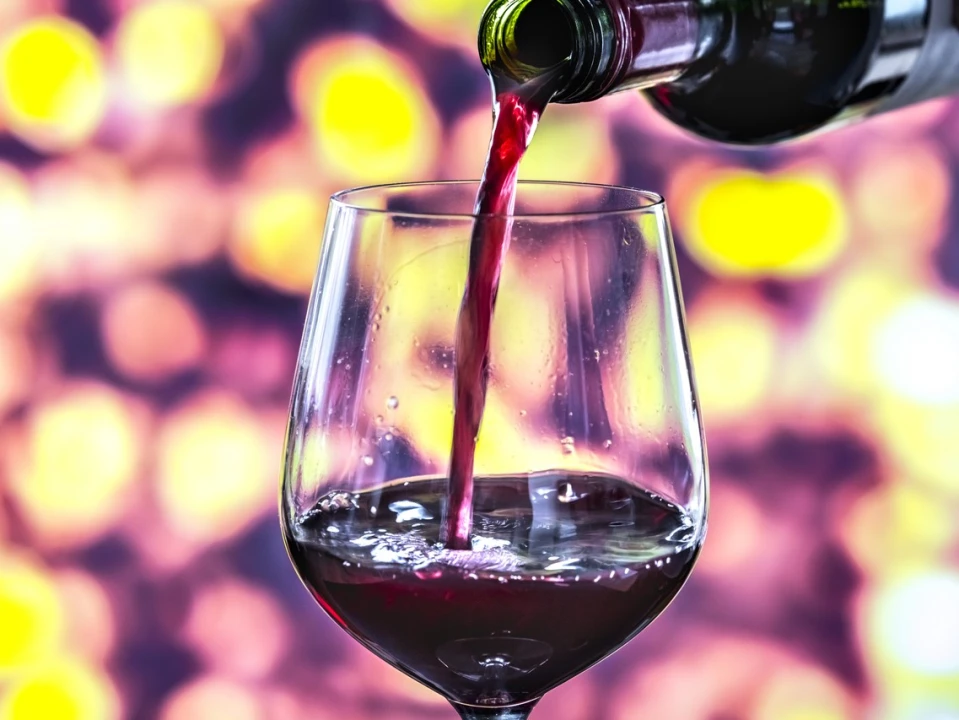

When people think of sparkling wine, their minds often go straight to the golden fizz of Champagne or the crisp bubbles of Prosecco. Yet in the heart of northern Italy, there is another sparkling treasure that tells a different story - one written in shades of ruby and garnet. That wine is Lambrusco, a red with a lively effervescence and an even livelier history. It is both ancient and modern, rustic and refined, deeply tied to its homeland but increasingly beloved across the globe.
Ancient roots and rural traditions
The name “Lambrusco” does not refer to a single grape but to a family of varieties that have grown wild in the Emilia Romagna region for centuries. References to these vines appear as far back as Roman times, when writers praised a sparkling red that accompanied soldiers and farmers alike. Unlike many cultivated varieties, Lambrusco thrived in the flat plains and fertile soils of the Po Valley, adapting naturally to the rhythms of local agriculture.
For generations, farming families made their own Lambrusco, often bottling it while fermentation was still active. The result was a wine that carried a natural sparkle, earthy aromas, and a vibrant acidity. It was never meant to be a luxury product. Instead, it was the wine of the people - affordable, refreshing, and perfectly suited to the hearty dishes of Emilia, from rich pastas to cured meats.
A modern reinvention
The 20th century transformed Lambrusco into a household name. Advances in winemaking allowed producers to harness its natural effervescence in a more controlled way, giving the wine consistency and international appeal. By the 1970s and 1980s, Lambrusco had become one of Italy’s most exported wines, particularly popular in the United States. Sweet and lightly sparkling versions charmed American drinkers, offering an approachable alternative to heavier reds.
This success, however, came with a price. The image of Lambrusco as a simple, sugary wine overshadowed the depth and variety it could offer. Serious wine drinkers often dismissed it, forgetting that at its best, Lambrusco is complex, versatile, and deeply connected to one of Italy’s richest culinary traditions.
Diversity in the glass
One of Lambrusco’s greatest strengths lies in its diversity. There are several sub-varieties, each with its own character. Lambrusco di Sorbara, for example, is known for its pale color, floral notes, and bright acidity. Lambrusco Grasparossa produces deeper, more robust wines with darker fruit flavors and a fuller body. Lambrusco Salamino combines the best of both worlds, offering freshness and structure.
Beyond these, countless local variations exist, reflecting the creativity of winemakers across Emilia Romagna and neighboring Lombardy. Some Lambruscos are bone-dry, while others retain a touch of sweetness. Some are light and playful, others bold and tannic. This range allows Lambrusco to move easily from casual aperitifs to elegant dining tables, surprising those who only know it from its most commercial versions.
The perfect match for Emilia’s cuisine
If you want to understand Lambrusco, you have to taste it alongside the food of its homeland. Emilia Romagna is famous for dishes that are rich, savory, and indulgent: tortellini in broth, lasagna layered with béchamel, tagliatelle topped with ragù. Add to that a world of cured meats - prosciutto di Parma, mortadella, culatello - and cheeses like Parmigiano Reggiano.
Lambrusco is the ideal companion for these flavors. Its bubbles cut through fat, its acidity refreshes the palate, and its fruitiness balances the saltiness of cured meats and aged cheeses. Few wines achieve such harmony with regional cuisine. This is why Lambrusco is more than just a beverage - it is part of the cultural fabric of Emilia, inseparable from the meals and gatherings that define life there.
The global comeback
In recent years, Lambrusco has been experiencing a renaissance. Wine lovers, increasingly curious about authentic and lesser-known varieties, are rediscovering its appeal. Producers have responded by emphasizing quality, tradition, and the unique terroir of their vineyards. Dry and artisanal bottlings are now reaching international markets, offering a very different experience from the mass-market Lambruscos of the past.
This revival has also been fueled by the growing popularity of sparkling wines worldwide. Consumers who once reserved bubbles for special occasions now enjoy them year-round, appreciating their versatility and celebratory feel. Lambrusco, with its approachable price and food-friendly profile, fits perfectly into this trend. As a result, it is once again one of Italy’s most exported wines, holding its own alongside white sparklers like Prosecco.
A symbol of identity
For the people of Emilia Romagna, Lambrusco is more than just a product. It is a symbol of local pride and identity. Vineyards and wineries often remain family-run, passing down knowledge from one generation to the next. Each bottle carries the story of a region that values tradition while embracing innovation. Festivals, tastings, and celebrations keep the connection alive, reminding both locals and visitors that Lambrusco is not simply consumed - it is shared.
The wine’s resilience also reflects the spirit of the region itself. Emilia Romagna has endured wars, economic upheavals, and cultural change, yet it has always preserved its culinary and agricultural heart. Lambrusco embodies this endurance: humble, adaptable, but never losing its authenticity.
Looking ahead
The future of Lambrusco seems bright. Younger winemakers are experimenting with organic practices, traditional bottle fermentation, and limited editions that highlight specific vineyards. At the same time, established producers are investing in quality and expanding their reach abroad. The challenge remains balancing global demand with respect for local roots, ensuring that Lambrusco never loses the charm that makes it unique.
What is clear is that Lambrusco has earned its place among the world’s great wines, not by imitating others but by staying true to itself. Its vibrant sparkle, crimson hues, and joyful spirit continue to win over drinkers from Modena to New York, from Parma to Tokyo.
A wine of celebration
To drink Lambrusco is to embrace a tradition that stretches back centuries, yet still feels fresh and modern. It is a wine that brings people together, whether around a family table in Emilia or at a dinner party halfway across the globe. With every glass, it offers not only refreshment but also a reminder of resilience, community, and the simple joy of sharing.
In a world overflowing with choices, Lambrusco stands out for its authenticity and character. Sparkling, red, and endlessly versatile, it proves that sometimes the most unexpected wines can leave the most lasting impression.