

Umbria is a small, landlocked region in central Italy, often described as the country’s green heart. While it lacks a coastline, it makes up for it with rolling hills, forested landscapes, and a long tradition of agriculture. Wine has been a central part of Umbrian life for centuries, shaped by a continental climate with warm summers, cold winters, and significant day-to-night temperature swings that help preserve acidity and aromatic intensity in grapes.
Vineyards in Umbria cover roughly 13,000 hectares, most of them planted on hillsides between 200 and 600 meters above sea level. Annual production averages around 900,000 hectoliters, with red and rosé wines accounting for about 53 percent and white wines making up the remaining 47 percent. Despite its relatively modest size, Umbria has a structured quality system that includes 2 DOCG denominations, 13 DOCs, and 6 IGT designations.
Historically, winemaking in Umbria dates back to the Etruscan period, well before the rise of Rome. Archaeological findings show that vines were already being cultivated in the region more than 2,500 years ago. During Roman times, Umbrian wines were traded across central Italy, valued for their balance and reliability. In the Middle Ages, monasteries played a key role in preserving viticultural knowledge, maintaining vineyards and refining production methods. Wine remained a staple of rural life through the Renaissance and into the modern era, though quality varied widely until the second half of the 20th century, when stricter regulations and investments in vineyard management led to a renewed focus on excellence.
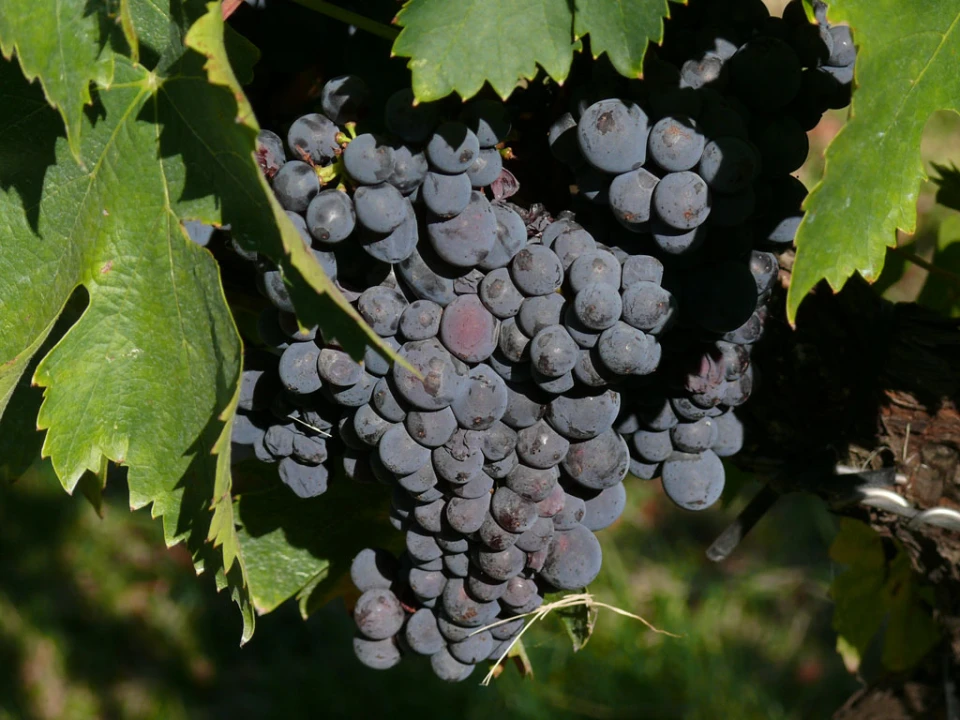
Umbrian viticulture today is defined by diversity rather than volume. The region grows a mix of native and international grape varieties, allowing producers to craft wines in many different styles. Among white grapes, Grechetto is the most emblematic, known for its structure, herbal notes, and aging potential. Trebbiano Toscano, Malvasia Bianca, and Verdello are also widely planted. Red varieties include Sagrantino, Sangiovese, Montepulciano, Ciliegiolo, and Barbera, along with smaller amounts of Merlot, Cabernet Sauvignon, and Pinot Noir.
White wines from Umbria tend to be dry, fresh, and food-friendly, with aromas of citrus, apple, almond, and wild herbs. Reds range from easy-drinking, medium-bodied bottles to powerful, long-lived wines with firm tannins and deep concentration. Soil types vary significantly across the region, including limestone, clay, sandstone, and alluvial deposits, contributing to distinct expressions even within short distances.
Three wine areas stand out for their historical and qualitative importance. Near Perugia, the hills around Torgiano are considered a cornerstone of modern Umbrian winemaking. This area was among the first in the region to pursue quality-driven production, earning DOC status in 1968 and DOCG recognition in 1990. Wines here include structured reds based on Sangiovese, fresh and balanced whites, rosés, and even traditional-method sparkling wines.
Further south, Montefalco has become internationally known for wines made from Sagrantino, one of Italy’s most tannic and age-worthy grapes. Sagrantino di Montefalco DOCG requires 100 percent Sagrantino and extended aging, often exceeding 30 months before release. These wines are deep in color, rich in alcohol, and capable of aging for 20 years or more. Alongside them, Montefalco Rosso offers a more approachable style, typically based on Sangiovese with a smaller percentage of Sagrantino.
In western Umbria, the area around Orvieto has long been associated with white wine production. Orvieto wines are traditionally blends dominated by Grechetto and Trebbiano Toscano. Once famous for sweet styles, modern Orvieto is primarily dry, producing crisp, approachable whites with moderate alcohol levels, usually between 11.5 and 13 percent. These wines are designed for everyday drinking and pair well with local cuisine.
Other zones such as Colli del Trasimeno, Colli Amerini, and Colli Perugini add further complexity to the regional picture. Around Lake Trasimeno, vineyards benefit from a milder microclimate, and Gamay has been cultivated there for over a century, producing light to medium-bodied reds with bright fruit character.
Today, Umbrian winemakers increasingly emphasize sustainability, lower yields, and site-specific bottlings. While production remains relatively small compared to larger Italian regions, Umbria continues to gain recognition for wines that reflect both ancient roots and modern precision, offering authenticity, balance, and a strong sense of place.