
As trade tensions between the United States and Europe continue to reshape global commerce, Italy finds itself in a more nuanced position than many of its European partners. While Rome remains strongly committed to the European Union’s common trade policy, Italian businesses and policymakers are increasingly emphasizing the importance of maintaining open economic ties with the American market rather than escalating commercial disputes.
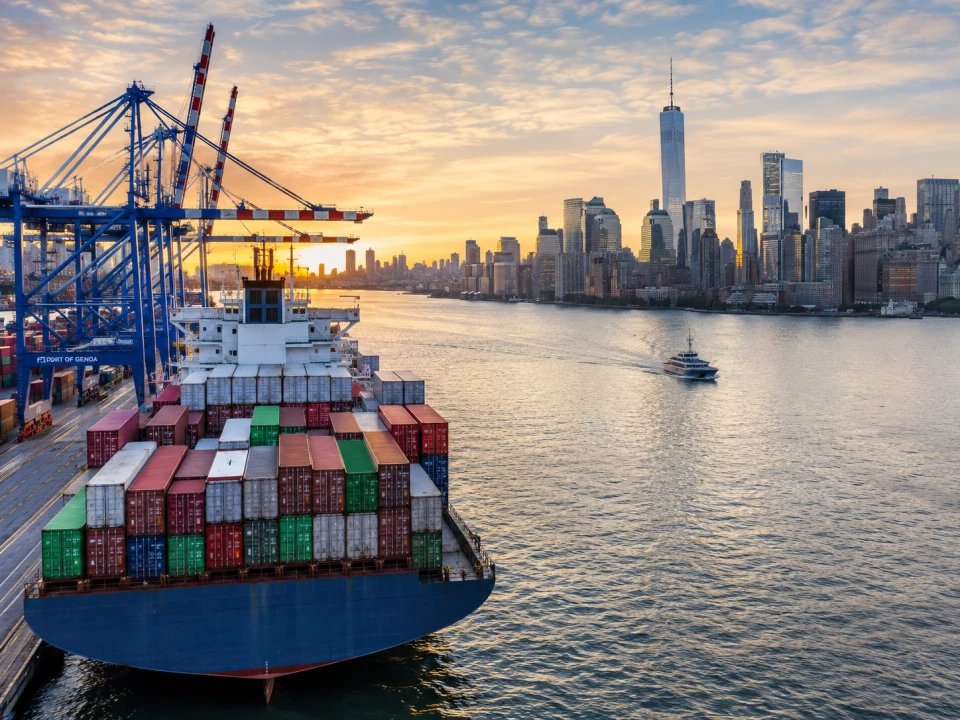
The debate comes at a delicate moment. Since the introduction of new U.S. tariffs on a range of European products, trade flows across the Atlantic have slowed significantly. According to Eurostat data, the value of goods exchanged between the European Union and the United States fell by roughly 30% during the first quarter of 2026 compared with the same period a year earlier. The decline has affected sectors that are particularly important to Italy, including machinery, automotive components, pharmaceuticals, food products, wine, and luxury goods.
Italy's approach, however, differs from that of some EU countries that favor a tougher response. Italian exporters remain heavily dependent on the American market, which absorbs approximately 10.8% of Italy’s total goods exports, making the United States one of the country's most important non-European trading partners. For many Italian companies, preserving access to American consumers is a higher priority than engaging in a prolonged tariff confrontation.
This divergence reflects broader economic realities. Germany and France tend to focus on strengthening the EU’s negotiating position through collective measures, while Italy often stresses the practical needs of manufacturers and exporters that have built decades-long commercial relationships with the United States. Italian industry groups warn that additional barriers on either side of the Atlantic could further disrupt supply chains and increase costs for businesses and consumers alike.
At the same time, Rome continues to support a coordinated European strategy. The goal is not to break ranks with Brussels but to encourage a solution based on negotiation rather than retaliation. Italian officials recognize that the United States remains the European Union’s largest export destination, accounting for nearly one-fifth of all EU goods exports, and that a prolonged trade conflict would damage both economies.
The result is a balancing act: supporting European unity while advocating for a pragmatic relationship with Washington. In an era marked by geopolitical uncertainty and shifting global supply chains, Italy appears determined to keep trade channels open, even when other voices within Europe call for a more confrontational approach.