

Italy has become one of Europe’s most active players in the development of smart cities, reaching a solid top-five position among EU countries. This shift comes from sustained investment in digital services, cleaner mobility, and urban policies designed to make daily life more efficient and environmentally responsible.
What once seemed like isolated experiments has grown into a national transformation spreading across regions and city sizes. Today, 13 Italian cities qualify as smart, placing the country fourth in Europe for the number of advanced urban centers.
Northern Italy stands out in particular, driven by stronger infrastructure, innovation programs and long-term planning. These regions have pushed the boundaries of what a modern Italian city can look like, integrating new technologies into public services, mobility systems and sustainability strategies.
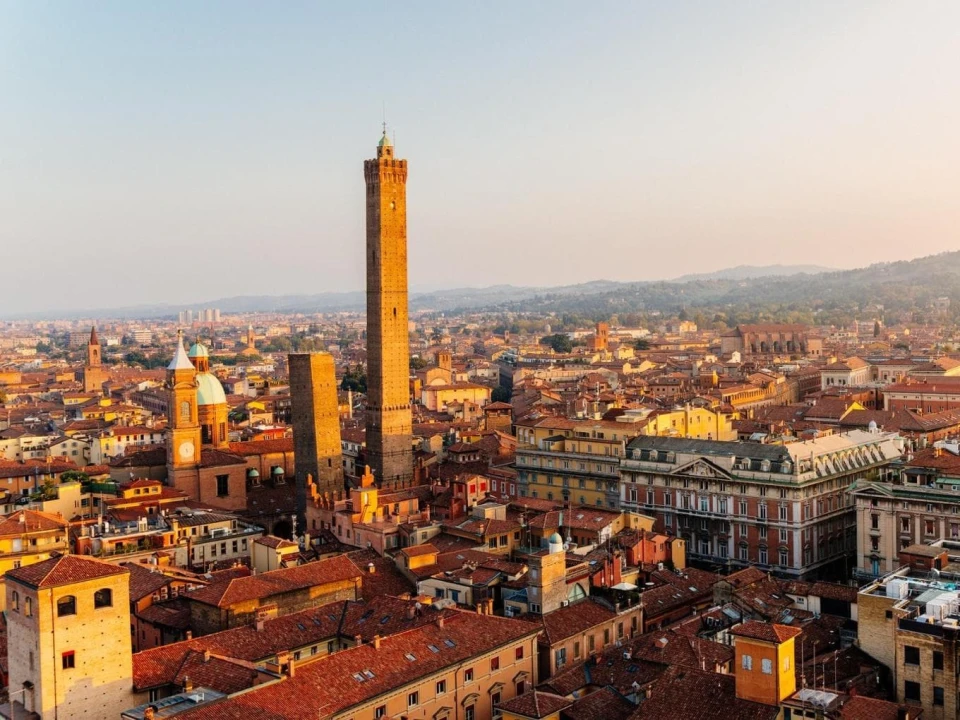
Bologna currently leads the Italian smart-city landscape. The city’s approach combines technological upgrades with strong social policies, ensuring that improvements in mobility, energy use and digital access benefit the entire population. Its model shows how a city can remain livable and welcoming while adopting innovative tools that make urban life easier and more connected.
Milan and Turin follow closely behind. Milan has expanded digital platforms for public administration, introduced wider access to shared and electric mobility, and launched neighborhood-level sustainability projects that link environmental goals with community needs. Turin, once defined by its industrial identity, is reshaping itself through urban IoT systems, cleaner transportation solutions and digital services aimed at families, commuters and local businesses. Both cities illustrate Italy’s ability to blend tradition with technological ambition.
Other urban areas are also making noticeable progress. Trento, Modena, Reggio Emilia, Florence, Cagliari, Venice and Rome each contribute to the national picture with their own priorities. Some cities focus on low-emission mobility networks, others on digital public services or environmental monitoring. Even complex cities like Rome and Venice are experimenting with tools that improve traffic management, sustainability and accessibility.
Sustainability remains a key driver of Italy’s smart-city evolution. Electric bus fleets, expanded cycling routes, low-impact mobility programs and climate-resilient planning are becoming more common. Alongside these changes, digitalization is accelerating: faster broadband, open-data initiatives, online municipal services and sensor-based systems that help manage waste, traffic flow and energy consumption. These upgrades aim not only to modernize infrastructure but also to improve quality of life while reducing long-term environmental impact.
Despite strong European performance, Italy still struggles to break into the top positions in global rankings. Many international indexes emphasize long-term resilience, extensive infrastructure modernization and innovation ecosystems, areas where Italy continues to lag behind leading cities in Asia and northern Europe. Closing that gap will require consistent investment and coordinated national strategies.
Even so, Italy’s overall direction is promising. Cities are moving from isolated pilot projects to coordinated, city-wide strategies. Urban spaces are becoming cleaner, mobility is improving, and digital tools are helping residents access services more quickly. As more cities adopt smart solutions, benefits will expand – from improved air quality to smoother transit systems and stronger civic participation.
Italy’s growing network of smart cities shows how innovation and sustainability can reinforce one another. With continued commitment, the country is positioned to build urban environments that are forward-looking, efficient and closely connected to the needs of their communities.