

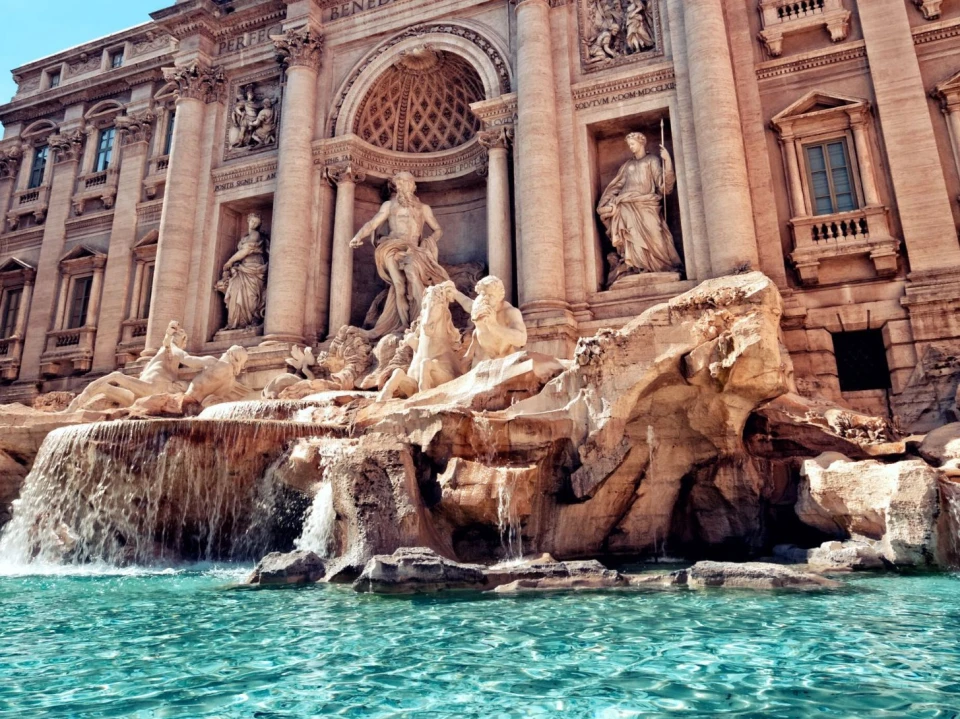
Starting February 1, 2026, Rome will introduce a new access system for the Trevi Fountain designed to better manage mass tourism while keeping the landmark open and free for city residents. Under the plan, visitors who want to enter the area closest to the fountain will pay a €2 ticket, while people officially residing in Rome will continue to have free access. City officials describe the measure as a way to balance preservation, safety, and the overwhelming popularity of one of the most visited sites in Europe.
The Trevi Fountain attracts extraordinary numbers. On average, more than 30,000 people visit the site every day, with peaks reaching 60,000 to 70,000 during holidays and peak travel seasons. Over the course of a year, total visitors are estimated at nearly 10 million. These volumes have increasingly strained the narrow square, creating safety concerns, long waits, and constant pressure on the 18th-century stone structure.
The new ticket will apply during set hours, from 9 a.m. to 10 p.m., and will grant access to the lower steps and the area immediately surrounding the basin. Outside those hours, access will remain free for everyone. The broader piazza will also stay open at all times, allowing people to see and photograph the fountain without paying, even during ticketed hours. City planners emphasize that the fee is not for viewing the monument itself, but for entering a controlled zone designed to reduce overcrowding.
Access limits are already in place. At any given moment, no more than 400 people are allowed near the fountain, a measure introduced to prevent damage and improve visitor flow. The ticket system is expected to make this process more efficient, with time-based entry and shorter lines. Tickets will be available online and at nearby kiosks, reducing informal queues that often block pedestrian traffic.
Revenue projections are significant. With millions of paid entries expected each year, the city estimates annual income could exceed €20 million. These funds will be reinvested in monument maintenance, street cleaning, security staff, digital ticketing systems, and crowd control infrastructure. Officials also note that the fountain requires constant upkeep due to pollution, humidity, and the continuous presence of visitors.
Several categories of visitors will be exempt from payment, including Roman residents, minors below a specified age, and people with disabilities and their companions. Schools based in the city will also maintain free access for educational visits. The exemption policy is intended to reinforce the idea that the Trevi Fountain remains a public space, not a museum behind walls.
The decision reflects a broader shift in how historic cities are responding to overtourism. Rather than restricting access entirely, Rome is experimenting with light regulation and symbolic pricing to protect heritage while keeping iconic places accessible. Supporters argue that €2 is a modest contribution given the global appeal of the site, while critics worry about the precedent of charging for public landmarks.
Whether praised or contested, the change marks a turning point. Beginning in 2026, visiting the Trevi Fountain up close will involve not just tradition and wonder, but also a new model for managing one of the world’s most famous public spaces.