There are three members of the Italian Parliament elected in the foreign electoral colleges that include the United States: two members of the House deputies and a Senator. Their jurisdiction is enormous: in addition to the United States, it also includes Canada, Mexico and Central America. Campaigning in such a large territory is very difficult, just as it is complicated to divide between voting in the Parliament in Rome and listening to their constituency on such a large territory on the other side of the Atlantic.
After the first nine months of legislature we met with the three members of the Italian Parliament who represent the "American" Italy. None of the three belongs to the majority: Francesca Alderisi in the Senate and Fucsia Fitzgerald Nissoli in the Chamber were elected with Forza Italia, while Francesca La Marca was elected to the Chamber in the PD. La Marca and Fitzgerald Nissoli have been confirmed, being already members of the House in the previous legislature; Alderisi is at her first political experience. The three of them represent 362,000 Italians with the right to vote (213,000 of them are living in the United States), 102,000 of whom have expressed their vote (56,000 of them living in the USA). We thank and welcome on We the Italians Francesca Alderisi, Fucsia Fitzgerald Nissoli and Francesca La Marca.
Senator, Congresswomen: in the election campaign of March 2018 dedicated to our fellow countrymen abroad, obviously dominated by issues relating to Italian communities living outside the Italian borders, there was a complete absence of issues relating to Italy itself. Do you consider this normal?
 FRANCESCA ALDERISI: In all these years in which I have been dealing with Italians abroad, the requests and problems complained of by our fellow countrymen have been the ones typical of those who live across the border; they reflect the needs of those who maintain a close bond with their country but are facing different problems from the Italians living in Italy. Sometimes, some critical issues concern only specific areas.
Obviously, the issues that are most closely related to our country are those carried out by the lists in which each elected abroad has ran.
 FUCSIA FITZGERALD NISSOLI: Allow me, without in any way wanting to seem provocative, to underline what appears to be a dyscrasia in the definition of issues concerning Italian citizens. There are no different types of citizens, let alone Italians. There is only one people whose citizens live partly at home and partly abroad ... as Italians, in fact. I believe that the profound meaning of the law establishing the foreign electoral colleges is not to divide the Italian spirit into two, but to recognize its unity. It is for this reason, for example, that during the election campaign I spoke of the "Italian System" in the world and of the role of the Italian communities in North and Central America, able to provide support for an overall plan that guarantees our country a driving force in the world economy.
Of course, I am not only talking about economic issues, but also about culture and social issues. We both know, for example, that most of the legal systems applied in Western countries are based on Roman law. Every day, Italians are recognized for their creativity, art and imagination, regardless of whether these results are achieved at home or abroad. Italians are, especially abroad, inclusive - it is part of our own culture - so, while remaining Italian, they contribute to the growth and welfare of the countries that host them. In this sense, I am sure that when we talk about Italians in the election campaign, defining some of them as residents abroad, we do so to make explicit a status, sometimes temporary, not the division of a people that no one has ever managed, in fact, to separate. Many Italians living abroad would like to return to Italy. A country that is in our heart, always, of which we share, even if thousands of miles away, the problems. And don't you think that each of us wants to be able to return to a modern country, in step with the times, competitive and prosperous? I can assure you, when we talk about Italianity, in general, we are talking about a feeling that is universally shared among those who are bound to it, I dare say, by a double thread.
In my journey among the Italian communities I found many people who live, in their own context, their Italian nature. Who proudly preserve their roots and suffer from the "distance" of the Italian institutions ... as well as the citizens who live in Italy do. Together with these people I faced the problems and verified the expectations in order to translate everything into institutional and political commitment, in the broadest sense of the term. I have found a lot of Italy abroad, much more than what I encounter within national borders and this is well known in a clear and unequivocal way, because Italians abroad have Italy at heart, they love it and they would never give up this love that lasts for life.
 FRANCESCA LA MARCA: No, it's not normal and it's not even right. Our communities in the world, while being well integrated into local realities, need, as the air they breathe, a good image and especially the good health of Italy.
As far as I'm concerned, I've always tried to talk about Italy and the Italians abroad in an intertwined way. I did so by honestly telling about my parliamentary experience. I joined Parliament in 2013 when the country was in full distress and all the indicators - economic, financial and social - were negative. The successive governments and the majorities that supported them have healed the country. I don't say it myself, the statistical indices and the international analysts do.
Only in the light of this difficult path has it been possible to reverse the course for the same policies of Italians abroad. As soon as the recovery began, to which our communities gave a great hand by supporting the internationalization of our production system and the success of Made in Italy, there were more resources for investment. This brought us the 150 million for the promotion of the Italian language and culture in the world, the consolidation of contributions for language courses to managing bodies, the hiring of about 300 staff for consular services after 10 years of blockade, one million more with my amendment for magazines in Italian abroad, the transfer to Consulates of about three million € per year coming from applications for citizenship, the strengthening of the contribution to the Italian Chambers of Commerce abroad, better financing of COMITES and CGIE.
On the other hand, if the two dimensions were not to be considered together, we would find it hard to understand even the things that are happening before our eyes, namely the resumption of emigration flows in many countries of Europe and the world.
Could you please list three particularly important issues that you addressed during the election campaign and that you also consider relevant in your agenda as a Member of Parliament elected by the Italians living in America?
FRANCESCA ALDERISI: Among the many requests and needs of Italians living overseas, the regaining of citizenship for those who have lost it as a result of expatriation is particularly important for me, because it is a sign of identity, of belonging. It is not a gift from Italy to its fellow countrymen who have emigrated abroad: it is a duty! Precisely for this reason, in the first session of the House available after the formation of the Government, I deposited a Bill so that those who were born in Italy and have lost their citizenship can return to being Italian citizens.
Moreover, I find it unfair to make Italians abroad pay the IMU tax on their first and only house in Italy as if it were their second one. In fact, there are many Italians in the world who still own a home in their country of origin and to whom they return as soon as they can. Those homes allow and have allowed generations of Italian descendants to learn about our culture, our traditions and our roots. They are like bridges connecting Italy with the rest of the world. In most cases, these properties have been inherited from relatives and are like trunks that contain memories of inestimable affective rather than economic value.
It is also essential to strengthen consular networks, as Consulates play a key role in assisting our compatriots abroad. They must be put in a position to work, with an adequate number of staff, according to the various needs. Unfortunately, however, they are often understaffed.
FUCSIA FITZGERALD NISSOLI: I've always worked to ensure that citizens residing abroad had the same rights as citizens residing in Italy, so that the sacrosanct constitutional rights of every Italian could be implemented regardless of their place of residence. Consequently, I think that among these topics, which are certainly not exhaustive, we can fully include the improvement of consular services, with the help of new information technologies ensuring the digitization of Consulates for the provision of services, including online; the mobility of young people, a topic that is strong to our attention for the resumption of youth emigration, especially with high know-how; and tax and social security parity.
In fact, I have been working on these issues since the last legislature and I continue to do so both with the legislative instruments of the Parliament and with the political ones, stimulating the Government to act in order to concretize the expectations of its fellow countrymen abroad.
I have asked for the revision of the Italy-US Social Security Agreement to allow Italian workers in the USA, formerly INPDAP, to benefit from the totalization of contributions paid, as well as those living in Italy and in the European Union.
I have urged the Government to start negotiations to revise this Agreement, and in recent days I have lodged a question on the subject with Ministers Di Maio and Moavero. I have worked to promote tax equality between Italians abroad and those resident in Italy.
In addition, I have fought in the bicameral Commission for the digitization so that even the Consulates could use the innovative systems that are being implemented on the national territory.
Finally, I would like to remind of the importance of activating virtuous policies for young people who go abroad, giving them the opportunity to return to their homeland with their cultural background. In the meantime I am working on the recognition of qualifications that greatly facilitates the free movement of professionals in a global society, and especially between Italy and North America.
FRANCESCA LA MARCA: First of all, I would like to point out the promotion of the Italian language and culture. It is the most prestigious international projection key that Italy has at its disposal, together with Made in Italy, and at the same time also the most effective glue between communities abroad and Italy. In North America, both in the USA and in Canada, on the other hand, some of the most interesting experiences of integrated teaching of Italian in local training systems were created in the past and continue today. In times of intercultural relations, we know how much this can be worth.
However, I also speak of it with one concern. The four-year fund for the promotion of the Italian language and culture, which has restored a series of measures cut off by previous cuts, is due to expire in 2020. The three-year budget we are examining does not provide for its extension. If it is not fixed, the whole system of cultural promotion abroad would be hit hard. That is why this is a priority commitment.
I would also like to point out the improvement of consular services. The remedies are now quite clear, it is a question of finding the resources to put them into practice: continuing to recruit permanent staff and contractors; speeding up administrative procedures with ever more up-to-date technology; supporting the work of Honorary Consuls, as I have constantly tried to do in recent years.
The solicitations of our fellow countrymen lead us, then, not to neglect the theme of the regaining of citizenship. There is a great deal of resistance, and it is feared that the new citizens will place an unbearable burden on the Consulates. But rights cannot be traded for administrative and financial constraints. Let us also take one step at a time, perhaps beginning to recognize citizenship to women who have lost it by marriage to a foreigner, and to their descendants. The essential thing is that we move forward on this issue, too.
We the Italians pays particular attention to the attacks in America that now almost permanently happen against Christopher Columbus. What is your thought on the matter, and what do you think can be done?
FRANCESCA ALDERISI: As I said a year ago during an interview in which the same question was asked, it's about the eternal conflict between memory and memories; those who want to defend them and those who see them from a modern perspective. History is full of conquerors and conquered: it is the history of the world. Winners always become heroes and the story of losers is often erased from the history of the world.
I find it pointless to fight against the brutality of one's ancestors. We are referring to events of hundreds and hundreds of years ago. However, it is not a question of a controversy against Italianity. America loves Italy and Italians.
FUCSIA FITZGERALD NISSOLI: The attack against Columbus, as if it were a "symbol" of evil, is the worst way, for some, to wash their conscience. Columbus has taken a fundamental step in the history of mankind, but he certainly cannot be made responsible for the actions that have followed his enterprise. Christopher Columbus challenged the Pillars of Hercules, alone, believing in his ideas. Nothing can be challenged to this genius; vice versa, Columbus Day is an act due to those who, for their ideas, have sacrificed everything. For us Italians it represents a strong element of cultural identity. Identity and history that have contributed to making the United States, the country that today feels proud to be.
That is why I have fought for the preservation of Columbus' memory. As the only member of parliament living in the United States for 29 years, after what happened in Los Angeles, where the City Council cancelled Columbus Day, I was concerned to act on an institutional level, presenting a motion in the Montecitorio Hall, so that the Italian Government could take political and diplomatic action to "safeguard the Italian cultural heritage in the U.S. and the figure symbolizing that heritage, embodied by Christopher Columbus.” I must say that, in the same spirit, I had already promoted, on behalf of the Italian Community in the USA, an appeal to President Trump asking him "to safeguard the figure of Christopher Columbus in the cultural and civil history of the United States of America!”
Columbus Day is the expression of a cultural heritage that is part of American history and which does not detract from the cultural heritage of other ethnic groups such as the Native Americans.
America should enhance the traditions of each one and Columbus embodies the figure of a man who binds America not only to Italy but to all of Europe and without Columbus there would be no America as it is today.
So we must defend what belongs to us but, at the same time, is a "heritage of humanity", and oppose with the force of reason all these attempts, sometimes violent, to remove the figure of Columbus from American history. In this sense, I believe that by safeguarding Columbus Day we must also support the right of indigenous peoples to have their own day of celebration; but I repeat, a day of celebration in which we can also participate and not a day that sweeps away Columbus Day! You do not build by destroying, you build by adding!
FRANCESCA LA MARCA: From the very first moment I considered unjust and in some ways aberrant the desecration campaign against Christopher Columbus, considered directly responsible for the genocide of native populations and forerunner of the most violent processes of colonization. And this not because I have the slightest doubt about the judgment to be expressed on the genocides of the natives and the profound distortions that colonization has determined on the environmental, social and ethnic balances of the Americas. There is nothing further from my liberal formation and my sympathetic nature.
I already previously said that the controversial role of Columbus as "colonizer" should be entrusted to historians who have yet to give us a documented and argued version of the events referred to. At the same time, it is necessary to reaffirm an incontrovertible truth, namely that the "myth" of Columbus is linked to the idea of discovery, evolution and affirmation of a society that has managed to act as an essential reference of the modern world. Columbus’ flag in America has also been raised by an immigrant component, the Italian one, which not only has nothing to do with colonialism, but that started from the last steps of the social ladder to climb it only thanks to work and to the contribution it has been able to give to the modernization and security of its new country.
We must not hesitate, therefore, to defend this contribution and the driving role that in this sense the "myth" of Columbus had. For the benefit of all.
What to do? To support the cultural and civil confrontation with an open face, strong of our good reasons and of the positivity of our historical presence. It's a long drawn-out battle, but we have to do it with conviction and serenity, helped by the Italian American intellectuals who have been strengthening the reasons for their and our identity for years.
There has been talk for some time of a structural reform of the entire system of the representation of Italians abroad, which today sees the overlapping of members of the Parliament elected abroad, members of the CGIE and those of the COMITES. What do you think about this?
FRANCESCA ALDERISI: I've been following for years the reality of the various institutions that represent our fellow countrymen in the world. For many years I have interviewed and listened to many of those who are part of it: people who strongly believe in their mission. These institutions play an important role, allowing us to have a complete picture of the issues of Italians in the world. Any reform must start from what already exists: to trace the future of this system of representation we must draw from the past. In the good practices of the past we can find the roots of the future.
Moreover, I think it is crucial that the younger generations, who are almost completely unaware of these institutions, intervene and are adequately involved in this debate. In fact, the numbers of Italians leaving our country show that it is mainly young people who leave: more than a third of the total, in the last year.
FUCSIA FITZGERALD NISSOLI: The law clearly entrusts different tasks to different degrees of representation, so I don't see the overlap. If anything, it would be necessary to activate good practices in order to implement more synergistic actions for the good of the Italian Community abroad.
Having said that, it is normal to reform the rules of representation to meet the changed situation of society and consequently also of the contexts of emigration. Therefore, I hope that the debate that will start will take into account the changes that have taken place, in particular the great Italian youth reality that lives abroad.
Today, the problem is how to reform voting abroad, how to better involve Italians abroad in parliamentary and non-parliamentary representation and make voting safe also by introducing new technologies. Instead, at a time when the number of Italian citizens abroad is increasing, there are those who want to reduce the number of the members of Parliament representing them, who already today are not in proportion to the large number of AIRE members. So if you don't want to increase them, don't even decrease them, otherwise you won't be able to do a minimum of parliamentary work that is an expression of the territory. The problem, therefore, today, is how to review the forms of participation in the vote of Italians abroad making sure that they participate in a widespread way. Perhaps the use of new technologies and adequate information could help to increase participation. The voting system we have used so far has been sufficiently tested to understand that there is a need to renew and innovate it, but to do this requires a deep reflection on the role and function of the Foreign Electoral Colleges in the light of the changes taking place.
FRANCESCA LA MARCA: Frankly, I do not believe that there is an overlap between the different levels of representation of Italian citizens abroad, but rather a need for increasingly clear specification of roles as a prerequisite for a more organic and consistent collaboration between them.
I would like to remind that, on the basis of our Constitution, each member of the Parliament represents the Italian people "without any mandate", even if, of course, my attention and my commitment are directed above all to the service of my fellow countrymen of the electoral college where I was elected.
The COMITES, as basic bodies for the protection and promotion of our communities, would need a priority reform: to have the resources and autonomy necessary to fully carry out the tasks assigned to them by law. That is why, last year, with our amendment, we were able to double the contributions, while this year this improvement does not appear in the budget proposal.
The CGIE, in turn, is improving its connection with the COMITES and strengthening its dialogue with the members of the Italian Parliament; it is also experiencing a phase of active dialogue with the Ministry of Foreign Affairs.
The members of the Italian Parliament, it should be remembered, have the right to speak directly with the Government and to monitor its actions, both through questions, motions, etc.. They also have the opportunity to submit proposals for legislation on issues of primary sensitivity of Italians abroad, such as citizenship, language and culture, consular services and more.
In short, it seems to me that the field is already well covered by the existing instruments and regulations. The real problem is that the Italians abroad, if compared to the importance they have and to their potential, through their representatives still have little impact. So I would see the remedy more in a unitary commitment of these different bodies and in the elaboration of coordinated and incisive programs.
What should Italy do to better promote itself to Italian Americans and better recognize their status as important resources for our country?
FRANCESCA ALDERISI: The “return tourism” of Italian Americans must be encouraged, promoting their return to Italy in family homes. It is a resource with great value, which can draw from a pool of millions of people, not only in the United States but throughout the world: a potential audience of about eighty million Italians abroad and their descendants. The ENIT - National Tourism Agency estimates that this phenomenon, only from the American continent, could bring about six hundred and seventy thousand arrivals a year in our country, generating a turnover of around six hundred and fifty million euros. Every year many of our fellow countrymen return to Italy moved by attachment and belonging. Here they rediscover their roots and their affections. The tourism originated by Italians abroad favors possible investments in the places of origin and represents a possible solution to the problem of depopulation of small communities.
Moreover, only those who know the colorful world of the associationism of our fellow countrymen across the border, which I have often told on Rai International in the past, understand how precious this is for Italy. The reality of associationism designs like a second Italy that reproduces authentic and pure Italy; it is like a splendid postcard of our country that moves through the streets of the United States and around the world.
FUCSIA FITZGERALD NISSOLI: If for some reason they weren't anymore, we should make them fall in love again with our country and I am referring above all to the new generations. The blood of Italy, its vital organs, are and remain the immense cultural, artistic and historical heritage that Italian people have left throughout the peninsula (and, very often, not only there).
We must push our children or those who today are grandchildren, the great-grandchildren of the first migrants, to return home. To discover, thus also creating virtuous tourist flows, their origins that - visiting the country – they will see clear in front of their eyes.
Love for Italy is not lost: it can be dormant, but when even the youngest will return to the places of their fathers or their grandparents, they will know that they have been called by the "strength of the heart".
Imagine how many of those "little towns" from which hundreds of fellow citizens have left - trusting and with hope in their hearts - and which today are sometimes abandoned, could live again thanks to this love.
I think that with this certainty it is necessary to encourage these flows and build a real tourist system "of the origins" able to ensure that tourists, returning to the places of their ancestors, experience the territory and relive the moments of life of their ancestors with the traditions that animate our ancient villages.
It is a matter of giving the possibility to know also an Italy different from that of the great international tourist circuits that could help the local development avoiding, therefore, that such realities will be abandoned by the young people.
FRANCESCA LA MARCA: The Italian Americans are on the one hand the most conspicuous and economically gifted background that Italy has in the world, and on the other a laboratory of excellence expressed by the emigration of that reality and by the phenomena of new emigration that have been going on for years. Also, Italy shouldn’t neglect the opportunity to enjoy the lobbying function that they can exert on the American government towards our country. It is therefore of primary interest for Italy to relate to them with constant and innovative interventions.
I'd think of different levels of promotion:
- the promotion for the new generations of Italian descendants, linked above all to language and culture, to new forms of communication and to the proposal of a pleasant and attractive Italian way of life;
- the one for the most consolidated generations, developing with even more effective actions the return tourism;
- that for the economic, financial and professional elites, based on a high-level scouting of the possibilities of commercial and professional interrelation with Italy and on the search for possible investments in Italy;
- for cultural and scientific excellence, aimed on the one hand at making known figures and experiences that multiply and distinguish themselves in an active environment like the North American one, and on the other hand at maintaining relationships of knowledge and collaboration with Italy, so that the energies that are forced to leave our country for lack of opportunities or that choose to do so for a free decision are not definitively lost.
I believe that a different and more active relationship with the Italian American milieu can also benefit those who, especially among intellectuals and in the academic world, have been working for years to strengthen the historical and cultural identity of Italian Americans in an intercultural framework such as the one we are experiencing.
Could you please name one of the many people you met in the election campaign and during these first months of your mandate, who represents well the merits and love for Italy of our Italian-American or Italian compatriots born here and then emigrated to America?
FRANCESCA ALDERISI: The love for Italy is hidden among the common people. In recent months, my destiny has crossed with that of many people who claim and proudly show their deep and visceral bond with our country. Among these, I still remember Stephanie Longo, an Italian American writer who lives in Scranton, Pennsylvania. I met her on my recent trip to Boston on the occasion of "Idea Boston", a festival dedicated to Italian and American culture, and I had the pleasure of attending a presentation of her: a touching story about the preservation of our traditions, our history and her latest book. In her words and in her eyes I found an enthusiasm and an attachment for our country that is rarely found in those who live in Italy. Her passion for the land of her ancestors is a wave that no one can escape, it's like a hug that wraps you and transports you to our beloved Italy. In her I have seen that love for Italians in the world that I have cultivated with care over all these years.
FUCSIA FITZGERALD NISSOLI: One name? Only one? Impossible. Each person I met represents a particular aspect of Italianity and as a whole Italianity itself: from the pensioner to the researcher, from the mother to the manager. Everyone has in their history those values and human characteristics that allow us to have an extra gear. When I met many of my fellow countrymen who recently emigrated to the United States, I was particularly struck by their passion and love for everything related to Italy, from the language to the Italian flag. People proud to promote, on a daily basis, their own history and culture.
After all, we are Italian in every aspect, in every action, in every word, attitude and, above all, in every smile. Do you know how beautiful the smile of us Italians is? If you really want me to make a choice ... well, then, our smile.
FRANCESCA LA MARCA: I won't do any, not for the embarrassment of choosing or for the fear of displeasing someone, but because in the course of my activity I have really developed the conviction that the Italian community abroad is a true choral reality, an articulated and interconnected collective subject. I could not keep my relations with the electorate without the selfless help of all those who work in the territory in associationism. They do it with passion, dedication, patience, inspired by healthy values and a work ethic that has been forged in the long process of integration and inclusion in societies other than that of birth and training.
I sincerely say that without their support and also the help of the many who write to me not only to encourage me, but also to advise me, I could not do well the delicate work I do or I could not do it with the "charge" necessary to get results.
I take this opportunity to thank them and to say that their presence and their help are a guarantee for all Italians abroad.
Ci sono tre parlamentari italiane elette nella circoscrizione estera che include gli Stati Uniti: due deputate e una senatrice. La loro circoscrizione di competenza è enorme: oltre agli Stati Uniti include anche il Canada, il Messico e l’America Centrale. Fare campagna elettorale in un territorio così ampio è difficilissimo, così come è complicato dividersi tra la rappresentanza in aula a Roma e l’ascolto sul territorio così grande dall’altra parte dell’Atlantico.
Dopo i primi nove mesi di legislatura siamo andati a trovare le tre parlamentari che rappresentano l’Italia “americana”. Nessuna delle tre è in maggioranza: Francesca Alderisi in Senato e Fucsia Fitzgerald Nissoli alla Camera sono state elette con Forza Italia, mentre Francesca La Marca è stata eletta alla Camera nel PD. La Marca e Fitzgerald Nissoli sono state confermate, essendo già deputate nella precedente legislatura; Alderisi è alla sua prima esperienza politica. In tre rappresentano 362.000 italiani aventi diritto (di cui 213.000 negli Stati Uniti), di cui 102.000 hanno espresso il loro voto (di questi 56.000 vivono negli USA). Ringraziamo e diamo il benvenuto su We the Italians a Francesca Alderisi, Francesca La Marca e Fucsia Fitzgerald Nissoli.
Onorevole, nella campagna elettorale dello scorso marzo dedicata ai nostri connazionali all’estero, ovviamente dominata dagli argomenti relativi alle comunità italiane che vivono fuori dei confini italiani, si è notata la completa assenza dei temi riguardanti l’Italia in sé per sé. Lo ritiene normale?
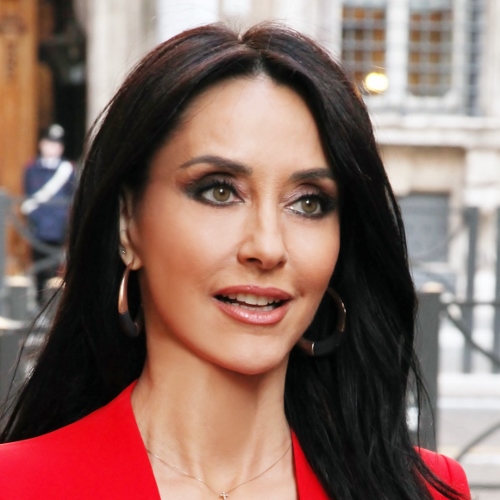 FRANCESCA ALDERISI: In tutti questi anni in cui mi sono occupata di italiani nel mondo, le richieste e le problematiche lamentate dai nostri connazionali sono state quelle tipiche di chi vive oltre confine; rispecchiano le esigenze di chi mantiene un legame stretto con il suo Paese ma si trova ad affrontare problemi differenti dagli italiani che vivono in Italia. A volte, alcune criticità interessano solo specifiche aree.
Ovviamente, i temi che sono più strettamente attinenti al nostro Paese sono quelli portati avanti dalle liste in cui ciascun eletto all’estero si è candidato.
FUCSIA FITZGERALD NISSOLI: Mi permetta, senza in alcun modo voler sembrare provocatoria, di sottolineare quella che appare una discrasia nella definizione dei temi riguardanti i cittadini italiani. Non vi sono differenti tipi di cittadini né, tantomeno, di italiani. Esiste un solo popolo i cui cittadini vivono in parte in Patria ed in parte all'estero … da italiani, appunto. Ritengo che il significato profondo della legge che istituisce i collegi esteri non è quello di dividere in due l'italianità, ma di riconoscerne l'unitarietà. È per questo, ad esempio, che nel corso della campagna elettorale io ho parlato di “Sistema Italia” nel mondo e del ruolo delle Comunità italiane in Nord e Centro America, in grado di apportare il sostegno ad un disegno complessivo che garantisca, al nostro Paese, un traino nell'economia mondiale.
Ovviamente non mi riferisco unicamente a temi di economia ma anche di cultura e sociali. Entrambi sappiamo, ad esempio, che la maggior parte dei sistemi legali, applicati nei Paesi occidentali ha, come base, il diritto romano. Ogni giorno si riconosce agli italiani il loro estro, creatività ed arte e questo a prescindere che tali risultati vengano conseguiti in Patria o all'estero. Gli italiani sono, soprattutto all'estero, inclusivi – è parte della nostra stessa cultura – per questo, pur rimanendo italiani, contribuiscono alla crescita ed al benessere dei Paesi che li ospitano. In questo senso io sono certa che, quando in campagna elettorale si parla di italiani, definendo taluni residenti all'estero, lo si fa per esplicitare uno status, talvolta provvisorio, non la divisione di un popolo che nessuno è mai riuscito, di fatto, a separare. Molti italiani che risiedono all'estero vorrebbero tornare in Italia. Un Paese che alberga nel nostro cuore, sempre, di cui condividiamo, se pure a migliaia di chilometri di distanza, le problematiche. E non crede che ciascuno di noi voglia poter tornare in un Paese moderno, al passo con i tempi, competitivo e florido? Le assicuro, quando si parla di italianità, in generale, si parla di un sentimento universalmente condiviso fra coloro che vi sono legati, oserei dire, a doppi filo.
Nel mio viaggio tra le Comunità italiane ho trovato tanta gente che vive, nel proprio contesto, la sua italianità. Che conserva con orgoglio le radici e che soffre la “distanza” delle istituzioni italiane … così come la lamentano i cittadini in Patria. Insieme a queste persone ho affrontato i problemi e verificato le attese per poter poi tradurre il tutto in impegno istituzionale e politico, nel senso più ampio del termine. Ho trovato molta Italia all’estero, molto più di quella che incontro dentro i confini nazionali e questo è bene che si sappia in maniera chiara ed inequivocabile, perché gli italiani all’estero hanno a cuore l’Italia, l’amano e non rinuncerebbero mai a questo amore che dura per la vita.
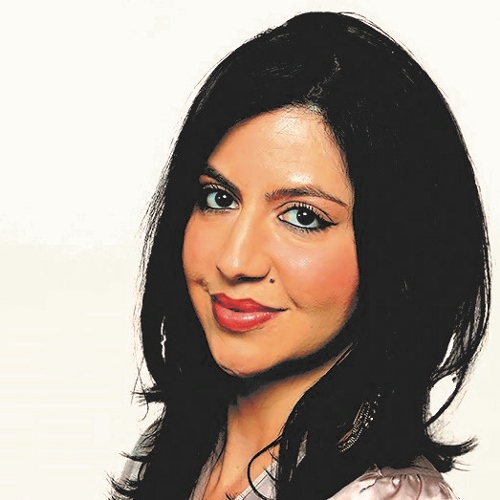 FRANCESCA LA MARCA: No, non è normale e nemmeno giusto. Le nostre comunità nel mondo, pur essendo ben integrate nelle realtà locali, hanno bisogno, come dell’aria che si respira, di una buona immagine e soprattutto della buona salute dell’Italia.
Per quanto mi riguarda, ho sempre cercato di parlare in modo intrecciato dell’Italia e degli italiani all’estero. L’ho fatto raccontando con sincerità la mia esperienza parlamentare. Sono entrata in Parlamento nel 2013 quando il Paese era in piena sofferenza e tutti gli indici - economici, finanziari e sociali – erano negativi. I governi che si sono succeduti e le maggioranze che li hanno sostenuti l’hanno risanato. Non lo dico io, ma gli indici statistici e gli analisti internazionali.
Solo alla luce di questo faticoso percorso è stato possibile invertire la rotta per le stesse politiche degli italiani all’estero. Non appena si è affacciata la ripresa, alla quale una grande mano hanno dato le nostre comunità sostenendo l’internazionalizzazione del nostro sistema produttivo e il successo del made in Italy, ci sono state più risorse per gli investimenti. Sono arrivati così i 150 milioni per la promozione della lingua e della cultura italiane nel mondo, il consolidamento dei contributi per i corsi di lingua agli enti gestori, l’assunzione di circa 300 unità di personale per i servizi consolari dopo 10 anni di blocco, un milione in più con un mio emendamento per i periodici in italiano all’estero, il trasferimento ai consolati di circa tre milioni annui provenienti dalle domande di cittadinanza, il rafforzamento del contributo alle Camere di commercio italiane all’estero, un migliore finanziamento di COMITES e CGIE.
D’altro canto, se non si tenessero insieme le due dimensioni, stenteremmo a capire anche le cose che accadono sotto i nostri occhi, vale a dire la ripresa dei flussi di emigrazione in molti Paesi dell’Europa e del mondo.
Le chiediamo di elencarci tre temi particolarmente importanti che ha affrontato in campagna elettorale e che lei ritiene rilevanti anche nella sua agenda di Parlamentare eletta dagli italiani che vivono in America
FRANCESCA ALDERISI: Tra le molte richieste ed esigenze degli italiani che vivono oltreoceano, il riottenimento della cittadinanza per chi l’ha persa in seguito ad espatrio è per me particolarmente importante poiché rappresenta un segno d’identità, di appartenenza. Non è un regalo dell’Italia verso i suoi connazionali emigrati all’estero: è un dovere! Proprio per questo, nella prima seduta d’Aula disponibile dopo la formazione del Governo, ho depositato un Disegno di Legge affinché chi è nato in Italia ed ha perso la cittadinanza possa tornare ad essere cittadino italiano.
Inoltre, trovo iniquo far pagare agli italiani all’estero l’IMU sulla loro prima ed unica casa in Italia come fosse la loro seconda. Sono infatti molti gli italiani nel mondo che ancora possiedono un’abitazione nel paese di origine e in cui vi ritornano appena possono. Quelle abitazioni permettono e hanno permesso a generazioni di discendenti italiani di conoscere la nostra cultura, le nostre tradizioni e le nostre radici. Sono come dei ponti che collegano l’Italia con il resto del mondo. In gran parte dei casi, queste proprietà sono state ereditate da parenti e sono come dei bauli che contengono ricordi dall’inestimabile valore affettivo più che economico.
È altresì fondamentale rafforzare le reti consolari poiché i Consolati svolgono un ruolo di primaria importanza nell’assistenza ai nostri connazionali all’estero. Essi devono essere messi nelle condizioni di lavorare, con un organico adeguato, alle varie necessità. Purtroppo, invece, sono spesso carenti di personale.
FUCSIA FITZGERALD NISSOLI: Ho sempre lavorato affinché i cittadini residenti all’estero avessero gli stessi diritti dei cittadini residenti in Italia, affinché fossero messi in pratica i sacrosanti diritti costituzionali di ogni italiano indipendentemente da luogo di residenza. Di conseguenza penso che tra questi temi, certamente non esaustivi, possano rientrare a pieno titolo il miglioramento dei servizi consolari, con l’ausilio delle nuove tecnologie informatiche assicurando la digitalizzazione dei consolati per l’erogazione di servizi anche online; la mobilità dei giovani, un tema che si presenta forte alla nostra attenzione per la ripresa dell’emigrazione giovanile soprattutto ad alto know-how; e la parità fiscale e previdenziale.
Infatti, ho lavorato a questi temi sin dalla scorsa legislatura e continuo a farlo sia con gli strumenti legislativi, propri del Parlamento, che con quelli politici, stimolando il Governo ad agire per concretizzare le attese dei connazionali all’estero.
Ho chiesto la revisione dell’Accordo di sicurezza sociale Italia-USA per permettere anche ai lavoratori italiani in USA ex INPDAP di usufruire della totalizzazione dei contributi versati al pari di quelli residenti in Italia e nell’Unione Europea.
Ho pungolato il Governo ad avviare il negoziato per rivedere tale Accordo, ed in questi giorni ho depositato un'interrogazione in materia ai Ministri Di Maio e Moavero. Ho lavorato per favorire la parità fiscale tra gli italiani all’estero e quelli residenti in Italia.
Inoltre, mi sono battuta nella Commissione bicamerale per la digitalizzazione affinché anche i Consolati potessero usare i sistemi innovativi che si stanno implementando sul territorio nazionale.
Infine, mi preme molto ricordare l’importanza di attivare delle politiche virtuose per i giovani che vanno all’estero, dando loro la possibilità di tornare in Patria con il loro bagaglio culturale. Nel frattempo sto lavorando al riconoscimento dei titoli di studio che agevola molto la libera circolazione dei professionisti nella società globale e soprattutto tra Italia e Nord America.
FRANCESCA LA MARCA: Indico prima di tutto la promozione della lingua e della cultura italiana. E’ la chiave di proiezione internazionale più prestigiosa che l’Italia ha a sua disposizione, assieme al made in Italy, e nello stesso tempo anche il collante più efficace tra le comunità all’estero e l’Italia. In Nord America, sia in USA che in Canada, per altro, sono state realizzate in passato e continuano oggi esperienze tra le più interessanti di insegnamento integrato dell’italiano nei sistemi formativi locali. In tempi di relazioni interculturali, si sa quanto questo possa valere.
Ne parlo, tuttavia, anche con una preoccupazione. Il Fondo quadriennale per la promozione della lingua e cultura italiana, che ha ristorato una serie di misure falcidiate dai tagli precedenti, è in scadenza nel 2020. Nel bilancio triennale che stiamo esaminando non se ne prevede il prolungamento. Se non si pone rimedio, l’intero sistema della promozione culturale all’estero riceverebbe un colpo durissimo. Ecco perché si tratta di un impegno prioritario.
Sento di indicare, ancora, il miglioramento dei servizi consolari. I rimedi sono ormai abbastanza chiari, si tratta di trovare le risorse per metterli in pratica: continuare nelle assunzioni di personale di ruolo e di contrattisti; velocizzare i procedimenti amministrativi con sempre più aggiornate tecnologie; sostenere l’operato dei Consoli Onorari, come ho cercato costantemente di fare in questi anni.
Le sollecitazioni dei connazionali ci inducono, poi, a non trascurare il tema del riacquisto della cittadinanza. Ci sono molte resistenze, si teme che i nuovi cittadini possano gravare i consolati di un peso insopportabile. Ma i diritti non si possono barattare con le ristrettezze amministrative e finanziarie. Si faccia pure un passo per volta, magari incominciando a riconoscere la cittadinanza alle donne che l’hanno perduta per matrimonio con uno straniero, e ai loro discendenti. L’essenziale è che anche su questo si cammini in avanti.
We the Italians è particolarmente attenta agli attacchi che in America accadono ormai quasi stabilmente contro Cristoforo Colombo. Qual è il suo pensiero in merito, e cosa pensa si possa fare?
FRANCESCA ALDERISI: Come mi è capitato di affermare già un anno fa durante un’intervista in cui mi veniva posta la stessa domanda, si tratta dell’eterno conflitto tra la memoria ed i ricordi; chi vuole difenderli e che li vede da una prospettiva moderna. La storia è piena di conquistatori e conquistati: è la storia del mondo. I vincitori diventano sempre eroi e la storia dei perdenti viene spesso cancellata dalla storia del mondo.
Trovo inutile accanirsi contro la brutalità dei propri avi. Ci riferiamo ad eventi di centinaia e centinaia di anni fa. Non si tratta comunque di una polemica contro l’italianità. L’America ama l’Italia e gli italiani.
FUCSIA FITZGERALD NISSOLI: L'attacco a Colombo, come se fosse “un simbolo” del male, è il modo peggiore, per alcuni, di lavarsi la coscienza. Colombo ha compiuto un passo fondamentale per la storia dell'umanità, ma non può essere certamente reso responsabile degli atti che si sono succeduti alla sua impresa. Cristoforo Colombo ha sfidato le colonne d'ercole, solo, credendo nelle sue idee. A questa genialità non può essere contestato alcunché; viceversa, il Columbus Day è un atto dovuto verso chi, per le sue idee, ha sacrificato tutto. Per noi italiani rappresenta un forte elemento di identità culturale. Identità e storia che hanno contribuito a fare degli Stati Uniti, il Paese che oggi si sente orgoglioso di essere.
Per questa ragione mi sono battuta affinché fosse preservata la memoria di Colombo. Come unica parlamentare residente negli USA da 29 anni, dopo quello che è accaduto a Los Angeles, dove il Consiglio comunale ha cancellato il Columbus Day, mi sono preoccupata di agire sul piano istituzionale, presentando una mozione nell’Aula di Montecitorio, affinché il Governo italiano si attivasse sul piano politico e diplomatico per “salvaguardare l’eredità culturale italiana in Usa e la figura simbolo di tale eredità, incarnata da Cristoforo Colombo”. Devo dire che con lo stesso spirito avevo già promosso, a nome della Comunità italiana in USA, un appello al Presidente Trump chiedendogli “di salvaguardare la figura di Cristoforo Colombo nella storia culturale e civile degli Stati Uniti d'America!”.
Il Columbus Day è l’espressione di un patrimonio culturale che fa parte della storia americana e che niente toglie all’eredità culturale di altre etnie come quella dei nativi.
L’America dovrebbe valorizzare le tradizioni di ciascuno e Colombo incarna la figura di un uomo che lega l’America non solo all’Italia ma a tutta l’Europa e senza Colombo non ci sarebbe l’America così come è oggi.
Allora dobbiamo difendere ciò che ci appartiene ma che, al contempo, è un “patrimonio dell'umanità” e contrastare con la forza della ragione tutti questi tentativi, a volte anche violenti, di rimozione della figura di Colombo dalla storia americana. In questo senso credo che salvaguardando il Columbus Day dobbiamo anche sostenere il diritto delle popolazioni indigene ad avere un proprio giorno celebrativo; ma ripeto, un proprio giorno celebrativo al quale possiamo partecipare anche noi e non un giorno che spazzi via il Columbus Day! Non si costruisce distruggendo ma aggiungendo!
FRANCESCA LA MARCA: Fin dal primo momento ho considerato ingiusta e per certi versi aberrante la campagna di dissacrazione contro Cristoforo Colombo, considerato diretto responsabile di genocidio di popolazioni native e apripista dei processi più violenti di colonizzazione. E questo non perché abbia il minimo dubbio sul giudizio da esprimere sui genocidi dei nativi e sulle distorsioni profonde che la colonizzazione ha determinato sugli equilibri ambientali, sociali ed etnici delle Americhe. Non c’è cosa più lontana dalla mia formazione liberale e dalla mia indole solidaristica.
Ho già detto a suo tempo che il controverso ruolo di Colombo “colonizzatore” va affidato agli storici che devono ancora restituirci una versione documentata e argomentata delle vicende cui si fa riferimento. Nello stesso tempo, è necessario riaffermare una verità incontrovertibile, vale a dire che il “mito” di Colombo è legato all’idea di scoperta, di evoluzione e affermazione di una società che è riuscita a porsi come un riferimento essenziale del mondo moderno. Il vessillo di Colombo in terra d’America è stato inalberato, inoltre, da una componente immigrata, quella italiana, che non solo non ha nulla a che vedere con il colonialismo, ma che è partita dagli ultimi gradini della scala sociale per risalirla solo con il lavoro e con il contributo che ha saputo dare alla modernizzazione e alla sicurezza del suo nuovo Paese.
Non dobbiamo avere nessuna esitazione, dunque, a difendere questo apporto e il ruolo propulsivo che in questo senso il “mito” di Colombo ha avuto. A beneficio di tutti.
Che fare? Sostenere il confronto culturale e civile a viso aperto, forti delle nostre buone ragioni e della positività della nostra presenza storica. Si tratta di una battaglia di lunga lena, ma dobbiamo farla con convinzione e serenità, aiutati dagli intellettuali italoamericani che da anni stanno rafforzando i motivi della loro e della nostra identità.
Si parla da tempo di una riforma strutturale dell’intero sistema di rappresentanza degli italiani all’estero, che oggi vede sovrapporsi i parlamentari eletti all’estero, i membri del CGIE e quelli del COMITES. Lei cosa ne pensa?
FRANCESCA ALDERISI: Seguo da anni la realtà delle varie istituzioni che rappresentano i nostri connazionali nel mondo. Per molti anni ho intervistato e ascoltato molti di quelli che ne fanno parte: persone che credono fortemente nella loro missione. Queste istituzioni rivestono un ruolo importante, permettendo di avere un quadro completo sulle questioni degli italiani nel mondo. Qualsiasi riforma deve ripartire da ciò che già esiste: per tracciare il futuro di questo sistema di rappresentanza occorre attingere dal passato. Nelle buone pratiche del passato ci sono le radici del futuro.
Inoltre, penso che sia cruciale che in questo dibattito intervengano e siano adeguatamente coinvolte le giovani generazioni, che sono quasi completamente all’oscuro di queste istituzioni. Infatti, i numeri relativi agli italiani che lasciano il nostro Paese testimoniano che sono soprattutto i giovani a partire: più di un terzo del totale, nell’ultimo anno.
FUCSIA FITZGERALD NISSOLI: La legge affida chiaramente compiti diversi a diversi gradi di rappresentanza, quindi non vedo la sovrapposizione. Caso mai sarebbe necessario attivare delle buone pratiche in modo da porre in essere azioni più sinergiche per il bene della Comunità italiana all’estero.
Detto questo, è normale riformare le regole della rappresentanza per venire incontro alla mutata situazione della società e quindi anche dei contesti di emigrazione. Pertanto, spero che il dibattito che si avvierà terrà conto dei cambiamenti avvenuti, in particolare di quella grande realtà giovanile italiana che vive all’estero.
Oggi il problema è come riformare il voto all’estero, come coinvolgere meglio gli italiani all’estero nella rappresentanza parlamentare e non e rendere sicuro il voto anche introducendo nuove tecnologie. Invece, in un momento in cui i cittadini italiani all’estero aumentano, c’è chi vuole ridurre il numero dei parlamentari che li rappresenta, che già oggi non sono proporzionati al numero consistente di iscritti AIRE. Allora se non li si vuole aumentare neanche li si diminuisca altrimenti non si riesce a svolgere un minimo di lavoro parlamentare che sia espressione del territorio. Il problema, quindi, oggi, è come rivedere le forme di partecipazione al voto degli italiani all’estero facendo in modo che essi partecipino in maniera diffusa. Forse l’uso delle nuove tecnologie e una adeguata informazione potrebbero aiutare ad aumentare la partecipazione. Il sistema di voto che abbiamo usato fino ad ora è stato sufficientemente sperimentato per capire che c’è bisogno di rinnovarlo e innovarlo, ma per fare ciò è necessaria una riflessione profonda sul ruolo e sulla funzione della Circoscrizione Estera alla luce dei cambiamenti in atto.
FRANCESCA LA MARCA: Francamente non credo che vi sia una sovrapposizione tra i diversi livelli di rappresentanza dei cittadini italiani all’estero, semmai un’esigenza di sempre più chiara specificazione di ruoli come premessa ad una più organica e coerente collaborazione tra di loro.
Voglio ricordare che ciascun parlamentare, in base alla nostra Costituzione, rappresenta il popolo italiano “senza vincolo di mandato”, anche se, naturalmente, la mia attenzione e il mio impegno sono rivolti soprattutto al servizio dei connazionali della ripartizione nella quale sono stata eletta.
I COMITES, come organismi di base di tutela e promozione delle nostre comunità, avrebbero bisogno di una prioritaria riforma: avere le risorse e l’autonomia necessarie per realizzare compiutamente i compiti loro assegnati dalla legge. Per questo, l’anno scorso con un nostro emendamento siamo riusciti a raddoppiare i contributi, mentre quest’anno questo miglioramento non ricompare nella proposta di bilancio.
Il CGIE, a sua volta, sta perfezionando il suo raccordo con i COMITES e rafforzando il suo dialogo con i parlamentari; sta vivendo, inoltre, una fase di attiva interlocuzione con il Ministero degli esteri.
I parlamentari, lo si ricordi, hanno la facoltà di interloquire direttamente con il Governo e di controllarne le azioni, sia con interpellanze, interrogazioni, mozioni, ecc. che con emendamenti diretti alla legge di bilancio. Essi, inoltre, hanno la possibilità di presentare proposte di legge su tematiche di primaria sensibilità degli italiani all’estero, come la cittadinanza, la lingua e cultura, i servizi consolari e altro.
Mi sembra, insomma, che il campo sia già ben coperto dalla strumentazione e dalle normative esistenti. Il vero problema è che gli italiani all’estero, per l’importanza che hanno e per le loro potenzialità, attraverso i loro rappresentanti incidono in proporzione ancora poco. Sicché il rimedio lo vedrei più in un impegno unitario di queste diverse istanze e nell’elaborazione di programmi coordinati e incisivi.
Cosa deve fare l’Italia per promuoversi meglio presso gli italoamericani e riconoscerne meglio lo status di importanti risorse per il nostro Paese?
FRANCESCA ALDERISI: Il turismo di ritorno degli italoamericani deve essere incentivato, favorendo il loro ritorno in Italia presso le abitazioni di famiglia. Si tratta di una risorsa con un grande valore, che può attingere da un bacino di milioni di persone, non solo negli Stati Uniti ma in tutto il mondo: una platea potenziale di circa ottanta milioni tra italiani all’estero e loro discendenti. L’ENIT - Agenzia Nazionale del Turismo calcola che questo fenomeno, solo dal continente americano, potrebbe portare circa seicentosettantamila arrivi l’anno nel nostro Paese, generando un giro d’affari intorno ai seicentocinquanta milioni di euro. Ogni anno molti dei nostri connazionali fanno ritorno in Italia mossi da attaccamento e appartenenza. Qui ritrovano le loro radici ed i loro affetti. Il turismo originato dagli italiani all’estero favorisce possibili investimenti nei luoghi di origine e rappresenta una possibile soluzione al problema dello spopolamento delle piccole comunità.
Inoltre, solo chi conosce il variopinto mondo dell’associazionismo dei nostri connazionali oltre confine, che in passato ho spesso raccontato su Rai International, comprende quanto questo sia prezioso per l’Italia. La realtà dell'associazionismo disegna come una seconda Italia che riproduce autentica e pura la nostra Penisola; è come una splendida cartolina del nostro Paese che si muove per le strade degli Stati Uniti e per il mondo.
FUCSIA FITZGERALD NISSOLI: Se per qualche ragione non lo fossero più, farli innamorare nuovamente del nostro Paese e mi riferisco soprattutto alle nuove generazioni. Il sangue dell'Italia, i suoi organi vitali, sono e restano l'immenso patrimonio culturale, artistico e storico che le genti italiane hanno lasciato in tutta la penisola (e, molto spesso, non solo lì).
Dobbiamo spingere i nostri figli o quelli che oggi sono i nipoti, i pronipoti dei primi migranti, a ritornare a casa. A scoprire, creando così anche flussi turistici virtuosi, le proprie origini che - visitando il Paese - vedranno chiare di fronte ai loro occhi.
L'amore per l'Italia non si perde: può essere assopito, ma quando anche i più giovani torneranno nei luoghi dei loro padri o dei loro nonni, sapranno che sono stati chiamati dalla “forza del cuore”.
Immaginate quanti di quei “paesini” da cui - fiduciosi e con la speranza nel cuore - sono partiti centinaia di concittadini, e che oggi sono talvolta abbandonati, potrebbero rivivere grazie a questo amore.
Penso che di fronte a questa certezza sia necessario favorire questi flussi e costruire un vero e proprio sistema turistico “delle origini” in grado di far sì che il turista, tornando nei luoghi degli avi, faccia esperienza del territorio e riviva i momenti di vita dei propri antenati con le tradizioni che animano i nostri borghi antichi.
Si tratta di dare la possibilità di conoscere anche una Italia diversa da quella dei grandi circuiti turistici internazionali che potrebbe aiutare lo sviluppo locale evitando, quindi, che tali realtà vengano abbandonate dai giovani.
FRANCESCA LA MARCA: Gli italoamericani sono da un lato il retroterra più cospicuo e dotato economicamente che l’Italia abbia nel mondo, dall’altro un laboratorio di eccellenze espresse dalla vicenda emigratoria di quella realtà e dai fenomeni di nuova emigrazione che da anni si stanno manifestando. Senza trascurare l’opportunità di godere della funzione di lobbying che essi possono esercitare sul governo americano nei confronti del nostro Paese. E’ dunque di primario interesse per l’Italia rapportarsi ad essi con interventi costanti e innovativi.
Penserei a diversi livelli di promozione:
- quella per le nuove generazioni italodiscendenti, legata soprattutto alla lingua e alla cultura, alle nuove forme di comunicazione e alla proposta del modello di vita all’italiana, gradevole e attraente;
- quella per le generazioni più consolidate, sviluppando con azioni ancora più efficaci il turismo di ritorno;
- quella per le élite economiche, finanziare e professionali, basate su uno scouting di alto livello delle possibilità di interrelazione commerciale e professionale con l’Italia e sulla ricerca di possibili investimenti in Italia;
- quella per le eccellenze culturali e scientifiche, mirata da un lato a far conoscere figure ed esperienze che si moltiplicano e distinguono in un ambiente attivo come quello nordamericano, dall’altro a mantenere rapporti di conoscenza e di collaborazione con l’Italia in modo che non si perdano definitivamente le energie che sono costrette a uscire dal nostro Paese per mancanza di opportunità o che scelgano di farlo per una libera decisione.
Credo che un diverso e più attivo rapporto con il milieu italoamericano possa anche giovare a quanti, soprattutto tra gli intellettuali e nel mondo accademico, si stanno da anni impegnando per rafforzare l’identità storica e culturale degli italoamericani in un quadro intercultrurale come quello che stiamo vivendo.
Le chiediamo di fare il nome di una persona, tra le tante incontrate in campagna elettorale e in questi primi mesi del suo mandato, che rappresenta bene i meriti e l’amore per l’Italia dei nostri connazionali italoamericani o italiani nati qui e poi emigrati in America…
FRANCESCA ALDERISI: L’amore per l’Italia si nasconde tra la gente comune. Negli ultimi mesi, il mio destino si è incrociato con quello di molte persone che rivendicano e mostrano con orgoglio il loro legame profondo e viscerale per il nostro Paese. Tra queste, ho ancora vivo il ricordo di Stephanie Longo, una scrittrice italoamericana che vive a Scranton, in Pennsylvania, ed ho incontrato nel mio recente viaggio a Boston. In occasione di “Idea Boston”, un festival dedicato alla cultura italiana ed americana, ho avuto il piacere di assistere ad una sua presentazione: un racconto toccante sulla preservazione delle nostre tradizioni, della nostra storia e sul suo ultimo libro. Nelle sue parole e nei suoi occhi ho trovato un entusiasmo ed un attaccamento per il nostro Paese che raramente si riesce a trovare in chi vive in Italia. La sua passione per la terra dei suoi avi è un’onda a cui nessuno riesce a sfuggire, è come un abbraccio che ti avvolge e ti trasporta nella nostra amata Italia. In lei ho rivisto quell’amore per gli italiani nel mondo che ho coltivato con cura in tutti questi anni.
FUCSIA FITZGERALD NISSOLI: Un nome? Solo uno? Impossibile. Ogni persona che ho incontrato rappresenta un aspetto particolare di italianità e nel suo complesso l’italianità stessa: dal pensionato al ricercatore, dalla mamma alla manager. Tutti hanno nella propria storia quei valori e quelle caratteristiche umane che ci permettono di avere una marcia in più. Incontrando molti connazionali che, di recente, sono emigrati negli Stati Uniti, mi ha particolarmente colpito la passione e l'amore per tutto ciò che riguarda l’Italia, dalla lingua al tricolore. Gente orgogliosa di promuovere, quotidianamente, la propria storia e cultura.
In fondo siamo italiani in ogni nostro aspetto, in ogni azione, in ogni parola, atteggiamento e, soprattutto, sorriso. Ha presente com'è bello il sorriso di noi italiani? Se proprio vuole che faccia una scelta … beh, allora, il nostro sorriso.
FRANCESCA LA MARCA: Non ne farò, non per l’imbarazzo di scegliere o per il timore di scontentare qualcuno, ma perché nel corso della mia attività ho maturato veramente la convinzione che la comunità italiana all’estero è una vera realtà corale, un soggetto collettivo articolato e interconnesso. Non potrei tenere i miei rapporti con gli elettori senza l’aiuto disinteressato di tutti coloro che sul territorio lavorano nell’associazionismo. Lo fanno con passione, dedizione, pazienza, ispirati da sani valori e da un’etica del lavoro che si è forgiata nel lungo percorso di inserimento e integrazione in società diverse da quella di nascita e di formazione.
Dico sinceramente che senza il loro sostegno e anche dell’aiuto dei tanti che mi scrivono non solo per incoraggiarmi, ma anche per consigliarmi, non potrei fare bene il delicato lavoro che faccio o non potrei farlo con la “carica” necessaria per avere dei risultati.
Approfitto dell’occasione per ringraziarli e per dire che la loro presenza e il loro aiuto sono una garanzia per tutti gli italiani all’estero.