

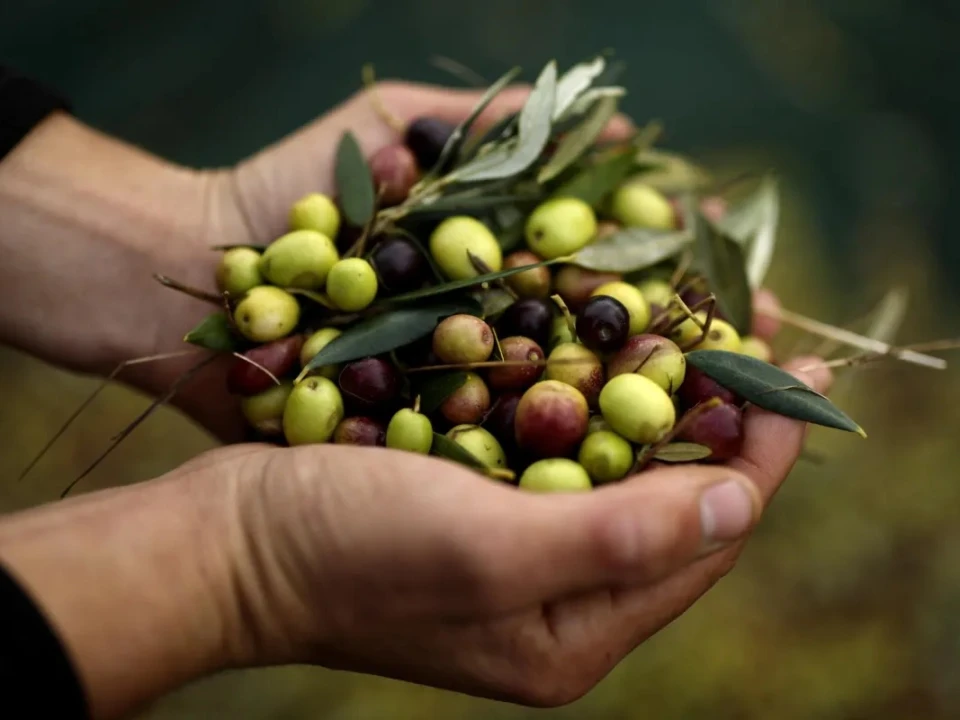
Italy has created an extraordinary living archive dedicated to one of the most important symbols of Mediterranean agriculture. In Montelovesco, near Gubbio in Umbria, the new Domus Olear∑ brings together more than 850 unique olive genotypes originating from 32 olive-growing countries.
Developed through a collaboration between the National Research Council’s Institute of Biosciences and BioResources and the Di Murro farm, the collection transforms decades of genetic research into a vast open-air laboratory. The project originated from the analysis of an international database containing more than 10,000 olive genotypes.
Spread across more than 10 hectares of Umbrian countryside, Domus Olear∑ also includes over 400 wild olive genotypes and subspecies. The plants have been genetically identified and propagated through seeds and grafting, creating an exceptional resource for scientists studying biodiversity, plant adaptation and the future of olive cultivation.
The location could hardly be more appropriate. Umbria has one of Italy’s strongest olive-growing traditions, with roughly 27,000 hectares of olive groves and thousands of farms connected to the sector. The region combines centuries-old agricultural knowledge with increasingly advanced scientific research.
Domus Olear∑ gives Italy an important international role in preserving olive biodiversity for future generations. What once existed primarily as genetic information stored in databases is now a living landscape where researchers can observe plants through different seasons and environmental conditions.
In the green heart of Italy, the olive tree’s ancient history is becoming a laboratory for its future.