There are several sectors of the economy in which the United States is a world leader. One of these is undoubtedly that of advertising, which brings with it the fundamental link with the world of commerce. In the golden age of Madison Avenue, New York, the history of commercial communication was made.
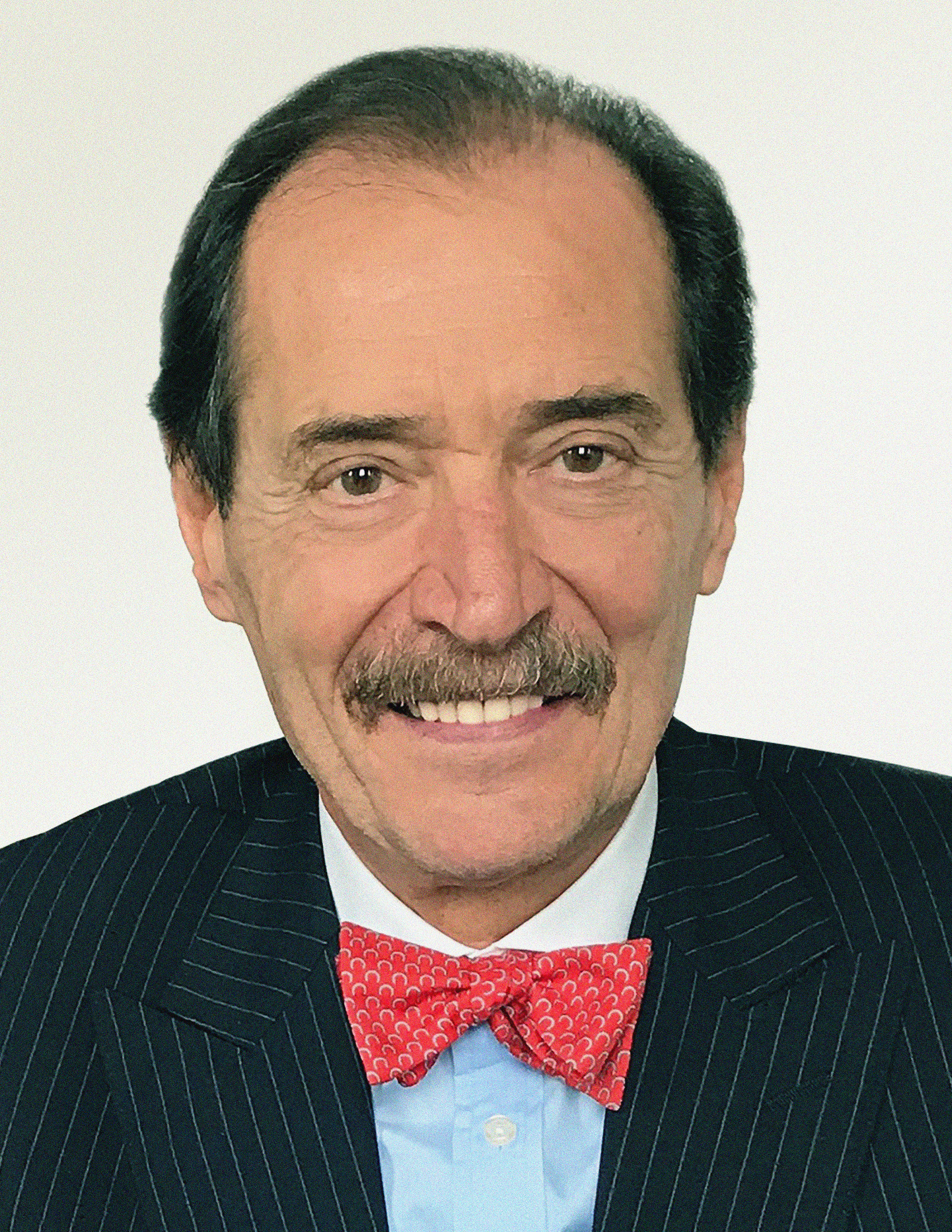
The guest of this interview is one of the protagonists of that era and of the evolution of advertising to the present day. Mario Messina is an Italian proud of his origins who for decades has been a leader in the promotion of many products: but he was also the first to open an agency in New York exclusively dedicated to promoting Italy, a pioneer who opened the way in the US when Italian products were still little promoted and known in America. We are grateful to Mario for his courtesy and availability
Mario, please tell us something about your journey in the creative world of advertising, from Italy to America
I began working in advertising in Italy, with Major International Agencies such as SSC & B Lintas, Kenyon & Eckhardt, McCann London and then McCann Milano. After testing the international sight of our profession, Italy was too tight for me and I decided to come and prove myself in Madison Avenue, where all the best professionals in communication and advertising in the world were working in those days: it was 1974.
So, I came to New York to seek fame and fortune. I got a job at Ogilvy & Mather in New York where I became Vice-President and co-creative director, of one of the groups and I had the good fortune of working very closely with David Ogilvy on a few projects. After David retired, I left: the agency was turning into a financial institution rather than the creative power house that I loved, so I decided to leave and to open up my own shop to create something different than what was available in those days. So, instead of being another anonymous agency of Madison Avenue, I opened up the first and only agency specializing in introducing European and Italian Companies in the American Market.
My reputation in Italy was very high for what I had achieved in the past and for the crazy idea of coming to New York, and I had some great knowledge of the American market to combine with that: so I put the two things together and I was able to help Italian companies successfully entering the American market.
Which part of you is Italian, and which is American?
I think that basically the heart, the creativity, the elegance in communicating is my Italian side. The American part is the synthesis in communicating and the rebellion about common things, like how to try to refrain from the banality of the way of perceiving the everyday life of the city: these are the things coming from my American side.
What are your main successes in the promotion of Italian products in America?
We created brand new categories, while we launched Italian products in the US.
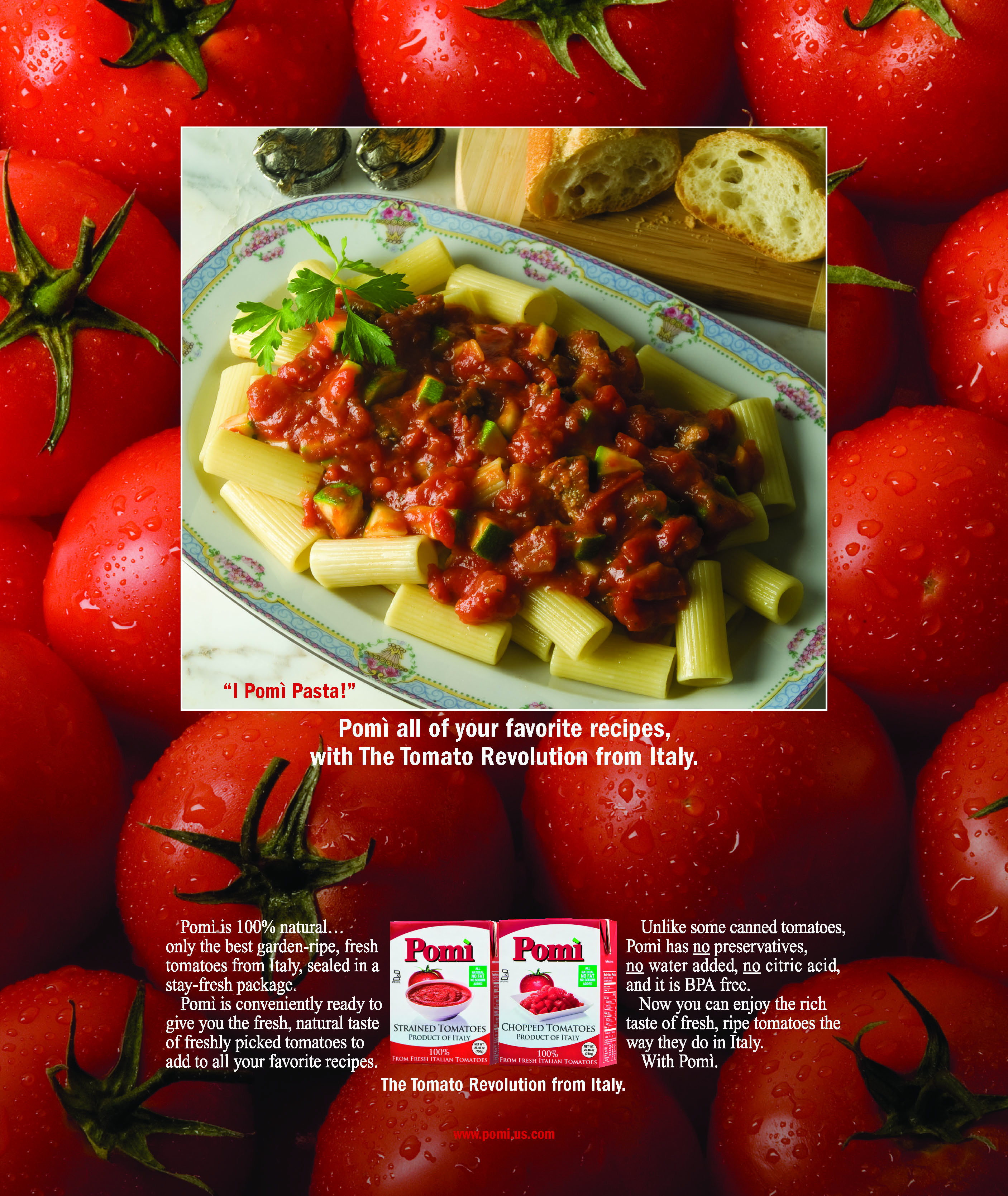
We can begin with Pomì, which today is the market leader in the Super premium Italian tomatoes imported from Italy: with them we launched the aseptic packaging that basically didn’t exist before in America. That was a very peculiar situation, because American consumers were not used to see liquid food products in cardboard boxes, but were used to find and purchase dry goods like flour, sugar etc.
Another success I’m very attached to is the launch of Colavita in the American market, where we taught Americans that there is extra-virgin olive oil, which they didn’t know before.
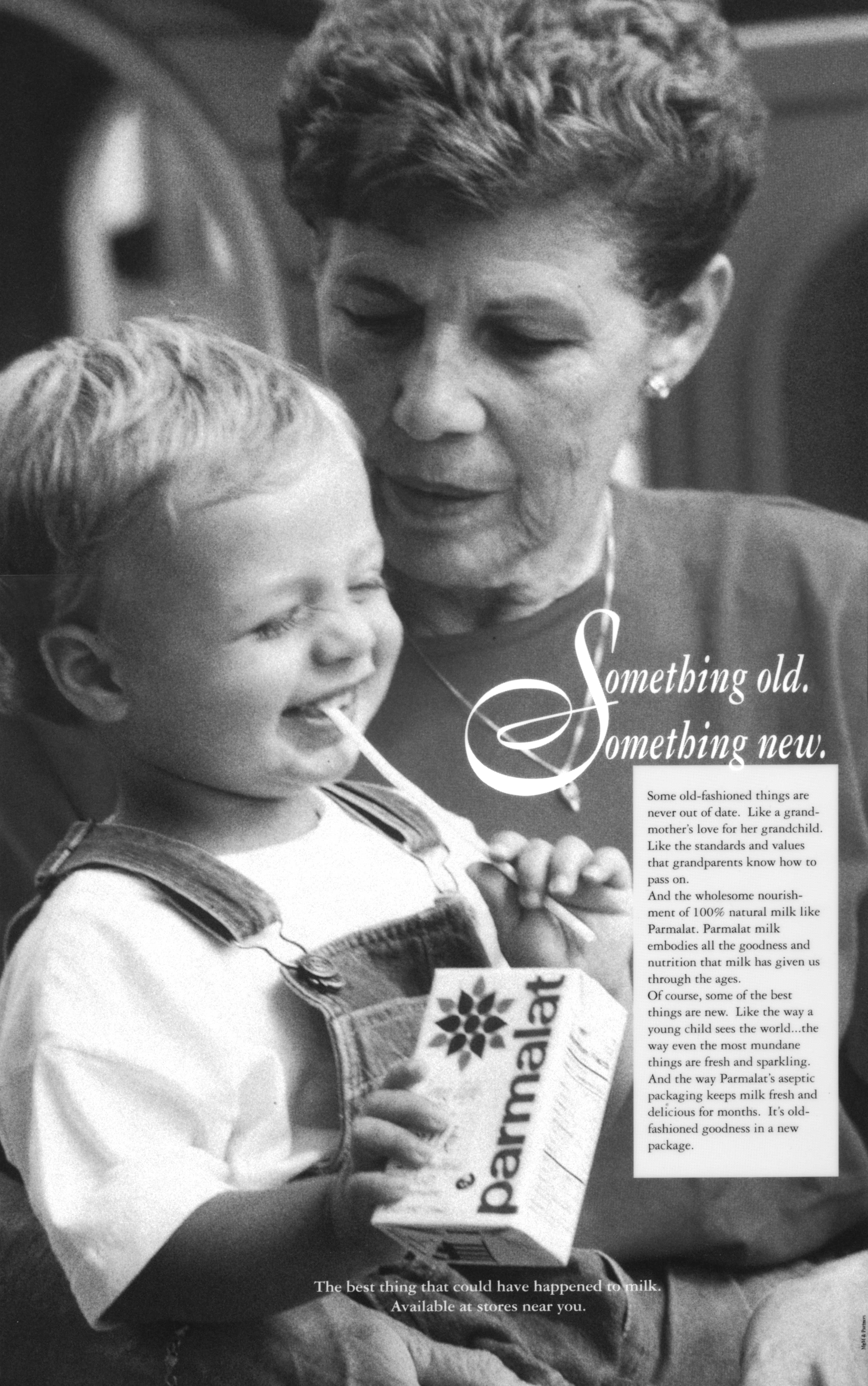
Then with Parmalat milk we introduced in the United States the long life milk: again, another huge undertaking because Americans were used to put everything in the refrigerator.
Last but not least, the campaign to introduce Molinari and the real Sambuca Extra in America, against some products that were professing to be Italians but they were not. So, those are my most important achievements, I guess.
What role has Italy played in the world of advertising in the recent decades?
This is a very difficult question because Italy never really had a principal role in the advertising industry at a worldwide level, but it has always played a supporting role, because a lot of advertising has been translated in Italian from International campaigns. A big part of the advertising created in Italy is successful for Italy but is not travelling across the international borders.
Besides you, who are the great Italian excellences who have been successful in the American world of advertising?
Well, first and foremost I’d mention Gavino Sanna. Gavino really did something spectacular when he was in the United States. He worked for MC Cann and then Scalli Mac Cabe, which was one of the best creative boutiques in New York. He made a wonderful work when he was here, and then he went back to Italy where he made history.
Did you get an idea of why Italian creativity is so excellent? Is it something in our DNA, or in the environment in which we grow up, or maybe both things, or else?
Well, I think that mainly is the basic education that we have: the Italian romantic education is one of the most wonderful educations in the world. Also what helps is that when we grow up we are surrounded by incredible works of art and the fact that the real smart Italians, in order to compete in the world, have to become really creative, because Italy cannot compete otherwise with other countries without being clever and outsmart all the international competitors.
And then there is one of the things that I experienced, and surprised me when I came here: to be competitive I had to reinvent myself. That's exactly what's going on when Italian companies are successful: they reinvent themselves. They are like chameleons, and they turn to something that is wonderful, something that was not seen before, something that adapts to a situation, but in a clever way.
So, as the scientists say, “What nature does not do, nurture does” …
Absolutely.
Is it true that America, the motherland of advertising and marketing, is the ideal environment to reward Italian creativity from this point of view?
I think that the answer is yes, because that is why Italian fashion, Italian wines, Italian food and other goods created just for the international market find a fertile soil here. Actually, they have become icons thanks to the American marketing savvy, because the American marketing is been instrumental in helping these people and these companies and these products became such huge successes.
How has communication and promotional language evolved since you started to nowadays?
First of all, everything is much less formal because of the evolution of the custom, the evolution of our life style, of who we are. Then, today we have a synthesis of communication that was not possible before. Everything was way more formal and rigid. The pop culture broke up the old fashion way of doing things and communicating.
Today everything is way more direct, is even more fun in a certain way. So this informality in lifestyle led to the opportunity of becoming friendly in communicating with a consumer, and that's a big advantage. Especially when you talk about new generations who don't like to be preached from the top of the mountain about something, but they just want to be provided with information and they want to make up their own mind about the products or the services they like or not. So, I think that this is the result of a cultural evolution – or revolution - I would say. And it’s still going on, we haven’t finished yet.
How would you reach the young Italian Americans and “sell them” Italy? How would you try to convince them that they should be proud of their Italian heritage?
I think that there should be something related to social media to do that. I don't know which social media are most efficient to do that, I would need to do a research about that and it would be interesting to know. But for sure you have to reach them by giving them a sense of pride about their heritage. For example, many years ago, when we did a research to introduce Molinari to the United States, we found out that the first generation of Italian Americans didn't really want to be considered Italian: they wanted to be part of the American fabric, they wanted to become Americans. The second and third generation, instead, started to go back to school and learn Italian and they had a lot of pride for their Italian heritage, because of the beautiful things that Italians have done and donated to the world.
I think that today is even easier because there are more and more Italian things that are part of the everyday’s life of the American people. And so it should be easier to raise a sense of pride in being part of those who make this stuff, the stuff that is making your life better, the stuff that is making you look different, more interesting.
Thanks Mario. Your point is very well taken, and it worth a lot of money! I’m thankful you have shared it with us. Last question. Your experience is remarkable, and in your book you tell different tasty anecdotes. Is there one about Italy in America that you'd like to share with our readers?
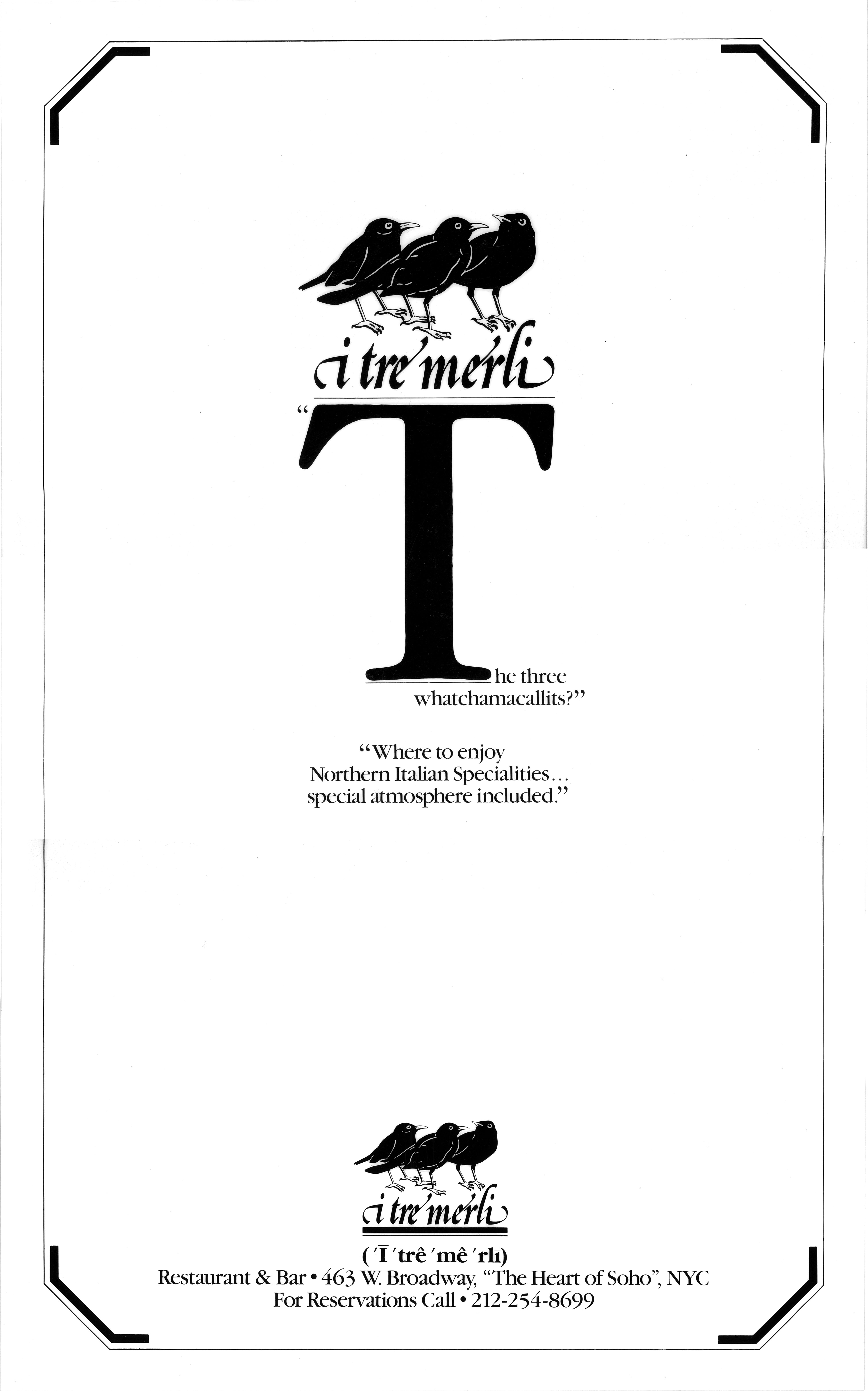
I think that one of the funniest things, probably, is my involvement with an Italian restaurant in the United States, called “I Tre Merli”. There were two Italian guys who came to NY from Genova, trying to do something: they had a restaurant in Genova and they wanted to open up an Italian restaurant in NY. So they opened up in SoHo, but nobody was looking for Italian food in SoHo. Also, there was not a wide spread knowledge about Italian regional food: food from Genova was unknown, food from Reggio Emilia was unknown, food from Friuli Venezia Giulia was unknown, and so on. There was just Italian food back then in New York and in the US.
So, when they came to me I scratched my head and I said: “You know, guys, in order to get your restaurant to take off, you got to do a bunch of things. But you really must do what I tell you, without changing anything.” They said yes, and so we started this campaign. They were funny as hell, but very well prepared and smart, and they knew what they were doing. So we created full page ads: we were the first ones in New York to do something like this for a restaurant. So, people thought that these guys had an incredible amount of money to invest, which wasn’t true, because we were just buying remnant spaces in The New York Times or in the Daily News.
So we came up with a very unusual piece of communication: we were selling a destination, and not just the food. These guys went absolutely crazy because immediately the phone calls started to rain and they started to fill up the restaurant. At this point they showed the true colors of their Italian smarts and every night at the restaurant it was a party: they were throwing cakes on their faces, every night they were putting on an incredible show, that made that restaurant become really one of the most popular places to go to. They lasted for 20 years and then they sold it. But they had a good run, when they were successful they took advantage of the wave and opened up in Los Angeles, Miami, and I think that they have franchised the restaurant even in Japan.
Sono diversi i settori dell'economia nei quali gli Stati Uniti sono leader mondiali. Uno di questi è senza dubbio quello della pubblicità, che porta con sé il legame fondamentale con il mondo del commercio. Nell'epoca d'oro di Madison Avenue, a New York, si fece la storia della comunicazione commerciale.
L'ospite di questa intervista è uno dei protagonisti di quell'epoca e dell'evoluzione della pubblicità fino ai giorni nostri. Mario Messina è un italiano fiero delle sue origini che da decenni ormai è leader nella promozione di tanti prodotti: ma è anche colui che per primo aprì una agenzia a New York esclusivamente dedicata a promuovere l'Italia, un pioniere che aprì la strada a stelle e strisce quando i prodotti italiani erano ancora poco promossi e conosciuti in America. Siamo grati a Mario per la sua cortesia e per la sua disponibilità
Mario, ti chiediamo di raccontarci brevemente il tuo viaggio nel mondo creativo dell’advertising, dall’Italia all’America
Ho iniziato a lavorare nel settore pubblicitario in Italia, con le maggiori agenzie internazionali come SSC & B Lintas, Kenyon & Eckhardt, McCann Londra e poi McCann Milano. Dopo aver testato la visione internazionale della nostra professione, l'Italia era troppo stretta per me e ho deciso di venire a mettermi in gioco a Madison Avenue, dove in quei giorni lavoravano tutti i migliori professionisti del mondo della comunicazione e della pubblicità: era il 1974.
Così, sono venuto a New York per cercare fama e fortuna. Ho trovato un lavoro alla Ogilvy & Mather di New York, dove sono diventato vicepresidente e direttore co-creativo di uno dei gruppi e ho avuto la fortuna di lavorare a stretto contatto con David Ogilvy su alcuni progetti. Dopo il pensionamento di David sono andato via: l'agenzia si stava trasformando in un'istituzione finanziaria piuttosto che nella centrale creativa che amavo, così ho deciso di lasciare e di aprire la mia agenzia per creare qualcosa di diverso da quello che era disponibile in quei giorni. Così, invece di essere un'altra anonima agenzia di Madison Avenue, ho aperto la prima e unica agenzia specializzata nell'inserimento di aziende europee e italiane nel mercato americano.
La mia reputazione in Italia era molto alta per quello che avevo raggiunto in passato e per la folle idea di venire a New York, e avevo una grande conoscenza del mercato americano da combinare con questo: così ho messo insieme le due cose e sono stato in grado di aiutare le aziende italiane ad entrare con successo nel mercato americano.
Quale parte di te è italiana, e quale è americana?
Penso che fondamentalmente il cuore, la creatività, l'eleganza nella comunicazione sia la mia parte italiana. La parte americana è la sintesi nella comunicazione e la ribellione alle cose comuni, come cercare di astenersi dalla banalità del modo di percepire la vita quotidiana della città: queste sono le cose che vengono dalla mia parte americana.
Quali sono i tuoi principali successi nella promozione di prodotti italiani in America?
Abbiamo creato nuove categorie, quando abbiamo lanciato il Made in Italy negli Stati Uniti.
Possiamo iniziare da Pomì, che oggi è leader nel mercato dei pomodori italiani super premium importati dall'Italia: con loro abbiamo lanciato il confezionamento asettico che in pratica non esisteva prima in America. Si trattava di una situazione molto particolare, perché i consumatori americani non erano abituati a vedere prodotti alimentari liquidi in scatole di cartone, ma a trovare e acquistare solo prodotti secchi come farina, zucchero, eccetera.
Un altro successo a cui sono molto legato è il lancio di Colavita nel mercato americano, dove abbiamo insegnato agli americani l’esistenza e la qualità dell'olio extravergine di oliva, che non conoscevano prima.
Poi con la Parmalat abbiamo introdotto negli Stati Uniti il latte a lunga conservazione: ancora una volta un'altra grande impresa, perché gli americani erano abituati a mettere tutto in frigorifero.
Ultima ma non meno importante, la campagna di presentazione in America di Molinari e della vera Sambuca Extra, contro alcuni prodotti che si dichiaravano italiani ma non lo erano. Questi sono i miei risultati più importanti, credo.
Storicamente, che ruolo ha avuto l’Italia nel mondo della pubblicità degli ultimi decenni?
Si tratta di una questione molto difficile perché l'Italia non ha mai avuto un ruolo di primo piano nel settore pubblicitario a livello mondiale, ma ha sempre avuto un ruolo di supporto, perché molta pubblicità è stata tradotta in italiano da campagne internazionali. Gran parte della pubblicità creata in Italia è di successo per l'Italia, ma non viaggia attraverso i confini internazionali.
Quali sono, oltre a te, i grandi personaggi italiani che hanno avuto successo nel mondo americano della pubblicità?
Bè, vorrei citare Gavino Sanna. Gavino ha fatto davvero qualcosa di spettacolare quando era negli Stati Uniti. Ha lavorato per MC Cann e poi per Scalli Mac Cabe, una delle migliori boutique creative di New York. Ha fatto un lavoro meraviglioso quando era qui, e poi è tornato in Italia dove ha fatto la storia.
Ti sei fatto un’idea del perché la creatività italiana sia così eccellente? E’ qualcosa nel dna, nell’ambiente in cui cresciamo, entrambe le cose, o altro?
Credo che sia soprattutto merito dell'educazione di base che abbiamo: l'educazione romantica italiana è una delle più belle al mondo. Quello che aiuta è anche che quando cresciamo siamo circondati da incredibili opere d'arte e dal fatto che i veri italiani intelligenti, per poter competere nel mondo, devono diventare davvero creativi, perché l'Italia non può competere altrimenti con gli altri Paesi senza essere intelligente e superare tutti i concorrenti internazionali.
E poi c'è una delle cose che ho vissuto e che mi ha sorpreso quando sono venuto qui: per essere competitivo ho dovuto reinventarmi. E’ esattamente quello che succede quando le aziende italiane hanno successo: si reinventano. Sono come camaleonti, e diventano qualcosa di meraviglioso, qualcosa che non si vedeva prima, qualcosa che si adatta a una situazione, ma in modo intelligente.
Quindi è come dicono gli scienziati: " ciò che non fa la natura, lo fa la formazione" ...
Assolutamente.
E’ vero che l’America, patria del marketing, da questo punto di vista è l’ambiente ideale per premiare la creatività italiana?
Penso che la risposta sia sì, perché è per questo che la moda italiana, i vini italiani, il cibo italiano e altri prodotti creati solo per il mercato internazionale trovano qui un terreno fertile. In realtà, sono diventati icone grazie all'esperienza di marketing americana, perché il marketing americano è stato fondamentale per aiutare queste persone e queste aziende e questi prodotti a diventare così grandemente di successo.
Come è evoluta la comunicazione ed il linguaggio promozionale da quando hai iniziato ad oggi?
Per prima cosa, tutto è molto meno formale a causa dell'evoluzione del costume, del nostro stile di vita, di quello che siamo. Poi, oggi abbiamo una sintesi nella comunicazione che prima non era possibile. Tutto era molto più formale e rigido. La cultura pop ha rotto il vecchio modo di fare le cose e di comunicare.
Oggi tutto è molto più diretto, ed è ancora più divertente, in un certo senso. Questa informalità nello stile di vita ha portato alla possibilità di stabilire una comunicazione amichevole con il consumatore, e questo è un grande vantaggio. Soprattutto quando si parla di nuove generazioni che non amano che si predichi loro da in cima a una montagna, ma vogliono solo ricevere informazioni e poi decidere autonomamente sui prodotti o sui servizi che preferiscono o meno. Quindi, penso che questo sia il risultato di un'evoluzione - o rivoluzione - culturale, direi. Ed è ancora in corso, non abbiamo ancora finito.
Cosa suggeriresti, se ti chiedessimo come raggiungere i giovani italoamericani e “vendere loro” l’Italia?
Penso che ci dovrebbe essere qualcosa che riguarda i social media. Non so quali di essi siano più efficienti per farlo, avrei bisogno di fare una ricerca al riguardo e sarebbe interessante saperlo. Ma certamente bisogna raggiungerli dando loro un senso di orgoglio per il loro patrimonio culturale. Ad esempio, molti anni fa, quando facemmo una ricerca per introdurre Molinari negli Stati Uniti, scoprimmo che la prima generazione di italoamericani non aveva interesse ad essere considerata italiana: voleva far parte del tessuto sociale americano, voleva diventare americana. La seconda e la terza generazione, invece, hanno iniziato a tornare a scuola e a imparare l'italiano e hanno avuto molto orgoglio per il loro patrimonio italiano, per le belle cose che gli italiani hanno fatto e donato al mondo.
Penso che oggi sia ancora più facile, perché ci sono sempre più cose italiane che fanno parte della vita quotidiana del popolo americano. E così dovrebbe essere più facile suscitare un senso di orgoglio nell'essere parte di coloro che fanno queste cose, questi prodotti che rendono la loro vita migliore, che la fanno sembrare diversa, più interessante.
Grazie Mario. La tua osservazione è molto giusta, e ha un enorme valore commerciale! Ti siamo grati di averla condivisa con noi. Ultima domanda. La tua esperienza è notevole, e nel tuo libro racconti diversi gustosi aneddoti. Ce n’è uno che riguarda l’Italia in America che ti va di condividere con i nostri lettori?
Penso che una delle cose più divertenti, probabilmente, sia stata il mio coinvolgimento con un ristorante italiano negli Stati Uniti chiamato "I Tre Merli". Due ragazzi italiani vennero a New York da Genova, cercando di fare qualcosa: avevano un ristorante a Genova e volevano aprire un ristorante italiano a New York. Così aprirono a SoHo, ma allora nessuno cercava cibo italiano a SoHo. Inoltre, non c'era un'ampia conoscenza del cibo regionale italiano: il cibo di Genova era sconosciuto, quello di Reggio Emilia era sconosciuto, quello del Friuli Venezia Giulia era sconosciuto, e così via. All'epoca c'era solo “cibo italiano” a New York e negli Stati Uniti.
Così, quando sono venuti da me, ci ho pensato un bel po’ e poi ho detto: "Sapete, ragazzi, per far decollare il vostro ristorante dovete fare un sacco di cose. Ma dovete davvero fare quello che vi dico, senza cambiare nulla”. Hanno detto di sì, e così abbiamo iniziato questa campagna. Erano divertenti da morire, ma anche molto ben preparati e intelligenti, e sapevano quello che stavano facendo. Così abbiamo creato annunci a tutta pagina: siamo stati i primi a New York a fare qualcosa di simile per un ristorante. La gente pensava che questi ragazzi avessero una quantità incredibile di denaro da investire, il che non era vero, perché stavamo solo comprando spazi residui sul New York Times o sul Daily News.
Così abbiamo escogitato una campagna di comunicazione molto insolita: vendevamo una destinazione, e non solo il cibo. Questi ragazzi sono impazziti perché subito le telefonate hanno iniziato a piovere, e hanno iniziato a riempire il ristorante. A questo punto hanno mostrato il vero aspetto della loro italianità e ogni sera al ristorante diventava una festa: si tiravano le torte in faccia, ogni sera mettevano in scena uno spettacolo incredibile, che fece diventare quel ristorante davvero uno dei luoghi più popolari dove mangiare. Hanno portato aventi il ristorante per 20 anni, e poi l'hanno venduto. Ma è stato davvero un bel periodo, quando ebbero successo approfittarono dell’onda positiva e aprirono anche a Los Angeles e Miami, e penso che aprirono un ristorante in franchising anche in Giappone.