We’re back on the road across the United States, exploring Italian American traces, stories, and people in each of the 50 states. Today we stop in Kansas City, home to a vibrant community dedicated to celebrating its Italian roots.
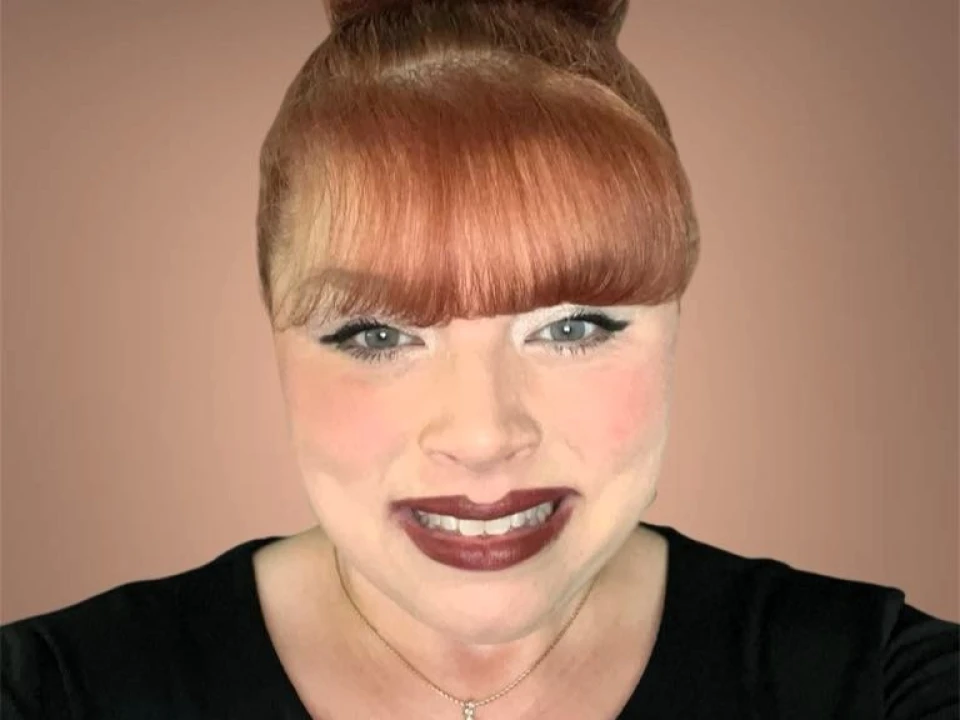
Jody Valet has graciously agreed to serve as our Ambassador in Kansas, and she is working on an exciting documentary that will soon tell the story of Italian immigration in Kansas City - and how the name “Columbus Park” still carries deep meaning for that history today.
Good morning, Jody. Which part of Italy did your family come from before moving to the United States?
My family comes from the Sicilian towns of Campofelice di Fitalia in the province of Palermo and Castelvetrano in the province of Trapani. Our family's journey from Sicily to Kansas City began in 1891, with the last members arriving in 1968.
I have strong ties to my ancestral town of Campofelice di Fitalia. Many families from this small town immigrated to Kansas City, and the Campofelicesi cherish their American cousins, just as we love them. We even have a social club here in Kansas City called Club Campofelice di Fitalia for the descendants of our town.
What Italian presence is there today in Kansas City? Are there any landmark places, associations, or activities?
Although our community is spread throughout the Kansas City metropolitan area, encompassing both Missouri and Kansas, we remain a tight-knit and connected group. I use my Facebook page, Kansas City Italians, to share information about events and keep everyone updated on what’s happening in our community.
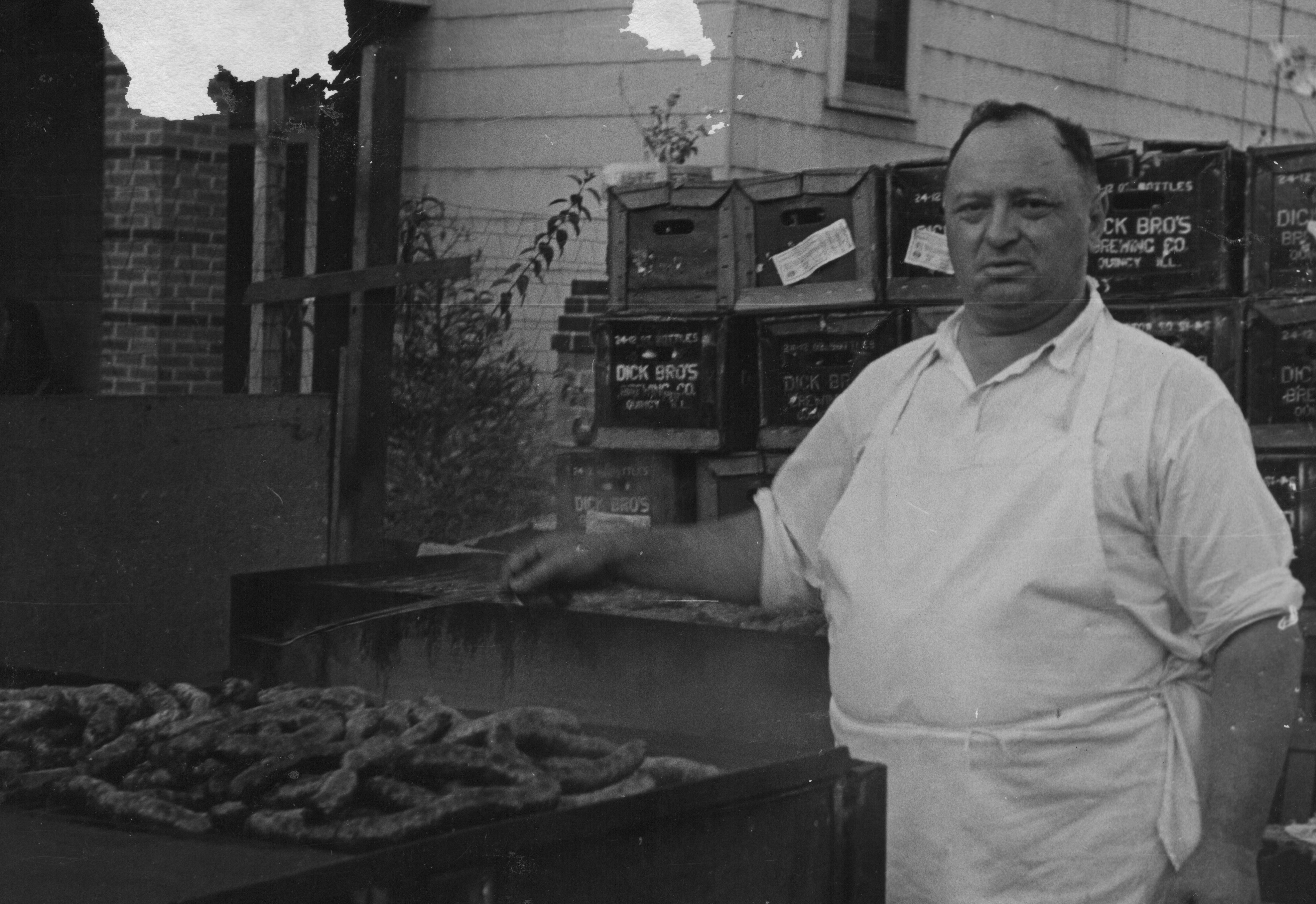
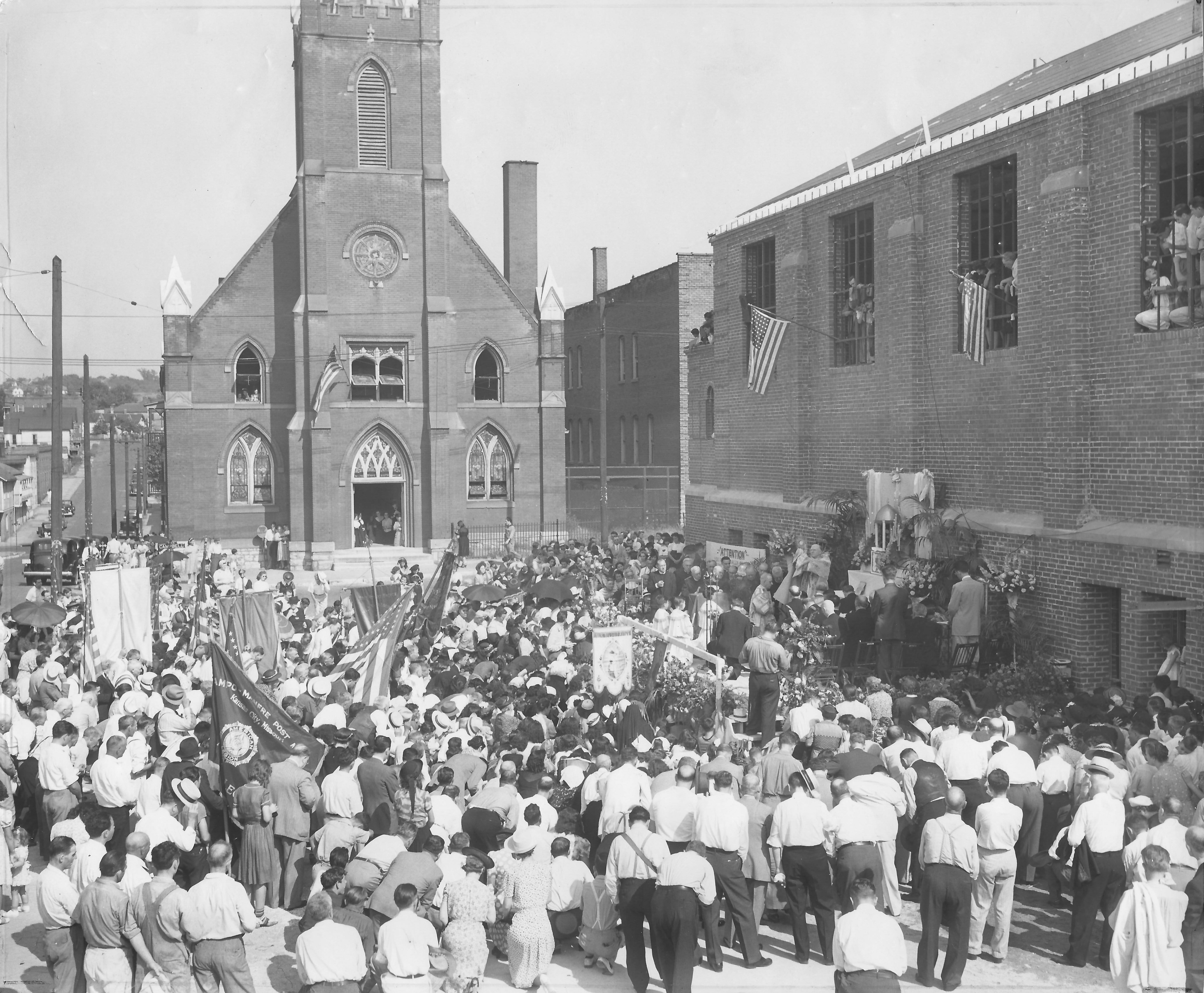
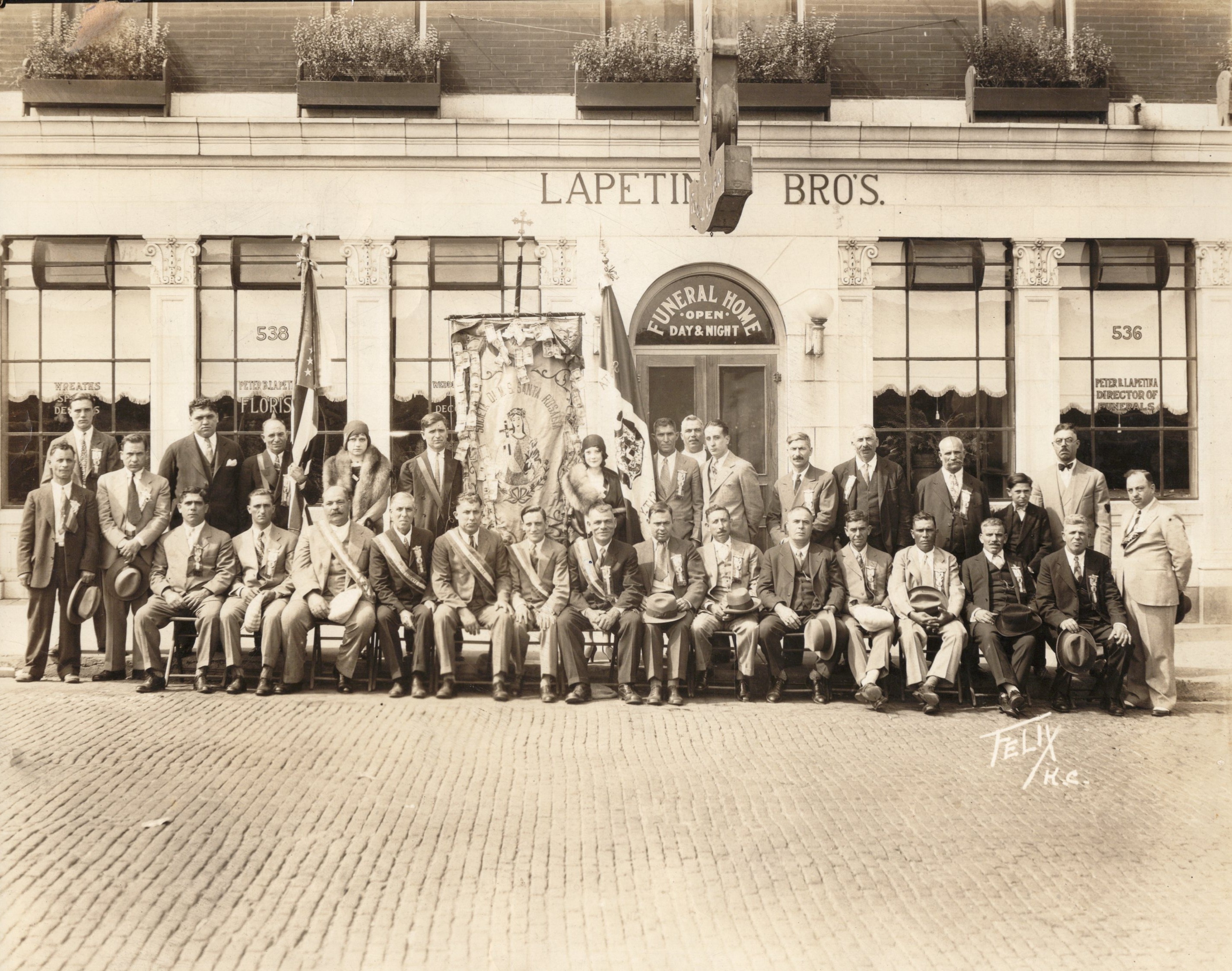
We have our neighborhood, Columbus Park, and the heartbeat of our community has always been and remains Holy Rosary Catholic Church. The Don Bosco Center, built by the Kansas City Italian community, holds a special place in the hearts of many who grew up spending time there. The American Sons of Columbus have a hall and bocce courts, which serve as a location for many events.
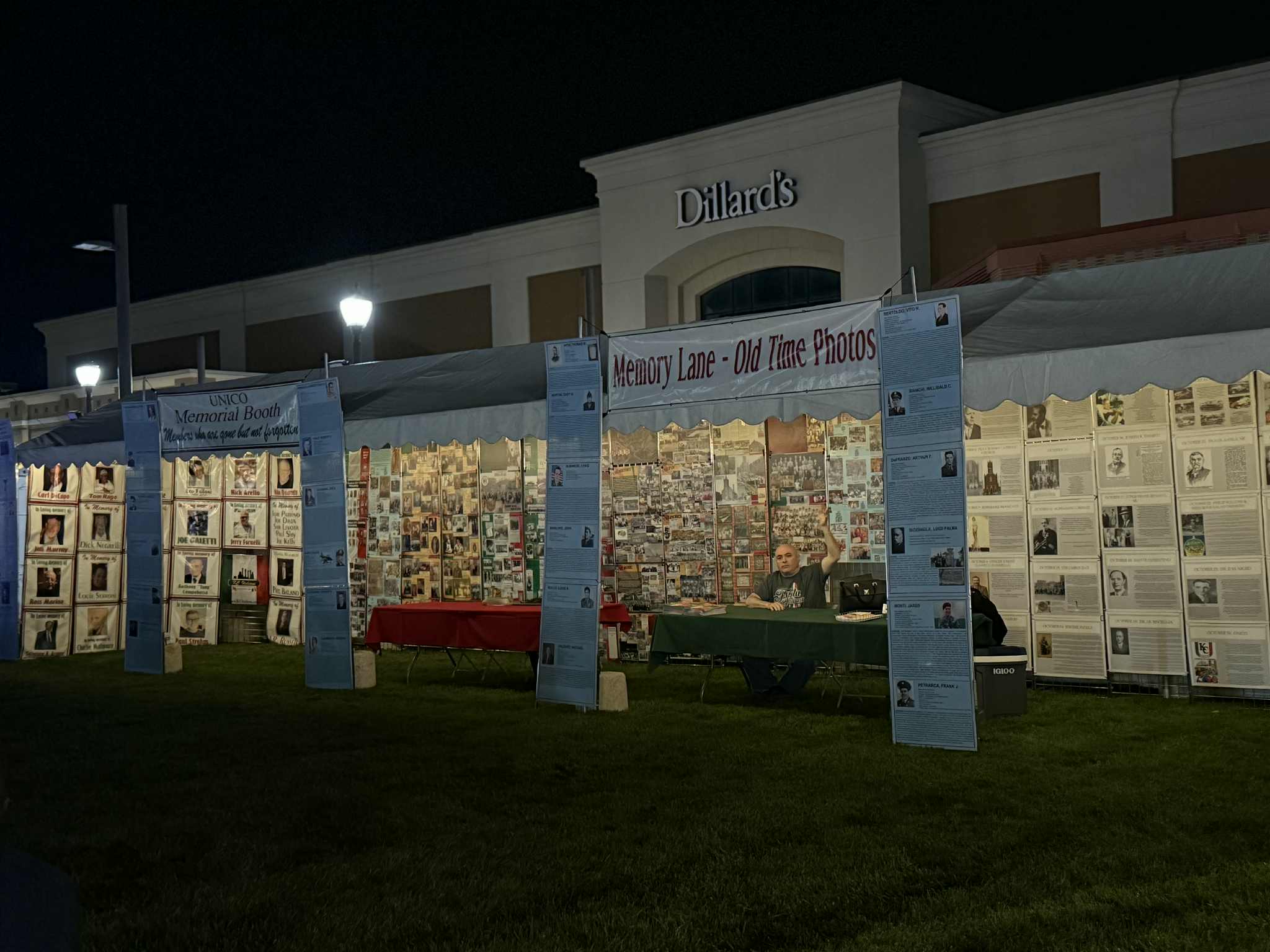
There are 5 Italian clubs here in Kansas City: American Daughters of Columbus, American Sons of Columbus, Camporealese Society, Club Campofelice di Fitalia, and the Kansas City Chapter of UNICO National.
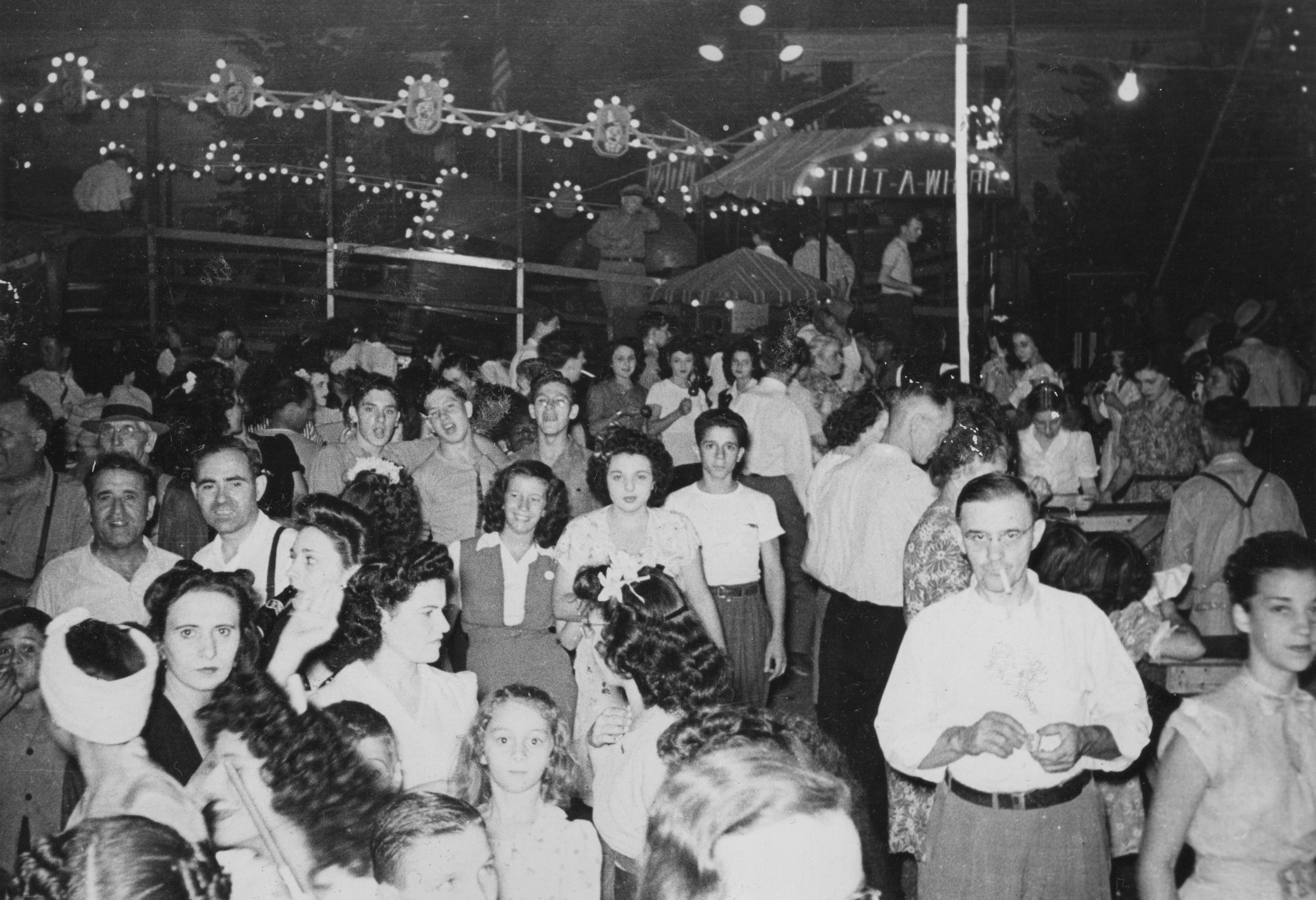
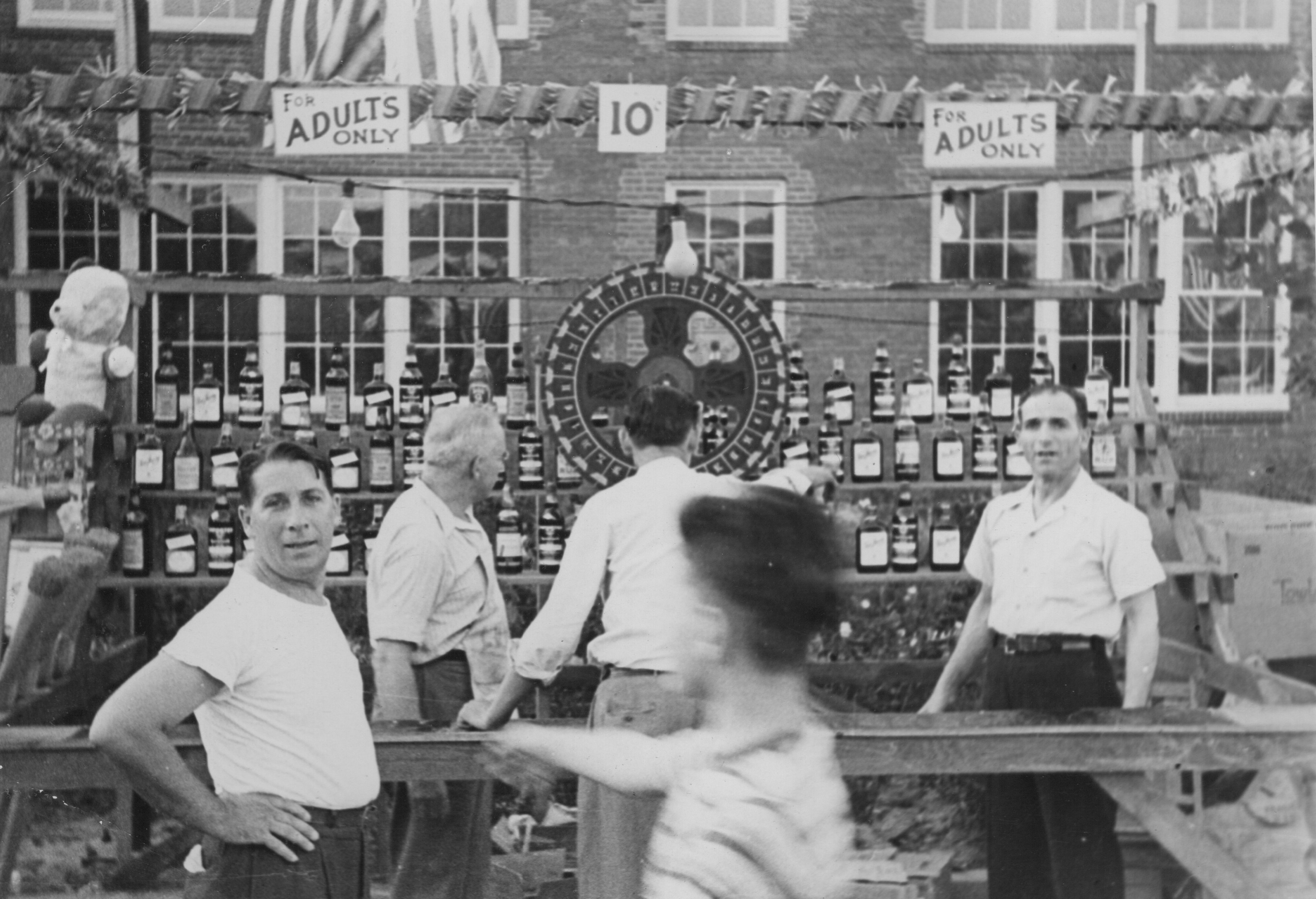
Among the activities, I’d like to mention St. Joseph’s Day, Feast of Our Lady of the Audience (brought here by immigrants from Sambuca di Sicilia, Sicily), UNICO’s Festa Italiana, Tom Gialde Memorial Bocce Tournament, Italian Heritage Day at the K, and Carl J. DiCapo Italian Heritage Festival. Members of our community host many events that are not listed here, most of which raise money for various charities and scholarships.
What’s the history of Italian immigration in Kansas City?
The earliest records of Italian immigrants in Kansas City date back to the period of 1859-1860, but significant immigration began in the 1880s. The early immigrants primarily came from Northern Italy, followed by those from Southern Italy. Sicilian immigrants started arriving in the 1890s, and by the 1920s, they had become the majority of the Italian population in the area. Approximately 80-85 % of the Italian population in Kansas City is of Sicilian descent.
The railroad was a major attraction for Italian immigrants coming to Kansas City. Many also settled in the area because they had friends or relatives from their hometowns in Italy who could help them adjust to life in America. Kansas City has a significant population of immigrants from specific towns in Sicily. Some of the towns with large immigrant communities include Campofelice di Fitalia, Camporeale, Corleone, Ragusa, Cefalù, Castelvetrano, and Sambuca di Sicilia.
You’re working on the documentary about Kansas City’s Little Italy, “The Neighborhood: The North End Becomes Columbus Park.” How did you come out with the idea of a documentary?
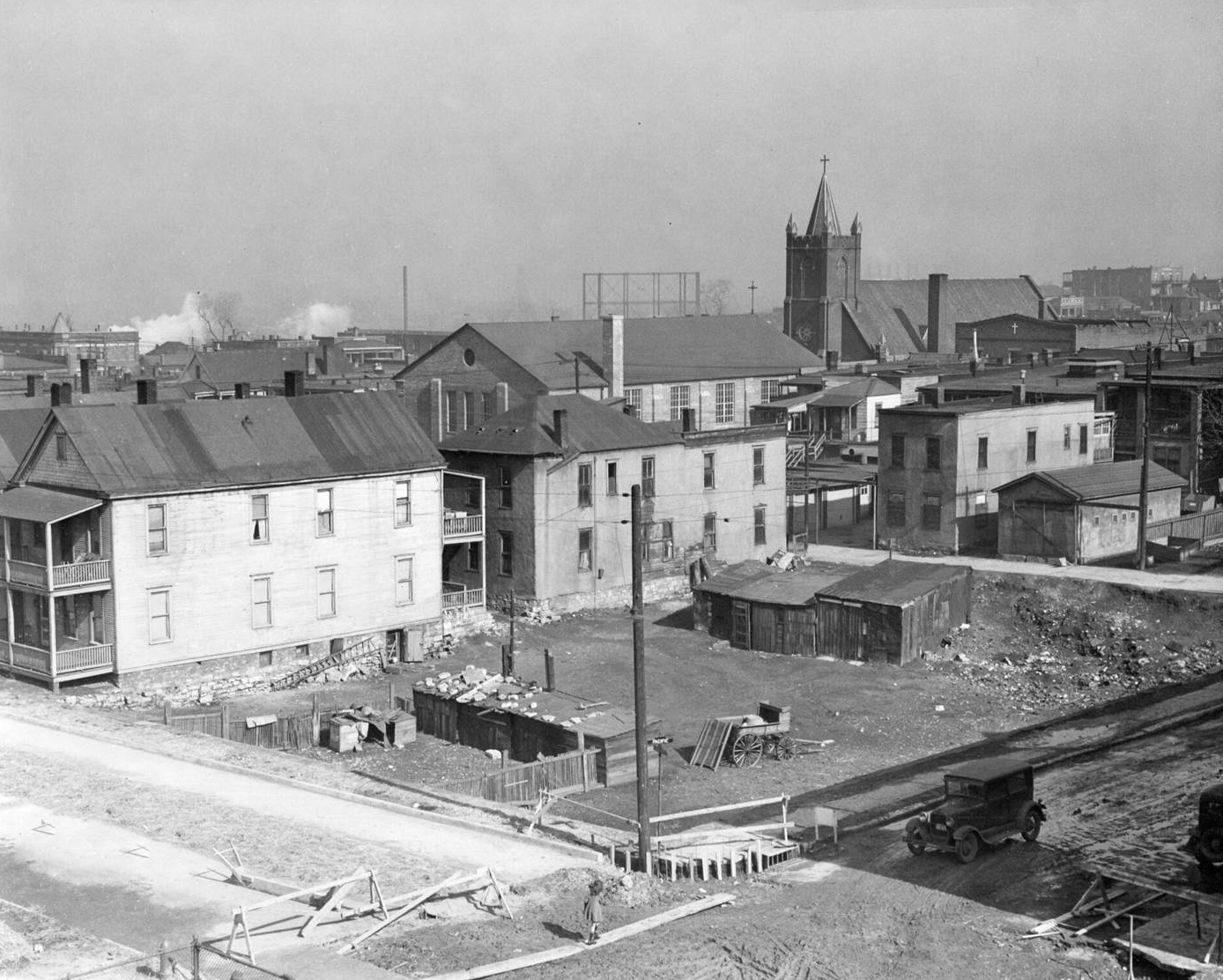
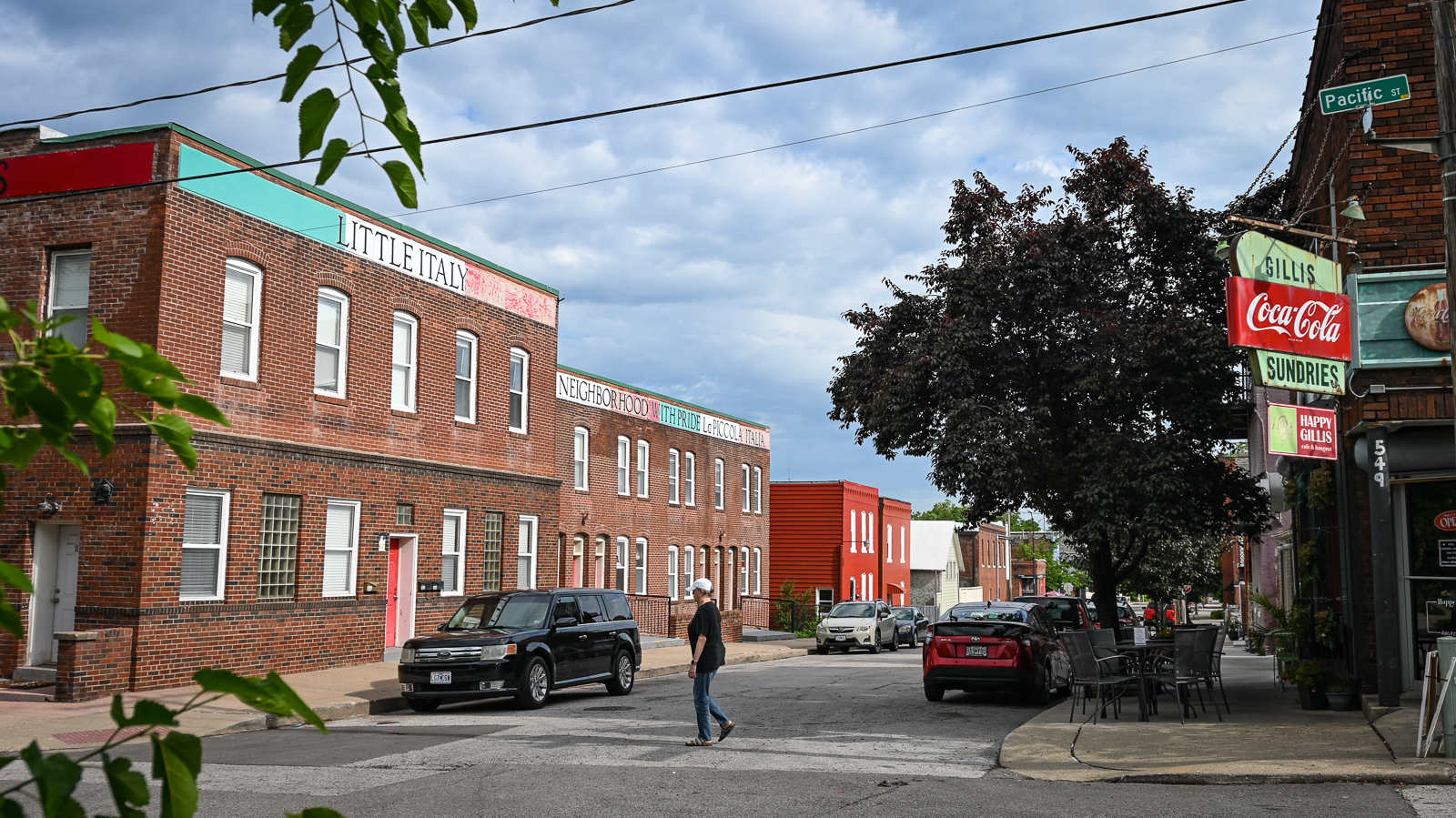
A couple of years ago, I discovered that the Columbus Park neighborhood, originally known as the North End, was much larger than it is today. Many people my age and younger are unaware of the neighborhood's history and how it has evolved into its current form. Several highways, two bridges, and a public housing project have significantly reduced the neighborhood's size, effectively isolating it and turning it into a small island in the middle of Kansas City.
The new information sparked my interest, and I was eager to learn more. How has the neighborhood changed over the years? What was it like to grow up in a vibrant and close-knit Italian American community? These are the questions our documentary explores, shedding light on a compelling story that has yet to be told.
In Kansas City, the narrative surrounding Italian Americans often highlights those involved in the Mafia and crime. However, it is crucial to recognize that this group constitutes only a small percentage of our community, yet their activities have received extensive coverage in books and documentaries.
In truth, the untold history of the Italian American community in Kansas City is one of hardworking, honest, and educated individuals who came to the United States in search of opportunity and prosperity, along with the neighborhood they built. This is the story we aim to share, and it is far more significant and interesting than the prevailing stereotypes.
I have partnered with the Kansas City Chapter of UNICO National and Crossroads Media Group on this project. Proceeds from the documentary will be used to help fund a monument honoring Kansas City’s Italian immigrants, which will be placed in Columbus Park.
I know you put out a questionnaire: what kinds of questions did you ask?
The questions differ from person to person because everyone's story is unique to them. Here are several questions we ask everyone:
Where in Italy did your family originate?
Do you know why your family chose to settle in Kansas City, Missouri?
What is your favorite memory of growing up in the neighborhood? Is there a specific smell, food, or object that brings you back to that memory?
How did growing up in an Italian neighborhood shape your sense of identity and your values? Did you feel a strong sense of community and belonging?
Is there an interesting or unusual story you discovered during your research?
I met an extraordinary woman who is 93 years old, and she has lived on the same street her entire life. She is so full of life and has a sharp memory. I can’t wait for everyone to hear her story! To me, every story we've heard holds something truly special.
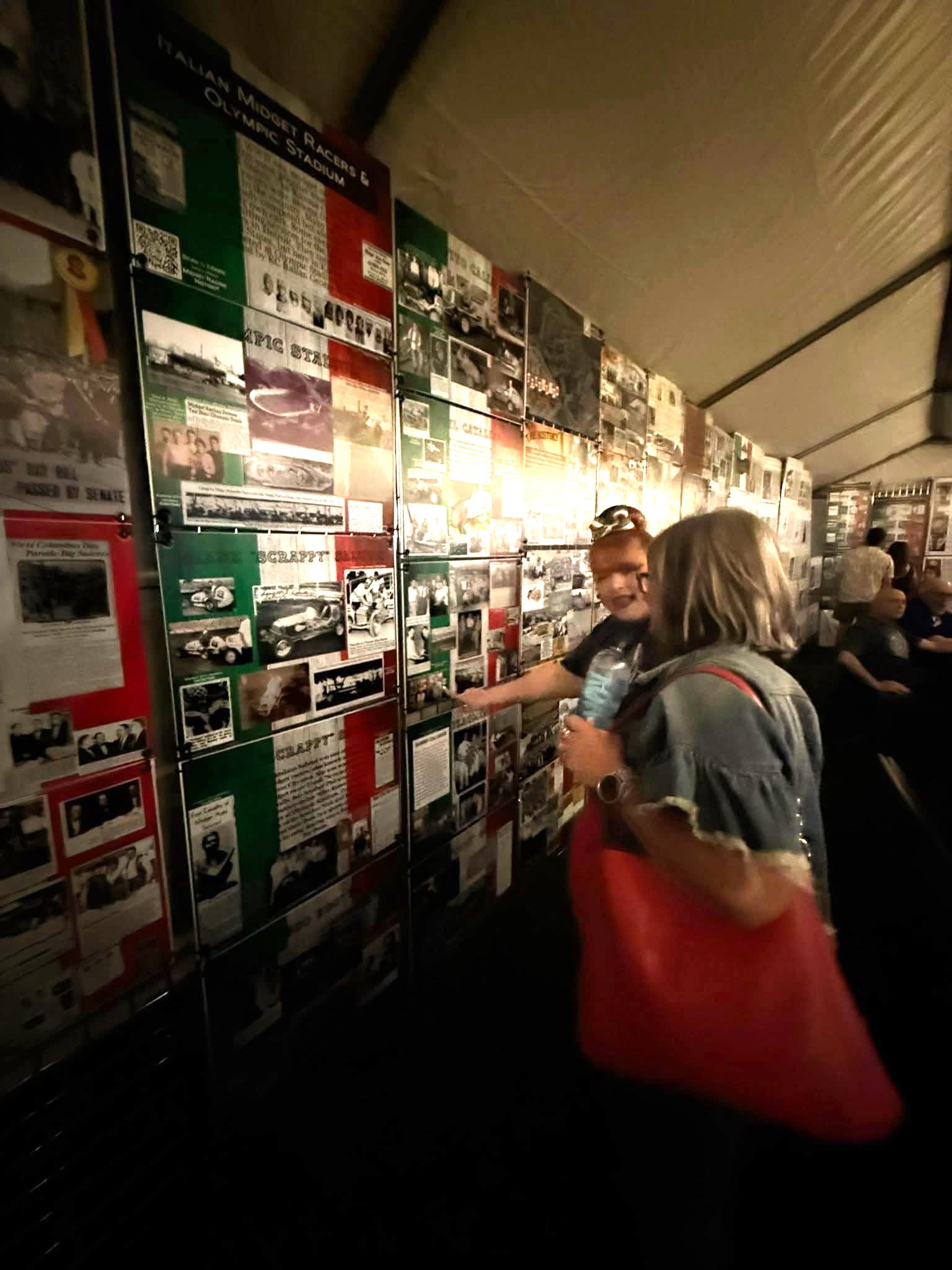
You’re also creating an archive of Italian objects from Kansas City, with the hope that someday an Italian American museum or an Historical Society will be established in the area. How can we help you?
That's a great question! I believe that advice from individuals who have successfully started a museum or historical society would be incredibly valuable. What are the most effective ways to raise funds for this type of project? Are there any grants available specifically for Italian American initiatives like this? We always welcome advice and donations.
Speaking of Columbus Park: has there been any controversy over the name? Has anyone tried to erase Columbus from Kansas City as well?
It can be difficult to find a place in the United States that hasn’t made efforts to diminish the significance of Columbus, and Kansas City is no exception. However, I believe that Columbus will always hold a significant place in Kansas City’s history due to our rich connection with Columbus Day.
Colorado was the first state to officially recognize Columbus Day as a holiday in 1907, and Missouri followed suit in 1909, thanks to Senator M.E. Casey from Kansas City, who introduced a bill to make it a legal holiday in the state, encouraged by the local Italian community. Interestingly, this community in Kansas City had already been celebrating Columbus Day since 1883, even before it was officially recognized in 1909.
In 1967, the name of the North End was changed to Columbus Park through a public vote, and a Columbus monument is now located at Holy Rosary Catholic Church in Columbus Park.
We just finished writing a children's book tonight about the first Columbus Day parade in Kansas City, which took place after it became an official state holiday in 1909. I would love to share more details with We the Italians! We plan to have it available for purchase by Columbus Day, and the proceeds will support the Heritage Committee of the Kansas City Chapter of UNICO.
Over the years, many Columbus Day festivities in Kansas City have diminished, yet we remain proud and hopeful about reviving the cherished traditions we've lost.
What’s the timeline for completing the documentary? When and where will we be able to see it?
We do not have a completion date for the film yet, but we are thrilled to announce that there will be a premiere in Kansas City. A preview of the film, along with a presentation, is scheduled for Sunday, November 9, 2025, at 2:00 PM at the Central Library, Helzberg Auditorium, 14 West 10th Street, Kansas City, MO.
Si torna in giro per gli Stati Uniti alla ricerca di tracce, storie e persone italoamericane in ognuno dei 50 stati: oggi ci fermiamo a Kansas City, dove c’è una comunità viva e dedicata alla celebrazione delle loro radici italiane.
Jody Valet ha accettato di essere nostra Ambassador nel Kansas, e sta lavorando ad un’interessante documentario che a breve racconterà la storia dell’emigrazione italiana a Kansas City, e di come il nome “Columbus Park” ancora oggi significhi molto per questa storia.
Buongiorno, Jody. Da quale parte d’Italia proveniva la tua famiglia prima di trasferirsi negli Stati Uniti?
La mia famiglia proviene dai paesi siciliani di Campofelice di Fitalia, in provincia di Palermo, e Castelvetrano, in provincia di Trapani. Il viaggio della nostra famiglia dalla Sicilia a Kansas City iniziò nel 1891, con gli ultimi membri arrivati nel 1968.
Ho un legame molto forte con il mio paese d’origine, Campofelice di Fitalia. Molte famiglie di questo piccolo paese emigrarono a Kansas City, e i Campofelicesi custodiscono con affetto i loro cugini americani, così come noi vogliamo bene a loro. Abbiamo persino un circolo sociale qui a Kansas City chiamato Club Campofelice di Fitalia, dedicato ai discendenti del nostro paese.
Quale presenza italiana c’è oggi a Kansas City? Ci sono luoghi simbolici, associazioni o attività?
Sebbene la nostra comunità sia diffusa in tutta l’area metropolitana di Kansas City, che comprende sia il Missouri che il Kansas, rimaniamo un gruppo unito e coeso. Uso la mia pagina Facebook, Kansas City Italians, per condividere informazioni sugli eventi e aggiornare tutti su ciò che accade nella nostra comunità.
Abbiamo il nostro quartiere, Columbus Park, e il cuore pulsante della comunità è sempre stata, e rimane, la chiesa cattolica Holy Rosary. Il Don Bosco Center, costruito dalla comunità italiana di Kansas City, occupa un posto speciale nel cuore di molti che vi hanno trascorso la giovinezza. Gli American Sons of Columbus hanno una sede e campi da bocce, che ospitano numerosi eventi.
A Kansas City ci sono 5 club italiani: American Daughters of Columbus, American Sons of Columbus, Camporealese Society, Club Campofelice di Fitalia e il Kansas City Chapter di UNICO National.
Tra le attività che vengono portate avanti, mi piace ricordare la Festa di San Giuseppe, la Festa di Nostra Signora dell’Udienza (portata qui dagli immigrati da Sambuca di Sicilia), la Festa Italiana organizzata da UNICO, il Memorial Bocce Tournament dedicato a Tom Gialde, l’Italian Heritage Day at the K e il Carl J. DiCapo Italian Heritage Festival. I membri della nostra comunità organizzano inoltre molti altri eventi non elencati qui, la maggior parte dei quali destinati a raccogliere fondi per varie opere benefiche e borse di studio.
Qual è la storia dell’immigrazione italiana a Kansas City?
Le prime tracce di immigrati italiani a Kansas City risalgono al periodo 1859-1860, ma l’immigrazione significativa cominciò negli anni 1880. I primi immigrati provenivano soprattutto dall’Italia settentrionale, seguiti poi da quelli dell’Italia meridionale. Gli immigrati siciliani iniziarono ad arrivare negli anni 1890 e negli anni ’20 erano ormai la maggioranza della popolazione italiana nell’area. Circa l’80-85% degli italiani di Kansas City è di origine siciliana.
La ferrovia fu una grande attrazione per gli immigrati italiani che venivano a Kansas City. Molti si stabilirono nella zona anche perché avevano amici o parenti dei loro paesi d’origine che potevano aiutarli ad ambientarsi in America. Kansas City ha una presenza significativa di immigrati provenienti da specifici paesi della Sicilia, tra cui Campofelice di Fitalia, Camporeale, Corleone, Ragusa, Cefalù, Castelvetrano e Sambuca di Sicilia.
Stai lavorando al documentario sulla Little Italy di Kansas City, “The Neighborhood: The North End Becomes Columbus Park”. Come ti è venuta l’idea di realizzarlo?
Un paio di anni fa ho scoperto che il quartiere di Columbus Park, originariamente noto come North End, era molto più grande di quanto sia oggi. Molte persone della mia età e più giovani non conoscono la storia del quartiere né come si sia evoluto nella sua forma attuale. Diverse autostrade, due ponti e un progetto di edilizia popolare hanno ridotto significativamente le dimensioni del quartiere, isolandolo e trasformandolo in una piccola isola nel cuore di Kansas City.
Queste nuove informazioni hanno acceso il mio interesse e desideravo saperne di più. Come è cambiato il quartiere nel tempo? Com’era crescere in una comunità italoamericana vivace e unita? Queste sono le domande che il nostro documentario esplora, facendo luce su una storia affascinante che non era ancora stata raccontata.
A Kansas City, il racconto sugli italoamericani è spesso associato a mafia e criminalità. Tuttavia, è fondamentale riconoscere che questo gruppo rappresenta solo una piccola parte della nostra comunità, sebbene le loro attività abbiano ricevuto ampia copertura in libri e documentari.
In realtà, la storia mai raccontata della comunità italoamericana di Kansas City è quella di persone oneste, laboriose e istruite, arrivate negli Stati Uniti in cerca di opportunità e prosperità, insieme al quartiere che hanno costruito. Questa è la storia che vogliamo condividere, molto più importante e interessante degli stereotipi prevalenti.
Ho stretto una collaborazione con il Kansas City Chapter di UNICO National e con la Crossroads Media Group per questo progetto. I proventi del documentario saranno destinati a finanziare un monumento in onore degli immigrati italiani di Kansas City, che sarà collocato a Columbus Park.
So che avete diffuso un questionario: che tipo di domande avete fatto?
Le domande variano da persona a persona, perché ogni storia è unica. Eccone alcune che rivolgiamo a tutti:
- Da quale parte d’Italia proveniva la tua famiglia?
- Sai perché la tua famiglia scelse di stabilirsi a Kansas City, Missouri?
- Qual è il tuo ricordo preferito legato alla crescita nel quartiere? C’è un odore, un cibo o un oggetto specifico che ti riporta a quel ricordo?
- Come ha influenzato la tua identità e i tuoi valori il fatto di crescere in un quartiere italiano? Hai sentito un forte senso di comunità e appartenenza?
Hai scoperto una storia interessante o insolita durante la tua ricerca?
Ho incontrato una donna straordinaria di 93 anni, che ha vissuto tutta la sua vita nella stessa strada. È piena di energia e ha una memoria lucidissima. Non vedo l’ora che tutti ascoltino la sua storia! Per me, ogni racconto che abbiamo raccolto ha qualcosa di veramente speciale.
Stai anche creando un archivio di oggetti italiani di Kansas City, nella speranza che un giorno venga fondato in zona un museo italoamericano o una società storica. Come possiamo aiutarti?
Ottima domanda! Credo che i consigli di chi è già riuscito a fondare un museo o una società storica sarebbero di grande valore. Quali sono i modi più efficaci per raccogliere fondi per un progetto di questo tipo? Esistono sovvenzioni specifiche per iniziative italoamericane come questa? Accogliamo sempre con piacere consigli e donazioni.
Parlando di Columbus Park: ci sono state polemiche sul nome? Qualcuno ha cercato di cancellare anche a Kansas City la figura di Colombo?
È difficile trovare un luogo negli Stati Uniti che non abbia tentato di ridimensionare l’importanza di Colombo, e Kansas City non fa eccezione. Tuttavia, credo che Colombo manterrà sempre un ruolo significativo nella storia di Kansas City, grazie al nostro profondo legame con la festa di Columbus Day.
Il Colorado fu il primo stato a riconoscere ufficialmente il Columbus Day nel 1907, e il Missouri lo seguì nel 1909, grazie al senatore M.E. Casey di Kansas City, che presentò un disegno di legge per renderlo festa legale nello stato, incoraggiato dalla comunità italiana locale. È interessante notare che questa comunità di Kansas City festeggiava già il Columbus Day dal 1883, ben prima del riconoscimento ufficiale del 1909.
Nel 1967, il nome del North End venne cambiato in Columbus Park tramite voto popolare, e un monumento a Colombo si trova oggi presso la chiesa cattolica Holy Rosary di Columbus Park.
Abbiamo appena finito di scrivere un libro per bambini sulla prima parata del Columbus Day a Kansas City, che ebbe luogo dopo che la festa divenne ufficialmente riconosciuta nel 1909. Mi piacerebbe condividere più dettagli con We the Italians! Contiamo di renderlo disponibile per l’acquisto entro il Columbus Day, e i proventi andranno a sostegno dell’Heritage Committee del Kansas City Chapter di UNICO.
Nel corso degli anni, molte celebrazioni del Columbus Day a Kansas City sono diminuite, ma rimaniamo orgogliosi e fiduciosi di poter far rivivere le amate tradizioni che abbiamo perduto.
Qual è la tempistica prevista per completare il documentario? Quando e dove potremo vederlo?
Non abbiamo ancora una data precisa di completamento del film, ma siamo entusiasti di annunciare che ci sarà una prima proiezione a Kansas City. Un’anteprima del film, insieme a una presentazione, è in programma per domenica 9 novembre 2025, alle ore 14:00, presso la Central Library, Helzberg Auditorium, 14 West 10th Street, Kansas City, MO.