

Emilia Romagna is globally recognized for its food culture and high-performance automotive industry, yet its wood craftsmanship tradition represents an equally rich though less visible pillar of regional identity. Rather than being concentrated in a single industrial district, the woodworking sector here operates as a diffuse artisanal system, spread across cities, small towns, and mountain communities. This decentralized structure is one of its defining strengths: it allows for flexibility, specialization, and deep rooted local knowledge.
Historically, woodworking in Emilia Romagna dates back to medieval and Renaissance times, when guilds of carpenters and cabinetmakers played a crucial role in urban economies. Churches, palaces, and rural homes all relied on skilled artisans capable of shaping wood into structural elements, furnishings, and decorative works. Over centuries, these skills were passed down through generations, often within family run workshops.
At the core of Emilia Romagna’s woodworking excellence lies a combination of technical mastery and material sensitivity. Artisans work with a wide range of woods such as walnut, oak, cherry, and fir, each selected for specific structural or aesthetic qualities.
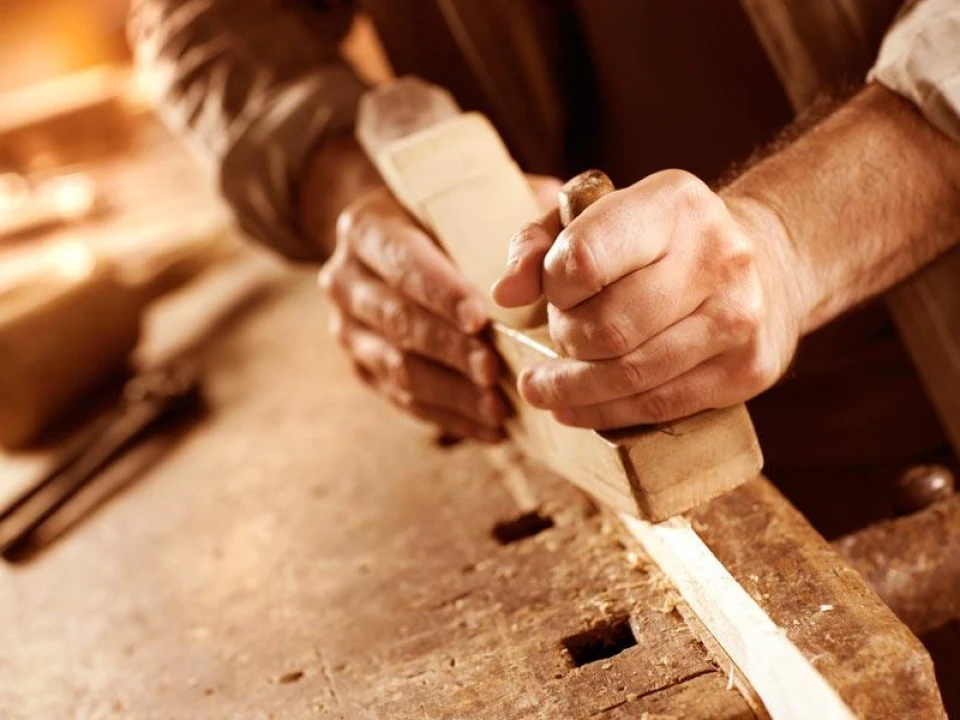
Traditional techniques remain central. Joinery methods such as dovetail and mortise and tenon joints ensure durability without excessive reliance on industrial fasteners. Hand finishing processes, including sanding and polishing, enhance the natural grain. Natural treatments like oils and waxes preserve the material while maintaining its tactile quality. Marquetry and carving, used in high end pieces, reflect a deep artistic heritage.
These processes require years of training and a refined understanding of both tools and materials. Even when digital tools such as CNC machines are introduced, they are typically integrated into a workflow still guided by human expertise.
The woodworking system in Emilia Romagna is geographically widespread. Cities like Bologna and Modena host a mix of traditional workshops and contemporary studios, often collaborating with architects and designers. Parma is particularly known for restoration and fine cabinetmaking, linked to its rich artistic heritage.
In the Apennine areas, smaller towns maintain a closer relationship with raw materials, historically sourcing timber locally. These mountain communities have preserved a more essential form of craftsmanship, where woodworking is tied to everyday life as much as to artistic production.
One of the defining features of this system is its ability to evolve. Since the late twentieth century, many artisans have begun collaborating with designers, integrating traditional skills into modern aesthetics. The result is a hybrid production model that includes bespoke furniture for private clients, interior design solutions for hospitality spaces, and limited edition collections that blend craftsmanship and innovation.
This dialogue between past and present has positioned Emilia Romagna’s woodworking sector within the broader narrative of Italian design excellence.
Today, sustainability plays an increasingly central role. Many workshops prioritize responsibly sourced or certified wood, reclaimed materials, and low impact finishing techniques. This approach responds to environmental concerns while reinforcing the intrinsic values of craftsmanship such as durability, repairability, and respect for resources.
Beyond economics, woodworking remains a cultural system. Workshops function as spaces of knowledge transmission, where younger generations learn through apprenticeship rather than standardized education. This human dimension is essential to maintaining quality and authenticity.
In Emilia Romagna, wood craftsmanship does not seek the spotlight. It exists alongside more famous industries, yet it continues to define interiors, restore heritage, and shape everyday life with understated precision. Its strength lies in continuity, a balance between inherited knowledge and contemporary vision that ensures its relevance in a rapidly changing world.